Food Insecurity and Poverty in Jordan
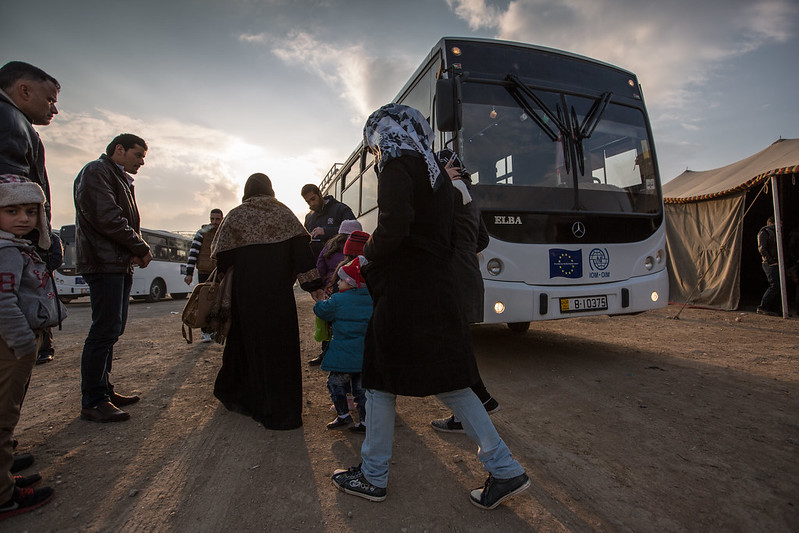 Food security and poverty alleviation in Jordan are closely linked, with limited access to nutritious food deepening economic hardship. Addressing this cycle requires strategies that improve nutrition, strengthen food security, and create sustainable opportunities for vulnerable communities.
Poverty and Food Insecurity in Jordan
According to new data, the percentage of registered refugees living in poverty has increased significantly in Jordan’s refugee camps, rising from 45% in 2021 to 67% now. Food insecurity has increased and household spending has decreased as a result. The employment rate among camp-dwelling refugees has also decreased since 2021. According to the survey, many women are unable to look for work due to hold/hold duties, and those who can find employment are frequently more susceptible to risks at work.
Experts globally recognize that to transform food security and eradicate poverty, it is essential to develop safe, sustainable, and healthy diets that are accessible to all. As the United Nations Food Systems Summit approached in 2021, the national food systems highlighted the great importance of transformation and suggested ways to lower the cost of nutritious foods and make healthy diets more accessible for the country, which launched the National Food Security Strategy in 2021.
Creating Sustainable Economic Opportunities
A significant progress is happening in Jordan. Officials are saying the move from an economy that focuses on resource extraction to a circular nation is opening opportunities for the country to not only achieve sustainable and inclusive development but to boost the economy to grow, along with the creation of new jobs that will increase the local production of goods. While highlighting the country’s environmental benefits the Ministry of Environment has made the circular economy a top priority. This will include recycling and cutting down on waste, trimming down on gas emissions and taking on resource use to encourage sustainable consumption and production.
Ensuring Food Availability
Funded in 2003 by Princess Haya bint Al Hussin, Um Ali gives out sustainable food support and essential assistance to support food security and poverty eradication in Jordan that are in deep need across the country. The mission of the food bank still continues to push through occasional charitable food distributions. In 2020 and 2022 wage based employment and self employment aims to help those who participated in the employment program develop technical skills, self- reliance, and strengthen their goal of long-term food for security for the poor.
Final Thoughts
Jordan faces significant challenges in food security due to the resource shortages, poverty and limited job opportunities. Transforming the nation’s food systems and promoting sustainable, healthy diets is essential. Through initiatives like the 2021 National Food Security, the circular economy, and programs by Tkiyet Um Ali, Jordan is making progress by creating jobs, boosting local production and providing sustainable food support to vulnerable communities, ultimately strengthening self-reliance and long term food security.
– Joshua Pettis
Joshua is based in Houston, TX, USA and focuses on Global Health for The Borgen Project.
Photo: Flickr
