The International Affairs Budget: How It Saves Lives Worldwide
 The International Affairs Budget accounts for less than 1% of total federal spending in the United States (U.S.), yet it continues to play a major role in reducing global poverty and supporting humanitarian aid worldwide. The budget funds diplomacy, food assistance, international health programs and development programs that provide millions of vulnerable people with access to clean water, education and health care. As Congress debates Fiscal Year 2027 spending priorities, advocates argue that protecting these investments is necessary for humanitarian progress and long-term international security.
Global Health Programs and Humanitarian Aid
The International Affairs Budget supports programs through agencies such as the United States Agency for International Development (USAID). According to the U.S. government, the U.S. provided nearly $3.7 billion in humanitarian assistance to Sub-Saharan Africa during Fiscal Year 2024, supporting food assistance, emergency relief and humanitarian programs in regions affected by conflict and displacement. In 2024, USAID and the U.S. Department of Agriculture also deployed $1 billion in emergency food assistance to address the growing global hunger crisis.
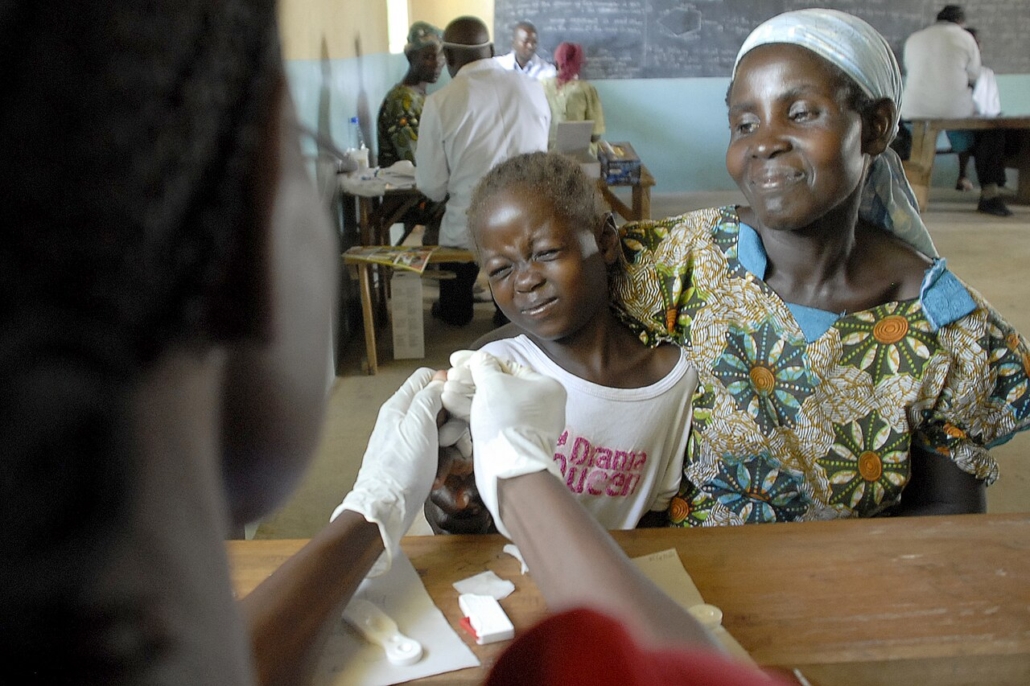
Global health funding also remains one of the most important components of international affairs spending. U.S.-supported initiatives have helped combat diseases such as HIV/AIDS, malaria and tuberculosis in developing nations. According to the World Health Organization (WHO), malaria prevention efforts have saved millions of lives globally over the last two decades.
Specific Global Impact
In countries such as Zambia and Kenya, U.S.-supported HIV/AIDS programs through the President’s Emergency Plan for AIDS Relief (PEPFAR) have expanded access to antiretroviral treatment and reduced AIDS-related deaths. According to the U.S. Department of State, PEPFAR has saved more than 25 million lives globally since its creation in 2003.
Supporters of the International Affairs Budget argue that these programs improve health outcomes abroad while helping vulnerable communities recover from conflict, displacement and food insecurity.
Debates Over Foreign Assistance Spending
Foreign aid and development spending remain active topics in Congress. The House Foreign Affairs Committee and the Senate Foreign Relations Committee continue reviewing legislation and discussing policy related to diplomacy, humanitarian assistance and international development programs.
Advocates for protecting the International Affairs Budget point to the connection between poverty reduction and economic development. According to the Center for Global Development, investments in development assistance can help reduce instability, support economic growth and strengthen international partnerships.
International Cooperation and Poverty Reduction
International cooperation remains a major part of global poverty reduction efforts. Organizations such as the United Nations and the World Bank continue to partner with governments and humanitarian organizations to improve food security, education and access to medical services in low-income nations. According to the World Bank, nearly 700 million people worldwide still live in extreme poverty, surviving on less than $2.15 per day.
Outside the United States, countries such as the United Kingdom and Ireland continue to support international development programs. The Foreign, Commonwealth and Development Office publishes updates on humanitarian relief and education programs worldwide. Irish Aid also supports programs that address hunger, improve access to health care and provide economic development in disadvantaged regions.
Moving Forward
Despite the International Affairs Budget’s relatively small size, proposed funding cuts have prompted concern from advocacy groups and humanitarian organizations. Certain critics argue that reducing foreign aid funding could weaken life-saving programs and limit America’s ability to respond effectively to global crises. Supporters claim that diplomacy and development funds remain important components of humanitarian response efforts worldwide.
As lawmakers continue to discuss FY27 spending priorities, deliberations on the International Affairs Budget mirror broader questions about America’s position in global development and humanitarian leadership. While the budget accounts for only a fraction of federal spending, its impact touches the lives of millions worldwide. For many advocates, protecting these investments is both a human rights responsibility and an important investment in a safer and more stable future.
– Gabriel Perez
Gabriel is based in Detroit, MI and focuses on Global Health and Technology for The Borgen Project.
Photo: Wikimedia Commons
