According to the United Nations Department of Defense and Crime, the definition of trafficking in persons’ means “the recruitment, transportation, transfer, harbouring or receipt of persons, by means of threat or use of force or other forms of coercion, of abduction, of fraud, of deception, of the abuse of power or of a position of vulnerability or of the giving or receiving of payments or benefits to achieve the consent of a person having control over another person, for the purpose of exploitation. Exploitation shall include, at a minimum, the exploitation of the prostitution of others or other forms of sexual exploitation, forced labour or services, slavery or practices similar to slavery, servitude or the removal of organs.”
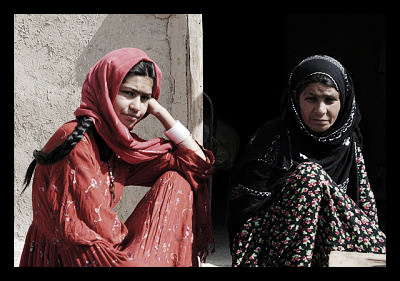
Poverty is a compelling factor in the human trafficking industry.
Human Trafficking occurs in every single country on the globe. It is a global epidemic driven by poverty. The most common countries to which victims are exported are in Western Europe, Western Africa, Asia, Arab Nations and North America. The highest destination countries are Belgium, Germany, Greece, Israel, Italy, Japan, Netherlands, Thailand, Turkey and the U.S. The main countries of origin of victims are Africa, Asia, Central and Eastern European countries, former Eastern bloc and Soviet Union countries, Latin America and the Caribbean. The most prevalent among the main countries are Albania, Belarus, Bulgaria, China, Lithuania, Nigeria, Republic of Moldova, Romania, Russian Federation, Thailand and Ukraine, each with large populations affected by extreme poverty.
Wealth versus poverty is an indicator of migration and trafficked catalysts. Potential victims attempt to move from areas with extreme poverty to areas with less extreme poverty. In these instances, it is the desire of potential victims to migrate to escape poverty that is exploited by traffickers. Control and threatening measures tend to increase once migration occurs for the victims.
Those populations experiencing extreme poverty are especially vulnerable due to their circumstances and familial desperation. These high risk populations become trapped in the desire obtain a better life for themselves and their families. The poor are subsequently preyed upon by manipulative traffickers offering false promises of employment and education opportunities, remuneration in addition to a better life condition. In reality, the trafficker does not follow through on any of the promises. The victims are then forced to do other work—like prostitution or hard labor—receiving little or no pay, resulting in them still living essentially in extreme poverty.
Those suffering from poverty are purposely targeted by traffickers as a means of exploitation. Due to poverty, some parents sell their children. In some instances, victims are told to work to pay off debts and told repercussions include violence, police involvement or immigration. Some victims are sold to many different traffickers. There are two types of labor the victims who are trafficked are subjected to, forced labor or prostitution. Over 32 billion dollars is made annually from human trafficking.
Less than 40 billion dollars can end global poverty. Supporting the Food and Peace Reform Act in order to allow USAID funds to provide support for non-emergency assistance for foreign countries will impact the extreme poverty that leads victims into human trafficking. Combating hunger and food crises can provide a means to assist those facing extreme hunger while not disrupting their agricultural products or local economy. The Act does not interfere with the domestic production in the countries and is proactive means to help to end extreme poverty and hunger to prevent vulnerability to trafficking.
– Erika Wright
Sources: Southern Poverty Law Center, The Freedom Project, OSCE
Photo: Flickr

Malnutrition in Vanuatu
Despite progress in nutrition and food security, Vanuatu’s recent cyclone has caused a major set-back for the nation’s efforts in reducing malnutrition and food insecurity.
As a result of the storm, an estimated 13,000 homes were destroyed and people’s lives were affected. The storm caused increased food and water shortages, as well as destroyed agricultural lands that sustained the area’s population. It has also driven a large portion of the population into poverty.
Following the destruction of Cyclone Pam, malnutrition among its citizens, especially children and babies, have increased. According to UNICEF, an estimated 90 percent of food gardens in the affected parts of the country have been destroyed as a result of the cyclone, consequently creating a large-scale food shortage among the nation’s farming communities.
With a majority of its crops wiped out and shelters destroyed, Vanuatu is experiencing an increase in hunger and poverty. The United Nations warned that lasting food insecurity is a consequence of the cyclone wiping out over 90 percent of the nation’s crops. Currently, there is an estimated 250,000 people who live in Vanuatu. Located in the southwest Pacific Ocean, the nation spreads across more than 60 islands. The U.N. said the population, who relies significantly on agriculture, is now short on food, and farmers are short on income. With no income coming in, the livelihoods of many in Vanuatu are threatened.
The cyclone not only affected the farmers who rely on crops as a source of nutrition, but also the water systems needed to ensure crop growth. Lack of clean water as a result of contaminated tanks and wells from the cyclone is a cause for concern. Vanuatu’s population is reliant on agricultural production, with 80 percent of the people utilizing crops as sustainability. By having a large percentage of the crops wiped out, the country is in need of replantation and water. Resorting water systems and replanting lost crops is a step toward improving malnutrition and food insecurity in Vanuatu.
Aside from recent events, there are several other factors that influence food insecurity and malnutrition in Vanuatu. Although rural parts of the country primarily rely on a subsistence way of life, Vanuatu has transitioned from consuming traditional food to imported food such as rice, milk and bread. The traditional food in Vanuatu consists of yams, taro and fruits including plantains and breadfruit. Due in part to the transition to imported foods, agriculture production and sustainability in Vanuatu has been affected.
Additionally, malnutrition and stunted growth is more prevalent among children living in Vanuatu. Children, especially babies, are more susceptible to the sudden food insecurity. There is a visible threat that children, especially under 2 years old, can slip into acute malnutrition. According to FAO, malnutrition in Vanuatu has decreased over the years; however, it’s been brought to attention that children who are 2 years old or less have a greater risk of stunted growth.
The good news is that government-led emergency relief systems are ensuring that victims are provided with food, water and shelter. Furthermore, foreign aid also goes toward helping combat malnutrition, hunger and poverty in the country. As Vanuatu recovers from the cyclone and rebuilds itself, it will once again see progress.
– Nada Sewidan
Sources: FAO, Pacific Islands Report, Reuters, The Sydney Morning Herald, The World Bank
Photo: Flickr
Religious Leaders Fight to End Global Poverty by 2030
As part of the Moral Imperative, religious leaders from around the world joined the World Bank Group and other organizations in a call to end global poverty by 2030.
On April 9, 30 leaders and chiefs from religious and faith-based organizations came together to introduce their commitments in ending extreme poverty around the world. Religious institutions and faith-based organizations partnered in their efforts to achieve the Millennium Development Goals, and ultimately, help end global poverty.
Many religious leaders believe that there is a moral obligation to help lift the poor out of poverty, but more than that, they believe religious organizations should band together as part of a movement to change and influence the world. The Moral Imperative believes that joining the World Bank Group and others that posses mutual goals to end poverty is both imperative and inspiring. It brings organizations together in pursuit of a better world.
“The Moral Imperative statement seeks to generate the necessary social and political will by inspiring greater commitments from others to join in this cause, tapping into many of the shared convictions and beliefs that unify the world’s major religions around the call and responsibility to combat poverty,” says the World Bank Group in a recent press release.
The announcement was inspired by a previous meeting held between the World Bank Group’s president and religious leaders. The Faith Based and Religious Leaders Roundtable cultivated a setting where talks of endorsement regarding goals to end global poverty was made, resulting in the joint Moral Imperative statement.
As part of the Moral Imperative statement, the endorsers are dedicated to driving change on a global scale through actions made by the faith community. The World Bank Group along with the faith-based community believe that ending extreme poverty in a matter of 15 years is possible. The new 2015 Sustainable Development Goals are expected to build upon previous success and the shared belief that ending global poverty is an essential and urgent burden that must be achieved.
The actions of religious and faith-based leaders came at a crucial time where ending global poverty has become increasingly urgent. The partnership can further help hundreds of millions of impoverished people out of extreme poverty.
In the past 25 years alone, extreme poverty has been reduced by half and continues to decrease as a result of the support provided. At one time, two billion people were living in poverty, but today there are fewer than one billion people living in extreme conditions. Especially in recent years, there has been major progress in lowering global poverty rates. The idea of ending global poverty is no longer distant and impossible, but as progress becomes more evident, so does the possibility.
“Now, for the first time in human history there exists both the capacity and moral responsibility to ensure that no one has to live in extreme poverty’s grip,” says the World Bank Group in a recent press release.
Through commitments made, the possibility of ending extreme poverty has quickly become feasible. Advocates who continue to build this imperative in partnership with the World Group Bank can influence the movement and take it further, and at a much faster pace.
– Nada Sewidan
Sources: The Salvation Army, The World Bank
Photo: Flickr
Biodigesters: Sustainable Fuel from Manure
Farmers interested in sustainable agriculture have taken to doing something different with the manure they collect from their livestock. Normally, manure is piled into a mound in the corner of the farm to be used as fertilizer when needed or simply left to break down in its own time. Sustainable farms, however, are pouring the manure into plastic sheeting measuring about a meter wide and ten meters long. The end result resembles a large white sausage. This plastic encased manure is called a biodigester, and it’s not a new idea.
Biodigesters or anaerobic decomposition was first documented in the early 18th century. Breaking down waste through fermentation in a sealed container has been used since the early 20th century. It has only been in recent years, however, that small farmers have embraced the use of biodigesters.
The long plastic tube is the most common kind of biodigester. They consist of a few very simple parts. The main body is made of hardy plastic sheeting rolled into a tube with PVC pipes at both ends. One pipe is the waste entrance where farmers put manure into the biodigester. The other end is the fertilizer exit. The highest point of the biodigester has a third PVC pipe that usually leads into the house. This pipe collects and directs the natural gas from the fermented manure and sends it to places it can be used as an energy source, like a stove or a furnace. Everything that happens within the tube is technology-free. There are no mechanisms or added chemicals within the body of the biodigester.
Biodigesters perform several functions at once. As it breaks down, the manure separates into flammable natural gases, mostly methane, a liquid fertilizer called biol and solid waste. The high-methane environment inside the biodigester chokes out all of the aerobic bacteria normally found in manure, like e. Coli. This means that fertilizer fermented in biodigesters is sterile. This is a huge advantage over raw manure, which can spread bacteria and other contaminants to crops when used as fertilizer. Furthermore, studies have shown that the biol produced by this fermentation process increases plant health.
Theoretically, biodigesters can be used anywhere there is enough ground, rural or urban. They are mostly popular in developing countries. Currently, their use is widespread in Vietnam, India, China and Nepal. Their recent success in South and Central America is due mostly to the fact that development agencies have switched from marketing them as an affordable energy source to marketing them as an affordable and effective fertilizer source.
Every biodigester produces both biol and methane. Another possible cause of the increase in interest is the fact that the materials to build a biodigester are now very inexpensive and available in almost every town. Their simplicity means farmers can build and install their own biodigesters relatively easily.
Hopefully this trend toward green energy and fertilizer will only increase as the international community turns its attention to the Sustainable Development Goals, where environmentally friendly technology like biodigesters are primed to play a central role.
– Marina Middleton
Sources: Sustainable Development, World Bank, Clay for Earth, Agricultures Network, FAO
Photo: Flickr
Soles4Souls: A Closet Solution to Poverty
Soles4Souls was founded in 2006 and is based in Nashville, Tennessee. It is a global nonprofit organization dedicated to providing clothing and shoes for the poor. It works in collaboration with local and global partners in the distribution of clothing and shoes, and provides micro-enterprise programs by creating jobs in disadvantaged communities.
Soles4Souls collaborates with various community partners, supporting them through organizational resources. Community partners include homeless shelters receiving shoe donations, women’s shelters receiving business wear donations and inner city hospitals receiving clothing donations. Collection and circulation of wearable donations, as well as providing micro-enterprise programs, are the organization’s focus.
There are two methods of collection that Soles4Souls utilizes. It provides clothing and shoes that are discontinued, floor models, non-marketable overstocks and returns from retailers in the United States and other countries. It also provides clothing and shoes that are collected from individuals, educational centers, faith-based organizations and other corporate partners.
Upon being collected, the items are shipped to designated micro-enterprise businesses in different countries. The organization then contracts with private and nonprofit organizations to provide business resources as support. These methods introduce additional streams of income, and the overall objective is to create self-sustaining opportunities in poor communities.
This initiation of micro-enterprise activities adheres to the Millennium Development Goals in terms of eradicating poverty. On the United Nation’s website, the goal outlines the ability to “achieve full and productive employment and decent work for all, including women and young people.”
Creating micro-enterprise programs in poor communities is a main focus of Soles4Souls. It believes these programs are key components for the social movement to promote social change. It aims to assist communities by providing sustainable jobs to impoverished people through business start-up opportunities. Soles4Souls states, “The concept itself is simple, an embodiment of the old saying, ‘Give a man a fish, he will eat for a day; give him a way to fish, and he will eat for a lifetime.'”
Additional areas of interest include responding to natural disasters and orphanages by providing clothing and shoes. Soles4Souls has a “ready-inventory” in order to provide resources to disaster areas. In recent years, it has sent inventory to Hurricane Katrina victims. Orphanages in Central and South America, including Haiti, Costa Rica, Honduras, Guatemala and Tanzania, receive recurring resources in order to help with school uniforms and other essentials.
Soles4Souls aims to impact the 1 billion children who lack basic necessities like shoes and running water.
– Erika Wright
Sources: Soles4Souls, UN
Photo: Flickr
Ceramic Filters for a Cleaner Future
Rural South Africa faces many challenges. The prevalence of HIV/AIDs is partnered with high rates of other diseases, both infectious and non-communicable.
Limpopo Province is among the poorest of South African communities, with a 34 percent poverty rate. In addition, Limpopo also has one of the lowest rates of accessible drinking water. Only 44 percent of the population has regular access to potable water. The Mukondeni Filter Factory located in Ha-Mashamba is addressing limited water access with a new kind of water filter that could be a game-changer for communities where access to clean water is a challenge.
Pure Madi is a nonprofit run by the University of Virginia in partnership with the University of Venda in Thohoyandou, South Africa. Pure Madi designed the ceramic water filter of the same name to provide a sustainable solution to the world’s growing water problems. Pure Madi, named after the Tshivenda word for water, is cheap to make, simple to use and long-lasting.
The ceramic filters are flowerpot-shaped clay pots that can treat between one and three litres of water in an hour. Local clay is mixed with sawdust and shaped into a pot, then fired in a kiln. As the ceramic hardens, the sawdust burns away, leaving a porous matrix that will filter particulates out of the water. It is then treated with a dilute solution of silver nanoparticles inside and out. These nanoparticles lodge in the pores of the filter and kill pathogens like Eschericia coli and Vibrio cholera.
The filters are designed to fit into five gallon buckets that rural families commonly use to haul water. By the time water has passed through the filter, a reported 99.9 percent of all pathogens have been killed and filtered out. The filters last for about five years and are inexpensive, as a result, there is almost no access barrier.
Access to clean water is crucial to the development of communities. Without clean water, hygiene and health are almost impossible to maintain and agriculture suffers from low yields and substandard product. One could say that development grows from the groundwater up. Without access to clean water, communities lack functional sanitation services, experience constant illness and unproductive farms. Such hindrances keep a population from exploring the business and education opportunities required for further development.
Every year, between three and four million people die from waterborne diseases easily preventable with modern technology. Cholera and E. coli, rare in the developed world, are a major threat in areas without water filtration services.
The Mukondeni Filter Factoy will eventually be able to produce over 500 filters a month. Pure Madi’s 10-year plan is to build sister factories all over rural South Africa and eventually other countries as well. Pure Madi has stated that its ultimate goal is to serve 500,000 people with new filters every year.
– Marina Middleton
Sources: How Stuff Works, Azo Materials, Tree Hugger, Gizmag, UVA Today
Photo: Flickr
Empowered Women Can End Poverty
For years, women have been faced with the challenges of discrimination and inequality all across the world. Taking up 50 percent of the population, their representation in many fields has been far less than equal. While women continue to be oppressed, they hold great power in the potential to influence the end of global poverty. From brutal attacks to income inequality, there is a broad range in which women’s rights can be improved, not only for financial reasons but humanitarian as well.
Millenium Development Goals have made gender equality and women empowerment the third top priority in ending world poverty. They also include improving maternal health in their MDG as number five. One of their focuses in improving gender equality is through education. “In many countries, gender inequality persists and women continue to face discrimination in access to education, work and economic assets, and participation in government,” according to the U.N.
Through their efforts, the MDGs have successfully achieved equality between boys and girls in primary education. However, the fight continues to end discrimination across the globe.
The World Bank Organization has made gender equality the top priority in their plan to end world poverty. They stress that if girls are educated and healthy, then they have a chance to become influential leaders in their countries. Yet, in many countries women continue to make less than their male counterparts. Since many women are a directly involved with much of the worlds agriculture, The World Bank mentions the impact women can have with improving hunger.
“It is estimated … that if women worldwide had equal access to productive resources, 100-150 million fewer people would go hungry every day,” says The World Bank.
Although women deserve to be educated and paid more, the most important right they need is security. Across the world women face the danger of being kidnapped and sold into human trafficking, or experience brutal sexual assault. They are forced into marriages and discriminated against and therefore are un-cared for. According to the World Health Organization, “35 percent of women worldwide have experienced either intimate partner violence or non-partner sexual violence in their lifetime.”
Everyday women are limited to housework and reproduction. If they had the chance to be seen as equal they would be empowered to chase the dreams they have always been held back from. Therefore, making half of the population into entrepreneurs, scientists, and educated women who can help make a difference in the world. By oppressing women the world is oppressing itself from its full potential.
– Kimberly Quitzon
Sources: UN Millennium Development Goals, The World Bank, World Health Organization
Photo: Flickr
Poverty and It’s Contribution to Human Trafficking
According to the United Nations Department of Defense and Crime, the definition of trafficking in persons’ means “the recruitment, transportation, transfer, harbouring or receipt of persons, by means of threat or use of force or other forms of coercion, of abduction, of fraud, of deception, of the abuse of power or of a position of vulnerability or of the giving or receiving of payments or benefits to achieve the consent of a person having control over another person, for the purpose of exploitation. Exploitation shall include, at a minimum, the exploitation of the prostitution of others or other forms of sexual exploitation, forced labour or services, slavery or practices similar to slavery, servitude or the removal of organs.”
Poverty is a compelling factor in the human trafficking industry.
Human Trafficking occurs in every single country on the globe. It is a global epidemic driven by poverty. The most common countries to which victims are exported are in Western Europe, Western Africa, Asia, Arab Nations and North America. The highest destination countries are Belgium, Germany, Greece, Israel, Italy, Japan, Netherlands, Thailand, Turkey and the U.S. The main countries of origin of victims are Africa, Asia, Central and Eastern European countries, former Eastern bloc and Soviet Union countries, Latin America and the Caribbean. The most prevalent among the main countries are Albania, Belarus, Bulgaria, China, Lithuania, Nigeria, Republic of Moldova, Romania, Russian Federation, Thailand and Ukraine, each with large populations affected by extreme poverty.
Wealth versus poverty is an indicator of migration and trafficked catalysts. Potential victims attempt to move from areas with extreme poverty to areas with less extreme poverty. In these instances, it is the desire of potential victims to migrate to escape poverty that is exploited by traffickers. Control and threatening measures tend to increase once migration occurs for the victims.
Those populations experiencing extreme poverty are especially vulnerable due to their circumstances and familial desperation. These high risk populations become trapped in the desire obtain a better life for themselves and their families. The poor are subsequently preyed upon by manipulative traffickers offering false promises of employment and education opportunities, remuneration in addition to a better life condition. In reality, the trafficker does not follow through on any of the promises. The victims are then forced to do other work—like prostitution or hard labor—receiving little or no pay, resulting in them still living essentially in extreme poverty.
Those suffering from poverty are purposely targeted by traffickers as a means of exploitation. Due to poverty, some parents sell their children. In some instances, victims are told to work to pay off debts and told repercussions include violence, police involvement or immigration. Some victims are sold to many different traffickers. There are two types of labor the victims who are trafficked are subjected to, forced labor or prostitution. Over 32 billion dollars is made annually from human trafficking.
Less than 40 billion dollars can end global poverty. Supporting the Food and Peace Reform Act in order to allow USAID funds to provide support for non-emergency assistance for foreign countries will impact the extreme poverty that leads victims into human trafficking. Combating hunger and food crises can provide a means to assist those facing extreme hunger while not disrupting their agricultural products or local economy. The Act does not interfere with the domestic production in the countries and is proactive means to help to end extreme poverty and hunger to prevent vulnerability to trafficking.
– Erika Wright
Sources: Southern Poverty Law Center, The Freedom Project, OSCE
Photo: Flickr
What is the Function of the 150 Account?
The U.S. budget contains scores of carve outs for specific programs, activities, and priorities. But all those individual projects are organized into broader buckets. Specifically, the federal budget is divided into 20 categories called budget functions, although it might be easier to think about them as accounts.
Each account (or function) has all the spending for a given topic, independent of which federal agency oversees the specific federal programs that will ultimately receive the money.
Function 150 is the international affairs account which includes money allocated for aid for developing nations, and consequently where a significant amount of global poverty and hunger funding falls. It’s a very diverse funding bucket. The account also includes money for operation of U.S. consulates and embassies; military assistance for our allies; economic assistance to be disbursed to new democracies; promotion of U.S. exports; payments to international organizations; and international peacekeeping efforts.
Function 150 primarily provides funding for the Departments of State, Agriculture, and Treasury, as well as the U.S. Agency for International Development and the Millennium Challenge Corporation. Funding in this account constitutes about 1 percent of the entire federal budget.
The budget process for fiscal year 2014 is far from over, in fact it’s barely started. Quite a bit needs to happen before we will know what the actual funding levels for programs are for the next fiscal year. The State Department requested approximately a total of $52 billion for the Function 150 Account in FY 2014 to fund everything from aid to developing countries to U.S. consulates and international peacekeeping missions, according to agency budget documents.
– Liza Casabona
Sources: House of Representatives Committee on the Budget, State Department
Photo: Tunisia Live
The Expansion of Urban Slums in Cairo
The population in Egypt is 96 million people. Currently in Egypt,there are 26.2 million people that are unemployed. Between 20 and 30 percent of people in Egypt live in poverty. The government and the World Bank suspect that the amount of poverty is grossly underestimated. The rate of urbanization has increased from 50 million, and it estimated to grow to 57 million by the year 2025. Cairo is an urban area that is expanding.
There are three major catalysts for poverty rates to be increasing in urban areas. The government does not have a standard definition of urban areas that is restrictive. In the absence of restrictiveness, boundary expansion of areas is not taken into account. Population evaluation methods are not able to be taken in order to have a needs assessment. This further translates into miscalculation of slum dwelling research on imperative items such as the cost of food, and public services to allot for proper government assistance.
Education is poor in slums in Cairo and food is scarce. Poverty restricts dietary supplements. Carbohydrates and grains are the most common types of food eaten. Vegetables, fruits and protein are hard to come by due to the price and lack of resources for the unemployed. Due to the scarcity of food that is available, children commonly suffer from iron deficiency.
Research indicates that the rate of malnutrition among children in Cairo is high. Sixteen percent of the children are underweight. A lack of basic health care services contribute to the poor health of the residents. It is estimated that 40 percent of Egyptians live on two dollars a day or less. Due to unemployment is rife among the young, forcing many to put off marriage and children until well into their 30s.
Controversy exists regarding the poverty alleviation methods that the government is taking in Egypt. Changes have been suggested to improve the poverty by way of comprehensive studies performed in Cairo. These efforts would increase the definition of poverty beyond income and introduce dimensions of well-being as additional indicators. The additional indicators would include, housing conditions, access to services and the quality of employment. These changes would allow proper assessments to be made.
Underestimating the rapid increase of poverty in urban areas is problematic because it does not allow for proper assessment of the populations needs. The value of poverty lines needs to be increased to determine the true rates of poverty in Cairo. In doing so, the government can make appropriate allowances and funding for an increase of access to nutritious food, quality of housing conditions including water, sanitation and electricity, education and health care.
– Erika Wright
Sources: Al Arabiya News, Connected in Cairo, Environment and Urbanization, IRIN, Encyclopedia of the Nations
Photo: Flickr
Conditions Poor in Syrian Refugee Camps
What was supposed to be a safe haven for Palestinians has now become another war zone. A total of 18,000 refugees are being held hostage in the Yarmouk camp in Syria. The Syrian refugee camp located in southern Damascus has been taken over by ISIS and the group Al-Nursa Front, known for its affiliation with Al-Qaeda.
According to the United Nations, the camp was already low on essentials such as food, water, and medicine. According to Chris Gunness, a spokesman for the United Nations, attempts to deliver food have failed. “That means that there is no food, there is no water and there is very little medicine,” said Gunness.”The situation in the camp is beyond inhumane. People are holed up in their houses, there is fighting going on in the streets. There are reports of … bombardments. This has to stop and civilians must be evacuated.”
Adding to the devastation is the constant violence the people of the camp must face. Dr. Saeb Erekat, and Executive Committee Member of the Palestine Liberation Organization, has reported that there are “kidnappings, beheadings and mass killings” being carried out at the camp. Bombs have also been dropped on the camp.
Yarmouk, which was formed in 1957 for refugees in the Arab-Israeli conflict, are no strangers to dire situations—illness and starvation were already prevalent amongst the camp, which has been under government control since December of 2012. However, the damage being carried out now could be the worst the camp has seen yet.
“Never has the hour been more desperate in the Palestine refugee camp of Yarmouk,” said the United Nations Relief and Works Agency in statement.
The United Nations is vocalizing the need for liberation or at least humanitarian aid where those suffering can receive food, water and proper medical attention.
“The levels of humanity that we have seen have now descended into further levels of inhumanity,” insisted Gunness. Hopefully, the United Nations and other humanitarian groups will continue to fight for the lives of those who are victims to this horrible conflict.
– Melissa Binns
Sources: The World Post, CNN
Photo: Flickr