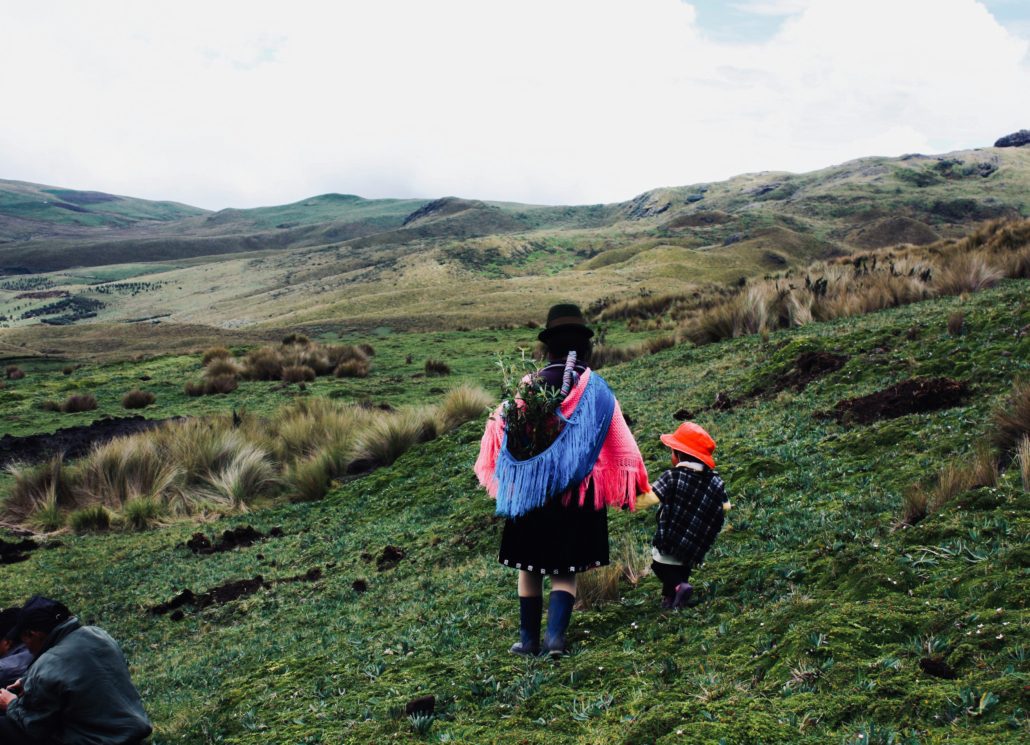
 With a total population of approximately 18 million and an area of 276,841 square kilometers, Ecuador is one of the smallest countries on the South American continent. Due to its geographical location, it is also one of the largest host countries for hundreds of thousands of migrants. According to the United Nations High Commissioner for Refugees (UNHCR), migration to Ecuador is significant as more than 123,000 irregular migrants cross the Ecuadorian-Colombian border each year.
Meanwhile, the UNHCR estimates that nearly 500,000 refugees, asylum seekers, or people in need of protection have remained in Ecuador in the hope of a better life. Most of these are irregular migrants from Colombia and Venezuela. These groups are at risk of marginalization due to stigmatization, discrimination and a lack of valid documentation—yet new data shows that a well-organized strategy for integrating refugees has immense potential to boost the country’s economic growth. However, since the outbreak of the pandemic in 2020 the country has been struggling with serious crime issues. Drug cartels and gang crime are causing an increasing exodus of young and productive Ecuadorian workers. The result: no economic growth and a rising poverty rate.
Emigration of Productive Labor
Ecuador, once known as the “Island of Peace,” attracted immigrants from around the world due to its comparatively low homicide rate. As the Center for Strategic and International Studies reported, Ecuador’s homicide rate in 2019 stood at 6.7 per 100,000 inhabitants, making it one of the lowest among Latin American countries.
During the pandemic, the situation shifted dramatically: Lockdowns forced businesses to close, tourism declined and oil exports fell. Ecuador’s central bank reported a 7.8% decrease in gross domestic product (GDP), while unemployment rose rapidly. Three out of 10 workers lost the jobs they held before the pandemic; half of them remained unemployed. The homicide rate jumped to 50.91 per 100,000 inhabitants in 2025.
As a result, income levels in Ecuador have changed: according to the National Institute of Statistics and Census (INEC), income poverty rose from 25% in 2019 to nearly 33% in 2020—1.4 million people fell into income poverty.
At the time, an undesirable but already well-researched phenomenon plagued the country: the positive correlation between poverty and crime. In other words: rising poverty leads to a higher risk of violence and crime, which, according to Ecuador’s Ombudsman’s Office (DPE), has resulted in the displacement of more than 300,000 Ecuadorians in recent years. Demographically speaking, most of them are young men of working age. A paper by the Inter-American Development Bank (IDB) calculated the direct cost as an average of 3.44% of the GDP annually. Indirectly, the exploding crime rates slow down economic growth.
Ecuador as a Host Country
Ecuador serves as a transit and entry country for groups from Africa, Cuba and Haiti. The country has, for decades already, been experiencing an influx of refugees from countries plagued by armed conflict and violence. Nonetheless, two main groups mark migration to Ecuador:
Migrants from Colombia who have fled an armed conflict between guerrilla groups and the government that has been ongoing for more than 50 years. There are an estimated 130,000 to 200,000 Colombians living in Ecuador; according to the UNHCR, 94% of the more than 80,000 recognized refugees are Colombians.
In addition, Ecuador is home to Venezuelans who fled the humanitarian crisis under the Maduro regime. Around 440,000 migrants have applied for asylum, but only a small number of Venezuelans in Ecuador have valid residency documents. For Venezuelans, it takes months or even years to obtain a document such as an ID card or a passport. These delays are due to very high financial barriers, political restrictions, and the general collapse of the Venezuelan bureaucracy.
Migrants in Ecuador Face Legal Obstacles and Discrimination
The status of undocumented refugees creates significant barriers and contributes to the marginalization of these groups. At the same time it opens the door to systemic discrimination, exposes them to the risk of crime and violence, and traps refugees in a cycle of poverty. Access to housing, healthcare, education or employment appears to be significantly more difficult. Although an estimated one-third of refugees in Ecuador hold a college degree, the vast majority end up in the informal sector, with some earning a per capita income of only about $175 or less.
People in host countries often stigmatize minorities. They frequently project the violence and poverty prevalent in refugees’ countries of origin onto those seeking protection, which hinders their cultural and socio-economic integration. In crisis and conflict situations, politicians exploit fear and uncertainty for propaganda against migrants, in the hope of achieving better election results by stoking fears of competition for jobs or a strain on public finances.
Migration to Ecuador Can Boost Economic Growth
However, contrary to all the clichés, propaganda, and hate campaigns, recent statistics from the Center for Global Development (CGD) show that Venezuelan migrants are underrepresented among those detained for criminal offenses in Ecuador. In 2025, Venezuelans made up 2.4% of Ecuador’s population but accounted for only 1% of all detainees. Studies even suggest that refugees are more likely to be victims of crimes committed by their hosts than the other way around, but most of these cases remain unreported due to lack of trust in Ecuador’s authorities.
Given the country’s precarious security and economic situation, the integration of migrants is a crucial factor for economic growth and the well-being of the Ecuadorian population. As the International Organization for Migration (IOM) notes, Venezuelan migrants contribute an estimated $900 million annually to the Ecuadorian economy—simply through their consumption of goods and services. A well-thought-out bureaucratic strategy and a liberalized refugee policy could benefit the country and generate additional resources to combat gang violence and crime.
Migration and Poverty
Humanitarian aid plays a crucial role in integrating migrants into Ecuador’s society. The situation in Colombia is a prime example of how vital financial support can be for the stabilization and integration of refugees: the country has taken in over 2 million Venezuelans. Through programs such as the “Humanitarian Cash Transfer” (HCT), which was funded by USAID’s Bureau for Humanitarian Assistance (BHA), households received $100 per month over a six-month period.
A study conducted by the International Monetary Fund (IMF) estimated the total cost of health care, education and other services for this period of assistance—assuming a total of 2 million refugees—at $1.3 billion. The IMF’s analysis highlights that host countries are under significant financial pressure. However, the study found a surprisingly positive impact on the countries’ productivity. Due to the growth of labor force and a better match between migrants’ human capital and available jobs, these countries are able to achieve meaningful productivity and growth gains in the medium term. The study estimates that GDP could grow by 2.5 to 4.5 percentage points by 2030. Furthermore the authors assume that the costs of integrating migrants and refugees would decrease if they gained access to the labor market due to increased economic activity and the expansion of the tax base.
Projects such as HIAS’s Economic Empowerment Program aim to educate Venezuelans about their economic opportunities and help them develop a greater awareness of their skills and how to apply those skills in a business setting. By offering training, mentoring programs and start-up capital, Venezuelans can be integrated into the labor market. In this way, refugees are provided with a sustainable livelihood—while simultaneously contributing to a net benefit for Ecuadorian society and economic growth.
Conclusion
Migration to Ecuador plays a major role in the country’s middle-term and long-term development. In order to boost economic growth, Ecuador must tackle its national crime rate explosion. Therefore, the country needs to break its cycle of poverty, especially amongst migrants from Venezuela and Colombia. Moreover, the Ecuadorian population should recognize the potential that refugees bring to their country. Foreign aid and assistance combined with a consistent socio-economic integration strategy can provide long-term solutions for downsizing poverty and minimizing the negative effects on Ecuador’s economy.
– Oliwia Kowalak
Oliwia is based in Berlin, Germany and focuses on Good News for The Borgen Project.
Photo: Unsplash

Disability and Poverty in Tuvalu
About Tuvalu
Tuvalu is a collection of small South Pacific islands with a population of approximately 11,500 people. It is a developing nation but is full of coconut trees, which provide the country’s main export.
Formally a British colony, Tuvalu’s population significantly diminished in the mid-nineteenth century from 20,000 to a mere 3,000. Multiple factors affected this shift, but most notably: the severe European enslavement of Tuvaluan people (more than half the population by 1863) and diseases brought over from Europe.
The islands were named the Ellice Islands in 1819 after a British MP who travelled there. However, after gaining independence from Britain in 1975, the islands were renamed Tuvalu, meaning ‘eight standing together’ in reference to the eight islands that made up the country, with a ninth later being included as part of the state as well.
Disability Poverty in Tuvalu Today
Life can be tough in Tuvalu; as a small nation with little foreign trade, work is scarce. A Tuvaluan may work in the agricultural or farming industries to make use of the country’s natural resources; however, this type of work typically involves hard labor, which further limits career opportunities for people with physical disabilities.
People like Sinkiagi Taulamati (a former carpenter) had to give up work in the wake of amputation surgery. In a 2021 interview with the United Nations Development Programme (UNDP), Taulamati noted that thereafter, he struggled to provide for his family as there were no other suitable work opportunities for him.
Welfare for Disabled Tuvaluans
In 2015, Tuvalu introduced the ‘Disability Support Scheme’ for those struggling in disability poverty. This was a welfare benefit scheme for disabled Tuvaluans which provided money for people who could not work due to their disability. However, access to this benefit was extremely limited, only including the congenitally disabled (from birth) and paralyzed people.
This act excluded disabilities that developed later in life, including amputees such as Sinkiagi Taulamati. Although Tuvalu amended it the following year, Pacific Data found that only eighty-seven people were receiving the benefit in 2018.
Progress for Disabled Tuvaluans
Despite little government intervention, the Tuvaluan people have not given up on those living in disability poverty. In 2009, the first and only non-government organization in aid of disabled people in the country originated.
Fusi Alofa Association (FAA) advocates for disabled welfare in Tuvalu through lobbying activities in an effort to draw attention to the difficulties faced by disabled Tuvaluans, such as poverty, inaccessibility around the islands and education.
While the FAA remains the only organization of its kind in Tuvalu, it has amassed support from the Commonwealth Foundation, which has provided funding that allows the organization to flourish in its mission to stand up for disabled Tuvaluans.
In 2017, partnering with the Australian government, the FAA conducted a study to provide important data on disability and poverty in Tuvalu. This study not only demonstrated that a great deal of disabled Tuvaluans live in poverty but the FAA ensured jobs for disabled people like Taupaka Uatea, through the project, who worked as an FAA researcher.
Looking Ahead
Although disability poverty remains an issue in Tuvalu, the FAA has helped to provide work for disabled individuals as well as conduct surveys that accurately demonstrate the widespread problem and raise awareness of the difficulties that disabled Tuvaluans face.
– Lisa Jane Bryant
Photo: Flickr
Migration to South Sudan
Despite many people migrating to South Sudan to seek refuge, the country remains one of the worst humanitarian crises globally. There have been multiple failed attempts at peace agreements and cease-fires in the region, with “political violence and instability” between government forces and rebel groups persisting. Further agricultural issues present themselves, with the country’s tropical climate leaving it highly vulnerable to the impacts of natural disasters. Therefore, the high rates of migration to South Sudan, combined with these factors, mean that currently more than half the South Sudanese population (7.8 million) face “acute food insecurity.”
The Numbers Examined
Since April 2023, the neighboring country, Sudan, has seen an ongoing brutal civil war between rival factions of the Sudanese Armed Forces (SDF) and Rapid Supported Forces (RSF). Around 19 million people are facing “crisis levels of hunger,” with one in three Sudanese experiencing displacement from their homes. Out of the 605,062 refugees and asylum seekers settled in South Sudan at the end of 2025, 95% were Sudanese refugees.
In 2025, South Sudan hosted the third most Sudanese refugees. A contributor to this is the prima facie refugee status that the South Sudanese government granted, which allows an individual to receive acknowledgment as a refugee based on the objective circumstances in their home country, rather than individual evaluation. A large proportion of these migrants are nationals returning to the country, having originally fled to Sudan as refugees. Among the refugees, around 76% are women and children combined.
Nearly two years on since the Sudan conflict began in 2023, an Oxfam report showed that more than 1 million refugees and returnees have fled to South Sudan, seeking refuge. Figures show that an estimated 1,500 people were arriving daily at Renk transit centers, located in northern South Sudan, meaning these facilities were operating at “five times their intended capacity.”
The Consequences of Mass Migration
The consequences of this mass migration to South Sudan, a country already experiencing a “catastrophic humanitarian crisis,” is devastating. Alongside these high levels of incoming migrants, South Sudan is battling with massive levels of internal displacement. At the end of 2024, 1.8 million South Sudanese individuals had been internally displaced.
A large reason for these high levels of displacement is the continued armed conflict and intercommunal violence within the country, with areas such as the Upper Nile experiencing the worst effects. This conflict has made it increasingly difficult for communities to receive appropriate aid, as well as an increase in “protection risks,” particularly in vulnerable groups such as unaccompanied children.
The migrant crisis has produced a greater strain on already sparse resources, with farmers using as little as 5% of agricultural land due to issues such as fuel price increases and changing weather patterns. An example of this is the widespread flooding that has occurred in 44 of South Sudan Counties, affecting 1.4 million people. The agricultural sector in South Sudan simply does not have the capacity to meet the needs of its people.
Internally, there are also large infrastructural issues. South Sudan boasts a large oil industry, accounting for 90% of the government’s revenue. However, much of these profits are going toward improving the lives of the elites, such as government officials.
Aid and Response
Many of South Sudan’s rural areas now rely solely on international aid to survive. An organization helping to provide this aid is Oxfam, delivering humanitarian assistance to 500,000 people. In the town of Renk, one of Oxfam’s initiatives includes providing “hygiene and dignity kits” for locals, which can include necessities such as soap or menstrual items for women.
Another organization that has played a major role in providing aid to the region for decades is Christian Aid. Its “From Violence to Peace” approach seeks to enable communities in South Sudan, by equipping them with the “knowledge and tools” regarding conflict that they require. The aim here is to allow the people to confront the underlying causes of conflict and participate in a comprehensive peace for their country.
Other African nations are also playing their part to assist with this crisis. In 2024, Uganda hosted 43% of South Sudanese refugees, the highest in the region. The country’s progressive approach offers rights such as “access to land and services” to those who migrate there. Uganda, Ethiopia and Kenya all granted prima facie status to South Sudanese refugees, allowing them “immediate protection and support.”
South Sudan’s Future
Despite help from those in the region and internationally, much work is still necessary in South Sudan. With more than 2.3 million South Sudanese remaining as refugees in neighboring countries, there will come a time when some of these people will return home. This leaves the country and its people facing a seemingly impossible equation to solve; a declining amount of food supplies alongside an ever increasing number of mouths to feed.
At the end of 2024, the “South Sudan Regional Refugee Response Plan” only received 27% of its funding. Due to “lack of governance” much foreign aid often fails to reach those who need it most. International governments have received criticism for not doing enough to implement long-term strategies to help relieve this humanitarian crisis. The people of South Sudan should not have to face this crisis alone; they cannot afford to experience abandonment as the consequences would be devastating.
– William Snow
Photo: Flickr
Ethiopia’s Textile Industry Women: Creating Jobs and Opportunities
A Sector Built on Women’s Labor
Ethiopia ranks as the fifth fastest-growing garment-producing country in the world, and the textile sector employs mostly women. The success of Ethiopia’s textile industry women is not a coincidence. On average, around 62% of women working in Ethiopia’s manufacturing industry have migrated from rural regions to take up these jobs. For 89% of them, factory employment provides a steady income for the first time in their lives.
Many of these women come from communities where poverty and underemployment limit economic opportunities. Rural households often depend on subsistence agriculture, leaving families vulnerable to economic shocks and unstable incomes. Factory jobs provide a rare source of reliable income, allowing workers to support relatives, save money and gain financial independence.
The scale of this shift is visible at Ethiopia’s flagship industrial zone. The Hawassa Industrial Park, located about 280 miles south of Addis Ababa, is the largest textile and apparel industrial park in Africa. As of May 2023, 18 companies were operating in the park, employing 23,334 workers, with female workers accounting for 84% of that total.
Jobs That Open Doors
The World Bank’s Competitiveness and Job Creation Project in Ethiopia offers a concrete measure of impact. The project, which ran from 2014 to 2023, supported industrial parks at Bole Lemi II and Kilinto. It contributed to the creation of more than 19,000 jobs, with 66% benefiting women. The project also generated more than $180 million in sales and provided nearly 8,000 workers with soft and technical skills training, helping many women develop skills that extend beyond factory work.
For many women, factory work is a launchpad rather than a ceiling. Research conducted at the Hawassa Industrial Park found that some women used their factory earnings to leave and start their own businesses, such as hair salons and coffee shops, a pattern of upward mobility that extends the sector’s impact far beyond the factory floor.
Organizations Leading the Charge
Several organizations are working to deepen the gains of Ethiopia’s textile industry women’s employment boom. The International Trade Centre (ITC) partners with its local partner, the Center for Accelerated Women’s Economic Empowerment (CAWEE), to provide women weavers with capacity building, training and support to help them earn higher incomes through the ITC project “Supporting Women in the Textiles and Garments Sector” as part of the Women and Trade Programme.
Established in 2004 and licensed under the Ethiopian Ministry of Trade, CAWEE builds the capacity of women entrepreneurs through training, advisory services, product development, mentoring and market linkages with international institutions. Through its work, the organization has helped women-owned businesses gain access to markets and opportunities that were previously out of reach.
On the factory floor, the International Labour Organization’s (ILO) Siraye program and Better Work Ethiopia initiative are tackling the leadership gap directly. Nearly 80% of Ethiopia’s garment and textile industry employees are women, many employed in factory floor roles with limited opportunity for career growth. Recognizing this, the ILO launched a Women Leadership Development Program providing a three-month intensive training and mentorship program for female workers interested in advancing to senior roles.
Now in its fifth round of training, the program continues to demonstrate how targeted skills development, mentorship and inclusive practices can empower women and accelerate Ethiopia’s industrial transformation. By helping women build leadership skills and professional networks, the initiative is working to ensure that women are represented not only on factory floors but also in management positions.
Challenges
Progress is real but incomplete. While women make up more than 80% of textile workers, men remain in the clear majority at the management level. Wage inequality is also a persistent concern. Women in Ethiopia’s garment sector earn just two-thirds of the wages that men earn and hold only about a quarter of senior positions and a third of technical posts.
Organizations including Better Work Ethiopia, Solidaridad and the ILO are working with employers to promote more gender-inclusive workplaces through leadership development, mentorship and workplace reforms. However, significant barriers remain before women can achieve equal representation in leadership roles and equal pay for equal work.
Industry advocates are pushing the Ethiopian government to address the absence of a statutory minimum wage. A study published in 2023 highlighted the damaging effects of poor wage conditions, especially for female workers in industrial parks and small and medium-sized enterprises, underscoring the urgent need for wage protections to safeguard workers’ rights and welfare.
A Future Worth Fighting For
Despite the hurdles, the trajectory of Ethiopia’s textile industry women points toward meaningful change. Programs like the ILO’s Women Leadership Development Program and CAWEE’s entrepreneurship training are proving that access to jobs is only the beginning. When paired with skills development, mentorship and advocacy for fair wages, factory employment can become a genuine pathway out of poverty.
For the young women arriving in Hawassa and Addis Ababa with ambitions larger than the sewing machines in front of them, that pathway is already becoming real. As Ethiopia’s manufacturing sector continues to grow, ensuring that women can access leadership opportunities, fair wages and long-term economic mobility will be critical to sustaining that progress and extending its benefits to future generations.
– Nay Mohamad
Photo: Pexels
Vietnam Won the GSMA Government Leadership Award
How Vietnam Achieved This
According to the GSMA, Vietnam’s digital economy contributed 18.3% of GDP in 2024, with the government on track to hit its ambitious 20.5% target this year. The award was given based on achieving five pillars as part of the index: Infrastructure, Innovation, Data Governance, Security and People. “Vietnam’s rapidly expanding digital economy is expected to contribute around 30% of its GDP by 2030, supported by strong foreign direct investment in sectors such as semiconductors, AI and smart manufacturing,” said Julian Gorman, head of Asia-Pacific at GSMA.
A Nation Built on Strategy, Not Luck
The GSMA’s Digital Nations APAC 2025 report positions Vietnam as a primary engine of Southeast Asia’s digital economy. The report notes that Vietnam’s progress reflects deliberate policy choices rather than chance, marking a clear national shift from mere digital adoption to strategic nation-building. Furthermore, the GSMA Digital Nations Index 2025 ranks Vietnam in the top half of all Asia-Pacific nations and the country is now on course to become the second-largest digital economy in the Association of Southeast Asian Nations (ASEAN) by 2030. Vietnam has achieved this at a national scale across a population of more than 100 million people, making the pace of transformation particularly noteworthy.
The Award and What It Means
The GSMA presented Vietnam with the Government Leadership Award 2026 at the Digital Nation Summit Hanoi 2026, held on May 26, 2026. The award is the highest global honor for digital policy and is decided each year by an independent panel of international experts, based on evidence of digital progress, policy consistency and delivery.
Vietnam was selected not only for its bold National Digital Transformation Roadmap but also for its timely and coordinated delivery over the past two years. “It is a real honor to recognize the Government of Vietnam as the recipient of the GSMA Government Leadership Award 2026,” said Alex Sinclair, chief technology officer at GSMA. Sinclair noted that Vietnam had been recognized not for a single initiative, but for the coherence, pace and consistency of its digital transformation, adding that it represents one of the clearest examples of how digital ambition, when matched with policy discipline and coordinated execution, produces real economic impact.
Vietnam’s Digital Future
The GSMA has identified two priorities for Vietnam’s next phase of development. The first is strengthening trust and cybersecurity. The overarching goal focuses on ensuring that growth in digital services is matched by real-time coordination between telecom operators, financial institutions and public authorities to protect consumers from scams and data breaches. Initiatives such as the Asia-Pacific Cross-Sector Anti-Scam Taskforce (ACAST) and the GSMA Open Gateway framework offer a practical foundation for this work. For a nation of more than 100 million people that has transformed its digital economy in under a decade, Vietnam’s recognition as one of the world’s most dynamic digital leaders stands as a model for what sustained policy commitment and coordinated government action can achieve.
– Jamie Noone
Photo: Flickr
Rouble Nagi Transforming Indian Slums into Learning Centers
Currently active across more than 20 cities and 163 slums and villages throughout India, the foundation has painted and repaired more than 150,000 homes to date and reached an estimated 45,000 children through its learning programs. Her approach, built on transforming Indian slums into learning centers, targets communities that India’s formal education system has consistently failed to reach, bringing structured learning directly into the streets, alleyways and open spaces of urban slums.
Turning Art Into Education
One of the ways Nagi educates in these open-air classrooms is by incorporating art into explaining certain topics through murals and class participation. Transforming Indian slums into learning centers means using the surrounding environment to the community’s advantage, and for Nagi, art is the tool that makes that possible. Teachers are encouraged to use art-based learning to simplify concepts and engage students who might otherwise have no access to formal education.
A former student of Nagi named Mayur runs his own art classes and a small printing business. On weekends, he volunteers with Nagi’s foundation, hoping to give other children from the community the same opportunities he received. His story is a testament to what access to education, however unconventional, can produce. Nagi has noted that the murals specifically engage local people by sparking their curiosity, with follow-up surveys conducted by her foundation showing a measurable increase in parents actively enrolling children in the learning centers after mural installations in their neighborhoods, a concrete indicator that community attitudes toward informal education are shifting.
Across areas like Colaba, large murals and inspirational quotes cover the walls of shanties, transforming the visual landscape of neighborhoods. The learning centers are often painted with bright colors and illustrate topics the children will study, featuring plants and animals from their respective kingdoms.
The Rouble Nagi Art Foundation
The foundation’s work extends considerably beyond education. Operating under the banner of its Misaal Mumbai project, which began after a major slum painting initiative in Dharavi in 2018 and has since expanded into a national program called Misaal India, the RNAF works across themes of women’s empowerment, youth employment, sanitation, hygiene and waste management, in addition to its core educational mission. The foundation employs local residents and art college volunteers in the creation of its murals, giving community members a sense of ownership over the work being produced in their own neighborhoods.
In 2025, the foundation established two new education centers and two additional women’s skill centers in Mumbai, while in Kashmir it upgraded existing skill centers, supplied new school benches and learning materials, and set up digital classrooms in Madrasa institutions in Pulwama and Tangdhar, giving students access to computer literacy for the first time. Plans are already in place to launch fully equipped digital classrooms in April 2026 in the remote border villages of Amrui and Jabri in Kupwara, near the Line of Control. The foundation’s government partners include the Government of Maharashtra, Thane Municipal Corporation, Vasai Virar Municipal Corporation and Pune Municipal Corporation, alongside corporate supporters including Bajaj Auto and ONGC.
Poverty, Exclusion and the Education Gap in India
In India, poverty and educational exclusion are deeply intertwined. Research consistently shows that children from the lowest income quintiles, those most concentrated in urban slums, are disproportionately likely to drop out before completing primary school or never to enroll at all. Families living in slums face compounding barriers: irregular income forces children into labor, frequent relocation due to eviction disrupts school attendance, and the direct cost of uniforms, books and transport places formal schooling beyond reach. It is precisely this population that Nagi’s model is designed to serve, by removing cost and distance as barriers entirely.
India has made significant strides in expanding access to schooling. By 2024, the country had sustained an enrollment rate of 98.1% for children in the 6 to 14 age group, signifying near-universal schooling at the primary level. Yet despite this progress, roughly 46 million children in the 6 to 17 age group remain out of school, representing approximately 17% of that population. Figures such as these make clear that initiatives like Nagi’s are not just inspiring stories but necessary interventions for communities that formal education systems have consistently failed to reach.
In 2010, India enacted the Right to Education Act, which mandates free and compulsory elementary education for all children ages 6 to 14 as a fundamental right under Article 21A of the Indian Constitution. In practice, however, significant gaps remain. According to the Deccan Herald, children of migrant workers, Scheduled Castes and Scheduled Tribes (SC & ST) communities, slum dwellers, construction workers and children with special needs are among those most likely to miss school entirely.
Looking Ahead
With the prize money, Rouble Nagi aims to expand the organization into new regions of India, including Jammu and Kashmir, where she grew up, with plans to broaden the curriculum to include computer skills. In a country where millions of children still fall through the cracks of a formal system, Nagi’s model of taking education directly to the streets offers a scalable, community-rooted alternative, and one that her $1 million prize may now help bring to an entirely new generation.
– Jamie Noone
Photo: Flickr
4 Projects Expanding Health Care Access in Madagascar
State of Health Care Access in Madagascar
Madagascar is the world’s fourth-largest island, located approximately 400 kilometers off the eastern coast of Africa in the Indian Ocean. The island has a population of around 31 million people, many of whom live in isolated rural communities with limited access to health care. Nearly half of Madagascar’s population lives more than five kilometers from a health care center, a distance that creates major barriers to care. Despite these challenges, mobile clinics and community health programs now extend essential services to remote populations.
Madagascar’s health care system operates on four tiers: the central level sets national policy, the regional level coordinates implementation, the district level oversees hospitals and primary health centers, and the community level relies on health workers.
Despite this structure, access to health care remains limited across the country. Only one doctor serves approximately 11,000 people, and the life expectancy stands at 62.9 years, below the global average of 71.4 years. Just 4.4% of Madagascar’s population is over 65, reflecting this shorter life expectancy.
Madagascar suffers recurring humanitarian crises, including droughts, cyclones and famine, which place additional strain on the health care system. Disease is also a heavy burden, as malaria placed 28.9 million people at risk in 2022. This disease caused 4.9 million cases and killed more than 12,500 people in 2021. Contracting malaria keeps adults from working and children from attending school, reducing household income and reinforcing cycles of poverty. Tuberculosis incidence remains high, ranging from about 220 to 233 cases per 100,000 people. Under-five mortality stands at 66 deaths per 1,000 live births, while neonatal mortality reaches 24.1 deaths per 1,000 live births.
Rural Challenges
These challenges hit people in remote regions hardest, where distance and poor infrastructure make accessing health care extremely difficult. Geography poses one of the biggest barriers to health care access in Madagascar. According to the United Nations Children’s Fund (UNICEF), some residents must travel at least two kilometers just to reach the nearest health center, and many communities sit much farther away. Nearly half the population lives more than five kilometers from a health care facility, and roughly 75% of local health centers lack reliable electricity. These barriers to effective health care contribute considerably to cycles of poverty.
This lack of basic maintenance limits health centers’ emergency and nighttime care. Mobile clinics and outreach programs offer an important solution, bringing health care directly to isolated communities and helping to close the gap in access.
Reaching Remote Communities in Madagascar
Medair, founded in 1989, has implemented the “Tanan-kavana ho an’ny Fahasalamana” (TKF) project in Bevaho, Mahatsinjo, Anandravy, Antokonala and Ivato. This project aims to reduce morbidity in remote rural areas of southeastern Madagascar and provides free health care, especially for mothers and children. The TKF project, co-funded by the European Union (EU), began in May 2025 and is due to run until July 2026. In 2022, Medair impacted 2,716,365 people through its health and nutrition programs. The initiative shows how outreach health care can significantly support rural communities.
UNICEF’s Improved Nutritional Outcomes Project, known as PARN, has hired nearly 11,000 community health workers across Madagascar to provide care to mothers and children under 5 years old. With funding from the World Bank, UNICEF is providing assistance to strengthen the health system in regions where PARN is being implemented.
ACCESS Program
Management Services for Health and the United States Agency for International Development (USAID) operated the Accessible Continuum of Care and Essential Services Sustained (ACCESS) program across 78 districts and 14 regions. This project worked to ensure that quality health care services were available and accessible to all communities. Efforts include improving maternal and child health, treating malaria, increasing access to reproductive health and family planning services, combatting malnutrition and ensuring access to safe water, hygiene and sanitation. From 2018 to 2025, ACCESS covered more than 16 million people and supported nearly 1,900 health facilities. Maternal mortality decreased from 130 to 65 per 100,000 live births from October 2019 to September 2024 and neonatal mortality decreased from 5 to 3 per 1,000 live births from January 2021 to September 2024.
In southeast Madagascar, Sustainable Environment, Education and Development (SEED) is building community-led, sustainable initiatives in rural areas such as Ambinanibe. Project Votsira’s community education program fills gaps in health knowledge by running biweekly sessions at the local health center, with topics shaped by community needs. Topics include malaria prevention, breastfeeding, childhood illnesses, sexually transmitted infections (STI) and HIV awareness and nutrition. Between July and October 2024, the sessions drew more than 700 attendees in Ambinanibe, reflecting strong community demand for health support. Alongside this, SEED’s Water, Sanitation and Hygiene (WASH) and Solar in Health Centers project is improving physical health care infrastructure by installing solar power, building five gender-segregated latrines and a menstrual hygiene management facility and introducing a clean rainwater harvesting system.
Looking Ahead
Madagascar continues to face significant challenges to health care access, driven by geography and recurring climate disasters. However, mobile clinics and community health workers expand access to lifesaving care for rural communities. As these initiatives grow, they hold the potential to reduce preventable illness and offer a pathway to greater economic stability and stronger rural communities across Madagascar.
– Helen Turnbull
Photo: Flickr
Updates on SDG 2 in China to Address Hunger
SDG 2 in China: A General Trend
China observes a low rate of hunger in most of their population and a general downward trend, where fewer people suffer from this issue. In 2000, around 20% of the population was undernourished, but in 2025 that number was less than 2.5% and it continues to decline; those who are malnourished are often located in rural, mountainous areas where they have limited access to infrastructure and government support.
Updates on SDG 2 in China
Hunger challenges in rural areas decrease China’s SDG rating and one can associate most of these issues with local climate.
Rural provinces Gansu and Qinghai observe the highest rates of hunger in China. Earthquakes, droughts and other unpredictable weather events make farming a challenge for people living in Gansu. The most famous earthquakes have reached 7.8-8.5 on the Richter scale and destroyed more than 20,000 square kilometers of land, leaving the people of Gansu struggling to find sufficient resources.
The people of Qinghai experience similar issues and their high altitude often poses agricultural obstacles. Farmers have several adaptive behaviors to ensure sufficient food supply despite environmental challenges. These strategies include adjusting crop planting time, modifying planting structure, using plastic coverings to protect crops, buying agricultural insurance and seeking other sources of food, such as animal meat, eggs or milk, which are easier to protect from environmental events.
The Good News
The vast majority of Chinese people do not have hunger concerns. In 2017, China launched a Rural Revitalization Strategy to combat hunger in rural regions. The policy focuses on developing rural regions and improving farming technology to allow the people living there independence and stability. Methods include: diversifying economic resources of the region beyond farming and handicrafts as well as developing online presence to advertise goods and invite commercial traffic. The policy has already helped more than a billion people and remains a vital source of relief.
Since the challenges in these areas are mainly environmental and not political, the Chinese government becomes a cooperative and powerful actor in this situation. The Chinese Communist Party continues to expand on its strategies to improve the lives of those in more rural regions.
Gansu has rich mineral resources, including coal, iron, copper and various rare Earth metals. The province also has major sources of renewable energy. Hydroelectricity provides most of the power in this area, meaning that the province has an environmentally stable source of energy.
Qinghai is sparsely populated and not heavily developed, but has many natural resources and tourist attractions that hold potential for revenue that could improve the lives of residents. High-quality honey has also become more sought after in recent years. In only the first four months of 2026, exports of honey have increased by more than 20%, largely exporting to countries such as Greece, Singapore and Poland.
China has an extensive railroad and bullet train system which helps transport people and goods over long distances. This can give people living in rural areas more autonomy and allow more connection and development. China could use its railroad system to transport freight and develop the areas and the high-speed bullet trains may function as efficient transportation for people in rural areas to commute or even move to the city to seek more lucrative opportunities as well as allow them to travel to different rural areas with possibly more fertile land.
Conclusion
Although hunger in China persists, solutions are available for people living in these regions. Continued development with maglev and using this technology to focus on rural revitalization can have major impacts on people living with limited access to major infrastructure. Leveraging valuable natural resources and tourist attractions may also increase revenue and improve living conditions.
– Amber Mantiply
Photo: Unsplash
3 Notable USAID Programs in Mongolia
The United States Agency for International Development’s (USAID) recent launch of the five-year Mongolia Strategic Framework in 2023 aims to facilitate the country’s economic growth. As stated in a GoGo Mongolia article, the framework’s primary goals are to improve how democracy functions in Mongolia, strengthen its independence and expand its economy—goals that directly address the root causes of poverty in the country. Here are three specific USAID programs in Mongolia operating under this framework:
1. BEST
One of the key USAID programs in Mongolia is called the Business Excellence for Sustainability and Transparency (BEST) Program. USAID created this program in 2019 to help the country’s smaller businesses grow. The BEST program received $15 million in USAID funding to teach business owners how to handle their money, market their products and fill out loan paperwork. USAID especially wanted to reach two groups: businesswomen and business owners living in Mongolia’s countryside.
By December 2024, a news release from the U.S. Embassy in Mongolia stated that 5,397 small businesses acquired loans totaling $100.4 million through the program. These loans helped create more than 4,000 jobs. Women-led businesses received more than half of all loan funding, benefiting 3,005 female entrepreneurs. Another $500,000 went to 176 rural businesses, helping them buy new equipment and hire more workers.
By helping small businesses access financing and expand operations, the BEST program creates income opportunities for Mongolians. Its focus on women-led enterprises and rural businesses is particularly important because these groups often face greater barriers to economic opportunity and financial services. The creation of more than 4,000 jobs demonstrates how the program can help impoverished families improve their financial stability.
2. MEG
Another of the USAID programs in Mongolia focuses on the country’s struggling energy sector. Mongolia relies heavily on old coal plants that cannot keep up with demand, forcing the government to buy power from Russia and China. Though the nation has plenty of sun and wind for clean energy, the coal industry has blocked progress. This has contributed to the rising air pollution in Mongolia’s capital, Ulaanbaatar. In 2022, USAID launched the Mongolia Energy Governance (MEG) activity in collaboration with Abt Global to fix these issues.
The program works with the government and energy companies to make the power sector more secure by encouraging private investment, developing contingency plans and adopting clean energy technology. So far, MEG has shown real results. The Abt Global 2024 report says 1,727 people have received direct help from the program, 40% being women. With MEG’s help, Mongolia strives to make all of its own electricity by 2030 and sell clean power to neighboring countries by 2040.
Reliable and affordable electricity is integral to poverty reduction. When power shortages occur, households and businesses face higher costs and fewer economic opportunities. By advocating for cleaner, more reliable energy sources, the MEG activity strengthens access to dependable electricity, minimizing disruptions to the economy and reducing pollution that disproportionately affects lower-income communities.
3. CRC
A third USAID program in Mongolia is the Climate Resilient Communities (CRC) project, which helped Mongolians prepare for climate-related disasters through improved disaster planning and climate-smart agriculture. Funded by USAID’s Bureau of Humanitarian Assistance, the project operated in Ulaanbaatar and the provinces of Dornod, Dundgobi, Dornogobi, Gobi-Altai and Uvs before ending early in March 2025 due to a U.S. government Stop Work Order.
Despite the early shutdown, the project directly benefited 65,666 people and supported 29 community-led disaster preparedness projects involving 4,217 participants, according to World Vision Mongolia. The project also helped herders grow their own animal feed through soil-free planting methods. Four herder groups received training and $201,576 in equipment, harvesting more than 40 tons of livestock feed that helped animals survive harsh winter conditions.
Climate disasters can push vulnerable families deeper into poverty by killing livestock and reducing agricultural production. Because many rural Mongolians depend on herding and farming for income, improving disaster preparedness can help protect households from economic setbacks. The CRC project preserved an important source of income and food for rural families, ensuring that they won’t be susceptible to poverty-causing weather conditions.
Why It Matters
These three programs demonstrate the benefit of a long-term effort like the Mongolia Strategic Framework. For Mongolia, a country facing challenges in jobs, energy and climate, this support makes a real difference. That is why USAID programs in Mongolia matter. They help the country build a more resilient future that can benefit the U.S., opening new markets for American products and maintaining a stronger standing for democracy in Asia. With continued funding, Mongolia can thrive.
– Melody Ruiz
Photo: Pixabay
Food Systems in Iran: Persisting Through Crisis
Iran, a nation with more than 85 million people, faces significant economic hurdles that impact its ability to maintain a stable food supply. Strengthening food systems in Iran remains a core priority for the state, especially as international sanctions and changing weather patterns place pressure on domestic production. Despite these hurdles, the country continues to implement strategies to enhance the resilience of its agricultural sectors and protect vulnerable populations.
Key Facts About Food Systems in Iran
While challenges clearly exist, the domestic agricultural sector maintains several key strengths:
Overcoming Economic and Climate Hurdles
In recent years, two major challenges to food systems in Iran have emerged: intensified international sanctions and severe drought. Unlike many other nations facing insecurity, Iran does not suffer from a physical food shortage. Store shelves across the country remain fully stocked with a wide variety of goods, but international sanctions have reduced foreign exchange earnings, leading to a 40% rise in food price inflation within a single year.
Such a sharp increase in costs places abundant food out of the financial reach of many families. These economic pressures caused staples like green lentils and vegetable oil to triple in cost. Additionally, water scarcity remains a critical threat as only 2.6% of the land is naturally suitable for agriculture. This makes a nation facing severe drought heavily dependent on irrigation. To ensure citizens have reliable access to food, the government balances domestic farming with necessary imports from abroad.
Government Support for Agriculture
To counter these challenges, the Iranian government provides significant support to the agricultural sector. Currently, the government pays more than 75% of the total cost of chemical fertilizers through subsidies. This financial aid helps farmers maintain output despite the rising costs of equipment and raw materials.
Furthermore, the government offers guaranteed purchase prices for strategic crops like wheat. By allocating energy and fuel at lower prices, the state also reduces the overall operational costs for rural producers. These actions encourage farmers to keep producing during difficult times.
Implementing the Food Voucher Program
One major solution to current challenges within food systems in Iran is the government-led food voucher program. This initiative provides targeted support for the purchase of essential commodities for low-income households. Additionally, earlier this year, officials also raised the monthly minimum wage by 60% to approximately 166 million rials to help families manage rising costs.
While inflation remains a challenge, these cash and non-cash initiatives increase consumer purchasing power and improve the equitable distribution of income. Data shows that these fiscal interventions are necessary to ensure that households can still afford necessities as prices fluctuate.
Looking Ahead
While challenges remain, government efforts drive progress within food systems in Iran. The nation clearly demonstrates its commitment to modernization by prioritizing innovation to increase self-sufficiency in the face of extreme international sanctions. Additionally, government programs like food vouchers and a higher minimum wage protect vulnerable families to ensure that everyone can afford the abundant supply.
– Nikki Rasoulian
Photo: Unsplash
Migration to Ecuador: An Untapped Economic Potential
Meanwhile, the UNHCR estimates that nearly 500,000 refugees, asylum seekers, or people in need of protection have remained in Ecuador in the hope of a better life. Most of these are irregular migrants from Colombia and Venezuela. These groups are at risk of marginalization due to stigmatization, discrimination and a lack of valid documentation—yet new data shows that a well-organized strategy for integrating refugees has immense potential to boost the country’s economic growth. However, since the outbreak of the pandemic in 2020 the country has been struggling with serious crime issues. Drug cartels and gang crime are causing an increasing exodus of young and productive Ecuadorian workers. The result: no economic growth and a rising poverty rate.
Emigration of Productive Labor
Ecuador, once known as the “Island of Peace,” attracted immigrants from around the world due to its comparatively low homicide rate. As the Center for Strategic and International Studies reported, Ecuador’s homicide rate in 2019 stood at 6.7 per 100,000 inhabitants, making it one of the lowest among Latin American countries.
During the pandemic, the situation shifted dramatically: Lockdowns forced businesses to close, tourism declined and oil exports fell. Ecuador’s central bank reported a 7.8% decrease in gross domestic product (GDP), while unemployment rose rapidly. Three out of 10 workers lost the jobs they held before the pandemic; half of them remained unemployed. The homicide rate jumped to 50.91 per 100,000 inhabitants in 2025.
As a result, income levels in Ecuador have changed: according to the National Institute of Statistics and Census (INEC), income poverty rose from 25% in 2019 to nearly 33% in 2020—1.4 million people fell into income poverty.
At the time, an undesirable but already well-researched phenomenon plagued the country: the positive correlation between poverty and crime. In other words: rising poverty leads to a higher risk of violence and crime, which, according to Ecuador’s Ombudsman’s Office (DPE), has resulted in the displacement of more than 300,000 Ecuadorians in recent years. Demographically speaking, most of them are young men of working age. A paper by the Inter-American Development Bank (IDB) calculated the direct cost as an average of 3.44% of the GDP annually. Indirectly, the exploding crime rates slow down economic growth.
Ecuador as a Host Country
Ecuador serves as a transit and entry country for groups from Africa, Cuba and Haiti. The country has, for decades already, been experiencing an influx of refugees from countries plagued by armed conflict and violence. Nonetheless, two main groups mark migration to Ecuador:
Migrants from Colombia who have fled an armed conflict between guerrilla groups and the government that has been ongoing for more than 50 years. There are an estimated 130,000 to 200,000 Colombians living in Ecuador; according to the UNHCR, 94% of the more than 80,000 recognized refugees are Colombians.
In addition, Ecuador is home to Venezuelans who fled the humanitarian crisis under the Maduro regime. Around 440,000 migrants have applied for asylum, but only a small number of Venezuelans in Ecuador have valid residency documents. For Venezuelans, it takes months or even years to obtain a document such as an ID card or a passport. These delays are due to very high financial barriers, political restrictions, and the general collapse of the Venezuelan bureaucracy.
Migrants in Ecuador Face Legal Obstacles and Discrimination
The status of undocumented refugees creates significant barriers and contributes to the marginalization of these groups. At the same time it opens the door to systemic discrimination, exposes them to the risk of crime and violence, and traps refugees in a cycle of poverty. Access to housing, healthcare, education or employment appears to be significantly more difficult. Although an estimated one-third of refugees in Ecuador hold a college degree, the vast majority end up in the informal sector, with some earning a per capita income of only about $175 or less.
People in host countries often stigmatize minorities. They frequently project the violence and poverty prevalent in refugees’ countries of origin onto those seeking protection, which hinders their cultural and socio-economic integration. In crisis and conflict situations, politicians exploit fear and uncertainty for propaganda against migrants, in the hope of achieving better election results by stoking fears of competition for jobs or a strain on public finances.
Migration to Ecuador Can Boost Economic Growth
However, contrary to all the clichés, propaganda, and hate campaigns, recent statistics from the Center for Global Development (CGD) show that Venezuelan migrants are underrepresented among those detained for criminal offenses in Ecuador. In 2025, Venezuelans made up 2.4% of Ecuador’s population but accounted for only 1% of all detainees. Studies even suggest that refugees are more likely to be victims of crimes committed by their hosts than the other way around, but most of these cases remain unreported due to lack of trust in Ecuador’s authorities.
Given the country’s precarious security and economic situation, the integration of migrants is a crucial factor for economic growth and the well-being of the Ecuadorian population. As the International Organization for Migration (IOM) notes, Venezuelan migrants contribute an estimated $900 million annually to the Ecuadorian economy—simply through their consumption of goods and services. A well-thought-out bureaucratic strategy and a liberalized refugee policy could benefit the country and generate additional resources to combat gang violence and crime.
Migration and Poverty
Humanitarian aid plays a crucial role in integrating migrants into Ecuador’s society. The situation in Colombia is a prime example of how vital financial support can be for the stabilization and integration of refugees: the country has taken in over 2 million Venezuelans. Through programs such as the “Humanitarian Cash Transfer” (HCT), which was funded by USAID’s Bureau for Humanitarian Assistance (BHA), households received $100 per month over a six-month period.
A study conducted by the International Monetary Fund (IMF) estimated the total cost of health care, education and other services for this period of assistance—assuming a total of 2 million refugees—at $1.3 billion. The IMF’s analysis highlights that host countries are under significant financial pressure. However, the study found a surprisingly positive impact on the countries’ productivity. Due to the growth of labor force and a better match between migrants’ human capital and available jobs, these countries are able to achieve meaningful productivity and growth gains in the medium term. The study estimates that GDP could grow by 2.5 to 4.5 percentage points by 2030. Furthermore the authors assume that the costs of integrating migrants and refugees would decrease if they gained access to the labor market due to increased economic activity and the expansion of the tax base.
Projects such as HIAS’s Economic Empowerment Program aim to educate Venezuelans about their economic opportunities and help them develop a greater awareness of their skills and how to apply those skills in a business setting. By offering training, mentoring programs and start-up capital, Venezuelans can be integrated into the labor market. In this way, refugees are provided with a sustainable livelihood—while simultaneously contributing to a net benefit for Ecuadorian society and economic growth.
Conclusion
Migration to Ecuador plays a major role in the country’s middle-term and long-term development. In order to boost economic growth, Ecuador must tackle its national crime rate explosion. Therefore, the country needs to break its cycle of poverty, especially amongst migrants from Venezuela and Colombia. Moreover, the Ecuadorian population should recognize the potential that refugees bring to their country. Foreign aid and assistance combined with a consistent socio-economic integration strategy can provide long-term solutions for downsizing poverty and minimizing the negative effects on Ecuador’s economy.
– Oliwia Kowalak
Photo: Unsplash