Innovations in Poverty Eradication in Madagascar
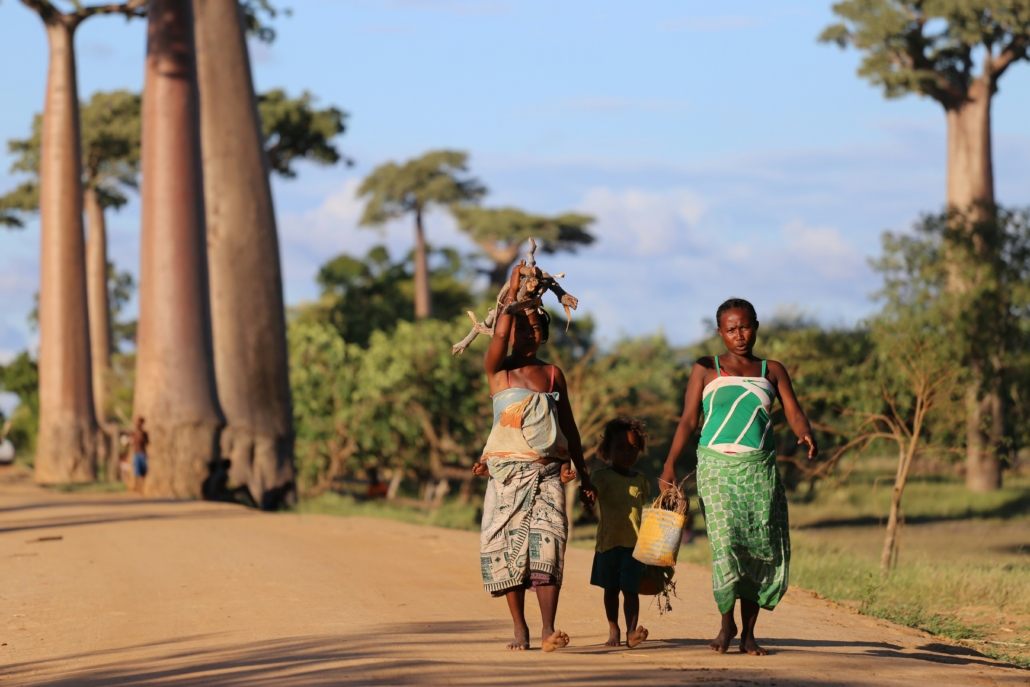 Madagascar is a unique and vibrant environment that contains some of the most exotic creatures in the world and the people are just as fascinating as the animals; they embrace nature and live off the land. But in contrast to the rich nature and culture, food security and living conditions in Madagascar are far from ideal for most of the population.
Despite Madagascar’s unparalleled biodiversity, factors such as deforestation, changing weather patterns, natural disasters and poor economic conditions have ravaged the land. Around 71% of Madagascar’s population lives below the poverty line. However, through new projects and initiatives, there have been plenty of innovations in the journey to eradicate poverty in the country. Here are three recent innovations in poverty eradication in Madagascar.
A New Scientific Approach To Increasing Food Availability
Poverty in Madagascar is harming wildlife as much as the people, especially the coral reefs. Overfishing has immensely decreased the fish population, which has left algae unchecked. Without fish to control the algae, it has overgrown the reefs and corals. Without the coral reefs, the fish lose their habitat where they sleep, eat and find protection from predators.
But scientists now have a new, creative solution to tackle this issue. Emma Gibbons is the Executive Director of Reef Doctor, a U.K.-based nonprofit stationed in southwest Madagascar. Gibbons and Reef Doctor are leading a team that aims to increase the fish population by building coral reefs in the Bay of Ranobe. Here is how they do it:
First, the team drops large pieces of limestone into the water. Then, they plant stacks of flat stones called ARMS (autonomous reef monitoring structures) in real coral reefs to accumulate coral, sponges, algae and other reef life. Then, they move the ARMS to the constructed reefs, and the life begins to spread.
As of October 2025, Emma Gibbons’ team has successfully constructed two of these artificial reefs. Evaluations of these reefs detected hundreds of species thriving within them. The reefs have accumulated life, helping sea life repopulate and bringing more food to the people of Madagascar.
Reef Doctor’s work in Madagascar has created hope for those living on the coast, because for these people, fishing is life. Without as many fish to catch, more than 50,000 fishers are left with a shortage of food and income. This is disastrous for the economy, too; fishing on the coastline of Madagascar produces 5-7% of the national GDP. While this issue persists, Reef Doctor’s work is still an extremely positive development in the fight for poverty eradication in Madagascar.
Gfoundation Prepares To Dispatch Surgeons To Aid in Health Crisis
Gfoundation is a nonprofit organization founded in South Korea to partner up with churches and local organizations across the globe to take on global issues like poverty. Since 2019, they have worked in developing countries like Ethiopia, Mongolia, Namibia and Madagascar to distribute goods, offer education, and provide free health care to those who need it the most.
Gfoundation’s most notable work in Madagascar is its Doctors for Doctorless Program (D4D), which targets Madagascar’s health care crisis. Dr. Jae-Hoon Lee is a surgeon with an extensive resume of activism work in Madagascar, and he is the one responsible for the D4D program, a three-year initiative developed for the Madagascar Government.
This program involves sending qualified doctors and surgeons to underprivileged communities to ensure citizens are no longer dying in preventable ways. These doctors will primarily focus on reducing deaths from appendicitis and C-sections. So far, Dr. Jae-Hoon has worked with the National Institute of Public and Community Health (INSPC) to turn this program from an idea to a reality.
Currently, 20 D4D doctors are trained and ready to help the people of Madagascar, but Gfoundation is still seeking donations so they can purchase ultrasound machines, so these doctors are yet to be dispatched.
New Collaborative Methodology Aims To Improve Infrastructure
In 2024, Madagascar, in collaboration with Bhutan, Chile and Tonga, started development of the Global Methodology for Infrastructure Resilience Review. This methodology is a five-step framework for creating infrastructure that can resist poverty and natural disasters. A detailed game plan to strengthen infrastructure is a game-changer for Madagascar, because natural disasters are a huge cause of the high poverty rate. Madagascar’s infrastructure is hit with roughly $100 million USD worth of damage every year, and right now, the government cannot keep up with damage repair.
The five-step plan is as follows:
- Stakeholder Mapping: The most influential establishments in society map out a plan for improvement.
- Review of Policies: Rewrite obsolete regulations and incorporate more informed disaster relief strategies.
- Identify Vulnerabilities: Study the weakest points of the infrastructure and test potential new infrastructure.
- Principles for Resilient Infrastructure: Assess the current level of infrastructure resilience and create rules for implementing improvements.
- Developing a Plan: Use research and data collection to assign tasks and execute a plan.
This process was implemented in 2024 and rural developers in Madagascar have since use it to ensure that all new infrastructure is much more resilient to disasters.
Looking Ahead
Though conditions remain difficult for poverty-stricken communities across the globe, progress is occurring every day. These three examples are proof that poverty eradication in Madagascar is ever-progressing. Madagascar’s fascinating culture and diversity aren’t going anywhere as long as efforts stay diligent.
– Lucas Cain
Lucas is based in Pittsburgh, PA, USA and focuses on Good News and Technology for The Borgen Project.
Photo: Unsplash
