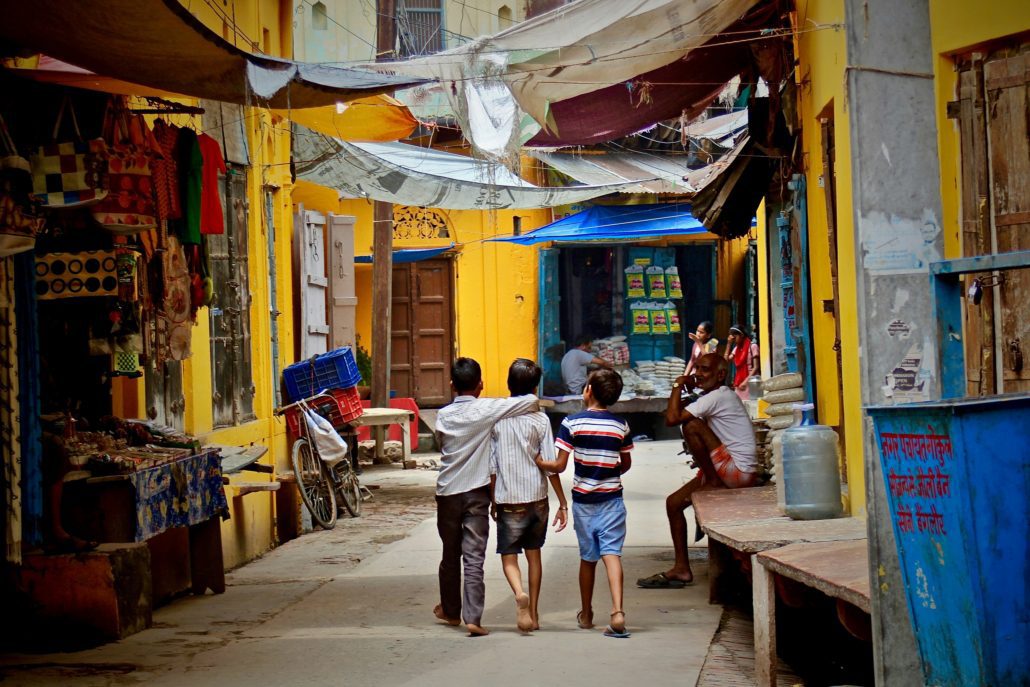
 India’s urbanization presents both urgent challenges and a rare opportunity. According to the World Economic Forum, about 70% of India’s urban infrastructure required by 2047 has yet to be built. This means decisions made now about buildings, transport, clean energy access and city planning will shape whether India’s cities grow in a way that is cleaner, more affordable and more resilient for low-income communities. Here is more information about clean energy access in India and what initiatives are in place to achieve it.
Clean Energy Access as a Lifeline
For families living on low or irregular incomes, reliable electricity affects daily life in practical ways. It determines whether children can study after dark, whether small businesses can operate equipment, whether households can stay cool during extreme heat and whether families can safely access lighting, fans and phone charging. Promoting clean energy access is therefore not only an environmental goal. It is also a poverty-reduction strategy that can support health, education and economic opportunity.
India has made major progress in household electrification, but energy access is also about reliability, affordability and quality. The Council on Energy, Environment and Water found that 96.7% of Indian households were connected to the grid, with another 0.33% relying on off-grid electricity sources. However, the same survey found that 76% of households faced unanticipated supply interruptions, while two-thirds of rural households and two-fifths of urban households faced outages at least once a day. A third of households also reported at least one supply-quality issue, such as long blackouts, low voltage or appliance damage due to voltage fluctuations. For low-income households, these gaps can make electricity less dependable and more costly to use.
Why Clean Energy Access Remains a Pressing Challenge in India
Clean energy access is especially important in Indian cities because urban growth is increasing demand for electricity, cooling, transport and municipal services. WRI India notes that the residential sector’s share of India’s total electricity consumption rose from 4% in 1997 to 24% in 2019. The report also explains that cities can improve resilience through clean energy and energy-efficiency investments in buildings, transport and municipal services, which can improve reliability and affordability.
For households in poverty, unreliable or expensive electricity can affect schoolwork, home-based work, safety and comfort during heat waves. Promoting clean energy access through energy-efficient buildings, rooftop solar, solar water heating, LED streetlights and better demand-side management can help cities reduce costs while improving public services. However, WRI India also notes that urban poor and low-income communities have often been missing from city energy-transition planning, making it important for cities to design clean energy programs with equity in mind.
Poverty in India
India has reduced poverty significantly, but millions of people still face overlapping challenges. According to a Press Information Bureau factsheet citing NITI Aayog estimates, multidimensional poverty in India declined from 29.17% in 2013-14 to 11.28% in 2022-23, with about 24.82 crore people, or 248.2 million people, escaping multidimensional poverty during that period. The multidimensional poverty index measures deprivation across 12 weighted indicators connected to health, education and standard of living.
For people still living in poverty, daily life can include insecure work, crowded housing, limited access to quality health care, difficulty paying for utilities and vulnerability to shocks such as illness, heat waves or lost income. In cities, low-income households may also face long commutes, unsafe walking conditions, exposure to air pollution and unreliable electricity. Improving clean energy access and affordable transport can reduce these burdens by lowering costs, improving reliability and connecting people more easily to jobs, schools and services.
Sustainable Transport
Transport affects poverty because commute time, travel cost and air pollution all influence access to jobs, education and health care. In many cities, people rely on buses, walking or informal transport to reach work and services. If public transport is overcrowded, polluting or unreliable, low-income residents can lose time and income.
A TERI policy brief on modernizing urban fleets in India’s million-plus cities found that transport exhaust is one of the major contributors to city-level air pollution. The report studied the phaseout of 11.4 million older vehicles across 44 major Indian cities. It estimated that this transition could save about 5,517 million liters of petrol and 45,467 million liters of diesel by FY 2035-36, with oil-import savings of about Rs. 9.17 lakh crore. Under a full EV replacement scenario, TERI projected a cumulative reduction of 61 million tonnes of CO2 equivalent between FY 2030-31 and FY 2035-36. The report also estimated that fleet modernization could generate about 373,479 jobs under Scenario 1 between 2030 and 2035.
These findings show how sustainable transport and clean energy access in India can work together. Electric fleets reduce pollution most effectively when supported by clean power, charging infrastructure and renewable energy sources such as rooftop solar. Cleaner fleets can improve air quality while helping low-income commuters reach work, school and health care more safely and reliably.
Data-Driven Infrastructure
Data-driven planning can help cities identify where clean energy, transport and infrastructure investments will have the greatest impact. WRI India explains that the ClimateSMART Cities Assessment Framework required Smart Cities to share data with the Ministry of Housing and Urban Affairs on 28 indicators across five sectors, including energy and buildings. This kind of reporting can help cities track clean energy and energy-efficiency actions, compare progress and identify gaps.
In practice, data can help city governments decide where to install LED streetlights, improve bus routes, expand EV charging, prioritize energy-efficient public buildings and support neighborhoods facing high heat or pollution exposure. However, data should also be used to identify underserved communities. Without that focus, clean energy projects may improve citywide performance while missing the households most affected by unreliable electricity, high transport costs and climate risks.
City Examples
Bengaluru has taken steps to expand clean energy and energy efficiency through municipal and utility-led action. WRI India reports that BESCOM installed grid-connected rooftop solar photovoltaic systems across 123 government buildings, including schools, bus depots and courts. BESCOM also set up 136 EV charging stations at 74 locations across Bengaluru. In addition, ClimateSMART Cities Assessment Framework data showed that Bengaluru had achieved 88% conversion of streetlights to LEDs by 2020-21. These measures can improve municipal energy efficiency, support cleaner transport and reduce energy pressure on public services residents rely on.
Delhi has focused on rooftop solar, EVs and energy-efficiency measures. WRI India reports that Delhi’s Solar Policy 2023 received approval in January 2024 with a target of 4,500 MW by 2027. The policy provides generation-based incentives and an additional capital subsidy for rooftop solar installations. It also mandates rooftop solar photovoltaic systems on government buildings with a built-up area of 500 square meters. Delhi has also prioritized electric vehicles: its EV Cell was established in March 2022, and Delhi became the first Indian state to exceed 10% EV share in the market in February 2022. These actions matter for low-income residents because cleaner transport and distributed energy can reduce pollution, improve public services and support more reliable urban mobility.
Pune has made measurable progress on rooftop solar, solar water heating, LED streetlights and electric buses. WRI India reports that the local DISCOM, MSEDCL, had facilitated 259.93 MW of rooftop solar projects in Pune City as of July 2023. Pune also had 72,821 buildings with solar water heaters as of 2022-23. The city replaced 90,000 luminaires through the Pune Smart Street Light project and achieved 100% conversion of conventional streetlights to LEDs. Pune Municipal Corporation is targeting a 15% reduction in electricity consumption through an ESCO model covering streetlights, wastewater treatment plants and other municipal operations. Pune’s public transport agency operated 458 e-buses as of December 2023. These actions show how city-level clean energy access and sustainable transport can improve services while reducing pollution and energy waste.
Why This Matters for Poverty Reduction
Clean energy access, sustainable transport and better planning can reduce poverty-related burdens in several ways. More reliable electricity helps households study, work and stay safe during heat waves. Energy-efficient public services can lower municipal energy waste and improve service reliability. Cleaner buses and EV infrastructure can reduce pollution while helping workers reach jobs, schools and health care. Data-driven planning can help cities direct resources toward underserved neighborhoods instead of only improving already well-served areas.
These investments should be designed with low-income communities at the center. WRI India notes that equity and inclusion have received limited attention in many city energy-transition actions, with the urban poor and low-income communities often missing from the energy-transition landscape. Addressing that gap is essential. When clean energy access reaches people facing poverty, it can support lower costs, better health, safer mobility and stronger resilience to climate shocks.
Pathway Forward
India’s future urban infrastructure can either deepen inequality and pollution or help build cleaner, more inclusive cities. By promoting clean energy access in India, modernizing public transport and using data to target investments toward underserved communities, Indian cities could reduce emissions while improving daily life for people in poverty. The key is to make clean energy access reliable, affordable and connected to the needs of low-income residents. If cities prioritize equity as they grow, India’s urban transition could become a pathway to cleaner air, better services and broader economic opportunity.
– Josephine Dokpesi
Josephine is based in the United Kingdom and focuses on Technology and Solutions for The Borgen Project.
Photo: Unsplash

7 Things To Know About Being Poor in Puerto Rico
1. Poverty’s Roots in US Colonialism
Conditions of poverty have roots in U.S. colonialism. After the United States acquired the territory in the 1898 Spanish-American War, Puerto Rico’s economy transformed into a sugarcane monoculture, primarily through colonial restructuring. U.S. corporations like South Porto Rico Sugar Company and Central Aguirre Sugar Company capitalized on inexpensive Puerto Rican land and labor, consolidating localized, biodiverse farms into massive, industrial sugarcane plantations to satisfy U.S. market demand. This shift led to Puerto Rico’s reliance on mainland U.S. food imports, whose costs were artificially inflated by the Jones Act (officially the Merchant Marine Act of 1920), which required that all goods shipped between U.S. ports be carried on U.S.-built, owned, and operated vessels. Initial colonial exploitation of Puerto Rican resources by the United States set a precedent for ongoing and aggravated conditions of poverty in the territory.
2. Poverty and Unemployment in Puerto Rico
At 43%, Puerto Rico has one of the lowest labor force participation rates in the world, according to The World Bank’s report for 2025. This is significantly lower than the United States, which the World Bank reported at 62%, and the global average of roughly 60%. According to Liberty Street Economics, the decline is “the consequence of an aging population, accelerated by a falling birth rate and outmigration of a relatively young cohort.” These vulnerabilities place considerable strain on the island’s economy, effectively limiting economic growth and increasing the likelihood that families will experience being poor in Puerto Rico.
3. Puerto Rico is the Poorest Jurisdiction of the US
Under the U.S. government’s definition of a persistently poor county as one having maintained poverty rates of 20% or more for at least 30 years, all 78 municipios (county equivalents) of Puerto Rico have experienced persistent poverty, and as The Center for Puerto Rican Studies at Hunter College has stated, have done so “for more than half a century.” Additionally, the poverty rate in Puerto Rico at 37.2% is disproportionately higher than that of even the poorest U.S. states. Mississippi, the poorest U.S. state, has a poverty rate of 14.3%, while Louisiana, the second poorest, has a rate of 14.1%. In contrast, Puerto Rico’s poverty rate is more than twice as high, demonstrating a level of economic hardship unmatched anywhere in the 50 states.
4. Cost of Living Burdens in Puerto Rico
Cost of living burdens in Puerto Rico are higher or as high as they are in U.S. states. The median household income in the United States for 2024 was $83,730, compared to $26,297 in Puerto Rico. It is important to note that this disparity does not reflect lower costs of living in Puerto Rico. The Congressional Research Service reported that, on average in the United States, 49.4% of renter households were housing cost-burdened in 2024, while in Puerto Rico, nearly 72% of renters were housing cost burdened, highlighting the substantial affordability challenges faced by many residents despite significantly lower incomes. Taken together, these figures demonstrate that Puerto Ricans often face both lower earnings and greater housing insecurity, increasing their risk of poverty.
5. Gentrification and the Displacement of Indigenous Puerto Ricans
U.S. citizens relocating to Puerto Rico has led to gentrification and the displacement of indigenous Puerto Ricans. Puerto Rico’s Act 60 (also known as the Incentives Code), which the Puerto Rican government enacted on July 1, 2019, is a comprehensive tax incentive program designed to attract investors, entrepreneurs and businesses to the island. It established a 0% tax on capital gains accrued after becoming a bona fide resident (both for Puerto Rico and U.S. federal taxes), a 100% tax exemption on dividends and interest sourced from Puerto Rico, and 75% exemption on property taxes for a primary residence. Over the combined 2022 and 2023 period, Business Insider reported that 50,577 Americans relocated to the island. This has led to significant and ongoing gentrification in the territory, along with the displacement of local Boricuas due to increasingly unaffordable housing and diminishing purchasing power.
6. Economic Development Policies in PR
The exhausted state of economic development policies in Puerto Rico has critically affected conditions of poverty. Puerto Rico’s persistently high poverty rate has also been exacerbated by the failure of existing economic development policies to generate sufficient employment opportunities. For decades, the territory relied on an export-oriented economic model supported by federal tax incentives that encouraged U.S. corporations to invest and create jobs. However, the expiration of Section 936 of the Internal Revenue Code in 2006 removed many of these incentives, contributing to a prolonged economic decline from which Puerto Rico has yet to fully recover. Subsequent federal interventions, particularly the PROMESA fiscal oversight board established in 2016, imposed austerity measures that reduced public spending and disproportionately affected low-income residents. As economic growth stagnated and job creation lagged, poverty remained deeply entrenched across the island.
7. Federal Funding Parity and Political Self-Determination
Federal funding parity and political self-determination in the focus of active legislative efforts in the 119th Congress could incite positive change. Several initiatives in the 119th Congress seek to address both the structural causes and the urgent realities of being poor in Puerto Rico. The Puerto Rico Nutrition Assistance Fairness Act (H.R. 5168/S. 3958) would extend SNAP benefits to the territory, reducing disparities in federal nutrition assistance and strengthening support for low-income families.
The Puerto Rico Status Act would establish a binding process for Puerto Ricans to determine the island’s future political status, potentially giving residents a stronger voice in federal decision-making and greater influence over policies affecting economic development and public welfare. Additionally, ongoing efforts to reform PROMESA seek to restore greater fiscal authority to Puerto Rico’s elected government and reduce reliance on federally imposed austerity measures. These initiatives aim to provide both immediate economic relief and greater local control over the policies that shape conditions of life in Puerto Rico.
Looking Ahead
Poverty in Puerto Rico is not the result of a single issue, but rather a combination of historical, economic and political factors that have compounded over generations. As Congress considers measures such as the Puerto Rico Nutrition Assistance Fairness Act, reforms to PROMESA and the Puerto Rico Status Act, policymakers have an opportunity to address both the immediate needs of Puerto Rican families and the structural conditions that sustain poverty. Continued advocacy and legislative action will be essential to creating a more equitable future for the island.
– Nilani Mathur
Photo: Pixabay
Promoting Clean Energy Access in India
Clean Energy Access as a Lifeline
For families living on low or irregular incomes, reliable electricity affects daily life in practical ways. It determines whether children can study after dark, whether small businesses can operate equipment, whether households can stay cool during extreme heat and whether families can safely access lighting, fans and phone charging. Promoting clean energy access is therefore not only an environmental goal. It is also a poverty-reduction strategy that can support health, education and economic opportunity.
India has made major progress in household electrification, but energy access is also about reliability, affordability and quality. The Council on Energy, Environment and Water found that 96.7% of Indian households were connected to the grid, with another 0.33% relying on off-grid electricity sources. However, the same survey found that 76% of households faced unanticipated supply interruptions, while two-thirds of rural households and two-fifths of urban households faced outages at least once a day. A third of households also reported at least one supply-quality issue, such as long blackouts, low voltage or appliance damage due to voltage fluctuations. For low-income households, these gaps can make electricity less dependable and more costly to use.
Why Clean Energy Access Remains a Pressing Challenge in India
Clean energy access is especially important in Indian cities because urban growth is increasing demand for electricity, cooling, transport and municipal services. WRI India notes that the residential sector’s share of India’s total electricity consumption rose from 4% in 1997 to 24% in 2019. The report also explains that cities can improve resilience through clean energy and energy-efficiency investments in buildings, transport and municipal services, which can improve reliability and affordability.
For households in poverty, unreliable or expensive electricity can affect schoolwork, home-based work, safety and comfort during heat waves. Promoting clean energy access through energy-efficient buildings, rooftop solar, solar water heating, LED streetlights and better demand-side management can help cities reduce costs while improving public services. However, WRI India also notes that urban poor and low-income communities have often been missing from city energy-transition planning, making it important for cities to design clean energy programs with equity in mind.
Poverty in India
India has reduced poverty significantly, but millions of people still face overlapping challenges. According to a Press Information Bureau factsheet citing NITI Aayog estimates, multidimensional poverty in India declined from 29.17% in 2013-14 to 11.28% in 2022-23, with about 24.82 crore people, or 248.2 million people, escaping multidimensional poverty during that period. The multidimensional poverty index measures deprivation across 12 weighted indicators connected to health, education and standard of living.
For people still living in poverty, daily life can include insecure work, crowded housing, limited access to quality health care, difficulty paying for utilities and vulnerability to shocks such as illness, heat waves or lost income. In cities, low-income households may also face long commutes, unsafe walking conditions, exposure to air pollution and unreliable electricity. Improving clean energy access and affordable transport can reduce these burdens by lowering costs, improving reliability and connecting people more easily to jobs, schools and services.
Sustainable Transport
Transport affects poverty because commute time, travel cost and air pollution all influence access to jobs, education and health care. In many cities, people rely on buses, walking or informal transport to reach work and services. If public transport is overcrowded, polluting or unreliable, low-income residents can lose time and income.
A TERI policy brief on modernizing urban fleets in India’s million-plus cities found that transport exhaust is one of the major contributors to city-level air pollution. The report studied the phaseout of 11.4 million older vehicles across 44 major Indian cities. It estimated that this transition could save about 5,517 million liters of petrol and 45,467 million liters of diesel by FY 2035-36, with oil-import savings of about Rs. 9.17 lakh crore. Under a full EV replacement scenario, TERI projected a cumulative reduction of 61 million tonnes of CO2 equivalent between FY 2030-31 and FY 2035-36. The report also estimated that fleet modernization could generate about 373,479 jobs under Scenario 1 between 2030 and 2035.
These findings show how sustainable transport and clean energy access in India can work together. Electric fleets reduce pollution most effectively when supported by clean power, charging infrastructure and renewable energy sources such as rooftop solar. Cleaner fleets can improve air quality while helping low-income commuters reach work, school and health care more safely and reliably.
Data-Driven Infrastructure
Data-driven planning can help cities identify where clean energy, transport and infrastructure investments will have the greatest impact. WRI India explains that the ClimateSMART Cities Assessment Framework required Smart Cities to share data with the Ministry of Housing and Urban Affairs on 28 indicators across five sectors, including energy and buildings. This kind of reporting can help cities track clean energy and energy-efficiency actions, compare progress and identify gaps.
In practice, data can help city governments decide where to install LED streetlights, improve bus routes, expand EV charging, prioritize energy-efficient public buildings and support neighborhoods facing high heat or pollution exposure. However, data should also be used to identify underserved communities. Without that focus, clean energy projects may improve citywide performance while missing the households most affected by unreliable electricity, high transport costs and climate risks.
City Examples
Bengaluru has taken steps to expand clean energy and energy efficiency through municipal and utility-led action. WRI India reports that BESCOM installed grid-connected rooftop solar photovoltaic systems across 123 government buildings, including schools, bus depots and courts. BESCOM also set up 136 EV charging stations at 74 locations across Bengaluru. In addition, ClimateSMART Cities Assessment Framework data showed that Bengaluru had achieved 88% conversion of streetlights to LEDs by 2020-21. These measures can improve municipal energy efficiency, support cleaner transport and reduce energy pressure on public services residents rely on.
Delhi has focused on rooftop solar, EVs and energy-efficiency measures. WRI India reports that Delhi’s Solar Policy 2023 received approval in January 2024 with a target of 4,500 MW by 2027. The policy provides generation-based incentives and an additional capital subsidy for rooftop solar installations. It also mandates rooftop solar photovoltaic systems on government buildings with a built-up area of 500 square meters. Delhi has also prioritized electric vehicles: its EV Cell was established in March 2022, and Delhi became the first Indian state to exceed 10% EV share in the market in February 2022. These actions matter for low-income residents because cleaner transport and distributed energy can reduce pollution, improve public services and support more reliable urban mobility.
Pune has made measurable progress on rooftop solar, solar water heating, LED streetlights and electric buses. WRI India reports that the local DISCOM, MSEDCL, had facilitated 259.93 MW of rooftop solar projects in Pune City as of July 2023. Pune also had 72,821 buildings with solar water heaters as of 2022-23. The city replaced 90,000 luminaires through the Pune Smart Street Light project and achieved 100% conversion of conventional streetlights to LEDs. Pune Municipal Corporation is targeting a 15% reduction in electricity consumption through an ESCO model covering streetlights, wastewater treatment plants and other municipal operations. Pune’s public transport agency operated 458 e-buses as of December 2023. These actions show how city-level clean energy access and sustainable transport can improve services while reducing pollution and energy waste.
Why This Matters for Poverty Reduction
Clean energy access, sustainable transport and better planning can reduce poverty-related burdens in several ways. More reliable electricity helps households study, work and stay safe during heat waves. Energy-efficient public services can lower municipal energy waste and improve service reliability. Cleaner buses and EV infrastructure can reduce pollution while helping workers reach jobs, schools and health care. Data-driven planning can help cities direct resources toward underserved neighborhoods instead of only improving already well-served areas.
These investments should be designed with low-income communities at the center. WRI India notes that equity and inclusion have received limited attention in many city energy-transition actions, with the urban poor and low-income communities often missing from the energy-transition landscape. Addressing that gap is essential. When clean energy access reaches people facing poverty, it can support lower costs, better health, safer mobility and stronger resilience to climate shocks.
Pathway Forward
India’s future urban infrastructure can either deepen inequality and pollution or help build cleaner, more inclusive cities. By promoting clean energy access in India, modernizing public transport and using data to target investments toward underserved communities, Indian cities could reduce emissions while improving daily life for people in poverty. The key is to make clean energy access reliable, affordable and connected to the needs of low-income residents. If cities prioritize equity as they grow, India’s urban transition could become a pathway to cleaner air, better services and broader economic opportunity.
– Josephine Dokpesi
Photo: Unsplash
Top 5 Projects Supporting Female Empowerment in Laos
History of Gender Inequality
While Laos ranks 137 out of 189 on the Human Development Index, it improves on the Gender Inequality Index, ranking 113 out of 162 countries. The Global Gender Gap Report places Laos 36 out of 156 in 2021, yet the country falls to 112th for education, revealing how uneven progress can be.
On the legislative side, the picture of female empowerment in Laos looks more promising. The World Bank’s Women, Business and the Law index scores Laos at 88.1 out of 100, above the regional average. However, legal frameworks do not always translate into lived equality. Women earn only 77% of men’s average monthly income and are far more likely to work as unpaid family laborers. Although women own 43% of businesses partly or fully, most still operate in the informal work economy, where there is limited social protection. Further, women work 1.3 hours longer per day than men on average.
The representation of women in Lao politics tells a similar story. Women hold only 21.9% of seats in the National Assembly, a decline from 27.5%, and fewer than 3% of village chiefs in rural areas are women. Culturally, early marriage remains widespread, with one-third of Lao women marrying before the age of 18 and one-tenth before the age of 15. More concerning, 30.3% of ever-partnered women have experienced physical, sexual or emotional violence, with almost half of survivors not reporting abuse due to stigma and fear.
The 2018 Global Slavery Index found that approximately 62,000 people live in modern slavery across Laos, with traffickers moving 90% of victims between Laos and Thailand, where girls ages 12 to 18 make up the majority of cases. Laos has passed several laws aimed at supporting female empowerment, including the 2014 Law on Preventing and Combatting Violence Against Women and Children and the 2019 Law on Gender Equality. However, gaps still persist, and this is where on-the-ground projects become essential.
Projects Supporting Female Empowerment in Laos
One forward-looking initiative advancing female empowerment in Laos is the Women’s Economic Inclusion through E-Commerce project. Developed in partnership with the Institute of Industry and Commerce, the project embeds gender equality, disability and social inclusion principles into digital trade. In a country where women remain concentrated in informal, low-skill work, access to digital markets can be transformative. The project has already trained 64 women across Laos in online selling and customer engagement, tackling both the symptoms and root causes of women’s economic exclusion.
Launched in November 2025, backed by the Australian government and implemented by U.N. Women and the United Nations Development Programme (UNDP), WE RISE TOGETHER 2.0 is a four-year regional initiative that focuses on the power of community by supporting women’s economic empowerment. In many parts of rural Laos, women rely on informal networks for support and advice. This initiative strengthens those networks by bringing women together to share knowledge, build confidence and collectively address local challenges. WE RISE TOGETHER 1.0 achieved considerable success, training 467 women-owned businesses in Vietnam alone, and the second program continues to build on that momentum.
In January 2026, the Lao Women’s Union and The Asia Foundation launched the project titled “Strengthening the LWU in Amplifying the ASEAN Regional Plan of Action on Women, Peace and Security.” This forms part of The Asia Foundation’s broader regional AMPLIFY program, operating across 80 villages in eight districts across Bokeo and Savannakhet provinces. It aims to promote women’s leadership in conflict prevention and resolution, strengthen village-level conflict resolution committees and security units and support research and knowledge generation.
Action Education launched the GEVEE project in 2023, aiming to boost entrepreneurship and employment for women, particularly those from ethnic minorities. The program uses vocational training, entrepreneurial education, small grants and mentoring workshops. So far, the GEVEE project has reached 986 women from rural and ethnic backgrounds, including 116 secondary school girls. GEVEE’s three-year cycle demonstrates that long-term sustained support can transform entire communities.
Finally, the Westminster Foundation for Democracy (WFD) has been empowering women in political leadership roles. Between February 2024 and April 2025, WFD ran the program “Strengthening parliamentary oversight and promoting women’s political leadership in Laos,” working to increase the capacity of women representatives at the national level. WFD also recently ran “CEGGA II Extension Program – Strengthening Accountability in Laos,” which supported female candidates in the election earlier this year. Women subsequently increased their share of seats to 29.7%, up from 21.9% in 2021.
Looking Ahead
While women in Laos face inequality and economic obstacles, these projects are giving women access to skills, platforms and opportunities. Legal frameworks provide a foundation, but the collective action of these initiatives drives real change. With continued investment and community-focused action, Laos is moving steadily toward a more equal future.
– Helen Turnbull
Photo: Flickr
Efforts To Close the Gender Wage Gap in Antigua and Barbuda
Limited data makes it difficult to measure the full extent of the gender wage gap in Antigua and Barbuda. According to UN Women, many gender-related labor indicators remain unavailable, highlighting the need for stronger data collection and analysis. As a result, researchers cannot calculate a comprehensive national gender wage gap figure. However, existing research suggests that women continue to face barriers in employment and income generation.
Unemployment and Poverty
A country gender assessment that the Caribbean Development Bank (CDB) conducted found that women often experience higher unemployment rates and remain unemployed for longer periods than men. The assessment also noted that women remain concentrated in certain sectors of the economy, which can limit earning potential and career advancement. These challenges can affect household income and increase financial vulnerability, particularly for women who serve as primary caregivers or heads of household.
Economic inequality can contribute to poverty by reducing access to stable income, savings and business opportunities. When women earn less or face barriers to employment, families may have fewer resources for education and health care. Addressing these challenges can strengthen economic growth while improving living standards for communities throughout the country.
Promoting Gender Equality
The government addresses gender inequality through the Directorate of Gender Affairs. The agency promotes gender equality and the integration of gender considerations into national policies and programs.
The Directorate of Gender Affairs supports initiatives that encourage economic participation and leadership opportunities for women. Its work includes advocacy and partnerships with local and international organizations. By incorporating gender-responsive planning into development strategies, policymakers can help ensure that economic growth benefits women as well as men.
The government has strengthened institutional support for gender equality through collaboration with regional and international partners. These efforts create more inclusive opportunities in employment and entrepreneurship.
The Expansion of Entrepreneurship and Vocational Training
One promising solution to the gender wage gap in Antigua and Barbuda involves expanding entrepreneurship and vocational training opportunities for women. The Gilbert Agricultural and Rural Development Center (GARD Center) has played an important role in this effort through its Young Women’s Empowerment Project.
The European Union provided approximately $1.3 million to support the project, which targeted more than 200 vulnerable women ages 35 and younger. The initiative provided vocational training and business development support designed to increase participants’ earning potential.
The program produced measurable results. According to the GARD Center, 132 women completed vocational training while 88 women completed entrepreneurship training. Participants gained skills in information technology and other fields that can provide higher earning opportunities than traditional employment sectors for women.
The project also established a Business Development Unit (BDU) that helped participants develop business plans and connect with financing opportunities. By supporting entrepreneurship and workforce development, the initiative helped women build sustainable sources of income while strengthening local economic resilience.
Looking Ahead
The gender wage gap in Antigua and Barbuda remains an important development issue, but continued investment in women’s economic empowerment offers reasons for optimism. Government agencies and nonprofit organizations have expanded opportunities for education, workforce training and entrepreneurship. These initiatives help women strengthen their earning potential and contribute to economic growth.
As Antigua and Barbuda continues to improve gender data collection and strengthen economic inclusion programs, more women may gain access to higher-paying careers and business opportunities. These efforts can help reduce poverty and support long-term economic growth. By investing in women’s success, Antigua and Barbuda continues to build a more inclusive and prosperous future for all.
– Archie Monton-Black
Photo: Flickr
Digital Family Card in Kazakhstan: Solving Poverty with Technology
How the Digital Family Card Works
The Digital Family Card in Kazakhstan is a government technology tool that helps identify families who may qualify for social support. The project emerged from joint work between Kazakhstan’s Ministry of Labor and Social Protection of the Population and the United Nations Development Programme (UNDP). Instead of making every family search for programs on their own, the system uses official data to help the government understand which families may be at risk.
UNDP says the Digital Family Card offers more than 30 services that people can access automatically, without needing to apply. This is important because vulnerable families may not always know what support exists or how to request it. UNDP also says the project focuses on groups such as single mothers raising more than three children, families with disabled members and orphaned children.
A System Built Around Family Needs
The Digital Family Card in Kazakhstan does not work like a regular plastic card. It functions more like a digital profile that helps the government understand a family’s situation. The International Telecommunication Union (ITU) says the system uses a scoring model of family well-being with 120 parameters from more than 20 data sources. These include areas such as social and economic conditions, education, health and housing.
This kind of system can make social assistance more targeted. For example, a family may need help because of low income, disability, unemployment or another difficult situation. The Digital Family Card can help the government see these risks earlier and connect people to support. ITU also explains that the system uses anonymized data for analytics, which helps protect personal information while still allowing the government to make decisions based on strong data.
From Pilot Program to Social Support Tool
Kazakhstan started testing the Digital Family Card in 2022. According to the official website of the Prime Minister of Kazakhstan, the Ministry of Labor launched the card in pilot mode for nine types of benefits and social payments. The plan included using the card to provide state guarantees in social protection, health care and education.
The Digital Family Card in Kazakhstan later became part of the country’s wider social policy. UNDP says Kazakhstan included the project in its Social Code. The system now has information on more than 6 million families. This information helps the government plan spending and deliver social assistance more accurately, using real-time data.
Making Benefits Easier to Access
One major goal of the Digital Family Card in Kazakhstan is to make government support easier to receive. UNDP explains that the system can assess family vulnerability without citizens needing to take the first step. If a person may qualify for support, the system can send an SMS asking for consent. If the person agrees, the social benefit, payment or other type of support can go directly to the person’s bank account.
This matters for people who may not have strong access to government internet platforms. Some families may live far from public offices, lack digital skills or not know which benefits match their situation. A text-message system can reduce confusion and make the process easier. It also helps the government reach people before their problems become more serious.
Recognized as a GovTech Solution
The Digital Family Card has received some recognition. In February 2024, the project won the 2024 GovTech Prize at the World Government Summit in Dubai. It won in the “Inclusive Digital Transformation” category. UNDP says the award recognized the card as a tool that improves access to government support for vulnerable people.
Kazakhstan has continued to use the card as part of its social support system. In July 2024, the Prime Minister’s official website reported that the government planned to use the Digital Family Card platform to monitor the well-being of families in five categories, from emergency and crisis levels to satisfactory and prosperous levels. This helps local officials track whether families’ living conditions improve or worsen.
Looking Ahead
The Digital Family Card in Kazakhstan does not solve poverty. Families still face problems linked to rural inequality, children’s poverty and access to services. However, the card helps address one important issue: accessibility of families to know programs. By using data, SMS notifications and automatic services, Kazakhstan is making social support easier to access. For vulnerable families, this digital tool can address many of their issues instantly.
– Mateo Alcocer
Photo: Wikimedia Commons
Innovations in Poverty Eradication in the Marshall Islands
Poverty in the Marshall Islands
Poverty remains a major challenge in the Marshall Islands. Approximately 7.2% of the population lives below the national poverty line. Outmigration has increased, driven by economic hardship and climate-related pressures, and one-third of Marshallese citizens now live in the United States. According to the RMI’s 2021 census, the population declined by an average 2.3% annually over the previous decade due largely to outmigration.
The country also faces food insecurity, wealth inequality and limited access to health care. In response, the government and its partners are developing policies aimed at improving living conditions and creating opportunities for residents to remain in the islands.
Universal Basic Income
In 2025, the Marshall Islands launched ENRA, the world’s first long-term nationwide universal basic income program. The initiative provides annual cash payments to every Marshallese citizen living in the country, helping households manage rising living costs and reducing pressure to migrate abroad.
More than 33,000 residents enrolled in the program, making it one of the largest national outreach efforts in the country’s history. By providing a reliable source of income and building a financial safety net, ENRA seeks to strengthen economic security for families while addressing poverty at a national scale. As the world’s first nationwide long-term universal basic income program, ENRA represents one of the most significant innovations in poverty eradication in the Marshall Islands to date.
Strengthening Food Security
Food security is another pressing concern. Arable land is limited, much of the natural environment has been damaged by nuclear testing and more than half of households reported that natural disasters had limited their livelihoods in the most recent census. The national diet relies heavily on imported, highly processed foods, with an estimated 80% to 90% of the country’s food supply coming from abroad.
To address this dependence, the International Organization for Migration (IOM), with support from the Government of Japan, launched a two-year initiative in 2026 to strengthen local food systems on Majuro and Wotje atolls. The project supports school gardens, nutrition education and improved food storage while promoting greater use of locally produced foods and fisheries. Efforts to strengthen local food production are another example of innovations in poverty eradication in the Marshall Islands, addressing both nutrition and economic resilience.
Renewable Energy for Economic Resilience
Innovations in poverty eradication in the Marshall Islands also take the form of renewable energy. Although the country achieved universal access to electricity in 2022, it remains heavily dependent on imported diesel fuel, which contributes to high energy costs.
To reduce this dependence, the RMI has partnered with the Asian Development Bank (ADB) and the World Bank to expand solar power, modernize electricity infrastructure and improve energy storage systems. These investments are expected to lower energy costs, strengthen energy security and increase resilience to climate-related disruptions.
In low-lying nations like the RMI, extreme weather is a key driver of poverty. An estimated 1.7% of RMI GDP is lost annually to typhoons and tsunamis. Through the Pacific Resilience Project II, supported by the Green Climate Fund and the World Bank, the Marshall Islands is improving coastal protection, disaster preparedness and early warning systems. These measures help reduce the economic losses caused by extreme weather events, which can undermine development progress and deepen poverty.
Looking Ahead
Innovations in poverty eradication in the Marshall Islands demonstrate how even small island nations can develop ambitious solutions to complex challenges. While the changing climate, geographic isolation and economic vulnerability remain significant obstacles, innovations in poverty eradication in the Marshall Islands, such as investments in income security, local food production and renewable energy, are helping build long-term resilience. These efforts offer a model for how targeted policies can reduce poverty while preparing communities for an uncertain future.
– Anna Morin
Photo: Flickr
Agrarian Initiatives Aiding Poverty Eradication in Kyrgyzstan
Kyrgyzstan Under the USSR
As a constituent republic of the USSR, the former Kirghiz Soviet Socialist Republic experienced rapid industrialization, modernization and, most pertinently, the collectivization of agriculture under the Stalinist “5 year plan.” A USSR Republican Committee targeted Kyrgyz nomads, focusing upon their settlement on collectivized land, while the large influx of Russian migrants were also given land to cultivate. The proportion of native Kyrgyz in Kyrgyzstan dropped to a total of 40% of the population by 1959.
Tensions and sporadic paroxysms of violence exacerbated by collectivization, migration and food scarcity generated emigration to neighboring China and towards urban hubs in Kyrgyzstan. The collapse of the Soviet Union in 1991 produced partial de-industrialization across Central Asia; many of the industrial enterprises lost their previous markets. Between 1991 and 1999, agricultural employment increased exponentially by almost 20%, with 41.44% of total employment coming from the agricultural sectors. The industrial and manufacturing opportunities once available under the USSR ceased to exist.
A Return to the Sickle
Henceforth, agriculture has endured as a major contributor to GDP. About 30% of the country’s workforce remain in agricultural industries, many of whom are dependent on farming for social security. Across Kyrgyzstan, smallholder farms produce the majority of goods using traditional methods to minimize costs. Agricultural endeavors remain laborious and time-consuming with low productivity. In order to reach the SDG 2, which is the goal of zero hunger and improved nutrition, initiatives such as the WFP-GAFSP operate by providing smallholder farmers with the equipment to increase food security. The installation of greenhouses, with drip irrigation systems, has markedly improved the agricultural landscape for these farmers. Such programs have taken positive, innovative steps towards poverty eradication in Kyrgyzstan. With only 12% of Kyrgyzstan’s land being arable and water scarcity becoming an increasingly pressing issue, such initiatives help provide technology and high-quality seeds to produce more hardy crop yields.
Yet, crop farming is only one side of the coin in Kyrgyzstan. Alongside crop cultivation exists the 1.7 million cattle and 6.3 million sheep and goats which generate milk, cheese and meat for trade and for subsistence. In order to truly eradicate poverty in Kyrgyzstan, innovations must tackle both aspects of agrarian activity. Many individuals rely on these animals and yet, as the IFAD cautions, the chains of value of produce and the animals themselves are severely underdeveloped. The reasons for this are complex and varied: the harsh and inhospitable climate, the lack of pastures and nutritious fodder to graze the animals upon which intersects with the hardships of immobility for herders due to disputes over land rights. Changing weather patterns loom to compound upon such issues, bringing with it new livestock pests and diseases. As such, initiatives require a holistic approach.
Herd Mentality: Improving Livestock Productivity
Between 2014-2021, the IFAD’s Livestock Market Development Programme II (LMDP II) addressed improving the productivity of the animals. The initiative interacted directly with the threat of pasture degradation. Simply increasing the number of livestock would lead to an increase in unsustainable grazing practices. Therefore, the initiative targeted the productivity of the animals themselves in an effort to improve these chains of value.
With 3,000 households and 157 pasture committees included, the initiative successfully increased the value of livestock production by 69%, resulting in a 25% poverty eradication amongst these communities Kyrgyzstan. The LMDP II included research into cattle breeding, introducing affordable artificial insemination accessible to smallholder farmers. The focus fell upon high-quality breeds in terms of milk productivity, combining them with local Alatoo breeds, maintaining the herds’ durability living in the harsh and variable climatic conditions of Kyrgyzstan. Knowledge hubs across Kyrgyzstan, generated through the program, continue to innovate, increasing animal productivity and thus, continue to decrease poverty in pastoral communities.
In combination with increasing the productivity of livestock, the LMDP II and the Ministry of Agriculture in Kyrgyzstan worked to improve animal health. The motorcycle initiative provided 630 motorcycles to veterinarians as a cost-effective way to navigate the winding mountainous terrain, increasing the accessibility of veterinarian services, even in the most remote locations. The Kyrgyzstan National Agrarian University – supported by LMPD and LMPD II – has bolstered this effort to make animal healthcare accessible. More than 100 students have received scholarships to study veterinary science and the number of veterinarians has almost doubled between 2013 and 2018.
A Vision of the Future
Such collaborative effort works towards producing healthier and thus, more productive animals which will increase incomes for herders and smallholder farmers. By producing a stronger knowledge hub to support the greatly important agrarian activity in Kyrgyzstan, rural communities will become increasingly resistant in the face of future threats posed to their industry. Continued innovations only prove that the quality of life in Kyrgyzstan is destined for greener pastures.
– Millie Lavington-Owen
Photo: Unsplash
Child Welfare Program in Buenos Aires
In December 2025, data reported that 28% of the city’s population lives in poverty. Many of those attending the child welfare program in Buenos Aires also experience additional challenges such as domestic violence, exposure to drugs and neglect. A safe and positive environment offers them a much-needed sanctuary.
How Was It Founded?
In December 2013, Argentinian Valeria Taraborelli and New Zealander Ben Whittaker founded Le Sartén por el Mango. They wanted to set up a community kitchen to provide children with nutritious meals and artistic activities to support their well-being. The Borgen Project spoke to Soledad Arce, the head coordinator of Le Sartén, about her work at the center. Arce has worked there as an art teacher and progress facilitator since 2014. She took over from Taraborelli and Whittaker in 2021, and Le Sartén became part of the Citizen Construction scheme of the Arché Foundation. This seeks to foster community and welfare in Monte Chingolo, the neighborhood in which the center is based.
About the Center
The team running the child welfare program in Buenos Aires is made up of both permanent workers and short-term volunteers. They run activities such as gardening, cooking, sports, academics and arts and crafts, as well as providing emotional support. Arce spoke of the vulnerability of the children. She wants to give the attendees a space where they can “experience a different reality” and stressed the importance of the program because “everyone deserves the opportunity to live well and develop to their full potential.”
When asked about a typical day at the center, Arce remarked that no such thing exists. She emphasized the strive to establish routine while balancing the unexpected. “The children are going through difficult situations with their families. Sometimes they come very angry, other times they cry, and other times they are very quiet,” Arce said. To manage this, she ensures she has an overview of everything so she can prioritize what is most important. She consistently checks in with her colleagues, the kitchen, volunteers, the children and their families to ensure everything runs as smoothly as possible.
At the end of each day, Arce and her team evaluate the activities they put on to ensure they are tailored to the needs of the children currently at the center. Limited time and resources make this even more important. They must be flexible and willing to adapt to make sure everything they do is purposeful and deliberate.
The child welfare program in Buenos Aires used to be funded by the profits of a café Whittaker ran while in Australia. That has since closed, and they rely solely on fundraising events and monthly sponsors to keep up with growing attendance and inflation. Arce expressed her anxieties about the decreasing quality of food, activities and care they can offer the children and her desire to pay the hardworking staff better wages. Speaking on one of the many issues they face, Arce pointed out that they have only two shovels between 30 children, making group tasks in the garden nearly impossible. “We have to do a lot with very little,” she said.
The center witnesses many happy times. Arce spoke of positive experiences she has had with the children who attend. “The hugs, the laughter, and their achievements make it all worthwhile,” she commented. She described Le Sartén as a “refuge” that empowers her children to strive for a better life. She spoke of her awe of the children who have the strength to navigate so many difficult issues.
When asked about her favorite memory, Arce talked about La Sartén’s 10th anniversary in 2023. She invited past attendees and they reminisced about happy moments they had at the center. Arce saw firsthand the long-lasting impact the program has on whoever comes through its doors. It was “among the most deeply moving experiences I have had,” Arce expressed.
Looking Ahead
In the future, Arce hopes to expand the child welfare program in Buenos Aires. She hopes to build more classrooms and even open centers in new locations. This year, she is focusing on further fundraising efforts to ensure this vital work can last long into the future.
– Louise Nethercott
Photo: Le Sartén por el Mango
Poverty Reduction in Taiwan
On the ground, however, working people are just trying to get by. Recently, both the government and local NGOs have been advocating for further poverty reduction in Taiwan.
Homelessness
While a 2023 TVBS news report states that the island holds a little more than 3,000 unhoused individuals, this is likely an understatement, as based on a Taiwan News piece, reports on poverty levels have historically been underreported. About 80% of homeless individuals actually work full- or part-time, but on average only bring in around $5,000 NTD per month.
The Working Poor
Similarly, Taiwan’s 2018 Low-income and Middle-income Family Living Condition Survey relayed that 70% of the poor population worked full-time, dead-end jobs. The Taiwan Social Welfare League reported officially that only 2.6% of the population was living beneath the poverty line, but 9% of people surveyed told the NGO that they believed they were actively impoverished.
In addition, studies have shown that the majority of impoverished households in Taiwan are single woman-led. Female-headed households under the poverty line actually jumped from 91,000 in 2013 to 110,000 in 2023. Gender-based wage gaps plague the Taiwanese workforce, seriously impacting women’s finances. Taiwanese feminist NGOs such as the Awakening Foundation have been advocating for gender equality in the workplace since the 1970s, pushing for more active enforcement of the Gender Equality in Employment Act. Lately, however, even more is being done on the part of the government for poverty reduction in Taiwan.
Good News in Government Assistance
While a 2021 study cited poverty issues stemming from the long list of prerequisites needed to apply for and receive government welfare, in late 2025, using national surplus money, Taiwan decidedly began practicing Basic Income initiatives. It provided cash handouts to every single citizen and eligible foreign resident, the latest provision a whopping $10,000 NTD, double the average monthly wage of homeless persons in Taiwan.
How an NGO Cares for Taiwan’s Homeless
To address homelessness, in 2011, a group of Taiwanese social workers came together to found the Homeless Taiwan Association. On top of providing basic outreach initiatives like handing out food and supplies to those on the street, Homeless Taiwan has built four transitional shelters, affordable urban housing units and hygienic shower centers for unhoused people. The organization also facilitates vocational training for those in need of work experience to further disrupt the cycle of homelessness and actively reduce poverty for Taiwanese people.
For its “Hidden Taipei” initiative, Homeless Taiwan hires ex-homeless individuals to give city tours to volunteers, highlighting the life stories of houseless people and how deeply intertwined the impoverished experience is with urban environments. Since the program’s genesis in 2014, “Hidden Taipei” tours and educational programs led by ex-homeless individuals have numbered in the hundreds, further destigmatizing and bringing to light the life of homeless people in Taiwan’s capital city.
Looking Ahead
For the average worker, Taiwan’s profits have often floated near the ceilings of the economy and have never “trickled down.” But recently, things like Basic Income initiatives have become a meaningful tribute to the means of production.
When paired with efforts from organizations like Homeless Taiwan, it is clear that Taiwan is becoming increasingly aware of its wealth gap, and is working to solve these issues through advocacy, fair wealth distribution, and assisting its homeless population.
– Aren Lau
Photo: Unsplash
How UNICEF Is Ending Child Poverty in Bhutan
Child Poverty in Bhutan
Although Bhutan has reduced poverty over recent decades, disparities remain between urban and rural communities. According to UNICEF, 20.7% of children in Bhutan experience multidimensional poverty, meaning they face deprivations in areas such as education, health, housing or access to basic services. Children living in remote communities are often among the most affected, as distance and limited infrastructure can make it more difficult to access schools, health facilities and social support programs.
Poverty can affect children in multiple ways, from limiting access to early learning opportunities to reducing access to health care and nutrition services. To address these challenges, UNICEF collaborates with the Bhutanese government on initiatives that expand early childhood development programs, strengthen child health services and improve protection systems for vulnerable children.
Expanding Access to Early Childhood Development
Access to early childhood education remains a challenge for some families in Bhutan, particularly those living in remote communities. According to UNICEF, only 38.6% of eligible children attended an Early Childhood Care and Development (ECCD) program in 2022, highlighting ongoing gaps in access to early learning opportunities. While Bhutan has continued expanding early childhood services, increasing access for children in isolated areas remains an important priority.
To help address these challenges, UNICEF works with the Bhutanese government to strengthen ECCD services across the country. In addition to supporting Bhutan’s 442 public ECCD centers, the organization helps expand home-based intervention programs that reach children who may not have access to center-based services.
The impact of these programs can be seen in some of Bhutan’s most remote communities. According to UNICEF, the home-based intervention program identifies children who are unable to access ECCD centers and brings early learning opportunities directly into their homes. Facilitators such as Kelzang conduct monthly visits with children and parents, using play-based activities and educational materials to support children’s development. In the remote district of Dagana, another facilitator, Norbu Jamtsho, supports approximately 35 children through monthly home visits designed to help families create learning opportunities at home.
Recent UNICEF evaluations found that home-based ECCD interventions are supporting more than 100 children in remote communities while helping improve cognitive, social, emotional and motor development outcomes. By bringing early learning opportunities directly to families, these initiatives help ensure that geographic isolation does not prevent children from receiving support during critical stages of development.
Investments in early childhood development can have long-term benefits for children and families. By helping children enter school prepared to learn, ECCD programs may improve educational outcomes and reduce inequalities that can contribute to poverty later in life.
Improving Child Health and Nutrition
Nutrition-related challenges continue to affect many children in Bhutan, particularly during the early years of development. According to UNICEF, approximately 45% of children ages 6 to 59 months experience anemia, a condition that can affect growth, learning and overall well-being.
To help address these issues, UNICEF works with the Bhutanese government to strengthen maternal and child health services while expanding nutrition programs for children and families. In 2019, UNICEF supported the introduction of a national micronutrient powder program for children ages 6 to 23 months, helping address nutritional gaps that contribute to childhood anemia.
More recently, UNICEF has partnered with the government to strengthen support for mothers during pregnancy and early childhood. In 2023, Bhutan launched the Comprehensive Mother and Child Health Program, which includes conditional cash transfers for eligible pregnant women and mothers with children under the age of 2. The program aims to reduce financial barriers that may prevent families from accessing essential health services.
By improving nutrition and health during critical stages of development, these initiatives can help children grow, learn and thrive. Healthier children are more likely to succeed in school and reach their full potential, making nutrition an important component of efforts to reduce child poverty in Bhutan.
Supporting Vulnerable Children and Adolescents
In addition to improving access to education and health services, UNICEF works with the Bhutanese government to strengthen child protection systems and support adolescent well-being. According to Bhutan’s National Health Survey 2023, more than 80% of children ages 1 to 14 experienced some form of violent discipline during the previous month, highlighting the need for stronger child protection measures and greater awareness of children’s rights.
To address these challenges, UNICEF supports programs that strengthen protection services, improve access to support systems and promote positive parenting practices. The organization also works with government agencies and community partners to prevent violence against children and strengthen support for vulnerable families.
UNICEF has also invested in programs designed to support adolescents as they navigate social, emotional and educational challenges. One example is the Helping Adolescents Thrive initiative, which promotes mental health and emotional well-being among young people. By helping adolescents build confidence and develop skills to manage everyday challenges, these programs support young people as they pursue education and more stable futures.
Reducing child poverty involves more than improving access to education, health care and other essential services. Helping children and adolescents grow up in safe and supportive environments is also an important part of ensuring that they can reach their full potential.
Continued Efforts to Reduce Child Poverty in Bhutan
Child poverty in Bhutan remains a challenge for some families, particularly those living in remote communities with more limited access to essential services. Through programs focused on early childhood development, nutrition, health care and child protection, UNICEF continues to work with the Bhutanese government to address barriers that can affect children’s well-being and future opportunities. While challenges remain, investments in children continue to play an important role in reducing poverty and promoting long-term development. By expanding access to education, health services and support systems, UNICEF and its partners are helping create greater opportunities for vulnerable children and families across Bhutan.
– Natalia Fleith Gelasko
Photo: Flickr