Migration to South Sudan
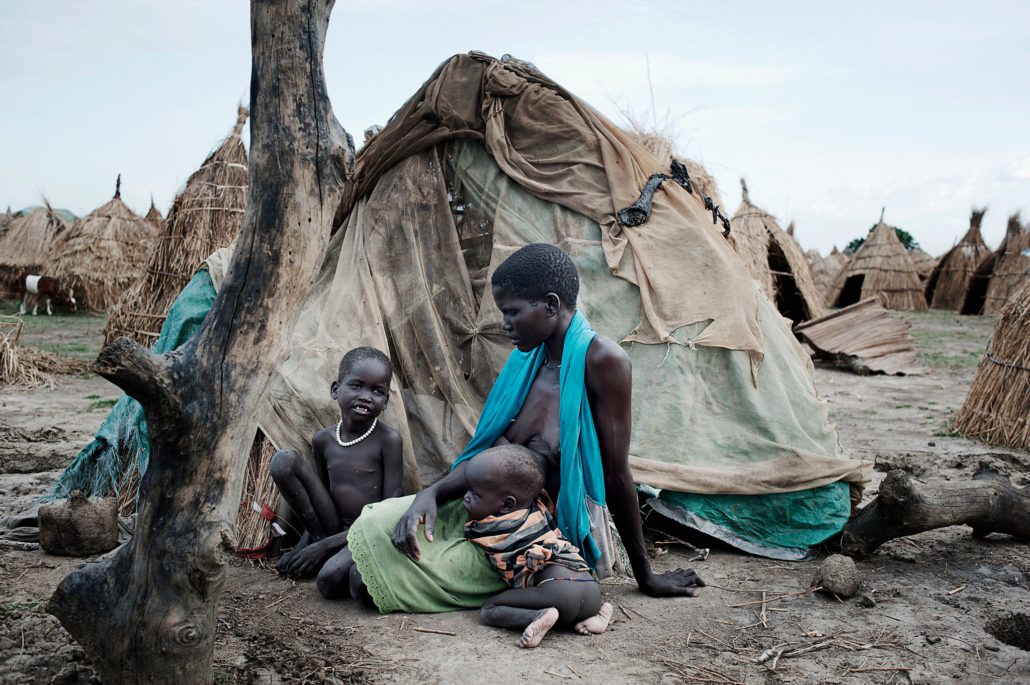 South Sudan has experienced decades of colonial rule and internal conflict and two violent civil wars, the second of which lasted more than two decades and claimed an estimated 2 million lives. It also experienced a 2011 referendum which saw nearly 99% of the population vote in favor of independence. Today, net migration to South Sudan, the world’s youngest country, is estimated to be the “world’s highest,” sitting at 39.6 migrants per 1,000 population.
Despite many people migrating to South Sudan to seek refuge, the country remains one of the worst humanitarian crises globally. There have been multiple failed attempts at peace agreements and cease-fires in the region, with “political violence and instability” between government forces and rebel groups persisting. Further agricultural issues present themselves, with the country’s tropical climate leaving it highly vulnerable to the impacts of natural disasters. Therefore, the high rates of migration to South Sudan, combined with these factors, mean that currently more than half the South Sudanese population (7.8 million) face “acute food insecurity.”
The Numbers Examined
Since April 2023, the neighboring country, Sudan, has seen an ongoing brutal civil war between rival factions of the Sudanese Armed Forces (SDF) and Rapid Supported Forces (RSF). Around 19 million people are facing “crisis levels of hunger,” with one in three Sudanese experiencing displacement from their homes. Out of the 605,062 refugees and asylum seekers settled in South Sudan at the end of 2025, 95% were Sudanese refugees.
In 2025, South Sudan hosted the third most Sudanese refugees. A contributor to this is the prima facie refugee status that the South Sudanese government granted, which allows an individual to receive acknowledgment as a refugee based on the objective circumstances in their home country, rather than individual evaluation. A large proportion of these migrants are nationals returning to the country, having originally fled to Sudan as refugees. Among the refugees, around 76% are women and children combined.
Nearly two years on since the Sudan conflict began in 2023, an Oxfam report showed that more than 1 million refugees and returnees have fled to South Sudan, seeking refuge. Figures show that an estimated 1,500 people were arriving daily at Renk transit centers, located in northern South Sudan, meaning these facilities were operating at “five times their intended capacity.”
The Consequences of Mass Migration
The consequences of this mass migration to South Sudan, a country already experiencing a “catastrophic humanitarian crisis,” is devastating. Alongside these high levels of incoming migrants, South Sudan is battling with massive levels of internal displacement. At the end of 2024, 1.8 million South Sudanese individuals had been internally displaced.
A large reason for these high levels of displacement is the continued armed conflict and intercommunal violence within the country, with areas such as the Upper Nile experiencing the worst effects. This conflict has made it increasingly difficult for communities to receive appropriate aid, as well as an increase in “protection risks,” particularly in vulnerable groups such as unaccompanied children.
The migrant crisis has produced a greater strain on already sparse resources, with farmers using as little as 5% of agricultural land due to issues such as fuel price increases and changing weather patterns. An example of this is the widespread flooding that has occurred in 44 of South Sudan Counties, affecting 1.4 million people. The agricultural sector in South Sudan simply does not have the capacity to meet the needs of its people.
Internally, there are also large infrastructural issues. South Sudan boasts a large oil industry, accounting for 90% of the government’s revenue. However, much of these profits are going toward improving the lives of the elites, such as government officials.
Aid and Response
Many of South Sudan’s rural areas now rely solely on international aid to survive. An organization helping to provide this aid is Oxfam, delivering humanitarian assistance to 500,000 people. In the town of Renk, one of Oxfam’s initiatives includes providing “hygiene and dignity kits” for locals, which can include necessities such as soap or menstrual items for women.
Another organization that has played a major role in providing aid to the region for decades is Christian Aid. Its “From Violence to Peace” approach seeks to enable communities in South Sudan, by equipping them with the “knowledge and tools” regarding conflict that they require. The aim here is to allow the people to confront the underlying causes of conflict and participate in a comprehensive peace for their country.
Other African nations are also playing their part to assist with this crisis. In 2024, Uganda hosted 43% of South Sudanese refugees, the highest in the region. The country’s progressive approach offers rights such as “access to land and services” to those who migrate there. Uganda, Ethiopia and Kenya all granted prima facie status to South Sudanese refugees, allowing them “immediate protection and support.”
South Sudan’s Future
Despite help from those in the region and internationally, much work is still necessary in South Sudan. With more than 2.3 million South Sudanese remaining as refugees in neighboring countries, there will come a time when some of these people will return home. This leaves the country and its people facing a seemingly impossible equation to solve; a declining amount of food supplies alongside an ever increasing number of mouths to feed.
At the end of 2024, the “South Sudan Regional Refugee Response Plan” only received 27% of its funding. Due to “lack of governance” much foreign aid often fails to reach those who need it most. International governments have received criticism for not doing enough to implement long-term strategies to help relieve this humanitarian crisis. The people of South Sudan should not have to face this crisis alone; they cannot afford to experience abandonment as the consequences would be devastating.
– William Snow
William is based in Chepstow, Wales and focuses on Good News and Technologyfor The Borgen Project.
Photo: Flickr
