Food Systems in Iran: Persisting Through Crisis
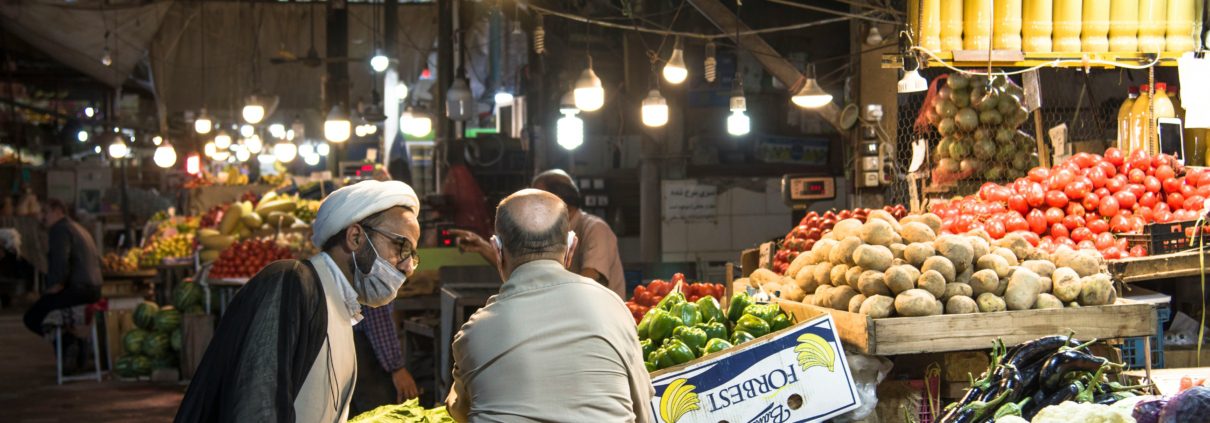 In the bazaars of Tehran, a shopkeeper sees his aisles grow quiet as food price inflation reaches 40%. He describes a bleak moment when children enter the store to ask for basic snacks with only 10,000 tomans, which is equal to nearly $0.05 USD. This price point has seemingly disappeared from most local markets. For many families in the capital, the immediate crisis does not involve empty shelves, but rather a collapse in purchasing power that impacts the stability of food systems in Iran.
Iran, a nation with more than 85 million people, faces significant economic hurdles that impact its ability to maintain a stable food supply. Strengthening food systems in Iran remains a core priority for the state, especially as international sanctions and changing weather patterns place pressure on domestic production. Despite these hurdles, the country continues to implement strategies to enhance the resilience of its agricultural sectors and protect vulnerable populations.
Key Facts About Food Systems in Iran
While challenges clearly exist, the domestic agricultural sector maintains several key strengths:
- Iran equips approximately 50.1% of its arable land with irrigation systems, which is more than double the global average.
- The value of food imports accounts for only 10% of total merchandise exports.
- Per capita food production variability stands at 9.6, indicating a level of production strength that significantly exceeds the global average.
Overcoming Economic and Climate Hurdles
In recent years, two major challenges to food systems in Iran have emerged: intensified international sanctions and severe drought. Unlike many other nations facing insecurity, Iran does not suffer from a physical food shortage. Store shelves across the country remain fully stocked with a wide variety of goods, but international sanctions have reduced foreign exchange earnings, leading to a 40% rise in food price inflation within a single year.
Such a sharp increase in costs places abundant food out of the financial reach of many families. These economic pressures caused staples like green lentils and vegetable oil to triple in cost. Additionally, water scarcity remains a critical threat as only 2.6% of the land is naturally suitable for agriculture. This makes a nation facing severe drought heavily dependent on irrigation. To ensure citizens have reliable access to food, the government balances domestic farming with necessary imports from abroad.
Government Support for Agriculture
To counter these challenges, the Iranian government provides significant support to the agricultural sector. Currently, the government pays more than 75% of the total cost of chemical fertilizers through subsidies. This financial aid helps farmers maintain output despite the rising costs of equipment and raw materials.
Furthermore, the government offers guaranteed purchase prices for strategic crops like wheat. By allocating energy and fuel at lower prices, the state also reduces the overall operational costs for rural producers. These actions encourage farmers to keep producing during difficult times.
Implementing the Food Voucher Program
One major solution to current challenges within food systems in Iran is the government-led food voucher program. This initiative provides targeted support for the purchase of essential commodities for low-income households. Additionally, earlier this year, officials also raised the monthly minimum wage by 60% to approximately 166 million rials to help families manage rising costs.
While inflation remains a challenge, these cash and non-cash initiatives increase consumer purchasing power and improve the equitable distribution of income. Data shows that these fiscal interventions are necessary to ensure that households can still afford necessities as prices fluctuate.
Looking Ahead
While challenges remain, government efforts drive progress within food systems in Iran. The nation clearly demonstrates its commitment to modernization by prioritizing innovation to increase self-sufficiency in the face of extreme international sanctions. Additionally, government programs like food vouchers and a higher minimum wage protect vulnerable families to ensure that everyone can afford the abundant supply.
– Nikki Rasoulian
Nikki is based in Los Angeles, CA, USA and focuses on Good News and Technology for The Borgen Project.
Photo: Unsplash
