• Link to X
  • Link to Facebook
  • Link to Instagram
  • Link to TikTok
  • Link to Youtube
  • About
    • About Us
      • President
      • Board of Directors
      • Board of Advisors
      • Financials
      • Our Methodology
      • Success Tracker
      • Contact
  • Act Now
    • 30 Ways to Help
      • Email Congress
      • Call Congress
      • Volunteer
      • Courses & Certificates
      • Be a Donor
    • Internships
      • In-Office Internships
      • Remote Internships
    • Legislation
      • Politics 101
  • The Blog
  • The Podcast
  • Magazine
  • Donate
  • Click to open the search input field Click to open the search input field Search
  • Menu Menu

Tag Archive for: UNDP

Posts

Developing Countries, Development, Global Poverty, Technology

Digital Poverty in the Least Developed Countries

Digital Poverty in the Least Developed CountriesMillions are being left behind in the digital age, as digital poverty in the least developed countries becomes ever more entrenched in global society. As the world sees its’ fourth industrial revolution, the United Nations’ list of the 46 Least Developed Countries (LDCs) is seeing a growing digital divide. Just under a fifth of the world’s population lives in the least developed countries, and yet almost 70% of the collective LDC population still does not have access to the internet.

Background

Digital poverty in the least developed countries could deepen global socio-economic inequalities and exclude those living in LDCs from fully participating in the global economy. Digital poverty is also holding the growth of business back; in Senegal, 80% of people cannot use the internet for work, and in Rwanda this jumps to 99%. Elsewhere, in the LDCs of Mozambique, Tanzania and Uganda, only 10% of businesses have a computer.

As new technologies develop at an exponential rate in more developed countries, LDCs are left outpaced. For example, 5G mobile networks are becoming commonplace in more developed countries, whilst LDCs are still only able to work with 2G and 3G networks, according to the U.N. This digital gap reinforces disparities in education, employment, and economic growth. However, efforts are underway to understand the facts that contribute to digital poverty in least developed countries and to bridge the digital divide.

About Digital Poverty

Digital poverty refers to restricted or no access to digital resources such as the internet, computers and mobile phones. It also encompasses digital illiteracy, where individuals lack the skills or education necessary to utilize online tools effectively. Digital poverty exists on a spectrum—while some individuals may have limited access, others do not have access to technological advancements at all.

Globally, 3.7 billion people lack access to or do not use the internet, with sub-Saharan Africa particularly affected. Digital poverty disproportionately affects vulnerable populations, including women, the elderly, and those with lower education levels.

Key contributing factors to digital poverty include:

  • High Costs: Internet services and devices remain unaffordable for many in LDCs.
  • Infrastructure Gaps: Unreliable electricity and insufficient ICT infrastructure hinder internet expansion.
  • Limited Education: Many individuals lack the skills to navigate digital technologies or do not recognize the benefits of being online, according to Telecommunications Policy.
  • Content Accessibility: Many LDCs lack sufficient digital content available in local languages.

The Impact

The impacts of digital poverty can limit other aspects of a person’s life, including their earning potential. More than 80% of jobs that are middle-skilled, and therefore higher earning, rely on individuals having skills in technology and access to digital platforms and technology, according to the Institute of Electrical and Electronics Engineers (IEEE). Lower-skilled jobs, which do not have these requirements, tend to be lower paid. This results in a cycle of individuals in digital poverty taking on lower-income jobs, which further limits possible education, meaning that people cannot gain the digital skills they need to secure the higher-earning, digitally focused jobs.

In LDCs, this cycle could limit a nation’s economic progress, both in terms of its citizens’ economic opportunities and mobility, and in limiting an LDCs ability to partake as effectively in online trade, both nationally and globally.

Digital Poverty: Solutions

Amazon’s Project Kuiper is a low-cost satellite internet initiative that provides broadband access to underserved regions. Whilst precise costs are still not public, the project promises that its 3,232 satellite constellation will provide speeds comparable to 4G internet, addressing infrastructure limitations faced by LDCs.)

The UNDP commenced its Doha Program of Action (DPoA) in 2022, set to run through to 2031. The DPoA is a framework strategy which aims to accelerate digital accessibility in LDCs through five key steps, including early engagements with governments, tailoring digital solutions that “work for everyone,” creating result-driven roadmaps, improving technical capacities and sharing skills and expertise through archives and assemblies.

Whilst the DPoA is still in its’ formative years, initiatives like this, which focus on policy development, equitable digital solutions, and infrastructure expansion, in collaboration with governments, NGOs, academia, and private companies, have previously been successful.

Digital Literacy Workshops

In Bangladesh, the UNDP facilitated digital literacy workshops for female entrepreneurs, boosting their ability to generate income. Similarly, in Nepal, the UNDP collaborated with a local bank firm to equip women from rural areas with the knowledge of how to partake in online transactions.

UNDP reports on its website that an initiative in Afghanistan improved and expanded a digital payment system, which resulted in a growth in financial inclusion and the synchronization of financial services. These success stories demonstrate how global collaboration can boost access to the digital age and enhance local economies.

The Future

Bridging the digital divide extends beyond simple internet access—it directly impacts global poverty reduction. Improved internet access enables entrepreneurship and job creation while allowing individuals to access essential financial services. More than 25% of the global population lacks access to banking, restricting economic mobility, but with the right initiatives, this can change.

Expanding digital access could improve economies by enhancing trade, education and health care. Closing the digital divide could foster international economic growth, benefiting both developing and developed nations.

Closing the digital divide is not a challenge that any single country can solve alone—it requires global collaboration and, when used the right way, technology can even be a part of the solution. While recent technological initiatives provide hope, sustained investment in digital infrastructure, policy reform, and education will be necessary to ensure long-term success.

– Amber Lennox

Amber is based in Suffolk, UK and focuses on Technology and Solutions for The Borgen Project.

Photo: Flickr
May 28, 2025
https://borgenproject.org/wp-content/uploads/borgen-project-logo.svg 0 0 Naida Jahic https://borgenproject.org/wp-content/uploads/borgen-project-logo.svg Naida Jahic2025-05-28 07:30:502025-05-28 03:23:31Digital Poverty in the Least Developed Countries
Aid, Development, Global Poverty

Nepal’s Poverty Reduction Through Local Solutions

Nepal's poverty reductionNepal, a landlocked Himalayan nation, has made significant strides in poverty reduction over recent decades; however, significant challenges persist, particularly in rural and underdeveloped regions. According to the Fourth Nepal Living Standards Survey (NLSS) 2022–23, the national poverty rate stands at 20.27%. Rural areas are disproportionately affected, with a poverty rate of 24.66%, compared to 18.34% in urban regions. Contributing factors include limited access to essential services such as education, health care and clean drinking water. Youth unemployment remains a pressing issue, with more than 19% of young people unemployed, a figure significantly higher than the national average. This has led to increased migration, both internally to urban centers and externally abroad, as youths seek better employment opportunities.

Government Initiatives

The Nepalese government has implemented several programs aimed at poverty alleviation. The 15th Periodic Plan (2019–2024), developed by the National Planning Commission, focuses on achieving sustainable development goals and transitioning Nepal to a middle-income country. Key objectives include economic diversification, infrastructure development and social inclusion. Another significant initiative is the Prime Minister Employment Program (PMEP), which seeks to provide short-term employment opportunities to unemployed individuals, particularly in rural areas. The program aims to enhance skills and increase income levels among marginalized populations.

International Aid and Partnerships

International organizations have played a crucial role in supporting Nepal’s poverty reduction efforts. USAID has been instrumental in sectors such as education, agriculture and health through financial aid. However, recent budget cuts have led to the suspension of several projects, raising concerns about the continuity of essential services.

The World Bank’s Rural Access Improvement and Decentralization Project has improved rural infrastructure, facilitating better access to markets and services. Similarly, the United Nations Development Programme (UNDP) has supported climate resilience and local governance initiatives, including the implementation of Local Adaptation Plans of Action (LAPAs) that empower communities to address climate change impacts.

Community-Based Efforts

Grassroots organizations have been vital in addressing poverty at the local level. READ Nepal, part of the READ Global network, organizes Community Library and Resource Centers that offer educational resources, vocational training and women’s empowerment programs. These centers have reached millions in rural communities, fostering literacy and economic development while reducing income inequality. The Federation of Community Forestry Users, Nepal (FECOFUN) empowers local communities to manage forest resources sustainably. By providing employment opportunities and generating income from selling forest products, FECOFUN promotes environmental stewardship and economic development.

The Role of Remittances

Remittances from Nepalese working abroad account for a significant portion of the country’s GDP. In 2023, remittances totaled more than $11 billion, accounting for more than 25% of the GDP. These funds have been instrumental in reducing poverty, improving household incomes and contributing to economic stability.

Moving Forward

Nepal’s comprehensive approach to poverty reduction—combining government policies, international aid and community initiatives—demonstrates the effectiveness of collaborative efforts in addressing economic challenges. Continued support and investment in these areas are essential for sustaining progress and achieving long-term development goals.

– Giovanni Garcia

Giovanni is based in Long Beach, CA, USA and focuses on Good News and Politics for The Borgen Project.

Photo: Flickr
May 12, 2025
https://borgenproject.org/wp-content/uploads/borgen-project-logo.svg 0 0 Precious Sheidu https://borgenproject.org/wp-content/uploads/borgen-project-logo.svg Precious Sheidu2025-05-12 01:30:272025-05-11 12:38:15Nepal’s Poverty Reduction Through Local Solutions
environment, Global Poverty, Youth Empowerment

Innovative Waste Management in Rwanda

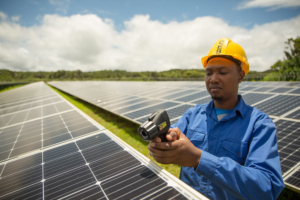
rwanda waste Rwanda, a country in Central Africa with a population of around 14 million, has emerged as a global leader in sustainable development through its revolutionary waste management initiatives. The Plastic Waste Management Program and the Gikondo Recycling Centre, as well as youth-led eco-entrepreneurship initiatives, address certain environmental issues to create many jobs, mainly for young people. Rwanda is generally encouraging cleaner urban spaces, transforming waste into valuable resources. In addition to its promotion of a circular economy, it is setting an inspiring example for other nations to follow in the pursuit of sustainability and economic growth as well.

Transforming Waste into Opportunity

In 2021, Rwanda, in its work alongside the Private Sector Federation, set up a fund for plastic waste management. This initiative has led to the collection of nearly 1,500 tons of plastic waste from around 24 drop-off points. If that waste was not collected, it would have ended up in the landfills. The programme has, furthermore, created some 1,300 green jobs, showing the potential for environmental initiatives to drive economic growth, as well as employment.

Rwanda’s commitment to addressing plastic pollution extends beyond its borders. In 2024, Rwanda and Peru submitted a proposal at the U.N. talks in Ottawa to reduce global plastic production by 40% by 2040. This ambitious target aims to protect human health and the environment by limiting the production of primary plastic polymers.

Gikondo Recycling Centre

The Gikondo wetland in Kigali, once with heavy pollution by plastic waste, is undergoing transformation into a recreational area like the Nyandungu Eco-tourism Park. The government has actively engaged youth in removing some plastic waste from the wetland. That action turns an environmental challenge into an opportunity for community involvement as well as job creation.

Additionally, the Nduba landfill in Kigali features pilot facilities for municipal waste valorisation, a Waste Sorting and Separation Facility and a Bio-Waste Treatment Facility. These facilities can handle about 100 tons of waste per day in addition to converting organic waste into valuable fertilisers, respectively. The project could reduce greenhouse gas emissions by an estimated 15,320 tCO₂ annually, and a further 74 new green jobs should be created.

The Youth-Led Eco-Entrepreneurship

Rwanda’s focus on youth empowerment is obvious in programs like the Youth Ecobrigade, implemented in partnership with UNDP and KOICA, together with other stakeholders. This initiative has provided training for 4,900 young people from rural communities. Furthermore, this initiative created 3,520 new jobs. Youth cooperatives that were formed under the program have managed to save nearly 11 million Rwandan francs, which promotes savings and entrepreneurship.
Launched in 2023, the Aguka program aims to support youth-led businesses further. This four-year initiative aims to impact around 6,600 youth-led businesses via the provision of thorough support. Such support includes access to finance, advanced business development training, mentorship, and market linkages. The program should create more than 100,000 jobs, greatly helping Rwanda’s socioeconomic change.

E-Waste Management in Rwanda

Recognizing the growing challenge of electronic waste, the country has partnered with Enviroserve Rwanda Green Park to establish a state-of-the-art e-waste dismantling and recycling facility. This facility has trained up to 70 young Rwandans in the repair, maintenance, and also recycling of electronic equipment. This training program furnished them with valuable skills for the job market.

Furthermore, the initiative has created green jobs for 413 people, with the number expected to rise as the facility and nationwide collection points become fully operational. This approach not only addresses environmental concerns but also provides sustainable employment opportunities for the youth.

A Blueprint for Sustainable Development

These revolutionary waste management initiatives in Rwanda exemplify how environmental sustainability and economic development can go hand in hand. Rwanda is setting a precedent for other nations to emulate by engaging youth as well as transforming waste into resources. This is in addition to encouraging a circular economy. These programs do address the pressing environmental challenges and also create meaningful employment opportunities, especially for young people, paving the way for a more sustainable and prosperous future.

– Zainab Saad Hassan

Zainab is based in Glasgow, Scotland and focuses on Technology and Global Health for The Borgen Project.

Photo: Flickr
May 9, 2025
https://borgenproject.org/wp-content/uploads/borgen-project-logo.svg 0 0 Naida Jahic https://borgenproject.org/wp-content/uploads/borgen-project-logo.svg Naida Jahic2025-05-09 07:30:172025-05-09 01:25:13Innovative Waste Management in Rwanda
Global Poverty, Health, Mental Health

Mental Health in Palau

Mental Health in PalauPalau is a small country in the western Pacific Ocean and one of the first west-pacific islands that people settled, specifically those from Southeast Asia. It is a relatively isolated area surrounded by the ocean, with most of its islands lying within a large, extensive lagoon. With about 17,600 people, there is a great sense of community on the island, the people well-known for their hospitality and welcoming nature. Although the island is very healthy with a great ecosystem and marine environment, and the people have created a strong, invigorating community, mental health in Palau is still unstable due to the lack of specialized care.

The Facts 

Depression affects 5.2% of Palau’s adult population, including 6.7% of young adults and 6.5% of elderly adults suffer from depression. This makes up about 920 people out of Palau’s entire population. To put this into perspective, 5.2% of the United States of America’s population is about 16.3 million people.

Anxiety affects 4.3% of adults, 10.5% of young adults and 4.3% of elderly adults suffering from anxiety. Anxiety is significantly more prevalent in young adults compared to any other age group. 4.3% of Palau’s population is about 760 people.

About 2.3% of adults in Palau suffer from suicidal ideation, being significantly more prevalent in young adults. Meanwhile, about 8.5% of young adults and 0.6% of elderly adults suffer from suicidal ideation. Palau also has a high rate of schizophrenia, according to the National Library of Medicine.

Links Between Poverty and Mental Health

While it is often hard to recognize, depression and anxiety have a huge influence on a person’s work ethic. Depression often leads to a lack of motivation, exhaustion, careless attitude and reclusive tendencies. This behavior can prevent a person from keeping a job or pursuing a career, leading a person towards financial issues, and if not helped, can cause a person to slip into poverty.

Anxiety also creates challenges that affect work ethic. Anxiety tampers with energy, concentration and sleep. Oftentimes, it is difficult to make a decision or pay attention to the task at hand, lowering a person’s quality of work. Anxiety may also prevent a person from attending work due to fear of commitment or embarrassment. Similar to depression, this can manifest financial instability and lead to poverty.

Schizophrenia, among all other mental health conditions, is one of the most connected mental illnesses to poverty. A big part of this is due to schizophrenia’s impact on a person’s social life, such as reclusive behavior, trouble communicating and negative effects on social cognition, making employment a difficult task.

Those with poor mental health are more likely to have addictions to drugs and alcohol, another major influence on poverty due to low work performance and work ethic. While poor mental health can be a leading cause for poverty, oftentimes poverty is the cause of poor mental health, increasing stress and hopelessness, often resulting in social rejection and loneliness, making it hard to re-establish financial stability.

Lack of Services

As the country is small and isolated, accessible mental health care is sparse. Psychology is an ambitious field to pursue, and there are only so many people on such a small island who have the ability or desire to join a career in psychology. The further from the main island, the less the population, which further decreases the number of people who are interested or knowledgeable about mental health.

While it is difficult to pinpoint the exact number of behavioral health care professionals in Palau, an interview in 2019 of 17 health care professionals showed that there was only one in behavioral health care.

Current Solutions

Since 2008, when the United Nations Development Programme (UNDP) signed a Standard Basic Assistance Agreement, the UNDP has strengthened health systems, helped address the impacts of COVID-19 and rehabilitated three community health centers. These produce positive influences on mental health in Palau through the creation of stronger, more reliable health centers and helping those who COVID-19 impacted get back on their feet.

UNICEF Pacific Islands heavily focuses on children’s education and health care. It originated in 1997 and has made strong efforts to help children lead a good life. It helps not only Palau but also the entirety of the Pacific Islands. UNICEF Pacific Islands provide mental health assistance in emergency settings, and is working to integrate mental health into education and have established the Global Coalition for Youth Mental Health.

Since Palau gained its independence in 1994 and established diplomatic relations with the United States of America, the U.S. has provided a lot of government and economic assistance. Currently, the United States provides financial aid through the Compact of Free Association (COFA), which can be used to fund health care systems, education and take care of Palau’s architecture and environment, crucial for Palauans’ mental and physical health.

Looking Ahead

With the current help of these organizations and Palau’s already thriving community and healthy environment, the people can continue to improve and stabilize mental health through community support, providing a sense of belonging and safety that encourages people to speak out and advocate for mental health in Palau.

– Sevyn Whatley

Sevyn is based in Toronto, Ontario, Canada and focuses on Global Health for The Borgen Project.

Photo: Unsplash

May 1, 2025
https://borgenproject.org/wp-content/uploads/borgen-project-logo.svg 0 0 Jennifer Philipp https://borgenproject.org/wp-content/uploads/borgen-project-logo.svg Jennifer Philipp2025-05-01 01:30:372025-05-01 00:09:57Mental Health in Palau
elderly poverty, Food Insecurity, Global Poverty

Elderly Poverty in Turkmenistan

Elderly Poverty in TurkmenistanDespite holding abundant gas and oil reserves, 45% of Turkmenistan’s population live below the poverty line, with 2.15% of the population, or 50,200 people, living on less than $2.15 a day. This has caused the nation to have the lowest life expectancy in Central Asia of 69.1. Between 2005 and 2021, Turkmenistan’s life expectancy rose by only 3.2 years, while life expectancy in neighboring Tajikistan rose by 5.1 years for a life expectancy of 71.29. It is in this context that elderly poverty has become an all too familiar occurrence in Turkmenistan. Here is more information about elderly poverty in Turkmenistan.

Support To Address Elderly Poverty in Turkmenistan

Elderly poverty rates are often higher than the overall population, and Turkmenistan is no exception. While specific data on this is limited, significant cuts to state pensions in 2006 may have left 300,000 people in poverty, including the elderly. Following the cutbacks, of the 229,000 people still receiving state pensions, many received no more than between £5.60 and £51 a month. This move occurred because government pension funds were already overburdened, forcing the government to dip into its currency reserves to meet the demand.

Since this occurred, state pensions have risen slightly, so the minimum one could receive is £21, but this is still not enough for most people. Furthermore, one only begins to receive their pension at the ages of 62 for men and 57 for women. While this would have relatively low pension ages in many developed countries, because of Turkmenistan’s low life expectancy, it forces people to work much later in life. This, coupled with the low payout from state pensions, leaves the elderly overburdened, forcing them to work long hours for wages that remain low.

Food Insecurity

Pensioners often have little support beyond their pensions. During the height of the COVID-19 pandemic in 2020, the nation plunged into a food crisis. Shortages of subsidized food had been occurring since 2016, and the government lacks a strategy to solve this issue. Instead, it exacerbated the problem, going as far as to deny the existence of poverty in the country so that the most vulnerable groups did not have access to social assistance and international food standards were ignored.

In November 2019, Human Rights Watch found, based on interviews with families, that families often spent 70-80% of their money on food, with one pensioner stating that her family spent all their money on getting enough to eat. Because of the food shortages, even getting a limited amount of food involves standing in line for hours at state shops that sell the limited government-subsidized food that remains, with privately owned shops being too expensive for the majority of citizens. These stores do not seek to support the most vulnerable; instead, they broadly attempt to treat all equally, leading to long waiting lines for food, meaning stores will often close without warning after running out of supplies. Due to their age, pensioners, especially those who are single or without family support, are especially vulnerable to these shortages that have not ceased despite beginning almost a decade ago.

Logistical Problems

On top of this, since 2018, in order to receive their pensions, the elderly must prove that they are not deceased. While this may sound simple enough and a way to prevent families from stealing funds supposed to go towards a now deceased relative, the lack of logistical planning for this makes it very hard for people to prove they are alive. One can only get proper documentation to receive a pension if a doctor and three government officials have seen them. As many lack access to a doctor, this is very hard for people to do, especially without family help.

Furthermore, due to the fact that the country has been experiencing a shortage in its national currency since 2016, many are unable to withdraw cash from their funds. Often, the cash they can withdraw is too old and unusable in most shops. As the purchase of foreign currency is illegal, many are unable to use their pensions to pay for basic goods and services.

Signs of Improvement

Considering all of this, it may be surprising that Turkmenistan is in the top 20 in the world in terms of being philanthropic. However, there are no charities or NGOs directly focused on combating elderly poverty; instead, they focus on fighting poverty across all aspects of society. However, investment from the Central Asian institute has provided indirect aid for the elderly through significant investment projects.

Most crucially for the elderly is the construction of health clinics in the city of Ashgabat, as well as the construction of residential buildings. These health clinics have also received aid from UNICEF, which provided the clinics with new oxygen plants in order to provide oxygen therapy. While this form of therapy is primarily for new mothers and children, it can help provide greater care for the elderly in the hope that life expectancy will increase. While it is only a small help within the national context, it is a step in the right direction, with the Central Asian Bank currently in the early stages of a four year plan (2024-28) to make the nation’s economy more resilient. This could have a transformative effect on the thousands of elderly members of society who are struggling.

Addressing Food Insecurity

In terms of fighting food insecurity, while there is still a long way to go to solve the insecurity, some are working to fight it. One prominent NGO is Eco-Durmush, a Turkmenistan based NGO that is female lead. Its aims is to promote sustainable agriculture and organic farming techniques in local communities to protect against changing weather patterns and a lack of government aid when it comes to food. Eco-Durmus has collaborated with the United Nations Development Programme (UNDP) to further stretch its sphere of influence. Because such local communities are often small and remote, their elderly population will rely on such business to gain the basic necessities they need. Furthermore, as Eco-Durmush is female lead, it gives a voice to elderly female members of society who without them would lack a voice that shines a light on their suffering.

Looking Ahead

The people of Turkmenistan have suffered under a regime that has been accused of countless human rights breaches and having failed to provide adequate living standards for them. Because of the totalitarian structure of government, an accurate picture of the oft-forgotten nation is hard to come by, especially on specific figures related to elderly poverty. However, from the data that one can gather, a picture forms of a nation that struggles to support its elderly and most vulnerable. With limited pensions, food and state support, the elderly have to fend for themselves in an unforgiving system, ultimately contributing to a life expectancy far lower than neighboring nations with little more wealth. However, hopefully, the efforts to improve the health system will help eliminate elderly poverty in Turkmenistan.

– Felix Hughes

Felix is based in the UK and focuses on Global Health and Politics for The Borgen Project.

Photo: Wikimedia Commons

April 27, 2025
https://borgenproject.org/wp-content/uploads/borgen-project-logo.svg 0 0 Jennifer Philipp https://borgenproject.org/wp-content/uploads/borgen-project-logo.svg Jennifer Philipp2025-04-27 01:30:332025-04-27 00:11:10Elderly Poverty in Turkmenistan
Employment, Foreign Aid, Global Poverty

Foreign Aid To Iraqi Kurdistan

Foreign Aid To Iraqi KurdistanWith a population of more than 6 million, Iraqi Kurdistan (KRI) has long been an important partner for the international community. Since the Iraqi government formally recognized the KRI in 2005, it has remained a semi-autonomous region and acted as a home for refugees fleeing conflict in neighboring Syria. The region also played a vital role in the fight against the Islamic State between 2013 and 2017, but since the recent cuts in U.S. aid to Iraqi Kurdistan, worries about maintaining peace in the region have emerged. In spite of this, intergovernmental organizations such as the U.N. are implementing efforts to ensure the growth and well-being of the KRI and its people.

The Challenges Facing Iraqi Kurdistan

Of the 10 million people estimated to be living in poverty in Iraq, the KRI has a significantly lower proportion of that figure given the region’s semi-autonomous status and thus immunity from certain sanctions in previous years. But, waves of displacement and unemployment have contributed to the level of poverty in Iraqi Kurdistan.

As a result of the war on ISIS and the political instability in Syria since 2011, Iraqi Kurdistan has welcomed 1.8 million Syrian refugees and Iraqi Internally Displaced Persons (IDPs), which led to a 28% increase in the region’s population. Consequently, many individuals are enduring extreme poverty in these refugee camps in the north of the region.

Additionally, current estimates of unemployment in Iraqi Kurdistan are 13.6% for men and 29.6% for women, which is one of the leading reasons for poverty in the region.

In addition to the issue of unemployment, Iraqi Kurdistan is also experiencing the misappropriation of government funds. In 2023, a review of public spending in the KRI found that 42% of funds go towards employee salaries, which explains the severe underdevelopment of private sector industries. For example, Iraqi Kurdistan’s primary source of income is the oil industry, accounting for 99% of exports, which leaves the economy exposed to drastic shifts in global oil prices. Much of the work by NGOs and foreign governments operating in the region thus focuses on enhancing the growth of private sector industries and investing heavily in infrastructure projects.

International Contributions

In spite of the reduction in foreign aid to Iraqi Kurdistan, governments from around the world are coming up with innovative and diverse ways to boost employment in the region and advocate for those affected by conflict. For example, The United Nations Development Programme (UNDP) has teamed up with the KRI’s Ministry of Municipality and Tourism in Erbil, to provide training programs for women and youth to create handicraft objects to boost tourism and cultural awareness in the region. So far, the program has taken place in nine locations across the region and delivered essential training to 170 participants, improving their job prospects.

In addition, the U.K. maintains its optimism towards strengthening British-Iraqi Kurdistan relations and has proudly delivered health care services to more than 6 million people across Iraq. The British government will also be sending £100,000 per year, for the next 3 years, to support the implementation of the Yazidi Survivors Law, in the hopes of spreading awareness about the poverty and suffering of marginalized Kurds. 

Among plans to boost the tourism industry in the region, foreign aid to Iraqi Kurdistan is shifting towards the agricultural sector in order to diversify the KRI’s economy. In particular, delegations from the United Arab Emirates have conducted 10 research projects into rehabilitating the agriculture and livestock industry.

CABI’s Work in Iraqi Kurdistan

The nonprofit organization, CABI, has taken a more active role in boosting agricultural employment to alleviate the effects of poverty in the region. Through training programs, enhanced information, post-harvest services and processing plants, CABI is supporting potato production in the Duhok province. The project not only seeks to bolster food supply in this part of Iraqi Kurdistan, but also to offer jobs to IDPs, refugees and other vulnerable groups. Since its inception in 2021, CABI’s work in the KRI has already established a potato processing and storage plant, with hopes of offering 10,000 workers with job opportunities in harvesting.

The Future 

Currently, like many regions of the world, foreign aid to Iraqi Kurdistan has fallen short of previous years. The main challenges that the KRI faces are high levels of unemployment, over-dependence on the oil industry and managing the refugee crisis; all of which directly or indirectly contribute to poverty in the region. However, by expanding the economy into new sectors such as handicraft training and potatoes to boost tourism and agriculture sectors, the future is bright for Iraqi Kurdistan.

– Alfie Williams-Hughes

Alfie is based in Nottingham, UK and focuses on Business and Politics for The Borgen Project.

Photo: Pixabay

April 26, 2025
https://borgenproject.org/wp-content/uploads/borgen-project-logo.svg 0 0 Jennifer Philipp https://borgenproject.org/wp-content/uploads/borgen-project-logo.svg Jennifer Philipp2025-04-26 01:30:552025-04-25 04:51:18Foreign Aid To Iraqi Kurdistan
Global Poverty, Poverty Reduction

Multidimensional Approach to Reducing Poverty in Thailand

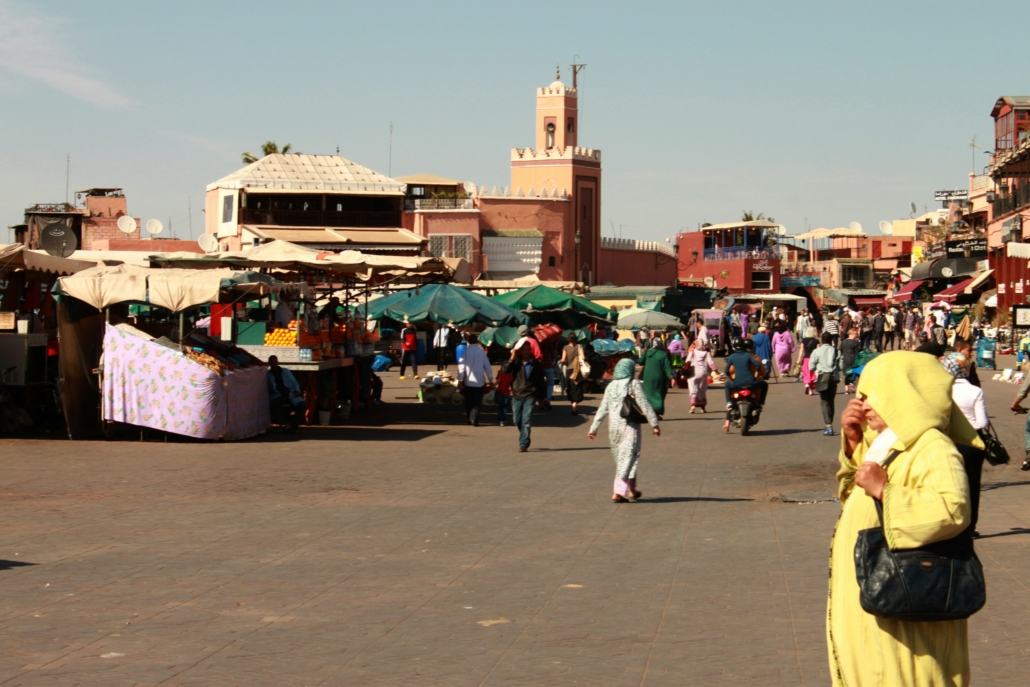
Multidimensional Approach to Poverty Reduction in ThailandThailand, home to more than 70 million people, has made significant progress in poverty reduction. The country has the lowest Multidimensional Poverty Index (MPI) among ASEAN nations, reflecting its commitment to addressing poverty through targeted policies and economic reforms. In 2012, 909,000 people in Thailand were living in multidimensional poverty. By 2019, this number fell to 416,000; as of 2022, it had dropped further to 352,000. Thailand’s approach focuses on nutrition, housing, clean energy, education and infrastructure, leading to substantial improvements in quality of life.

Understanding Multidimensional Poverty

Multidimensional Poverty is an indicator that assesses poverty across three categories: monetary poverty, education and basic infrastructure services. The MPI measures the intensity of poverty by evaluating how individuals experience deprivation. Within these categories, specific indicators include nutrition, housing, clean water, education and sanitation. In the 2024 MPI report, the United Nations Development Programme (UNDP) and the Oxford Poverty and Human Development Initiative (OPHI) chose not to classify countries as rich or poor. Instead, they identified 10 ways people experience poverty within the categories of monetary poverty, education and infrastructure. This approach allows officials to implement targeted reforms based on regional needs.

Challenges in Addressing Poverty

Poverty reduction strategies vary based on regional disparities. While Thailand has lowered poverty rates nationally, poverty remains concentrated in rural and remote areas. In urban centers, challenges include job insecurity and the high cost of living, whereas in rural areas, limited infrastructure and access to quality education are key concerns. Recognizing these differences, Thailand has adopted a multidimensional approach to poverty alleviation, tailoring programs to regional needs.

Strategies for Reducing Poverty in Thailand

  • Cash Transfer Programs. Thailand introduced a cash transfer program in September 2024, helping to reduce poverty and improve economic growth. The World Bank reported that Thailand’s poverty rate fell to 8.2% in 2024, partially due to this program. The government plans to allocate 305 billion baht to expand the program in 2025. However, concerns remain about the potential increase in public debt if funding is not managed effectively.
  • NXPO’s Sandbox Program for Targeted Assistance. The National Higher Education Science Research and Innovation Policy Council (NXPO) introduced a sandbox program targeting seven of Thailand’s poorest regions, tailoring poverty reduction strategies to local needs. The initiative focuses on strengthening community-led support networks through Poverty Eradication and Life Cycle Development Centers, which promote cooperation and resource sharing among residents. Collaboration with local institutions plays a crucial role in refining poverty reduction policies, ensuring they are data-driven and responsive to the challenges faced by different communities. The program also expands state benefits and reforms the welfare card system, making assistance accessible to individuals who were previously ineligible. A centralized database has been created to track poverty trends and measure the effectiveness of these policies, allowing for continuous adjustments to maximize impact. Additionally, the initiative encourages community-driven business models, providing residents with tools and opportunities to generate stable income and support local economic growth.

Looking Ahead

Thailand’s commitment to poverty reduction has yielded significant progress, but ongoing efforts are needed to ensure long-term economic stability. Expanding cash transfer programs, improving infrastructure and refining data-driven policy strategies could be key to sustaining these gains. The country’s multidimensional approach serves as a model for other nations striving to reduce poverty through holistic, targeted interventions.

– Ella Burke

Ella is based in Lawrence, KS, USA and focuses on Good News and Celebs for The Borgen Project.

Photo: Flickr
March 8, 2025
https://borgenproject.org/wp-content/uploads/borgen-project-logo.svg 0 0 Precious Sheidu https://borgenproject.org/wp-content/uploads/borgen-project-logo.svg Precious Sheidu2025-03-08 07:30:242026-04-16 09:57:05Multidimensional Approach to Reducing Poverty in Thailand
Africa, Cultural Heritage, Global Poverty

Poetry in Somalia: Using an Age-Old Art Form to Build Peace

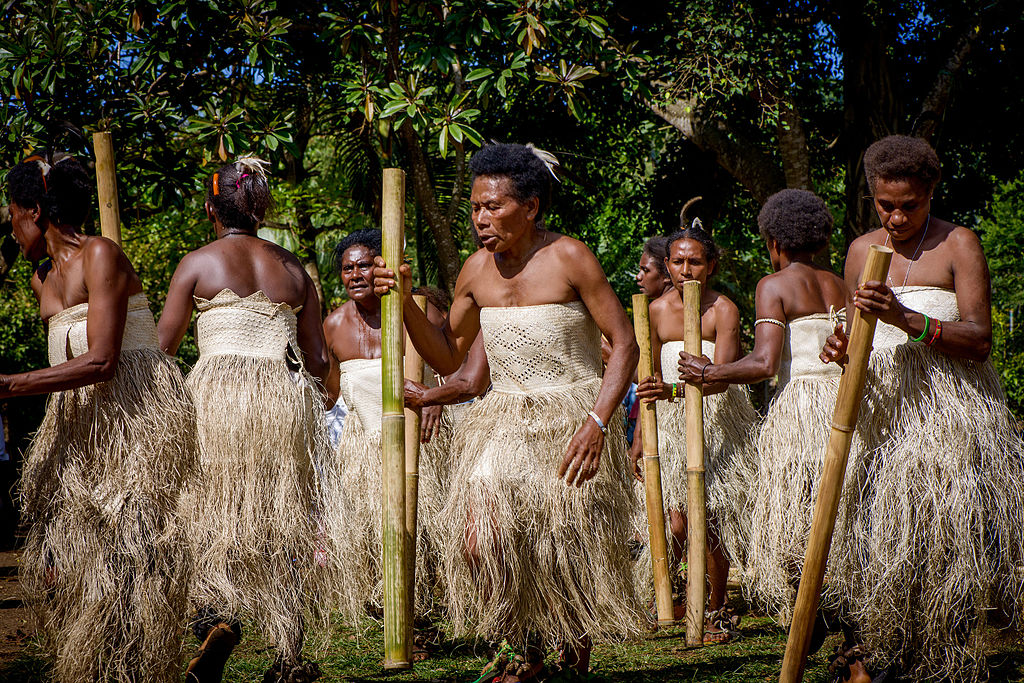
Poetry in SomaliaSomalia, the easternmost country of Africa, is also referred to as a “Nation of Poets” or “Nation of Bards” for the Somali people’s deep appreciation for and proficiency with poetry. This form of storytelling has been used in Somali culture as early as storytelling has existed. The earliest poetry in Somalia is from the 18th century; a meditation by Sheekh Cali Cabduraxmaan. This ancient tradition has inspired a newer group that has surfaced just before the COVID-19 pandemic.

The Somali Storytellers

The Somali Storytellers is a group of young poets who have banded together in hopes of reaching the people of Somalia, particularly the younger generations who will be shaping the future of the country. The group produces influential works of art and performances that bring out the nation’s history and ancient culture but also get a touch of modernity.

The UNDP founded a Digital Storytelling Bootcamp that took 20 young Somalis and trained them on how to share their meaningful stories around the world using whatever technology they had available such as smartphones or computers. After the training, the poets went on a field trip to Mogadishu where they could record and create stories in public with their community.

Zahra Abdihagi

There were 400 candidates, including Zahra Abdihagi. Although she faced fierce competition from other applicants, her remarkable accomplishments as a writer and storyteller, along with her efforts to promote social change, helped her to rise to the top.

Zahra received a high school education in Canada, and before she had even graduated, she had succeeded in publishing a book of short stories. Since graduating and returning to her home, she has won several awards for her poetry writing. In her efforts to write poetry in Somalia, she has won awards such as placing third in a Somali-language international poetry competition.

After she and the other 20 applicants went through a six-week course on the introduction of storytelling creation using smart technology, Zahra is now a part of other creative workshops, aiding in training 30 other young Somali people in the art of fables. Once the COVID-19 pandemic hit and everyone became isolated, she encouraged the youth to express themselves and share messages with the people to stay safe.

Digital Shelter

In 2020, Digital Shelter asked the women of Somalia to share their stories about these incidents which became a story and a media-driven campaign called the Without Fear project. In 2021, on International Women’s Day, Digital Shelter launched The Cabsi La’aan – The Without Fear Project. Zahra wrote a story that ended up across social media worldwide, reaching also thousands of women in Somalia.

Her poem speaks to the issues she and other Somali women experience online and in their communities. Every day online, women receive attacks on several different fronts including account hacking, blackmailing and various other forms of online bullying. By creating this poetry in Somalia, women can fight back against cyber attacks.

The Somali Storytellers are currently in the process of forming their own company as well. Zahra said, “I see a great future for us. Lots of young people are already asking how they can become storytellers themselves.” Many people are also donating to their cause via their website.

The Future of Poetry in Somalia

Many young Somali Storytellers are currently making their debut as filmmakers. They have recently screened a digital story collection called “Me and My Somalia,” a series highlighting the innovation, resilience, and challenges that Somali communities face. In their ideal future, digital storytelling will be widely available, Somali culture will be accurately portrayed and the media will be crucial in fostering constructive community transformation.

– Taylor Naquin

Taylor is based in Gilbert, AZ, USA and focuses on Good News and Global Health for The Borgen Project.

Photo: Flickr
March 6, 2025
https://borgenproject.org/wp-content/uploads/borgen-project-logo.svg 0 0 Naida Jahic https://borgenproject.org/wp-content/uploads/borgen-project-logo.svg Naida Jahic2025-03-06 07:30:372025-03-06 01:12:05Poetry in Somalia: Using an Age-Old Art Form to Build Peace
Global Poverty, Health

How Nonprofits Are Helping Deliver Medical Supplies to Kiribati

Medical Supplies to Kiribati Kiribati is a stretch of 33 islands within the Pacific Ocean, 21 of those being populated. The country is unique in that these islands are spread apart— across 3.5 million square kilometers, to be exact. This presents a unique challenge amidst denizens of the atolls and transportation of medical supplies in Kiribati.

Background

While it is true that Kiribati has struggled to transport medical supplies to all of its atolls and islands, the health issues of the country go far deeper than a lack of supplies. Droughts and flooding have left the region struggling to maintain access to clean water, which in turn creates the perfect conditions for diseases like tuberculosis to flourish. Poor nutrition and poverty further exacerbate these health issues. Due to this, more than 25% of adults older than 24 in Kiribati have Type 2 Diabetes.

With the dire health conditions in Kiribati, the lack of medical supplies in Kiribati remains an important topic within the government. The sheer remoteness of the islands is the first issue. Getting ships to and from the islands is a challenge all by itself, as Kiribati is one of the most dispersed countries in the world, according to the Médecins Sans Frontières (MSF) South Asia.

Medical supplies in Kiribati arrive by boat or plane and often arrive too late and too infrequently for those who need them. At times, the supplies have taken so long to arrive that the valuable medicine inside the shipments expires long before they can make their way to Kiribati’s shores, MSF reports. When the supplies arrive, they are often expensive due to difficulties in sourcing them.

A Silver Lining

While sourcing medical supplies in Kiribati has proven itself to be a consistent challenge for the country, many organizations have recently taken up the initiative to help Kiribati source medical supplies for its people. Specifically, The World Bank is helping improve supply chains so that the more remote islands of Kiribati can keep their clinics stocked with the important medicines locals need to stay healthy.

Prevention is also one of the key factors in the plan to tackle the issues with medical supplies in Kiribati. COVID-19, while difficult to navigate in the region, ended up proving to be a learning opportunity on how to navigate widespread disease. Closing ports early on allowed Kiribati to get a head start on combating the disease, which inspired officials to use that same caution moving forward. With help from UNICEF and the India-UNDP fund Kiribati was able to create the Risk Communication and Community Engagement Committee in early 2021. This committee focuses on catching diseases that could become larger threats early on to avoid communities being taken by surprise. This committee has been instrumental in the continued fight against COVID-19 and other major diseases since then.

Thanks to the India-UNDP fund, Kiribati was able to secure funding for the purchase and transport of medical supplies in Kiribati for the committee. The collaboration helped establish 34 health centers across the country, each with the goal of community outreach by making home visits and leading dialogues about disease prevention. In the end, these facilities have been extremely important in the prevention of diseases and promotion of health amongst Kiribati’s more remote populations.

Moving Forward

While the lack of medical supplies in Kiribati continues to be an uphill battle, support from outside organizations like UNICEF and The World Bank has eased the burden of this struggle. While there is still plenty of work necessary from both officials and community leaders to make sure that the population has access to medical supplies, Kiribati is on the path to success.

– Mackenzie Scott

Mackenzie is based in Indianapolis, IN, USA and focuses on Good News and Global Health for The Borgen Project.

Photo: Flickr

January 12, 2025
https://borgenproject.org/wp-content/uploads/borgen-project-logo.svg 0 0 Naida Jahic https://borgenproject.org/wp-content/uploads/borgen-project-logo.svg Naida Jahic2025-01-12 07:30:122025-01-10 05:49:37How Nonprofits Are Helping Deliver Medical Supplies to Kiribati
Disability, Employment, Global Poverty

5 Facts About Disability and Poverty in Uzbekistan

Disability and Poverty in UzbekistanUzbekistan is a country in Central Asia neighbored by Kazakhstan to the north, Kyrgyzstan to the northeast, Afghanistan to the south, Tajikistan to the southeast and Turkmenistan to the southwest. It is one of only two countries in the world that is doubly landlocked, or surrounded by other countries that are also landlocked. Disability and poverty in Uzbekistan often go together, with people having a tougher time participating in society. In recent years, the nation has made a concerted effort to improve the conditions of disabled people within its borders. Here are five facts you need to know about disability and poverty in Uzbekistan.

5 Facts About Disability and Poverty in Uzbekistan

  1. Disabled people make up about 2.5% of the population. In 2022, it was reported by KUN that 845,000 people were officially recognized by Uzbekistan as being disabled. More than half of people over the age of 60 have some kind of disability. Most disabled people live in rural communities across Uzbekistan, though a few live in cities like Tashkent. The largest region, Navoiy, also has the highest rate of disability in the nation, at 3.6%.
  2. Employment is difficult to come by for those with disabilities in Uzbekistan. In Uzbekistan, people with disabilities are 4.3 times less likely to have a full-time job than people without disabilities. Additionally, people with disabilities make just 74% the monthly wage of people without disabilities. Disability:IN reported that people with disabilities made 612,000 UZS per month ($47.55). In comparison, in 2019, people without disabilities made 827,000 UZS per month ($64.26).
  3. Some welfare is provided to those with disabilities in Uzbekistan. The World Bank reported that almost 700,000 people with disabilities in Uzbekistan were given pensions and other social benefits in 2019. However, many of those people survive only on those pensions because they find it difficult to gain full-time employment.
  4. There are organizations that are helping disabled people. Some organizations, like the Gulbahor Nurli Kelajak LLC, provide much-needed employment in the tailoring industry for disabled people. Gulbahor Nurli Kelajak has employed more than 50 disabled people, mostly women, since its founding in Termez, Uzbekistan in 2021. Additionally, the United Nations Development Programme (UNDP) works in Uzbekistan, with one of its goals being to alleviate disability and poverty concerns in the country.
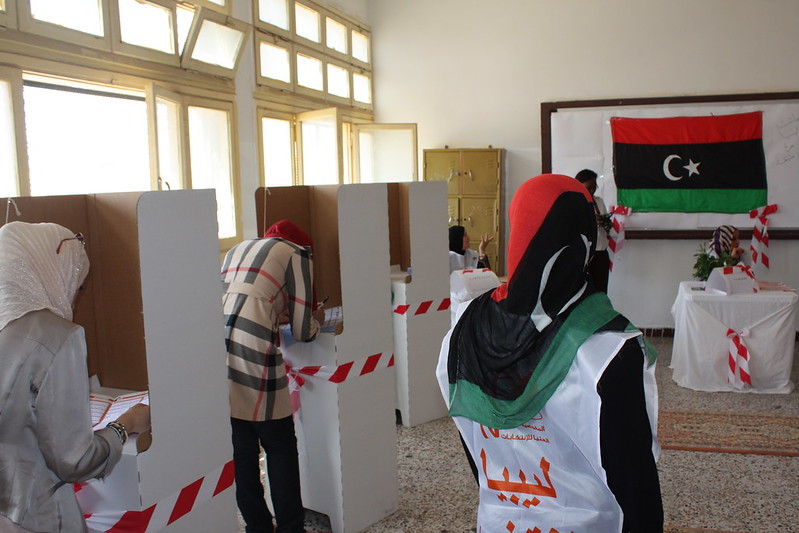
  5. Laws are in place to protect people with disabilities in Uzbekistan. In 2020, Uzbekistan passed its first comprehensive law, “On the Rights of Persons with Disabilities”. The law aims to provide more opportunities and better conditions for people with disabilities. In 2021, the country ratified the UN Convention on the Rights of Persons with Disabilities, further enshrining protections.

Other Considerations

Alongside these five facts about disability and poverty in Uzbekistan, the country has recently been doing more to protect and give more opportunities for people with disabilities to participate in life. Universities give admission preference to students with disabilities. This is starting to show signs of improving disability and poverty in the country, with students having more opportunities than before.

However, activists across the country are disgruntled with the slow adoption of the law. Many wish more could be done to change the culture of pity toward people with disabilities. The infrastructure for equal facilities for people with disabilities is not yet in place and people still feel stigmatized from participating in events like elections or festivals. Although the International Day of Persons with Disabilities is celebrated like a holiday, activists in the country believe the day should be more about educating people about disabilities. 

Looking Ahead

Together, these five facts about disability and poverty in Uzbekistan paint a picture of a country that is trying to bring reforms that bridge the gap between people with disabilities and people without disabilities. Although the reforms have happened within the last five years, Uzbekistan has shown willingness to improve conditions for its people.

– Julius Millan

Julius is based in New York, NY, USA and focuses on Global Health and Politics for The Borgen Project.

Photo: Flickr
January 3, 2025
https://borgenproject.org/wp-content/uploads/borgen-project-logo.svg 0 0 Jennifer Philipp https://borgenproject.org/wp-content/uploads/borgen-project-logo.svg Jennifer Philipp2025-01-03 01:30:172025-01-02 12:20:435 Facts About Disability and Poverty in Uzbekistan
Page 4 of 16«‹23456›»

Get Smarter

  • Global Poverty 101
  • Global Poverty… The Good News
  • Global Poverty & U.S. Jobs
  • Global Poverty and National Security
  • Innovative Solutions to Poverty
  • Global Poverty & Aid FAQ’s
Search Search

Take Action

  • Call Congress
  • Email Congress
  • Donate
  • 30 Ways to Help
  • Volunteer Ops
  • Internships
  • Courses & Certificates
  • The Podcast
Borgen Project

“The Borgen Project is an incredible nonprofit organization that is addressing poverty and hunger and working towards ending them.”

-The Huffington Post

Inside The Borgen Project

  • Contact
  • About
  • Financials
  • President
  • Board of Directors
  • Board of Advisors

International Links

  • UK Email Parliament
  • UK Donate
  • Canada Email Parliament

Get Smarter

  • Global Poverty 101
  • Global Poverty… The Good News
  • Global Poverty & U.S. Jobs
  • Global Poverty and National Security
  • Innovative Solutions to Poverty
  • Global Poverty & Aid FAQ’s

Ways to Help

  • Call Congress
  • Email Congress
  • Donate
  • 30 Ways to Help
  • Volunteer Ops
  • Internships
  • Courses & Certificates
  • The Podcast
Scroll to top Scroll to top Scroll to top