Positive Progress for Renewable Energy in Mauritius
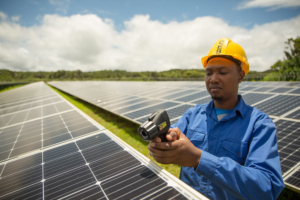 Renewable energy in Mauritius faces major advancements in the coming years. The island is located off the East coast of the African continent, and is home to 1.2 million people. Of those people, more than 80% agree on the negative effects that energy gained from burning fossil fuels has on their quality of life. Transitioning to renewable energy will combat these negative effects.
Fossil Fuels Worsen Quality of Life for Mauritians
More than 80% of the country’s energy comes from imported fossil fuels. Greenhouse gases become trapped in the atmosphere through burning fossil fuel, and affect weather patterns. Mauritius feels this through flooding, tropical storms, coastline erosion, changing tides and rising temperatures. Natural disasters and drastic changes to weather patterns affect low-income communities more drastically than others. These individuals typically do not have the resources to prepare for or recover from these disasters as they occur. The average monthly salary is $1,013, with the lowest-earning Mauritians living off of about $250. Many work in tourism-related professions and outsourcing roles such as IT support and the manufacturing industry. The downside is the unpredictable demand for these jobs and the resulting unreliable income.
Energy Poverty
Steep costs for basic necessities like heat and electricity for cooking exacerbate the struggles of those already experiencing energy poverty. Energy poverty describes a situation in which someone does not have access to reliable, safe and affordable energy to meet their daily needs. A $250 monthly budget does not leave much room for expensive electric bills. The cost of importing fossil fuels to Mauritius drives up the price of power for consumers. The price of electricity for residential areas is MUR 6.140 per kWh, or 0.135. That is about 6% more than the average price of electricity in Africa.
Government Plans Pave the Way for Renewable Energy Use
As of 2019, the Ministry of Public Utilities enacted the Renewable Energy Roadmap 2030. It contains plans and proposals for various renewable energy programs, as well as objectives for total renewable energy use for the entire country. The Renewable Energy Roadmap strives for renewable energy in Mauritius to be 35% of the country’s total power source by 2025. They are on track to meet this goal at the end of the year.
The Roadmap also includes goals of severing reliance on burning coal by 2027, as well as 60% of Mauritius’ energy coming from renewable sources by 2030. Strategies such as investing in solar energy and biomass projects are outlined, as well as careful coordination to ensure this energy will be accessible on all levels: households, commercial and industrial use.
Mauritius is well underway with its renewable energy goals. In 2021, a 14-Megawatt Grid-Scale Battery Energy Storage System funded by the United Nations Development Program (UNDP) finished construction. The $5 million storage system is equipped to stabilize the electrical grid frequency, furthering the capabilities of renewable energy in Mauritius.
Solar Energy Helps Mauritius Reach Energy Goal and Provides Jobs
The hot climate and reliable sunlight make solar energy an ideal candidate for renewable energy in Mauritius. About 10,000 rooftop solar systems have been approved by the Central Electricity Board and the Ministry of Energy and Public Utilities. The installation prevented 15,000 tons of carbon dioxide from entering the atmosphere. Not only do the solar systems provide tangible progress towards the Renewable Energy Roadmap goal, but offer reduced electricity bills for the Mauritians who have participated in the project. This allows them to spend more of their hard-earned money on food and other necessities. The renewable energy efforts will create 7,000 jobs, stimulating the economy and providing employment opportunities for Mauritians.
Renewable Energy Is the Future
Mauritius’ steady advancements towards renewable energy demonstrate the government’s dedication to contributing to a greener planet and access to affordable power. The country is on track to meet its renewable energy goals for the coming years. Each additional project will continue to improve the lives of Mauritians.
– Sydney Uhl
Sydney is based in Vancouver, WA, USA and focuses on Good News and Technology for The Borgen Project.
Photo: Flickr
