Gender Wage Gap in Libya
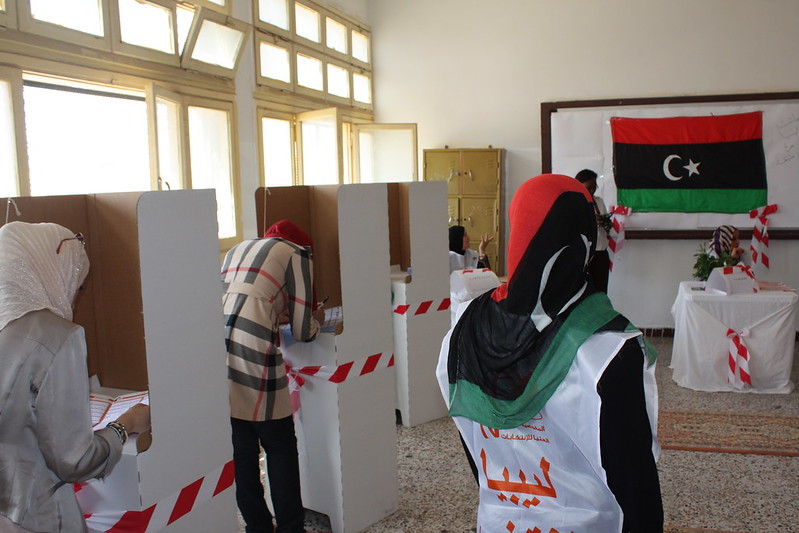 While discussions on gender equality frequently highlight obstacles, Libya is experiencing notable advancements in women’s economic empowerment. Although disparities remain, consistent progress in education, workforce participation, financial access and greater representation in leadership positions indicates a favorable trend.
Political complexities often dominate the narrative of Libya’s socio-economic landscape. However, beneath the surface, a compelling story of progress in gender equality is unfolding, particularly concerning women’s economic roles. While a gender wage gap in Libya persists, reflecting historical and societal challenges, various initiatives and inherent strengths are actively narrowing this divide, demonstrating how life is improving for women through incremental yet impactful changes. This piece delves into the often-overlooked advancements contributing to women’s growing economic influence in Libya.
Employment and Education
A key indicator of economic empowerment is labor force participation. Since 1990, Libya has seen an increase in female labor force participation. While still lower than that of men, the trajectory is positive, with statistics showing a slight but consistent rise, reaching 33% in 2024. This upward trend signifies more women entering the workforce, which could be contributing to the national economy and gaining financial independence. Such incremental growth, though not always dramatic, represents significant progress in a context marked by traditional gender roles and economic transitions.
Education serves as a foundational pillar for economic equality, and Libya has made commendable progress in this area. A remarkable 70.5% of women aged 25 and older have attained at least some secondary education. This high level of educational attainment is a critical enabler, equipping women with the skills and knowledge necessary to pursue diverse careers, engage in higher-paying professions, and contribute to the economy in more significant ways. It indicates a long-term investment in women’s capabilities that will inevitably impact wage equality.
Women in Entrepreneurship and Innovation
Libyan women are increasingly venturing into entrepreneurship and embracing digital innovation, creating their own economic opportunities. Initiatives like “She Codes” and “Maharah Coding Academy,” with the support from organizations such as the European Union and CESVI, are empowering women with essential computer programming and digital skills. These programs not only provide pathways to employment but also foster self-sufficiency and independence. The “Deraya Initiative” further supports entrepreneurs, indicating a growing ecosystem for female-led businesses, which are crucial for economic diversification and women’s financial autonomy.
Increasing Women’s Influence in Governance and Finance
Progress is also evident in women’s growing representation in leadership and financial inclusion. The gap in account ownership between men and women in Libya (11.1%) is notably smaller than the broader Middle East & North Africa aggregate (14%), indicating greater access to financial services for women, according to the World Bank. In the political sphere, women are slowly gaining ground, holding 16.5% of seats in the national parliament in 2024, an increase since 2010.
Furthermore, women constitute 40% of members in Local Peacebuilding and Development Committees, actively influencing conflict resolution and community governance. The election of Libya’s first female mayor in late 2024 stands as a historic milestone, symbolizing a broader shift towards greater female representation and influence in decision-making roles.
Policies and Partnerships Driving Change
The strides made are significantly bolstered by the concerted efforts of both national and international organizations. The UNDP in Libya focuses on gender equality, implementing a Gender Strategy that addresses the underlying causes of inequality. It support women’s participation in elections and ensure equal access to resources and decision-making power, including the implementation of the National Strategy for the Advancement of Women in Libya.
Similarly, the European Union finances numerous projects focused on economic and social rights for women and girls, promoting equal access to technology, education, and supporting female entrepreneurship through initiatives like the EU4PSL project. These collaborations are pivotal in accelerating the pace of change.
The Path Ahead for Full Equality
While acknowledging the ongoing challenges, such as the scarcity of precise data on wage disparities and the need for further legal and social reforms, Libya’s progress demonstrates a resilient push towards gender equality. These challenges are viewed as opportunities for continued advocacy and intervention, driving further innovation in policy and programming.
The journey towards the reduction of the gender wage gap in Libya is characterized by steady, if often understated, progress. The increasing labor force participation, significant educational achievements, burgeoning entrepreneurial spirit, and growing presence in leadership positions are powerful indicators of a positive shift. These advancements, supported by dedicated national and international efforts, are not just statistics; they represent improved lives for countless women, contributing to a more vibrant and equitable Libyan society. The story of women’s economic empowerment in Libya is one of resilience, quiet determination, and a promising future.
– Cameron Jones
Cameron is based in Hendersonville, TN, USA and focuses on Good News for The Borgen Project.
Photo: Flickr
