Efforts to Improve Housing in Djibouti
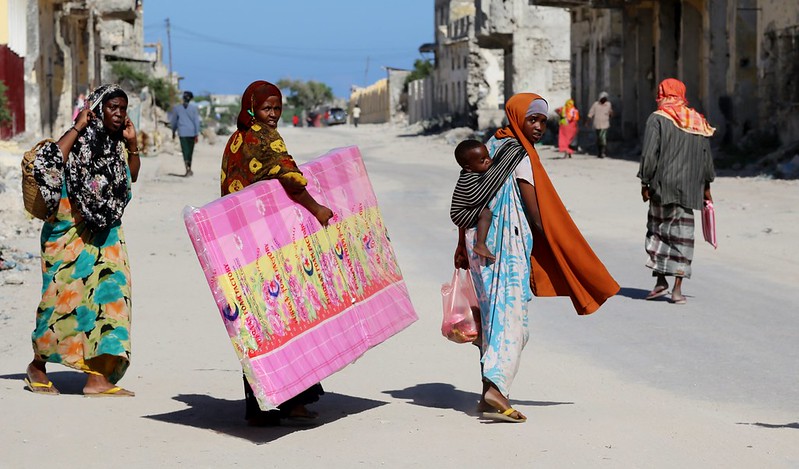 Djibouti, a small nation in the Horn of Africa bordered by Somalia and Ethiopia, is uniquely situated at the junction of the Red Sea, East Africa and the Gulf of Aden. Its strategic location not only makes it a geological marvel with natural hot water reservoirs but also presents significant challenges in urban development and housing. With a population exceeding one million, the nation faces the critical task of improving living conditions for its residents, particularly in addressing the ongoing housing crisis. In response, the Djiboutian government initiated Vision 2035 in 2015, aiming to enhance the quality of life across the nation. However, as of 2024, with the deadline looming in just 11 years, the government is still grappling with how to effectively support its citizens through adequate housing in Djibouti.
The Persistent Challenge of Poverty
Despite Djibouti’s small population compared to its neighboring countries, gathering detailed data on the extent of poverty is challenging due to limited participation in national censuses. However, some recorded statistics have shown that more than 35% of the population of Djibouti lives in poverty, with at least 21% of the population living below the poverty line as of 2022. Poverty’s impact is most severe in rural areas, where it affects the majority of residents. Although only 15% of Djibouti’s population resides in urban areas, these citizens represent more than half of the country’s extremely poor.
Housing Crisis in Djibouti
Djibouti-Ville, the capital and largest city of Djibouti is home to more than 60% of the population. Numerous slums within the city provide shelter to Djiboutian nationals as well as refugees and asylum seekers, highlighting a nationwide shortage of affordable housing.
Balbala, a slum in Djibouti, accommodates a large portion of the country’s homeless population, many of whom lack access to adequate food and water. The Djiboutian government is addressing these harsh conditions with the Zero Slums Program, which aims to evaluate and resolve homelessness and poor living conditions in slums. Concurrently, the government’s Slum Upgrading Project seeks to enhance living conditions in various settlements nationwide, helping residents move from slums to affordable housing and preventing the necessity of slum living.
Economic Outlook and Community Support
In recent years, Djibouti has seen economic improvements. Despite these gains, homelessness and poor living conditions persist as major concerns for both the government and its citizens. Notably, Djibouti demonstrates significant compassion by supporting refugees and asylum seekers from Ethiopia, Somalia and Yemen. Despite its small geographical size, Djibouti’s generosity is immense. However, the country still faces a shortfall of up to 20,000 houses needed to adequately support its citizens.
On average, Djibouti needs to construct 3,000 new houses each year to meet its housing demand. However, both private and public sectors have limited capacity, managing to establish only enough houses to leave between 15 to 20% of Djiboutian citizens without suitable housing or experiencing homelessness.
Addressing Homelessness Through Aid
Several nongovernmental organizations, including Eevah, are actively supporting Djibouti’s citizens experiencing homelessness by providing humanitarian aid and resources to address the housing crisis. Eevah, known for using profits from jewelry sales to aid children worldwide, campaigns specifically for Djibouti to ensure that children in the country can access clean water, sustainable food and proper housing.
Promoting Sustainable Livelihoods with Penha
Since its establishment in 1994, the organization Penha has been supporting Djiboutian nationals, refugees and asylum seekers alongside government initiatives. Penha aims to alleviate poverty in the Horn of Africa by subsidizing communities to enhance livestock and nonlivestock-based livelihoods. This support is particularly beneficial in Djibouti, where such livelihoods are common in urban areas. Penha collaborates closely with local communities to ensure they play an active role in their development. The organization operates across Djibouti, Eritrea, Kenya, Somalia and South Sudan.
Al-Abrar Foundation
The Al-Abrar Foundation, based in London, also engages with communities in Djibouti, alongside its outreach programs in Ethiopia, Somalia and Tanzania. This foundation delivers educational programs, events and workshops to foster positivity and socioeconomic growth in Djiboutian areas affected by extreme poverty. It focuses on youth projects and strives to provide food resources and suitable shelter for those without sustainable incomes.
Cultural Richness
Djibouti, a small nation, is home to many people who need suitable housing, guaranteed food resources and a supply of clean water. Beyond its poverty statistics, Djibouti boasts attractions like snorkeling with whales and sharks and swimming opportunities. The country also features stunning preserved architecture and a captivating landscape, offering much more than meets the eye.
The wildlife of Djibouti thrives in natural habitats and integrates seamlessly into urban areas, exemplifying the harmony between humans and animals. Despite the pressing housing crisis, the country boasts a rich cultural tapestry. Djibouti serves as a cultural crossroads where Djiboutian, Somali and Ethiopian traditions converge and celebrate a diverse coexistence.
Looking Ahead
Djibouti is poised to harness its unique geographical and cultural assets to further tackle the challenges of poverty and housing. Continued partnerships with NGOs and proactive government programs are key to achieving sustainable improvements in living conditions. With concerted efforts, Djibouti aims to transform its economic landscape and ensure a better quality of life for all its residents.
– Brogan Dickson
Brogan is based in Edinburgh, Scotland and focuses on Good News and Global Health for The Borgen Project.
Photo: Flickr
