 The Sudanese civil war, which began in April 2023, has devastated the North African nation; it has forcibly displaced 12 million people, caused widespread famine, contracted the economy by 40% in two years and created a humanitarian crisis. Additionally, polarization has divided society, leading to distrust among civilians and street fighting. Still without a cease-fire, many Sudanese residents have taken it upon themselves to reduce violence.
Religious leaders, respected elders and youth groups trained in peacebuilding have protected markets, brokered local peace agreements, improved communication and community outreach and helped civilians relocate safely and access hospitals. Although only national peace negotiations can end the war, local peace efforts in Sudan have saved lives and rebuilt the trust necessary for creating and maintaining a peaceful nation.
Ground-Level Efforts
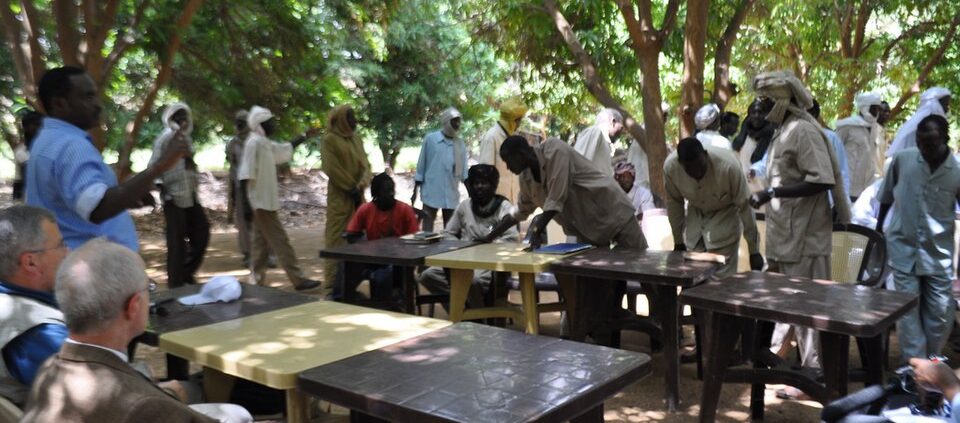
There have been noticeable reductions in violence where local peace initiatives have taken place, as seen in the United Nations Development Programme’s (UNDP) “Bridging Divides” report from October 2025. The report tracked efforts in the Darfur and Kordofan regions, noting the key actors, objectives and successes. In places such as Nyala, Ad-duain and Babanousa, native administrative figures, business leaders, local authorities and tribal chiefs led the charge; while in Zalingei, Youth Peace Ambassadors trained by the UNDP drove the initiatives.
In El Fasher, a formal group, the Elders and Mediation Committee of El Fasher, formed to represent various voices throughout the region including women’s representatives and representatives of armed groups. These leaders shared similar objectives, namely protecting essential infrastructure and medical facilities, brokering local cease-fires and assisting civilians with travel and aid. Because of the polarization experienced throughout Sudan, these groups also spread awareness campaigns and opened up dialogue between divided community members.
While most negotiated temporary cease-fires or truces to sustain regular civilian life, the efforts in Ad-duain led to a seven-month peace span and the committee in El Fasher prevented large-scale clashes for about a year. Local leaders in Ad-duain, Zalingei and Babanousa also reached out to the Rapid Support Forces and Sudanese Armed Forces directly in hopes of postponing major confrontations and creating verbal non-aggression arrangements within their regions.
Within all of these local peace efforts in Sudan, community aid was an entry point for rebuilding trust and traditional community structures, such as tribal leadership, served as a vessel for mediation. An important objective in every region was the maintenance of hospitals and local markets, as well as safeguarding the routes leading to essential services. By protecting and providing for civilians, fractured communities unified for peace despite the conflict at the national scale.
The UN in Kassala
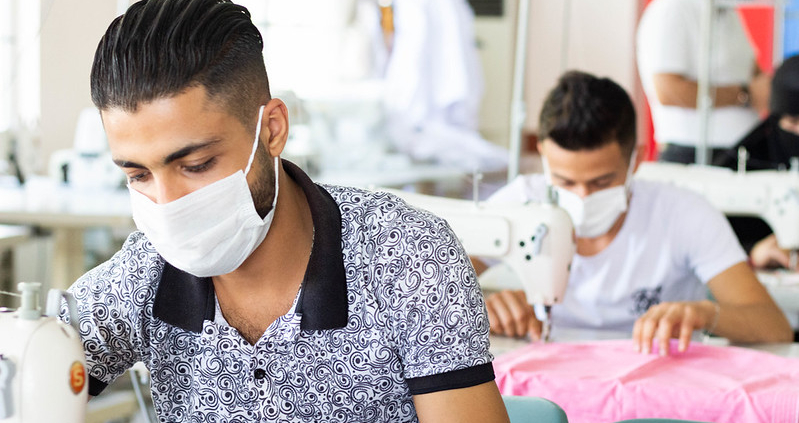
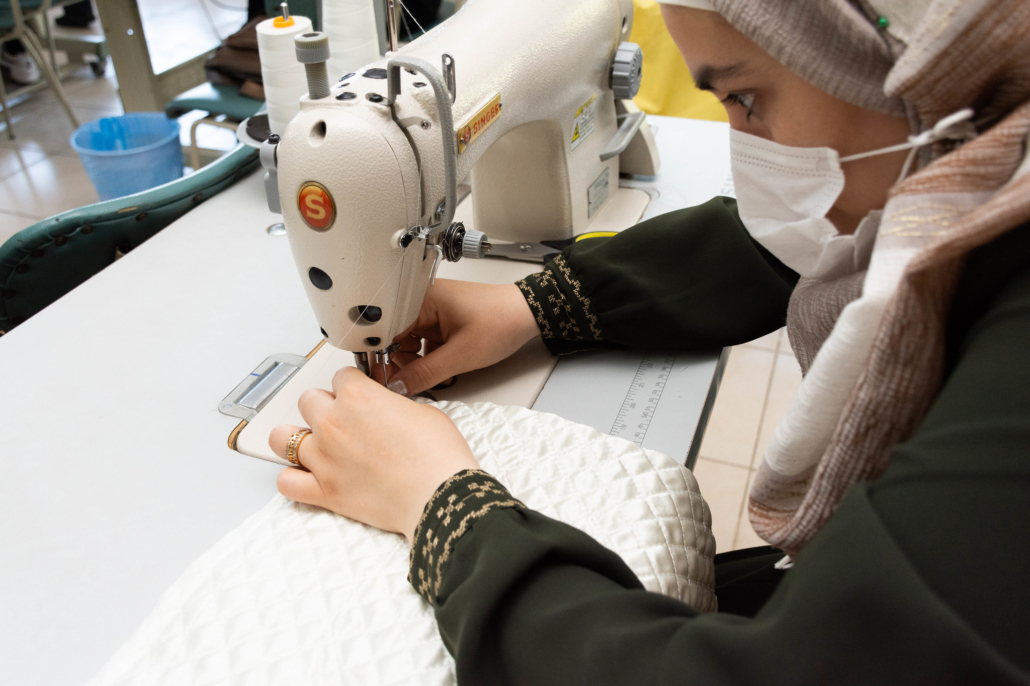
In Kassala, the U.N. Secretary-General Peacebuilding Fund funded a project titled “Strengthening Capacities for Peace and Social Cohesion in Kassala and Red Sea States.” The project supports social cohesion, gender equality and youth engagement. It helped 25 women in Kassala town establish a petty trade business supplying sugar, flour, cooking oils and other essentials. Through this, women who lived on opposite sides of the divide came together to collectively support each other.
Gisma, a woman from Kassala who is part of the enterprise, stated, “I used to worry about the future, about division. But this project gave me hope. We now have a reason to work together, to support each other.” The fund has also been used to train Youth Ambassadors who are assuming leadership roles within their communities, such as those in Zalingei.
Looking Ahead
Local peace efforts in Sudan currently lack the resources and recognition needed to sustain their successes. As long as the war continues, these initiatives remain under constant threat due to changing conditions and positions, which affect different areas. However, investments in these initiatives could also kick start a new approach to diplomacy. Rather than working only for a national cease-fire, victories in smaller regions could accumulate into a larger one. The tireless and dangerous work of local leaders and groups has paved the path for stability and will hopefully lead to lasting peace in Sudan.
– Joshua P Megson
Joshua is based in Albemarle, NC, USA and focuses on Good News and Technology for The Borgen Project.
Photo: Wikimedia Commons
 Against the backdrop of Mount Hermon, the Hasbaya region of South Lebanon features ancient olive groves, terraced hillsides, and the winding Hasbani River.