• Link to X
  • Link to Facebook
  • Link to Instagram
  • Link to TikTok
  • Link to Youtube
  • About
    • About Us
      • President
      • Board of Directors
      • Board of Advisors
      • Financials
      • Our Methodology
      • Success Tracker
      • Contact
  • Act Now
    • 30 Ways to Help
      • Email Congress
      • Call Congress
      • Volunteer
      • Courses & Certificates
      • Be a Donor
    • Internships
      • In-Office Internships
      • Remote Internships
    • Legislation
      • Politics 101
  • The Blog
  • The Podcast
  • Magazine
  • Donate
  • Click to open the search input field Click to open the search input field Search
  • Menu Menu

Tag Archive for: UNDP

Posts

Global Poverty, Women's Empowerment, Women's Rights

Things to Know About Haiti’s Gender Wage Gap

haiti's gender wage gapRanked 163rd out of 170 countries on the UNDP’s Gender Inequality Index in 2021, Haiti’s gender wage gap is categorized as the largest of any Latin American or African state. Many factors interact to maintain this level of income inequality, with traditional ideas around a woman’s role, gender-based violence and a disproportionate number of female workers in the informal sector reinforcing this harmful cycle. There are several attempts to eradicate these gender inequalities in the labor market, but more work is still necessary.

Haiti’s Gender Wage Gap and Unemployment

On average, female salaries are around 32% lower than their male counterparts in Haiti. About a third of this wage difference “can be explained by factors such as age, number of children, education, and industry of employment,” according to the International Monetary Fund (IMF). However, the rest of Haiti’s gender wage gap has no explanation, pointing towards a culture of gender discrimination. In rural areas, this manifests itself as more women living in poverty; households headed by women are more likely to live below the poverty line (62% compared to 54% of male-led households).

In 2017, women in Haiti were 20 percentage points more likely to be out of work than their male equivalents This was exacerbated during the COVID-19 pandemic, with women more likely to be unemployed or leave their positions, “reflecting a pattern of low labor market attachment among women that was already present and that expanded during the pandemic.” Although female unemployment has reduced slightly in the post-lockdown era, it still stood at 17.78% in 2023, compared to 11.79% for men.

Women and the Informal Sector

The informal sector contributes around 60% of Haiti’s GDP. Haitian women tend to dominate in this informal economy, partially due to a lack of opportunities or education, but also because Haitian women have “traditionally carried the brunt of family responsibilities” and the society sees them as “poto-mitan” – or backbone- of their families and wider communities. Thus, many women become informal merchants to earn money and juggle domestic responsibilities, contributing to Haiti’s gender wage gap. Women tend to work more in this informal sector which “small production units with low-profit margins” define, including a lack of protections and security for workers (10), which further disadvantages women in terms of pensions and rights, making job progression more difficult.

Traditional Gender Roles and Violence

Around half of Haitian homes, according to the May-June 2020 Haiti Gender Assessment, claimed that chores like cooking, cleaning and child-rearing were a woman’s responsibility in the home. This significant domestic burden inevitably places women at a disadvantage when looking for employment in comparison to men, who tend to have fewer if any domestic tasks.

Also, women have much less access to “productive resources” like land and financial tools, with only 8% of women in rural Haiti owning their own land, compared to 20% of rural men, according to the World Bank. Although only a third of Haitians have a bank account, the gender gap is around 5 percentage points, with much less women having access to these services.

An acute problem with gender-based violence could also be contributing to the persistence of Haiti’s gender wage gaps, given that violence against women “has profound implications for women’s [labor] market participation, driving economic and workplace barriers that erode financial independence and restrict access to meaningful employment opportunities.” In just the first quarter of 2024, there were 1,793 reports of GBV 94% of which came from women and girls, according to the Center for Strategic and International Studies (CSIS). Combatting chauvinist ideas and domestic violence towards women is key to empowering and integrating them into the workplace.

Education Gap Reversing

Despite a lack of progress regarding women’s involvement in the workforce, there has been progress in improving female education and attendance rates. Gender gaps have “closed or even reversed at the secondary and tertiary levels” with more girls between 15-24 years attending school than boys in rural areas, the World Bank reports.

However, gender gaps persist in lower stages of the education system, and men are still more likely to have graduated from secondary and higher education institutions than their female counterparts. This persisting gender gap in higher education attainment is inevitably worsening this gender pay gap, given that many women in Haiti have not been provided with the same level and quality of education as their male peers.

Solving Haiti’s Gender Wage Gap

The Haitian government has tried to make progress regarding the country’s marked gender wage gap, signing international accords addressing women and gender equality. It also has a Ministry for the Status of Women and Women’s Rights (MCFDF) and a Gender Equality Office for the Parliament, established in 2013, “to foster gender equality on the legislative level and women’s participation in formal politics.”

However, implementation has been slow, considering institutional weakness, political instability and a lack of funding for the MCFDF. Quotas for female representation in government have not had major success within these bodies, with women making up less than the constitutional requirement in both houses of the Haitian Parliament (less than 30%). Compared to its neighbors, Haiti is underperforming regarding the promotion of gender quality and equal opportunities, according to the World Bank.

USAID has also attempted to empower women and girls and combat Haiti’s gender wage gap. They have focused on programs intermingling economic factors and improvements to health and sanitation provision with measures to reduce poverty and gender-based violence. USAID initiatives to reduce poverty and stimulate growth have created 27,000 permanent jobs since 2011, 53% of which employed women, in sectors like construction and manufacturing.

Final Notes

Haiti is a country with a young population and much potential but has suffered at the hands of dictators, natural disasters, and political instability. The country’s gender pay gap has been fed by and worsened female participation in the labor market and the lack of employment opportunities for women. Despite great efforts by the Haitian government and USAID, the 32% gender wage gap persists, and women still find themselves without work, or limited to employment within more informal sectors without workplace protections.

– Ciara Howard

Ciara is based in Brighton, UK and focuses on Good News and Global Health for The Borgen Project.

Photo: Flickr

January 1, 2025
https://borgenproject.org/wp-content/uploads/borgen-project-logo.svg 0 0 Naida Jahic https://borgenproject.org/wp-content/uploads/borgen-project-logo.svg Naida Jahic2025-01-01 07:30:042024-12-31 03:24:23Things to Know About Haiti’s Gender Wage Gap
Global Poverty, Water, Water Sanitation

Water and Sanitation in Indonesia

water and sanitation in indonesiaIndonesia is renowned for its stunning landscapes, vibrant culture and warm hospitality, which draws millions of visitors annually. However, beyond its scenic allure lies a pressing challenge: inadequate access to clean water and sanitation. This issue severely impacts public health and disproportionately affects impoverished communities, where limited resources hinder access to essential health care services. Tackling this crisis is critical to breaking Indonesia’s cycle of poverty and fostering sustainable development.

Poverty and Indonesia’s Water and Sanitation Crisis

In Indonesia, where 9.4% of the population lives below the poverty line, approximately 192 million people lack access to safe water and 14 million do not have access to safe toilets. UNICEF report reveals that nearly 25 million Indonesians practice open defecation and 89% of water sources are contaminated by faecal bacteria. Shockingly, only 7% of wastewater is treated.

This improper disposal and untreated sewage worsen water pollution, leading to unsafe water consumption. Exacerbated by poverty, these factors create a breeding ground for waterborne diseases like diarrhoea and cholera. For children, unsafe water and poor sanitation lead to chronic illnesses and stunt growth. Regarding this, 21 out of every 1,000 children in Indonesia die before their fifth birthday, according to the Asian Development Bank (ADB).

The water and sanitation crisis in Indonesia is not only a public health issue but also an environmental one. Improper waste disposal leads to severe pollution of rivers and lakes, many of which serve as primary water sources for local communities. Regarding this, four of Indonesia’s rivers, Brantas, Ciliwung, Citarum and Progo, rank among the 20 most polluted rivers in the world. This widespread pollution undermines biodiversity and poses a significant threat to agricultural productivity, further exacerbating the challenges faced by local communities.

International Help

Addressing these issues requires investment in infrastructure such as wastewater treatment facilities and clean water distribution systems. Several NGOs are working to address the root causes of poor sanitation and improve access to clean water in Indonesia.

Since 2014, Water.org has empowered more than 5.1 million Indonesians access to safe water and sanitation through innovative partnerships and financing solutions, according to its website. Its WaterCredit initiative collaborates with local financial institutions and community organizations to expand water and sanitation infrastructure. Water.org also strengthens local water utilities, offering technical assistance and cost-efficient solutions to expand sustainable services. These initiatives not only improve health and hygiene but also support Indonesia’s broader economic and developmental goals.

Indonesia and the UAE have partnered to address the pollution in Indonesia rivers, formalizing the agreement through Clean Rivers and the United Nations Development Programme (UNDP). Over the next three years, the initiative aims to clean up 5,000 tons of waste from five river areas, this project aims to prevent waste leaks into the ocean and promote sustainable water management practices. It also supports Indonesia’s goals to reduce marine waste by 70% by 2025 through collaboration with local governments and environmental organizations.

Additionally, the U.N. has facilitated $1.7 billion in financing for the Sustainable Development Goals (SDGs), including Goal 6, which ensures access to clean water and sanitation in Indonesia. This support plays a crucial role in advancing water and sanitation efforts across the country.

A Call to Action

Addressing water and sanitation in Indonesia is not just a public health issue, it is a path to breaking the cycle of poverty and unlocking the country’s full potential. Expanding wastewater treatment facilities, improving access to clean water and addressing open defecation are critical steps.

“We must ensure the U.N.’s collaboration with Indonesia continually promotes responsive and resilient policies and initiatives in the face of global crises,” says Suharso Monoarfa, Minister of National Development Planning and Head of Bappenas. Therefore, supporting organizations that improve water quality and sanitation infrastructure in Indonesia can ensure a healthier and safer future for its people.

– Nour Mostafa

Nour is based in Gloucester, UK and focuses on Good Newsand Global Health for The Borgen Project.

Photo: Flickr

December 7, 2024
https://borgenproject.org/wp-content/uploads/borgen-project-logo.svg 0 0 Naida Jahic https://borgenproject.org/wp-content/uploads/borgen-project-logo.svg Naida Jahic2024-12-07 01:30:482024-12-07 01:16:51Water and Sanitation in Indonesia
Disability, Global Poverty, Poverty Reduction

Disability and Poverty in Georgia 

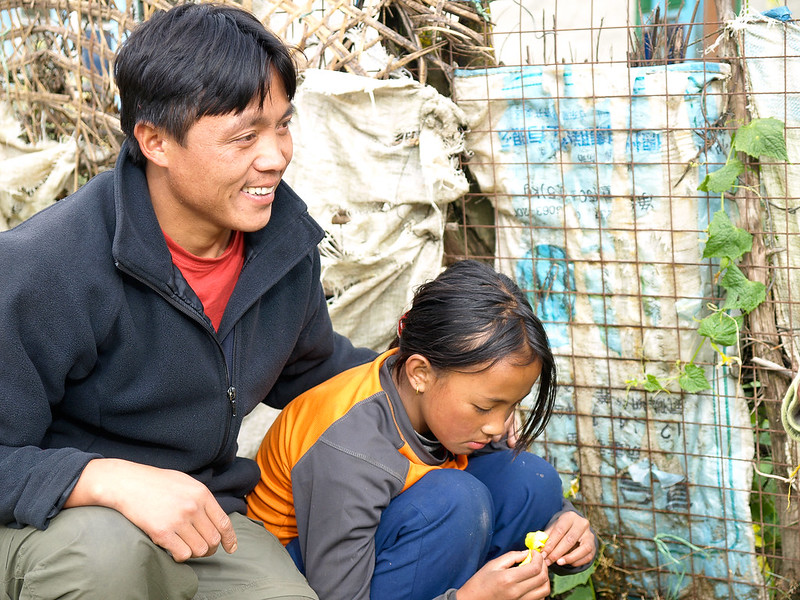
Disability and Poverty in Georgia According to a 2022 UNDP report, disability and poverty in Georgia are still affecting the country, with improvements to such situations only beginning recently. During the Soviet period, Georgia handled those with disabilities and those suffering from poverty because of their disabilities, with a mindset and a practice of “exclusion and institutionalization.” Reformations to this mindset and the subsequent practices are going through implementation and amendments to help people with disabilities lead to a better quality of life.

Background on Disability and Poverty in Georgia

In 2021, the Social Service Agency registered about 128,285 people with disabilities living in Georgia. This number could be greater due to the lack of statistical data on people with disabilities in the country, according to a 2022 UNDP report. The types of disabilities that one may encounter within the country are those with physical, mental, sensory or intellectual long-term impairments, UNDP reports.

Life for those with disabilities within Georgia is incredibly difficult. They often face discrimination due to their impairments and they live out their days in boarding houses and institutions for an indefinite amount of time, according to UNDP. Those with disabilities are more likely to be a part of the impoverished population of Georgia as the society sees them as not being capable of contributing to the workforce within Georgia’s economy, with the right to employment being one of the biggest issues that people with disabilities face within the country, according to UNDP.

The general poverty rate within Georgia stood at 4.3% as of 2022. In 2023, the total population of Georgia is around 3,760,365 people. Given the Social Service Agency of Georgia’s registered amount of people with disabilities in 2022, of 128,285 people, one can assume that the general poverty rate of people with disabilities could be at around 29.3%.

Georgian Young Lawyers Association

To help aid those suffering from disabilities and poverty in Georgia, several NGOs are helping to fight for people with disabilities to have rights in Georgia. One of which is the Georgian Young Lawyers Association (GYLA).

GYLA has been fighting for human rights since its establishment in 1994. It set out to protect human rights, strengthen the country’s democratic institutions and create fair governance by promoting transparency and governance accountability within the country. So far, GYLA has helped to provide Georgia with a Legal Aid Program that has helped to provide Georgians with 1.3 million consultations in free legal aid assistance. The Legal Aid Program that GYLA has established focuses on offering its assistance to those with disabilities, representatives of minorities, women and children, and those that face discrimination, by providing them with lawyer services both in local and international courts.

Organizations such as GYLA, as well as other companies and their consumers, are also helping to fight poverty in Georgia and have been able to see drastic results early this year. Specifically, companies like the Asian Development Bank (ADB) that develop year-long contracts to help provide the country with a more sustainable economy have helped to decrease Georgia’s unemployment rate by 14% in 2024, alone. With the increase in domestic consumption of goods and services within the economy by consumers, it is projected that the GDP will continue to increase in 2025, by about 7%.

Results

The country is not only working to reduce poverty, it is also working toward providing people with disabilities with personal agency. In 2014, Georgia ratified the UN Convention on the Rights of Persons With Disabilities. This ratification would allow them to make reforms to policies and legislation that would enable people with disabilities to be better represented within the country, as well as within their own families and communities. More recently, the country passed a 2020 Law on the Rights of Persons With Disabilities. This law would further allow for people with disabilities to be on an equal basis with their peers, by encouraging deinstitutionalization and essentially shifting the mindset of the country’s views towards people with disabilities to be that of a more inclusive one. 

Conclusion

Not only is Georgia beautiful to visit, but it has also been steadily and successfully addressing disability and poverty in Georgia. Georgia has been fighting against poverty since the early 2000s and has managed to increase GDP and monetary circulation throughout the economy. Overall, it would seem Georgia is headed for a bright future with the consistent fulfillment of the country’s SDG goals for the elimination of poverty and providing rights to those with disabilities and poverty within the country.

– Sadie Treadwell

Sadie is based in Grovetown, GA, USA and focuses on Business and Good News for The Borgen Project.

Photo: Flickr
November 16, 2024
https://borgenproject.org/wp-content/uploads/borgen-project-logo.svg 0 0 Jennifer Philipp https://borgenproject.org/wp-content/uploads/borgen-project-logo.svg Jennifer Philipp2024-11-16 07:30:082024-11-15 10:38:05Disability and Poverty in Georgia 
Development, Global Poverty

Innovation and Development in Armenia: Success and Optimism

Development in ArmeniaIn 1991, Armenia experienced transformation into an independent democratic state from a once Soviet Socialist Republic. Despite impressive reductions in poverty, the country has faced difficult times throughout its turbulent history. Most of the recent news out of the mountainous nation has centered around its troubling conflict with Azerbaijan, greatly neglecting the sucessful development in Armenia.

Background

The current situation in Armenia is complicated: although the nation has seen its Human Development Index increase by more than 20% since 1991, more than a quarter of Armenians were still living below the poverty line in 2019 and every third child is currently living in poverty. These consequences can be partially attributed to the trend of over-reliance on a few sources of prosperity, such as the export of commodity goods, tourism and financial services, which has restricted the opportunities available in the country to working-age individuals and their children.

Furthermore, Armenia had the largest agriculture sector as a proportion of GDP among  Eastern Europe and the South Caucasus (EESC) countries at 11% in 2021. The need for modernization and diversification is key to Armenia’s development success and the nation has solid foundations for continued poverty alleviation to be achieved. Armenians can look within for inspiration, with exciting, high-value industries such as the ICT sector proving to be catalysts for new growth and innovation. This highlights the importance of sustained innovation, education, opportunity creation, creativity and modernization for the ongoing development success of Armenia.

Government Initiatives

The Ministry of High-Tech Industry seeks to capitalize on Armenia’s high-tech potential by improving education in the sector. This initiative aims to attract influence from foreign high-tech specialists and establish a National Venture Fund to provide grants and support for startups in the country.

Armenia typically struggles with high outmigration. So, supporting bright young prospects as soon as they enter the labor force may lead to further innovations and the growth of new markets in the country. Furthermore, the arrival of tech specialists from Russia has “opened up new opportunities, with the potential to positively affect start-up creation, investment and growth of the ICT sector.”

The Ministry is also planning to increase the digital literacy of the general population through digital education programs and the widespread expansion of high-tech communication services. This is to ensure public digital literacy, improve accessibility to digital services for persons with disabilities and ensure the availability of a fixed internet connection.

Armenia has a legacy of “entrepreneurial culture and pockets of innovation excellence, such as the information and communication technology service exports sector.” Therefore, “strengthening innovation will play a central role in ensuring the country’s sustainable development, building a solid foundation for its transition to a knowledge-based economy.” New sources of growth for Armenia’s economy will inevitably bring some relief to the worst off in society, as the nation will be able to move away from things such as remittances from Russia to boost GDP, which usually only benefit the better-off.

NGO and International Efforts

The European Bank for Reconstruction and Development laid out its priorities in its 2019-2024 country plan for Armenia. It is prioritizing increasing the ability of small- and medium-sized enterprises to grow and add value, broadening access to finance, in particular for underserved segments and improving economic governance and greater competition. It will aim to achieve these goals by providing direct financing to SMEs, supporting the introduction of innovative technologies, bringing together and working with various financial interest groups and improving the quality of legal, institutional and regulatory frameworks that competition authorities can tackle monopolies.

Furthermore, The United Nations Development Program (UNDP) has been doing great work in Armenia. This includes investing in small and medium-sized enterprises, supporting local start-up initiatives and tourism development. The program is actively boosting entrepreneurism, developing a future-proof labor market and improving preparedness for shocks in rural communities. Through the promotion of technology-based education, re/up-skilling and upgraded public service models, the livelihoods of nearly 30,000 people have been strengthened to date.

Conclusion

While Armenia continues to work through difficult circumstances, the country is full of exciting initiatives seeking to push it far beyond simple subsistence. 

– Arshiya Eslamdoust
Photo: Unsplash

February 10, 2024
https://borgenproject.org/wp-content/uploads/borgen-project-logo.svg 0 0 Hemant Gupta https://borgenproject.org/wp-content/uploads/borgen-project-logo.svg Hemant Gupta2024-02-10 01:30:382024-02-10 00:12:12Innovation and Development in Armenia: Success and Optimism
Global Poverty

Mental Health Challenges Among Young People in Lao PDR

Young People in LaoOf the 6.5 million people living in the Lao People’s Democratic Republic (PDR), 60% are below the age of 25, and one in four suffer mental health challenges. The region, which spends just 0.3% of its health budget on mental health care and treatment facilities, must soon reconsider its prioritization of mental health care. This younger generation is expected to carry the burden of alleviating Lao PDR’s national debt, which is currently 70% greater than their GDP. Here is information about the mental health challenges young people in Lao PDR face and what some are doing about it.

The Region

For the last 20 years, the economy of Lao PDR has grown by more than 7%, but in spite of being one of the fastest-growing nations in Southeast Asia, 18% of the population lives in poverty. The COVID-19 pandemic exacerbated the economic struggles of the nation, which originated from large-scale borrowing of funds used for modernization. The kip lost half its value against the U.S. dollar, and from 2021 to 2023, inflation rose more than 40% per year. The government prioritized amending its economy, dismissing the social sector, investments in education, and infrastructure necessary to support a growing mental health epidemic in the region.

Young People in Lao PDR

A third of the population in Lao PDR are 10-24 years old, making the nation one of the youngest in Southeast Asia. However, close to 40% of those are not in education or registered as employed. School and business closures during the COVID-19 pandemic forced two in seven young people out of school and one in six into hazardous self-employed environments in order to provide for their families. Mental health challenges that young people in Lao PDR endured have consequently risen, and aid services are often inaccessible.

Mental Health Challenges in Lao PDR

Between the hopelessness that comes with being forced to leave school and the financial stresses produced by a weakened economy, it is easy to understand the root of mental health challenges that young people face in Lao PDR. With 75% of the young population living in rural areas with no access to mental health support, substance abuse is becoming an increasing issue in the nation. The majority of those struggling with mental health are from vulnerable populations — ethnic minorities, migrants and those with disabilities.

Taking Steps Toward Limiting Mental Health Challenges

The demand for mental health services in Lao PDR requires improvements in infrastructure. The World Health Organization (WHO) encourages prioritizing improving young people’s mental health through the establishment of aid programs. These efforts include: 

  • Community programs aimed at reducing rates of postnatal depression. 
  • Support from the United Nations Fund for Population Activities (UNFPA). 
  • Aid from the United States Agency for International Development (USAID).

All of these provide a pathway that leads toward reducing the mental health challenges of young people in Lao PDR.

Community Programs

Village health volunteers in Lao PDR are predominantly male, which complicates administering health care to pregnant women and adolescents. However, recent community programs aimed at creating professional gender equality in the nation have invited female village health volunteers into the community health care network. The programs pair a male and a female village health volunteer, especially for the reduction of postnatal depression rates in Lao PDR. Putting women at the forefront of mental health care support has proved to be effective in reducing postnatal depression rates.

Support from UNFPA

UNFPA offers support for anxiety arising from a lack of reproductive health knowledge, including funding training courses for counselors in Lao PDR. Many mental health workers across the nation have adopted these courses, and prompted multiple improvements to the nation’s social message on supporting young people’s mental health. Hotlines exclusively catering to the support of mental health challenges have been established and social media is being used nationwide as an informational platform, educating the younger generation on issues of psychological health.

Aid from USAID 

USAID reinforces the importance of mental health professions and improves the efficacy of treatments by rewarding research and development. In addition to encouraging mental health careers and research, USAID has pledged to create the necessary medical spaces for practitioners.

Restoring the Next Generation in Lao PDR

Emerging from the COVID-19 years into massive national debt, the young people of Lao PDR have increased rates of mental health challenges. However, they are receiving attention with local and international aid, as well as social reform. The next decade will prove whether or not this aid has been effective in supporting the mental health of young Laotians, but providing it is a critical step toward restoring Lao PDR as one of the most promising emerging markets in Southeast Asia. 

– Joseph Wray
Photo: Flickr

December 14, 2023
https://borgenproject.org/wp-content/uploads/borgen-project-logo.svg 0 0 Yuki https://borgenproject.org/wp-content/uploads/borgen-project-logo.svg Yuki2023-12-14 01:30:162023-12-11 10:03:59Mental Health Challenges Among Young People in Lao PDR
Global Poverty

4 Ways Nepal’s Community Forestry Impacts Poverty Alleviation

Community Forestry 
Having endured earthquakes in April 2015 while being one of the world’s youngest democracies, Nepal’s population has been struggling to lift themselves out of poverty. Nevertheless, a transformative light has emerged over the last 40 years through pioneering community forestry initiatives. Beyond empowering local communities, these endeavors present promising avenues for alleviating poverty’s grip. 

What is Community Forestry?

Community forestry is a participatory approach to natural resource management where local communities are empowered to collectively manage and make decisions about nearby forest resources. This practice involves sustainable utilization, conservation and regeneration of forests to meet both environmental and socioeconomic goals, offering communities opportunities for income generation, livelihood diversification and a stake in preserving their ecosystem. Here are four ways Nepal’s community forestry impacts poverty alleviation.

1. Empowerment for Economic Upliftment

Nepal’s community forestry model focuses on empowering local communities to manage their nearby forests. This approach opens avenues for sustainable resource utilization, creating income streams that can uplift communities from poverty. The village of Fulbari, nestled in Nepal’s Siwalik hill range, has become a powerful testament to the potential of community forestry in uplifting impoverished communities. With the backdrop of Nepal’s forest cover at 26%, Fulbari’s landscape shines as a living example of the success of such initiatives. 

The village, primarily comprised of the Tamang caste, faced considerable challenges, including displacement due to floods and limited resources. In 2003, Fulbari was established on public land to resettle those affected by natural disasters. The on-site Grass cultivation significantly supported livestock farming, offering a readily available source of feed, and freeing up time for other income-generating activities. The villagers embraced alternative crops like turmeric and ginger, diversifying their income streams. Financially, this transition was profound, with farmers experiencing improved economic conditions and even establishing internal funds for various needs.

2. Breaking Agrarian Chains

Nepal’s heavy dependence on agriculture has perpetuated poverty in rural pockets. Community forestry introduces an alternative avenue, offering livelihoods less vulnerable to climate shifts. According to a study in 2017 investigating the rural regions of central Nepal, it was found that small-scale farmers have shifted their primary livelihood focus from subsistence farming towards alternative non-farm endeavors, such as remittance-based income and wage labor. Additionally, the research highlighted that the trend of diversifying livelihoods through non-farm activities is prevalent among a significant portion of rural households.

3. Women’s Rise To Empowerment

Community forestry initiatives have ignited a positive ripple effect on gender equality and women’s empowerment. Women’s involvement in decision-making and income-generating pursuits is on the rise. As of 2009, the Community Forestry Guidelines were amended so that 50% of community forestry user group executive committee members would comprise women and 35% of user-group income would be used for pro-poor intervention. The Dolakha Community Forest underscores this trend with women-led endeavors such as herb cultivation and apiculture, leading to not only poverty reduction but also a shift in societal dynamics.

4. Scaling Impact for a Brighter Future

Community-managed forests now account for more than a third of Nepal’s forest cover, which has grown by about 22% since 1988, according to government data. Independent studies also confirm that greenery in Nepal has sprung back, with forests now covering 45% of the country’s land. Thus, Nepal’s achievements are garnering attention far beyond their borders. Government bodies and international organizations are amplifying these initiatives to replicate success stories. Supported by funding and expertise from entities like the United Nations Development Programme (UNDP), the expansion of community forestry continues to broaden opportunities for poverty alleviation.

Looking Forward

Nepal’s community forestry undertakings offer a glimmer of hope in the global struggle against poverty. Through local empowerment, livelihood diversification and gender-inclusive strategies, these programs present a blueprint for sustainable poverty alleviation. As Nepal’s journey unfolds, its lessons resonate globally, prompting us to explore innovative pathways that can uplift vulnerable communities and lead us closer to a world free from the shackles of poverty.

– Miriam Schuller
Photo: Flickr

November 4, 2023
https://borgenproject.org/wp-content/uploads/borgen-project-logo.svg 0 0 Lynsey Alexander https://borgenproject.org/wp-content/uploads/borgen-project-logo.svg Lynsey Alexander2023-11-04 03:00:212024-06-11 00:17:584 Ways Nepal’s Community Forestry Impacts Poverty Alleviation
Global Poverty

The Effects of Air Pollution in Iraq

Air Pollution in Iraq
Air pollution in Iraq is one of many environmental issues the country faces. As of 2022, it ranked second in having the worst air quality in the world, only behind Chad. That quality has continued as Iraqi oil fields grow, tainting the air around them and making Iraq the most polluted country in the Middle East.

The Environmental Protection Agency defines small inhalable particles as particulate matter and any particles with a diameter of 2.5 micrometers or less are expressed as PM 2.5. Using this measurement sets a standard of what is breathable and what is harmful to the human body. Iraq’s national average is nearly two times higher than World Health Organization (WHO) recommendations. These particles are small enough to get into the lungs and bloodstream, which can have disastrous impacts on major organs.

Air pollution in Iraq is affecting those struggling in poverty the most, which is nearly 25% of the population. They are more likely to live near industrial regions, including oil fields where air quality is at its worst, and have less access to affordable health care when compared to higher-income homes.

Steps are being taken to right the ship, and at the start of 2023, Iraq implemented a tree-planting initiative aiming to plant 5 million trees throughout the country that will clean up the air and combat desertification. It will also improve soil fertility and increase the availability of clean water, which is massively beneficial considering how prone Iraq is to droughts.

The Oil Boom

The main contributors to air pollution in Iraq are its massive oil fields in both the North and South. Oil operations in the country account for “95% of foreign exchange earnings,” according to the Iraqi Embassy in Washington, D.C. It produces slightly less than 4 million barrels per day as of now, but the Iraqi parliament has agreed on a plan to raise that number above 5 million barrels per day. It is the fifth largest producer of crude oil in the world, and while this has positive effects on Iraq’s economy, those who live near the oil fields see a very different reality.

Gas flaring describes the burning of excess methane gas when drilling for oil. In countries with strong infrastructure, this excess gas can be reused for further oil production or be processed and consumed for power generation; not so in Iraq. Gas flaring creates huge flames that release toxic gasses like benzene, which, when humans are exposed, causes cells not to work as they should. Exposure can lead to the loss of white blood cells and even death when ingested at high levels. The gas is so dangerous that Iraqi laws prohibit any oil and gas infrastructure from being closer than 10 kilometers from residential areas — but enforcement of those laws is insufficient. 

The Oil Field in Rumaila

In the southern city of Rumaila sits the third largest oil field in the world, which happens to be less than five kilometers away from residential housing, where almost 50% of residents live in poverty. The government has agreed to end what they call routine flaring, even going as far as signing a plan designed by the World Bank to find better uses for the excess gas.

Iraq is finding other ways it can improve its air quality and climate effects as a whole. With the help of the United Nations Development Program (UNDP), the Iraqi Ministry of Health and Environment revised multiple policies that address the country’s greenhouse emissions in the oil and gas sectors and also in agriculture, which will improve air quality. The 2021 commitment will see Iraq use excess methane in electricity production and have better control over crops that produce methane in higher numbers. The goal behind the changes taking place is for Iraq to lower usual greenhouse admissions by 15% by 2035.

Effects on Children

Air pollution in Iraq can be attributed to Western oil companies just as much as to Iraq itself. Oil giant BP practices flaring near Basra at the Rumaila oil field. Higher rates of cancer have been noticed, and many of them have been children. It has gotten so bad that Jassem al-Falahi, Iraqi Environmental Minister, had to admit a link between the two does exist, yet the Minister of Oil continues to deny all connections between air pollution and cancer rates.

Multidimensional poverty describes households that find themselves deprived of needs like education and basic infrastructure services. It is a unit of measure beyond monetary poverty and one in two Iraqi children face this obstacle. Living in poverty means less resilience to climate-related changes including air pollution.

Air pollution in Iraq is a problem that can be improved if those in high government positions can see eye to eye. Gas flaring affects the air quality, and there is a clear link between rising cancer rates and the burning of chemicals like benzene. The chemicals burned can be reused and be beneficial for Iraqis, especially those in poverty. It can be used for more oil production or to generate power in a country where middle-income homes rely on generators for 10 hours per day for power. Those in poverty do not have access to the funds needed to power generators so reusing oil byproducts solves multiple issues. 

– Benett Crim
Photo: Flickr

October 29, 2023
https://borgenproject.org/wp-content/uploads/borgen-project-logo.svg 0 0 Yuki https://borgenproject.org/wp-content/uploads/borgen-project-logo.svg Yuki2023-10-29 01:30:482023-10-25 06:56:43The Effects of Air Pollution in Iraq
Global Poverty

Leveraging the Blue Economy in Tanzania To Alleviate Poverty

The Blue Economy in Tanzania
The “blue economy” refers to the management of our oceans, blue resources and sectors. The blue economy seeks to promote well-being and social equity, helping to alleviate poverty by promoting and regulating the sector in a sustainable manner. Leveraging the blue economy in Tanzania will increase food security and employment — particularly for the youth and women, helping contribute to economic growth in a sustainable manner and improving the livelihoods of the people who live in the country. With the blue economy contributing to 60% of the gross domestic product in Zanzibar, Tanzania’s capital, alone employing 33% of Zanzibar’s population, it shows the importance of developing the blue economy for Tanzanians and the government.

Blue Economy Increases Employment Opportunities

One of the main ways leveraging the blue economy in Tanzania alleviates poverty is by tackling the country’s unemployment rates through job creation in the blue economy. As of 2022, unemployment rates were at 2.76% with youth unemployment rates at 4.26%. 

Therefore, in 2023, the African Development Bank Group (ADB) launched a $54 million initiative backed by the Government of Tanzania to drive job creation for youth in Zanzibar’s blue economy. The ADB set up a “Skills Development for Youth Employability in blue economy Project,” to help young Tanzanians find well-paying jobs in the blue economy. These are around the ocean and ocean-based activities include tourism, the maritime economy and the oil and gas industries. The most important industry targeted is the tourist sector as according to ADB it “contributes more than 29% of Zanzibar’s gross domestic product and employs about 33% of its workforce.”

This project aims to help 43,000 young Tanzanians, 40% of them being females and prepare 1,500 of them to become entrepreneurs and start their businesses improving their livelihoods and subsequently creating a positive feedback loop to “spur the creation of new jobs,” according to ADB.

Blue Economy Helps Local Communities

The United Nations Development Programme (UNDP) 2023 has collaborated with the Ministry of Blue Economy and Fisheries to develop a strategic plan to implement the blue economy in Zanzibar. To improve the livelihoods of coastal communities by growing economies thereby “creating jobs, improving food security, and reducing poverty, inequality and gender disparities.”

The upcoming initiatives will focus on sustainable habitat management, ecotourism and marine spatial planning, and through collaborative efforts with the UNDP, “Revolutionary Government of Zanzibar, Development Partners, Civil Society Organizations and the private sector,” it is hoped that the initiative will support Tanzania’s most marginalized members of society along with women and children to build a more resilient future. Sustainable habitat management will play a multi-purpose role in areas like marine protected areas and areas of coral reef restoration by helping support biodiversity and providing opportunities for eco-tourism which can generate income for local communities, creating a sustainable approach to prosperity.

Leveraging the blue economy in Tanzania to alleviate poverty is important as it helps locals increase their income due to higher paying jobs promoted by the blue economy allowing them to help their families break out of cyclical poverty and create intergenerational wealth. Furthermore, it also creates a stronger and more resilient economy, which will help benefit people and sectors that aren’t a part of the blue economy, improving livelihoods for all.

– Kishan Patel
Photo: Flickr

October 6, 2023
https://borgenproject.org/wp-content/uploads/borgen-project-logo.svg 0 0 Yuki https://borgenproject.org/wp-content/uploads/borgen-project-logo.svg Yuki2023-10-06 07:20:402023-10-08 02:27:52Leveraging the Blue Economy in Tanzania To Alleviate Poverty
Global Poverty, Poverty Reduction, Sustainable Development Goals

Achieving the SDGs in Guinea Bissau

SDGs in Guinea BissauGuinea Bissau is a country located on the west coast of the African continent. Despite having a rich culture and strong natural resources, it is one of the most impoverished nations in the world, the World Bank says. Guinea Bissau had a GDP of just $1.63 billion in 2022 and, in 2018, almost 22% of the population lived in extreme poverty, surviving on less than $2.15 per day. Progress toward the U.N. Sustainable Development Goals (SDGs) is essential for global poverty reduction. And likewise, achieving the SDGs in Guinea Bissau is essential for the country’s overall growth, development and poverty reduction progress.

According to the Sustainable Development Report on Guinea Bissau, major challenges remain in 13 out of 17 SDGs. Also, significant challenges remain in SDG 10 (Reducing Inequalities) but the country has achieved SDG 13 (Climate Action). For the remaining two SDGs, there is no data to assess.

UN Investment and Aid

In April 2022, the U.N. and the government of Guinea Bissau met to discuss the government’s implementation of the Cooperation Framework strategy, which runs from 2022 until 2026 and aligns with the country’s National Development Plan and the U.N. 2030 Agenda for Sustainable Development. The framework focuses on three outcomes: “Governance, economic transformation and human development.” Poverty reduction and wealth inequality fall into the first two focuses. The overall aim of this plan is for the U.N. to assist Guinea Bissau in meeting the 17 SDGs.

In the year 2022, the U.N. committed almost $87 million to help Guinea Bissau move closer to reaching the SDGs.  In 2023, so far, the U.N. has provided $75.3 million, mostly used in the areas of health and well-being (49.3% of the total value), peace, justice and effective institutions (11.6% of the total) and zero hunger and sustainable agriculture (17.1% of the total).

UNDP Aids Development in Guinea Bissau

Among Guinea Bissau’s development cooperation partners and organizations, UNDP is the main partner, and it already has an office in the country and projects aimed at specific local needs since the country’s independence in 1975.

The UNDP acts in the country and, consequently, for international development, supporting good governance in order to achieve equality and opportunity for all. The UNDP focuses on good governance to ignite progress in the development of other key areas. These other areas are democratic governance, efforts toward national social cohesion and peace, gender equality, poverty reduction, environmental sustainability and health.

With regard to methodologies and work strategies for development, the UNDP identifies and states that current development challenges are interconnected and interdependent. This means that an integrated approach is necessary rather than isolated efforts in order to bring about lasting change in development and poverty reduction in Guinea Bissau.

UNDP Projects in Guinea Bissau

To help Guinea Bissau move closer to achieving the SDGs, the UNDP has implemented several projects:

  • Building Forward Better in Guinea Bissau: This project began in January 2022 and will end in December 2024 with the aim of advancing progress on the SDGs overall.
  • Political stabilization and reform: Building trust and inclusive dialogue within the national political regime in order to make it more democratic and in line with U.N. principles.
  • Blue economy as a catalyst for green recovery: The project focused on leveraging the country’s blue economy through open and interactive dialogue involving the private sector and civil society, thus obtaining investment from multiple parties. The project began in January 2021 and ended in December 2022.
  • Stabilization of the justice sector: A proposal that seeks to achieve political stability, considering that the main cause of the difficulty of development is due to the existing political crises in the country, in order to support the justice sector in accordance with the principles of the system international human rights, resulting in the consolidation of internal peace.

Overall, the efforts of the U.N. and its agencies prove vital in helping Guinea Bissau meet the 17 SDGs with just seven years remaining.

– Letícia Lacerda
Photo: Unsplash

September 30, 2023
https://borgenproject.org/wp-content/uploads/borgen-project-logo.svg 0 0 Kim Thelwell https://borgenproject.org/wp-content/uploads/borgen-project-logo.svg Kim Thelwell2023-09-30 01:19:192024-12-13 18:03:04Achieving the SDGs in Guinea Bissau
Global Poverty, Health

Improving Health care Access in Rural Mali Via Mobile Clinics

Health care Access in Rural Mali
In a major stride towards improving health care access and combating poverty in rural Mali,
a groundbreaking initiative featuring mobile clinics and telemedicine has taken center stage. Rural Mali has long faced the challenges of limited health care infrastructure, scarcity of medical professionals and inadequate resources. For years, these barriers have hindered communities from receiving timely medical attention, leading to preventable illnesses, lost productivity and a cycle of poverty that has been difficult to break.  

Mobile Clinics Reach Remote Villages

Mobile clinics have done miracles for health care access in rural Mali. In the regions of Gao and Mopti, where access to medical facilities was limited, Première Urgence Internationale, a local NGO partnered with the Malian government to deploy mobile clinics. These clinics, staffed with medical professionals, traversed difficult terrains to reach isolated villages that were previously cut off from health care services.  

The impact was evident as villagers received critical medical attention for conditions like malaria and respiratory infections. In addition to treating acute illnesses, the clinics focused on preventive measures, such as vaccinations and health education. This approach led to a decrease in preventable diseases, resulting in a healthier and more productive population. 

Furthermore, mobile clinics’ regular visits ensured better nutrition and early detection of health issues among children. This in turn leads to better school attendance rates which allows parents to devote more time to economic activities, breaking the cycle of poverty. 

Telemedicine Bridges the Gap

Telemedicine has played a pivotal role in providing specialized care to remote regions, reducing the burden on urban health care centers and providing essential health care access in rural Mali. In Kayes, a city with limited medical facilities, a telemedicine network was established to connect local clinics with medical experts in the capital city of Bamako. 

Expectant mothers in Kayes, who previously had to travel long distances for prenatal care, could now receive remote consultations with obstetricians. Complications during pregnancy were swiftly identified and early interventions saved lives. 

Moreover, telemedicine enabled the management of chronic diseases like diabetes and hypertension. UNDP-led project SanDi has helped patients with virtual check-ups in regions like Sikasso which has its challenges accessing regular health care. Improved disease management means fewer medical emergencies and reduced health care expenses, freeing up resources for other essential needs. 

The Nexus Between Improved Health Care and Poverty Alleviation

The marriage of mobile clinics and telemedicine is proving to be a powerful tool in the fight against poverty. Here is how this solution-oriented approach is making a tangible difference:

  1. A Healthier Workforce: By receiving timely medical attention, villagers can stay healthy and productive. A healthier workforce translates into increased productivity, higher income levels and a reduced reliance on government aid. 
  2. Reduced Medical Expenses: Access to free or affordable health care in rural areas helps families save on medical expenses. Reduced health care costs mean more money can be channeled toward education, nutrition and other basic needs. 
  3. Improved Maternal and Child Health: Mobile clinics and telemedicine have significantly improved maternal and child health outcomes. Timely prenatal care and medical support during childbirth have reduced infant mortality rates, ensuring a brighter future for the next generation. 
  4. Enhanced Economic Opportunities: As health care improves, communities become more attractive to businesses and investments. Improved health infrastructure can pave the way for economic development, leading to more job opportunities and higher standards of living. 
  5. Empowering Women: With better health care access, women in rural areas can actively participate in the workforce, gain financial independence and contribute to their families’ well-being. 

Looking Forward

The success of improving health care access in rural Mali through mobile clinics and telemedicine is a testament to the power of innovation and collective action. With continued support from governments, non-governmental organizations and global partners, this initiative can be scaled up to bring lasting change and create a healthier, more prosperous future for all Malians. 

– Valentin Lyazov
Photo: Flickr

September 10, 2023
https://borgenproject.org/wp-content/uploads/borgen-project-logo.svg 0 0 Lynsey Alexander https://borgenproject.org/wp-content/uploads/borgen-project-logo.svg Lynsey Alexander2023-09-10 07:30:452023-09-06 07:15:34Improving Health care Access in Rural Mali Via Mobile Clinics
Page 5 of 16«‹34567›»

Get Smarter

  • Global Poverty 101
  • Global Poverty… The Good News
  • Global Poverty & U.S. Jobs
  • Global Poverty and National Security
  • Innovative Solutions to Poverty
  • Global Poverty & Aid FAQ’s
Search Search

Take Action

  • Call Congress
  • Email Congress
  • Donate
  • 30 Ways to Help
  • Volunteer Ops
  • Internships
  • Courses & Certificates
  • The Podcast
Borgen Project

“The Borgen Project is an incredible nonprofit organization that is addressing poverty and hunger and working towards ending them.”

-The Huffington Post

Inside The Borgen Project

  • Contact
  • About
  • Financials
  • President
  • Board of Directors
  • Board of Advisors

International Links

  • UK Email Parliament
  • UK Donate
  • Canada Email Parliament

Get Smarter

  • Global Poverty 101
  • Global Poverty… The Good News
  • Global Poverty & U.S. Jobs
  • Global Poverty and National Security
  • Innovative Solutions to Poverty
  • Global Poverty & Aid FAQ’s

Ways to Help

  • Call Congress
  • Email Congress
  • Donate
  • 30 Ways to Help
  • Volunteer Ops
  • Internships
  • Courses & Certificates
  • The Podcast
Scroll to top Scroll to top Scroll to top