• Link to X
  • Link to Facebook
  • Link to Instagram
  • Link to TikTok
  • Link to Youtube
  • About
    • About Us
      • President
      • Board of Directors
      • Board of Advisors
      • Financials
      • Our Methodology
      • Success Tracker
      • Contact
  • Act Now
    • 30 Ways to Help
      • Email Congress
      • Call Congress
      • Volunteer
      • Courses & Certificates
      • Be a Donor
    • Internships
      • In-Office Internships
      • Remote Internships
    • Legislation
      • Politics 101
  • The Blog
  • The Podcast
  • Magazine
  • Donate
  • Click to open the search input field Click to open the search input field Search
  • Menu Menu

Tag Archive for: Refugees and Displaced People

Posts

Global Poverty, Refugees, Refugees and Displaced Persons

The African Nation Leading the World: Uganda’s Refugees

Uganda's RefugeesHosting the most asylum-seekers in Africa and the fifth most in the world, Uganda offers refugees a safe and welcoming place. The country employs an open-door policy to help anyone in need. Currently, more than 1.7 million refugees live in Uganda, most from neighboring countries facing humanitarian crises. Many have come from the Democratic Republic of Congo, South Sudan and Somalia—countries battling war or terrorism. About 54% of Uganda’s refugees are children and 26% are women, many of whom have lost their families and endured severe sexual and physical violence. For many, Uganda is the first safe place they have experienced.

Uganda’s commitment to hosting refugees goes beyond providing shelter. The government, along with international organizations, has implemented initiatives to help refugees rebuild their lives. These efforts reflect the country’s broader approach to refugee welfare, turning policy into tangible support for millions of displaced people.

Support Available to Uganda’s Refugees

  • Land. Uganda offers refugees small plots of land to grow and cultivate food. About 78% of rural refugees own agricultural land. This not only helps refugees support themselves and their families but also boosts Uganda’s economy and is a key reason the country can house so many.
  • Education. All child refugees receive a free education. There are also initiatives beyond basic schooling, including programs for adults. The U.N. High Commissioner for Refugees (UNHCR) has worked in the country to help prevent gender-based violence (GBV). A total of 135,080 men, women and children took part in a program that increased awareness of GBV, particularly male accountability. In addition, 27% of child refugees aged 5 to 17 received support for psychosocial development and 20,000 parents and caregivers received positive parenting training to strengthen child well-being and safety.
  • Green Initiative. By December 2024, 68,062 refugee and host community households in Uganda had received energy-efficient cookstoves, covering 44.5% of refugee households since 2020 and reaching 75.6% of the 2024 response plan target. Refugees also produced 45.1 tons of briquettes, most of which were sold for income. The cookstoves improved daily life as well, providing a cleaner option that helps prevent respiratory issues.
  • Health Care. As well as receiving free basic health care, Ugandan refugees are vaccinated to prevent potential pandemics. The Global Alliance for Vaccines and Immunization (GAVI) and the United Nations Children’s Fund (UNICEF) supplied 98.1% of refugees in Uganda with the measles vaccination. Although reports of outbreaks appeared in various refugee settlements, all were resolved with zero casualties.

The Future of Uganda’s Refugees

Uganda’s struggle with economic hardship raises questions about the future of refugees in the country. The number of struggling neighboring countries has led to a large influx of refugees, adding further stress on resources.

Although refugees feel safe, their quality of life remains imperfect. Schools and health facilities are overcrowded, reducing the quality of care and education for both refugees and hosts. In addition, 48% of asylum-seekers live in poverty and many blame Uganda’s self-reliance strategies and livelihood training. After receiving land, many refugees are responsible for their own survival, yet the training beforehand is not comprehensive. Beyond farming, job opportunities for refugees are limited, particularly since Uganda was already facing high unemployment before the influx of asylum seekers.

Multiple organizations are working to alleviate the pressure on resources. The U.N. High Commissioner for Refugees (UNHCR) is active in the country, partnering with local and global nongovernmental organizations (NGOs) to provide various types of aid. UNICEF and GAVI address health concerns, including vaccination programs. In addition, the United Nations World Food Programme (WFP) supports 660,000 refugees in Uganda and recently received €5 million from the European Union (EU) to continue its mission. RISE is also working to improve education and aims to reach 85,372 children and 12,264 teachers.

Looking Ahead

Overall, to continue supporting vulnerable refugees, Uganda needs support and funding from global organizations. Better training for asylum seekers before they receive land, as well as access to more public facilities for the entire population, is also needed. This could be challenging, as countries around the world are reducing foreign aid and organizations are already struggling with funding. WFP, for example, had to halt food assistance to nearly one million refugees, while others received reduced rations. Uganda’s generosity has set a global example and the future of its refugees depends on continued international support.

– Lysia Wright

Lysia is based in Derby, UK and focuses on Global Health and Politics for The Borgen Project.

Photo: Flickr
September 29, 2025
https://borgenproject.org/wp-content/uploads/borgen-project-logo.svg 0 0 Precious Sheidu https://borgenproject.org/wp-content/uploads/borgen-project-logo.svg Precious Sheidu2025-09-29 03:00:002025-09-28 23:30:45The African Nation Leading the World: Uganda’s Refugees
Global Poverty, Migration, Poverty

Migration to India, Poverty and the Politics of Exclusion

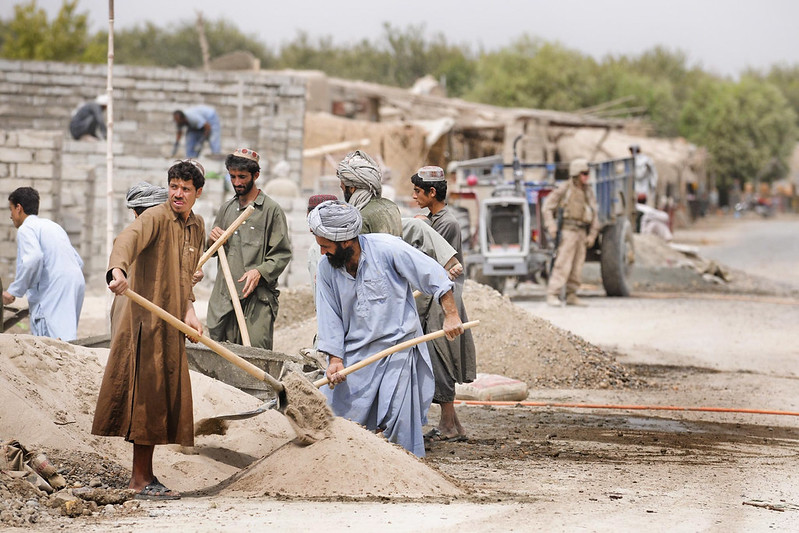
Migration to IndiaMigration to India has long reflected a complex mix of geography, history and regional instability. From persecuted minorities in South Asia to economic migrants seeking work, India has, for decades, absorbed people crossing its borders. In many cases, this migration has offered a lifeline; safety, access to livelihood and new beginnings. However, in recent years, the politics of Hindu nationalism has reshaped how the country views migrants, deepening vulnerabilities and reinforcing cycles of poverty. Yet, amid these challenges, there remain examples of resilience and potential for a more inclusive approach.

1. A Historical Overview

India has historically hosted displaced populations including Tibetans, Afghans, Sri Lankan Tamils and Rohingya Muslims. While not a signatory to the 1951 Refugee Convention, India has traditionally adopted a pragmatic, albeit informal, approach to asylum. In many communities, local support networks, religious institutions and NGOs have helped new arrivals find their footing. This social infrastructure has allowed some migrants to gradually improve their living conditions, find employment and send children to school.

However, the Citizenship Amendment Act (CAA) of December 2019, marked a key turning point. The law fast-tracks citizenship for non-Muslim migrants from Afghanistan, Bangladesh and Pakistan, excluding Muslims from its scope, thereby punishing them. Presented by the government as a humanitarian gesture, it draws criticism from citizens and groups for institutionalizing religious discrimination. Consequently, migration to India is increasingly becoming, not a matter of regional urgency or economic contribution, but a question of religious identity.

2. Exclusion and Statelessness

Among the groups most affected are Rohingya Muslims from Myanmar. Many came to India after fleeing violent persecution, hoping for protection. Instead, India detained or labeled them illegal immigrants. In 2024, Rohingya refugees in Assam held a hunger strike to protest indefinite detention. With no formal recognition of their status, access to housing, education and health care remains extremely limited.

For migrants without documents, whether due to fleeing conflict or bureaucratic exclusion, the result is a state of legal invisibility. Without proof of identity, the country denies them welfare benefits, government schooling and formal employment. This leads to entrenched poverty that is less about economic conditions and more about political choices.

3. Hindu Nationalism and the Narrative of Threat

What has shifted in recent years is not the scale of migration to India, but the narratives surrounding it. Hindu nationalist discourse presents Muslim migrants as demographic threats or infiltrators. In this environment, policies such as the CAA and the proposed National Register of Citizens (NRC) serve to redefine national belonging.

In Assam, the NRC process has already left thousands, many of them poor and Muslim, stateless. These individuals now face the burden of proving their citizenship through documentation they may never have had. For those arriving in India today, poverty is no longer simply a backdrop; it is often the outcome of systematic exclusion.

4. Labor and Local Integration

Despite these obstacles, many migrants contribute meaningfully to India’s economy. In border states and urban centers, migrants work in construction, agriculture, domestic labor and small-scale manufacturing. Even in the absence of formal protections, many have managed to secure stable income over time. In cities like Hyderabad and Delhi, refugee communities have set up small businesses, language schools and community support services, often with limited resources but strong internal solidarity. 

These contributions challenge the dominant narratives of threat and burden. Instead revealing how migration to India can, when supported by thoughtful policy, contribute to local economies and social resilience.

5. Toward a More Inclusive Future

The path forward depends on how India chooses to balance national interest with humanitarian responsibility. A more inclusive approach would involve expanding legal protections, enabling access to documentation and ensuring that religion is not the basis for citizenship. Small policy shifts, such as temporary work permits, school access for children or municipal registration for housing, could significantly reduce poverty among new arrivals.

At the same time, civil society, legal advocates and local communities have shown that change does not depend solely on national policy. Grassroots efforts continue to offer legal aid, education and medical services to undocumented migrants. These actions, while limited in scale, show what is possible when dignity and inclusion are prioritized. While difficult to find structured organizations, there are groups helping the cause of migrants. For example “an Indian medical specialist who volunteered in several migrant-led organizations, such as a regional group and the Indian consulate-general medical committee, and has successfully helped repatriate bedridden patients and the mortal remains of deceased to India. He simultaneously partners in a law firm specializing in insurance cases for migrants who have met with accidents.” Although the motives of those helping are questionable and often selfish, they do eventually benefit migrants and those in need to a tangible extent.

Looking Ahead

Migration to India reflects both the region’s humanitarian need and the country’s political divides. For many migrants, it offers a last resort against persecution or poverty. Yet too often, their arrival is met with suspicion, exclusion and institutional neglect. Still, the potential for integration remains. Migration continues, but under policies that choose who gets dignity and who remains disposable. Unless these dynamics are addressed, migration will remain a mirror not just of poverty, but of the nation’s growing inequality.

– Maryam Qutbuddin

Maryam is based in Reading, UK and focuses on Business and Good News for The Borgen Project.

Photo: Unsplash

September 27, 2025
https://borgenproject.org/wp-content/uploads/borgen-project-logo.svg 0 0 Jennifer Philipp https://borgenproject.org/wp-content/uploads/borgen-project-logo.svg Jennifer Philipp2025-09-27 03:00:512025-09-27 02:28:12Migration to India, Poverty and the Politics of Exclusion
Charity, Global Poverty, Migration

Casa Cornelia Law Center: Legal Representation to US Immigrants

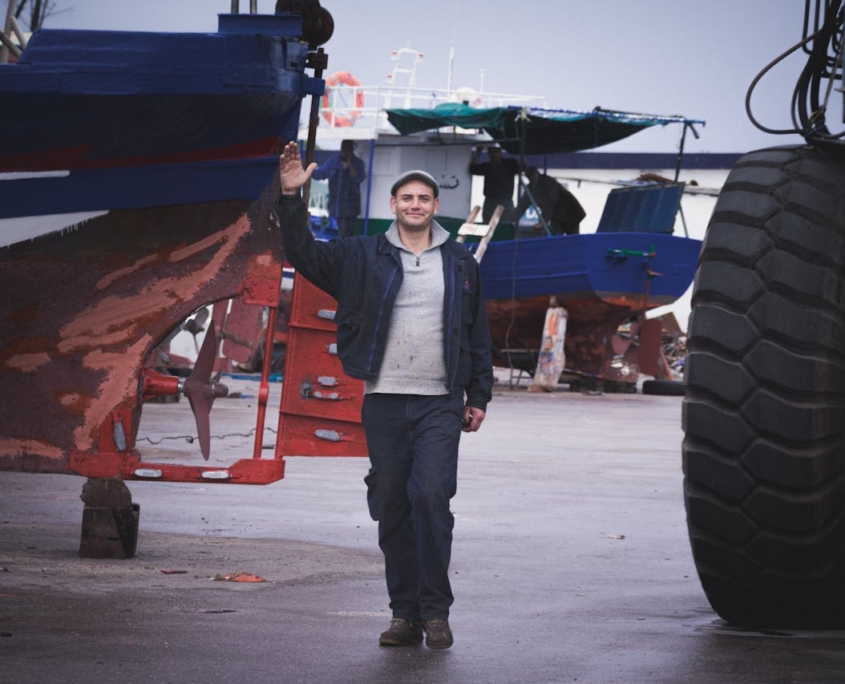
Casa Cornelia Law CenterOver the past year, many U.S. immigrants have sought legal representation in response to the current federal administration’s immigration policies. Individuals with attorney representation have a far greater chance of securing legal relief than those without. For this reason, having an attorney to provide case assessment and legal support is crucial.

However, many people cannot afford private attorney fees. For instance, a deportation defense can cost anywhere from $2,000 to $15,000. This creates a problematic situation for vulnerable individuals and their families, as many immigrants do not have the economic means to pay for needed legal services and are forced to forego the opportunity to have an attorney defend them.

Casa Cornelia Law Center helps mitigate this challenge by providing legal support free of charge. The Borgen Project spoke with Casa Cornelia Communications Manager Pedro Anaya to gain further insight into the organization’s work.

Casa Cornelia’s Story

Located in San Diego, Casa Cornelia Law Center was founded in 1993 by Sister Ann M. Durst, a member of the Society of the Holy Child Jesus. Durst envisioned providing free legal services to victims of human and civil rights violations. Over time, the law center grew into an established nonprofit public interest law firm serving Southern California.

Casa Cornelia Law Center believes “justice with compassion is a human right—not a privilege.” Too often, justice becomes a privilege because of the high cost of legal representation. Casa Cornelia bridges this justice gap by providing all its services at no cost to clients.

The organization sustains its free services through donations from individuals and institutional grants. To further its impact, in addition to its dedicated staff, Casa Cornelia recruits, trains and mentors volunteer attorneys from the private bar and volunteer interpreters and translators from the community to expand its mission reach and maximize its limited resources.

Services and Impact

Casa Cornelia offers its services to help unaccompanied children, asylum seekers and victims of serious crimes. As an extension of its services and to further support its clients, the organization coordinates access through referrals to needed social services, such as psychological and medical resources, via a network of trusted agency connections.

In 2024, Casa Cornelia responded to nearly 3,000 diverse cases, helping people from 79 countries and in 55 languages. Around 48% of the cases were asylum seekers, 35% were unaccompanied children and 17% were survivors of violent crimes. It also has the support of 500 volunteers.

The center also supports volunteer training, trauma-informed aid for clients and the maintenance of legal staff.

Looking Ahead

Casa Cornelia Law Center has helped the indigent immigrant community in Southern California for more than 30 years. Through a free legal process, the charity makes justice more accessible for those who do not have the means to hire private counsel. As the needs increase, the law center will continue to pivot to meet the needs in the community.

– Andrea Roji

Andrea is based in San Diego, CA, USA and focuses on Good News for The Borgen Project.

Photo: Flickr
September 6, 2025
https://borgenproject.org/wp-content/uploads/borgen-project-logo.svg 0 0 Hemant Gupta https://borgenproject.org/wp-content/uploads/borgen-project-logo.svg Hemant Gupta2025-09-06 07:30:182025-09-05 15:28:00Casa Cornelia Law Center: Legal Representation to US Immigrants
environment, Global Poverty, Refugees

Fighting Climate Impacts on Refugees with CRRF

CRRFMany refugee camps around the world experience significant climate impacts such as flooding and extreme weather, displacing already vulnerable groups. The adverse effects of bad weather often impact displaced people as countries continue to plan refugee settlements based on political decisions, with little research on environmental and geographic vulnerabilities. In order to protect their human rights and reduce climate impacts on refugees, governmental support must be provided from within the host countries.

Climate Impacts in Sudan, Bangladesh and Jordan

Rohingya refugees in Bangladesh, Syrian refugees in Jordan and refugee camps in Sudan specifically have noted recent environmental disasters threatening human lives. In 2021, Cox’s Bazar, Bangladesh and Alganaa camp in Sudan reported the destruction of structures and several deaths due to flooding.

U.N. Secretary-General António Guterres expressed concern about Cox’s Bazar being on the “front lines of the climate crisis,” as it is the world’s largest refugee settlement. The camp faces year-round instability, from fire-prone summers to a dangerous monsoon season. Similarly, South Sudanese refugees had only lived in the Alganaa camp for a month before floods hit Sudan’s White Nile region. Historically, the lack of environmental studies across Africa has led to the suboptimal placement of refugee camps.

In Jordan, the Za’atari refugee camp is the largest shelter for displaced Syrians in the world. The camp faces extreme cold in the winters in addition to its dry, hot summers. Despite Syrian refugees’ economic resilience through creating many successful businesses in the Za’atari market, a fraction of refugees hold work permits for other sectors, causing further economic uncertainty during climatic events.

All three camps face diverse climate impacts on refugees and preemptive mitigation responses from host countries have been minimal due to political circumstances.

Uganda’s Comprehensive Refugee Response Framework

The United Nations Refugee Agency (UNHCR) has recognized Uganda’s Comprehensive Refugee Response Framework (CRRF) as a key model for promoting refugee self-reliance. It addresses economic challenges by providing land for housing and farming, which in turn helps tackle social issues like access to education and skill development. The CRRF is a model that benefits host countries by stimulating the economy and strengthening agricultural networks through refugee settlement. It also supports the economic well-being of vulnerable populations and helps prevent overcrowding in refugee camps.

Despite the benefits of Uganda’s resettlement model, some refugee settlements still face climate-related damage that threatens agricultural livelihoods. To address this, UNHCR has proposed climate-resilience initiatives that promote low-carbon development in refugee-hosting areas. Implementing additional frameworks like Nationally Determined Contributions (NDCs) and National Adaptation Plans (NAPs) is also essential to reduce climate risks for refugees.

Although it would not be possible to provide land in countries with a high population density, like Bangladesh, it is still ideal for such governments to expand their use of NDCs and NAPs in other ways. Bangladesh’s existing climate finance strategies under its NDCs offer a foundation for strengthening protections for vulnerable groups.

UNHCR Pilot Program: Refugee Environmental Protection Fund

First piloted in Uganda, the Refugee Environmental Protection Fund (REPF) directly involved refugees in climate initiatives. It supports reforestation, energy access and clean cooking programs to “link refugees and host communities to the global carbon market.”

As of 2025, the Fund is looking to expand into countries like Bangladesh and Sudan, though the possibility of implementation will take longer to assess. Additionally, the refugee crisis in Jordan is not currently assigned to the initiative. Combining REPF with the CRRF could help refugees gain independence, achieve economic growth and mitigate climate impacts.

– Aliyah Omar

Aliyah is based in Alberta, Canada and focuses on Global Health and Politics for The Borgen Project.

Photo: Unsplash

August 16, 2025
https://borgenproject.org/wp-content/uploads/borgen-project-logo.svg 0 0 Hemant Gupta https://borgenproject.org/wp-content/uploads/borgen-project-logo.svg Hemant Gupta2025-08-16 03:00:142025-08-15 12:23:07Fighting Climate Impacts on Refugees with CRRF
Global Poverty, Refugees, Technology

UNHCR and TECNO: Empowering Young Refugees

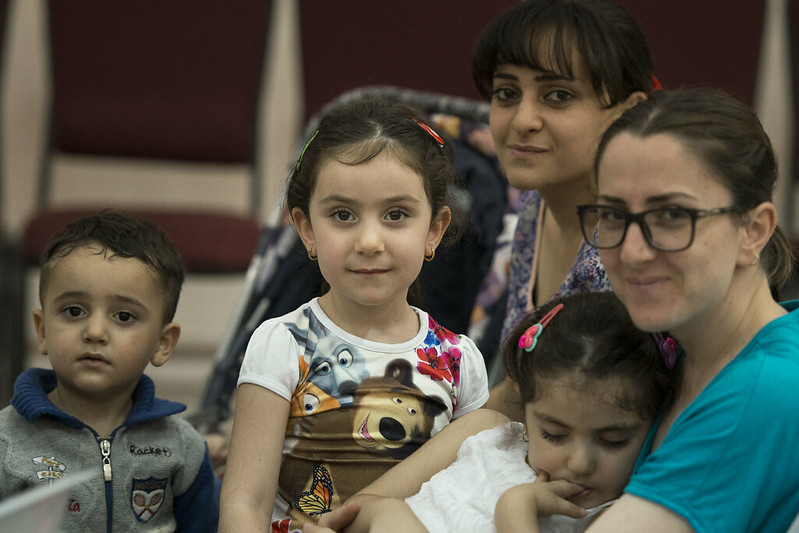
UNHCR and TECNOUNHCR has recently announced a three-year expanded partnership with Tecno, a leading technology brand, to address pressing gaps in education for refugee children and youth across Africa. Adding on to five years of successful partnership, the parties launched their new project “Together We Can Bring Education to African Children and Youth”, which supports two UNHCR initiatives: the DAFI (Albert Einstein German Academic Refugee Initiative) Tertiary Scholarship Program and the Primary Impact Program.

UNHCR Initiatives

The UNHCR aims to inspire disadvantaged students to achieve their true potential through its two successful initiatives. The Primary Impact Initiative focuses on increasing access to primary education, ensuring a safe and supportive learning environment, improving education quality and promoting inclusive education policies. Indeed, since 2023, the program has supplied primary education access to 431,000 displaced children, of whom nearly half were female. In both camps and urban areas, the initiative reached 1,029 primary schools.

The DAFI program offers qualified refugee students an opportunity to earn an undergraduate degree in their country of asylum or home country. The program, which has been ongoing for three decades, remains the foundation of the UNHCR’s strategy to achieve more enrolment of refugees in higher education.

In 2023, 7,890 refugees from 54 countries of origin were enrolled in higher education. Since 1992, the program has supported more than 27,200 young refugees.

Impact of the Partnership

The partnership between TECNO and UNHCR first began in 2020, focusing on providing quality education to refugee children and young people in Africa. However, over the past years, the partnership has reached 40 DAFI scholars and 17,370 refugee children. With this collaboration, the UNHCR focuses on enrolling more than 55,000 children in primary schools in camps located in Dadaab and Kakuma over the next four years.

Kenya is the fifth-largest refugee-hosting country in Africa, with 774,370 refugees and asylum seekers as of May 2024, according to African Business. Kenya’s refugee camps, Dadaab and Kakuma, house more than 217,000 school-aged refugee children. TECNO’s support will benefit over 7,000 children in Kenya, helping them achieve their potential. It is already helping the UNHCR’s efforts to improve educational outcomes for children in Kenya with the financial support from TECNO, which goes into hygiene kits, infrastructure construction, scholastic materials and resources for teachers.

Conclusion

“TECNO is dedicated to giving back to local communities in Africa …. We believe that education is the key to changing the destiny for refugee children,” said Jack Guo, general manager of TECNO, showing that the initiatives have a true impact with the aid of a leading technology brand like TECNO.

This extended partnership between UNHCR and TECNO showcases the power of investing in education for refugees, offering them a chance to achieve their potential like any other young person in the world. Additionally, it shows a commitment to shaping the world into a more accessible place for people of all ages, backgrounds, and nationalities, which is encouraging for other organisations that take inspiration from the works of UNHCR and use it to motivate more positive change in the world.

– Amaira Katyal

Amaira is based in London, UK and focuses on Technology and Global Health for The Borgen Project.

Photo: Flickr
August 16, 2025
https://borgenproject.org/wp-content/uploads/borgen-project-logo.svg 0 0 Naida Jahic https://borgenproject.org/wp-content/uploads/borgen-project-logo.svg Naida Jahic2025-08-16 01:30:262025-08-15 10:58:28UNHCR and TECNO: Empowering Young Refugees
Global Poverty, Nonprofit Organizations and NGOs, Refugees

3 NGOs Helping Sudanese Refugees in Chad

Sudanese Refugees in ChadTensions within the military government of Sudan escalated into full-scale civil war in April 2023. The country, which had started recovering and rebuilding after earlier civil wars, now faces a deepening humanitarian crisis as a result of recent conflict. This conflict has triggered mass displacement across Sudan, forcing hundreds of thousands of people to flee their homes. Most of these displaced people have sought safety in neighboring countries, including Libya, South Sudan and Chad, where they reside in large refugee camps, according to the United Nations Refugee Agency.

Sudanese Refugees in Chad

Among Sudan’s neighboring countries, Chad has taken in the largest number of Sudanese refugees, by a notable margin. Since the outbreak of the Sudan civil war, more than 870,000 refugees have fled to Chad. Libya and South Sudan, the countries hosting the second and third highest number of Sudanese refugees, each host slightly above 300,000 refugees.

Sudanese refugees in Chad typically settle in camps along the country’s eastern border. There, they join thousands of others, some of whom have been living in these camps for nearly 20 years, according to the Hebrew Immigrant Aid Society. A significant majority of refugees living in these camps are women and children, populations especially vulnerable in a wartime environment.

Refugee camps in Chad shield Sudanese refugees from warfare, yet living conditions within the camps are far from comfortable. Most refugees live in inadequate, makeshift shelters, which often lack necessities such as latrines, according to World Vision. Camps also lack necessary food supplies, meaning a significant number of children suffer from malnutrition.

Family separation is also an issue for many Sudanese refugees in Chad. This, paired with insufficient health care and education services within camps, takes a toll on refugees, especially children. However, multiple nongovernment organizations (NGOs) have committed to helping improve conditions within refugee camps in Chad, fostering hope for thousands of displaced persons. Below are three NGOs committed to helping Sudanese refugees in Chad:

International Medical Corps

The International Medical Corps (IMC) began its work in Chad after the 2004 Darfur genocide, a campaign marked by the indiscriminate killing of thousands of civilians by the Sudanese government and Janjaweed militia. Although operations in Chad were paused by the IMC in 2020, support recommenced in 2023 following the renewed outbreak of violence in Sudan.

IMC response teams now provide critical support to Sudanese refugees in Chad, focusing primarily on nutrition and health care. Nutrition services focus on supporting vulnerable groups, especially children aged less than 5 and pregnant women. In addition to basic health care, IMC programs include maternal and newborn health services, as well as mental health and psychosocial support. These mental health services are often overlooked in crisis settings, yet play an important role in the recovery of displaced persons.

Doctors Without Borders

Doctors Without Borders, also known as Médecins Sans Frontières (MSF), launched a major response to support Sudanese refugees in Chad after fighting resumed in April 2023. As the refugee population continues to grow, MSF has repeatedly scaled up its health care operations to meet increasing needs.

MSF currently provides medical services across several locations in Chad, including Adré, Goungour and Kourfoun. In June, due to an overwhelming amount of Sudanese refugees at the Adré hospital in need of surgical attention, MSF deployed a 200-bed inflatable hospital to help manage patient overflow.

In addition to surgical health care, MSF offers pediatric services, treatment for victims of sexual violence, mental health support and a range of vaccination programs. With the help of Chad’s Ministry of Health, the organizations recently conducted large-scale measles vaccination campaigns. It continued to work to improve routine vaccination programs for Sudanese refugees in Chad.

Jesuit Refugee Services

Due to harsh living conditions and the continuous influx of displaced people, access to quality education remains a major challenge for children in Chad’s refugee camps. Jesuit Refugee Service, the leading NGO in the education sector in these camps, works to make education more accessible for displaced children in Chad.

JRS offers a range of educational services, including preschools, nurseries and primary and secondary education. Thanks to its strong relationship with local authorities and the Minister of Education, JRS has also begun integrating camp-based schools into the Chadian public education system.

Collaborations between JRS and Chad’s University of Abéché have created opportunities for refugee students to earn national teacher certifications. This initiative not only provides refugees with access to higher education but also helps foster a new generation of educators to address the shortage of teachers within the camps.

Final Remarks

While conditions remain difficult for Sudanese refugees in Chad, the work of organizations like IMC, MSF and JRS offers critical support and hope. Increased international attention and aid may be essential to meet the growing needs of this vulnerable population.

– Jordan Venell

Jordan is based in Edina, MN, USA and focuses on Good News and Global Health for The Borgen Project.

Photo: Unsplash

August 9, 2025
https://borgenproject.org/wp-content/uploads/borgen-project-logo.svg 0 0 Hemant Gupta https://borgenproject.org/wp-content/uploads/borgen-project-logo.svg Hemant Gupta2025-08-09 01:30:372025-08-08 05:23:543 NGOs Helping Sudanese Refugees in Chad
Global Poverty, Politics, Refugees

Ways Ethical Refugee Policy in Europe Is Resisting Politicization

Ethical Refugee PolicyIn recent years, the link between migration and political agendas has intensified across the European Union (EU). However, humanitarian organizations and public institutions are increasingly defending ethical refugee policy in Europe. While several political parties frame migration as a security threat or economic burden, a growing coalition of NGOs, civil society actors and EU bodies are working to ensure that refugee protection and global development remain grounded in human rights and solidarity. Their efforts challenge the politicization of asylum and reinforce Europe’s longstanding commitment to ethical international cooperation.

NGOs Defending Asylum Rights

Organizations like Sea-Watch have taken a frontline role in rescuing migrants at sea and advocating for their rights. Based in Germany, Sea-Watch conducts search-and-rescue operations in the Mediterranean and has consistently opposed efforts to criminalize such missions. The organization has also filed legal actions and partnered with legal advocacy groups to challenge EU migration policies undermining asylum rights. Its operations saved more than 1,400 people in 2023 alone, underlining the continuing need for humanitarian intervention at sea. Sea-Watch’s operations exemplify how ethical refugee policy in Europe is practiced on the ground.

Another prominent group, Caritas Europa, represents a wide network of Catholic charities and operates in 46 European countries. Caritas advocates for fair and well-funded asylum systems and recently launched campaigns urging the EU to safeguard refugee services amid budget reallocations. In its 2024 statement, Caritas emphasized the need for migration policies that are “humane, sustainable and based on solidarity.” The organization also directly serves, offering shelter, education and mental health support to asylum seekers across Europe.

The European Council on Refugees and Exiles (ECRE) also plays a key advocacy role at the institutional level. The organization releases policy papers and legal analyses to influence EU asylum directives and budget allocations. ECRE’s 2023–25 Strategic Plan openly criticizes EU externalization policies, which aim to outsource asylum responsibilities. It argues that these efforts are attempts to evade legal obligations under EU and international law. This position is reaffirmed in its 2024 Annual Report, which urges full compliance with the new Asylum Pact while firmly rejecting externalization schemes.

Parliamentary Oversight and Ethical Review

Beyond civil society, EU institutions have played a growing role in reviewing the ethical use of aid in migration deals. In late 2023, the European Ombudsman opened an inquiry into the European Commission’s agreement with Tunisia, which allocated more than $1 billion to limit departures from North Africa. The investigation was launched in response to concerns raised by rights groups about the treatment of sub-Saharan migrants under this deal.

Human Rights Watch and Médecins Sans Frontières reported widespread abuse at Tunisia’s southern borders, including forced expulsions and denial of humanitarian assistance. The Ombudsman called for greater transparency in how development funds are used. It emphasized that EU values must be upheld even in external partnerships. The European Parliament has also debated the appropriateness of tying foreign aid to migration control. Several Members of the European Parliament (MEPs) have called for preserving aid’s primary purpose: supporting health, education and poverty reduction in developing nations.

This debate intensified after reports from organizations like Statewatch and ECRE raised alarms about the growing share of development funding being diverted toward border control efforts. Although no formal resolution has been adopted recently, parliamentary discussions have increasingly highlighted the need for aid transparency, ethical oversight and alignment with the EU’s human rights obligations. Such institutional pushback reflects the importance of maintaining ethical refugee policy in Europe amid rising populism.

National Models for Ethical Refugee Policy

Some EU member states have adopted policy approaches that maintain a humanitarian lens on refugee issues. These country-specific efforts highlight how ethical refugee policy in Europe can be implemented at the national level despite broader EU political tensions. Portugal, for example, significantly increased its resettlement quota under the EU Resettlement Program, welcoming more than 1,000 refugees in 2019 alone.

Unlike other member states, Portugal has not made refugee intake conditional on repatriation agreements or aid cuts. The government has invested in long-term integration, offering language training, job placement services and access to public education for all registered asylum seekers. Sweden and Finland have also introduced digital literacy and mental health support into their refugee resettlement programs, recognizing the importance of holistic approaches to integration.

In Sweden, asylum seekers are granted early access to psychological services and school enrollment even while awaiting case decisions, a model praised by the UNHCR for reducing long-term dependency.

Restoring the Purpose of Development Aid

Critics of the politicization of aid argue that diverting funds from poverty alleviation to border enforcement undermines long-term global development goals. According to the Statewatch NGO, as of 2025, 14% of the EU’s NDICI-Global Europe budget (worth more than $80 billion) is allocated to migration and border management, well above the initial 10% target. This shift risks deprioritizing sectors like health care, climate resilience and education, foundational to reducing poverty.

In contrast, organizations like Oxfam and the International Rescue Committee (IRC) have advocated for aid that addresses the root causes of displacement, such as conflict and inequality. In its 2024 position paper, IRC recommended rechanneling funds toward early warning systems, peace-building initiatives and local economic development programs.

The Development Assistance Committee (DAC) of the Organization for Economic Cooperation and Development (OECD) also warned that conditioning aid on migration cooperation could erode donor credibility and weaken global solidarity. In a 2025 advisory, the DAC urged donor countries to recommit to aid effectiveness principles that prioritize need over negotiation.

Maintaining a Humanitarian Vision

As debates around refugees and European politics continue, the work of NGOs, oversight institutions and reform-minded governments illustrates a counter-current to the politicization of aid. Their efforts demonstrate that development funds can remain focused on poverty alleviation, rather than becoming bargaining chips in migration negotiations.

Challenges persist, including rising anti-immigrant sentiment and electoral pressures. Nonetheless, defenders of ethical refugee policy in Europe continue to offer a roadmap for preserving the integrity of refugee protection and sustainable development. In doing so, they reinforce the principle that support for displaced people should not be dictated by political cycles, but by shared commitments to human dignity and international solidarity.

Continued advocacy, public education and cross-border collaboration will ensure that European policies align with the continent’s humanitarian values.

– Ray Bechara

Ray is based in Glasgow, Scotland and focuses on Politics for The Borgen Project.

Photo: Pexels

July 29, 2025
https://borgenproject.org/wp-content/uploads/borgen-project-logo.svg 0 0 Hemant Gupta https://borgenproject.org/wp-content/uploads/borgen-project-logo.svg Hemant Gupta2025-07-29 03:00:512025-07-29 01:28:53Ways Ethical Refugee Policy in Europe Is Resisting Politicization
Cultural Heritage, Global Poverty

The Unspoken Story Of The Chagossians

The Unspoken Story Of The Chagossians The Chagos Archipelago, a cluster of more than 60 islands with seven main atolls, holds deep historical, ecological and geopolitical significance. At its heart lies Diego Garcia, the largest and most pivotal island. In the 1960s, the British forcibly removed the Chagossians, mainly from Diego Garcia, to establish a United States (U.S.) – United Kingdom (U.K.) military base. This act caused decades of economic hardship, social injustice and the silencing of Chagossian voices.

Although the U.K. retained control as part of the British Indian Ocean Territory, Mauritius has consistently contested this claim, asserting its rightful sovereignty over the islands. The Chagos Islands symbolize both immense natural beauty and profound human suffering. This duality persists, as the displaced Chagossians continue their fight for justice, recognition and economic equality. 

Displacement of the Chagossian People

The British removal of the Chagossians marked a turning point in the archipelago’s history. Forced to leave their homeland, thousands resettled in Mauritius, Seychelles and the U.K., where they encountered poverty, legal identity struggles and limited opportunities. Attempts by the Mauritian government to alter Chagossian birth certificates deepened fears of cultural erasure.

From the 1960s and 1970s, displaced Chagossians struggled to rebuild their lives. Many arrived in new lands with no resources, legal identity or support systems. While the British government offered $3 million to Mauritius and a $4 million trust fund for the displaced, these measures failed to address the deep economic and social impacts of the removal.

Diego Garcia, transformed into a U.S.-U.K. military base, embodies the power imbalance that facilitated this displacement. Former U.K. Prime Minister Margaret Thatcher stated it would only be returned when “no longer needed.” Former U.S. Defense Department official Gary Sick admitted that during the removals, “nobody cared very much about these populations.” Currently, the Chagossian diaspora numbers more than 10,000, primarily in Mauritius and Seychelles, where economic and social challenges persist.

Legal Battles for Justice

In 1971, a U.K. immigration order banned the Chagossians from returning home. A 2000 High Court ruling initially favored the displaced community, but the British government overruled it using the Queen’s royal prerogative. Subsequent court decisions varied, with the House of Lords rejecting their right to return in 2008.

In 2024, U.K. Prime Minister Keir Starmer announced plans to transfer sovereignty of the Chagos Archipelago to Mauritius. This agreement includes a 99-year lease for U.K. and U.S. military operations and excludes Diego Garcia from resettlement due to its strategic importance.

The U.K. only recently acknowledged Mauritius’s claim, following advisory guidance from the International Court of Justice (ICJ), which ruled that the islands were taken against the people’s will. This long-standing legal battle highlights the enduring injustice faced by the Chagossians.

Efforts Toward a Brighter Future

Activist groups, such as Chagossian Voices, have amplified the struggles of the Chagossians on the global stage. Based in the U.K., the organization advocates for Chagossians worldwide, providing support and addressing social injustice. Its efforts led to the U.K. citizenship for Chagossian descendants and a $40 million support package for the community.

Chagossian Voices continues to emphasize the urgency of recognizing the community’s rights and addressing the need for resettlement. The organization works to ensure the global community does not overlook the Chagossians’ fight for justice, highlighting the importance of reparative justice, cultural preservation and recognition of their sovereignty.

Despite these ongoing efforts, many challenges remain unresolved. Key issues include resettlement, economic support and the continued use of Diego Garcia as a military base. The journey toward justice for the Chagossians is ongoing, requiring sustained advocacy and international attention.

A Path to Reconciliation

The Chagos Archipelago’s story is one of resilience and enduring hope amid profound challenges. The displaced Chagossians’ fight is more than a struggle for land; it is a quest for justice, cultural preservation and the right to self-determination. As advocacy efforts and international attention grow, the opportunity to transform the Chagos Islands from a symbol of displacement into one of reconciliation and perseverance emerges. The Chagossians’ unwavering determination reminds the world of the far-reaching consequences of colonialism and the pressing need for equitable solutions that uphold human dignity and justice.

– Zacc Katusiime

Zacc is based in Kampala, Uganda and focuses on Politics for The Borgen Project.

Photo: Flickr
January 13, 2025
https://borgenproject.org/wp-content/uploads/borgen-project-logo.svg 0 0 Precious Sheidu https://borgenproject.org/wp-content/uploads/borgen-project-logo.svg Precious Sheidu2025-01-13 07:30:152025-01-10 06:24:37The Unspoken Story Of The Chagossians
Education, Global Poverty

Refugee Education in Germany

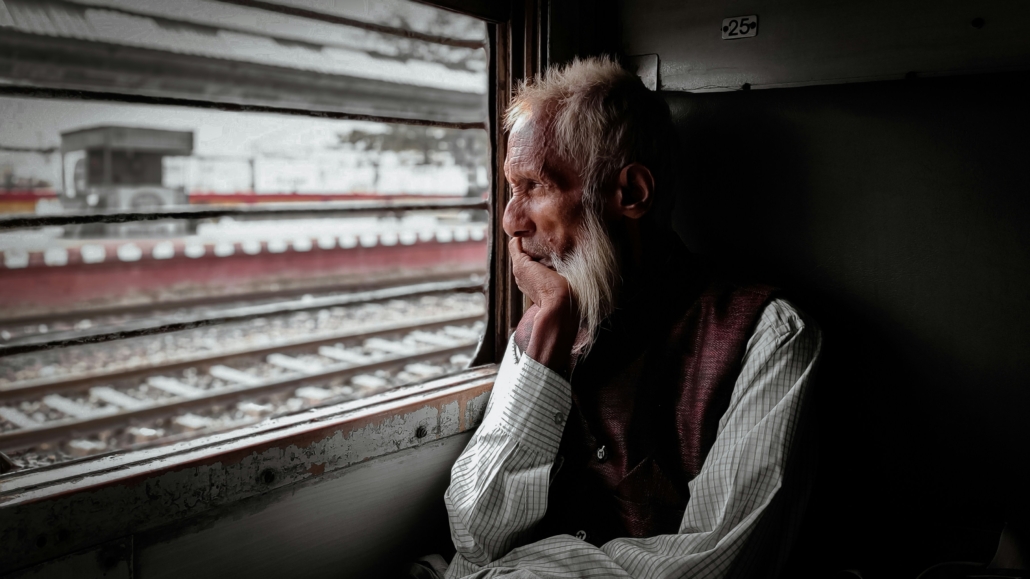
Refugee Education in GermanyIn 2015, conflict in Syria, Afghanistan, Iraq, Libya and other places forced millions of people to leave their homes and become refugees. The flow of migrants entering Europe increased from 153,000 in 2008 to more than a million in 2015.

Education Opportunities for Refugees

During what is known as the “refugee crisis” of 2015, Germany quickly developed a culture of openness, with an emphasis on refugee education. Angela Merkel, then the country’s chancellor, introduced the phrase “Wir schaffen das” (“We can do this”) as a rallying call for the more skeptical citizens of Germany. There were many Germans at the time who doubted the capacity of the welfare state to accommodate such high numbers of new arrivals on top of the demands of the native population. However, the story of Germany’s refugee policy is considered to be one of success today. By 2018, 72% of the asylum seekers had been granted protection and the right to work in Germany. By 2020, half of the asylum seekers who had entered Germany in 2015 had found a job.

One of the central strategies Germany has adopted for accommodating and integrating its migrant population is an investment in education opportunities for refugees. According to the World Bank, there are 15 million displaced school-aged children, more than half of whom are not enrolled in education. If these children were in school, they would be less vulnerable to rights abuses like child labor, forced marriage and violence. Additionally, the consistency of attending school every day in a safe and supportive environment can restore a sense of stability and safety to children who have experienced severe trauma and life disruption.

Barriers to Integration in Germany’s Education System

Although it has been widely recognized that “access to education and language courses are … key to the success of social and labor market integration”, the German schooling system was not designed with this intention in mind. Studies have shown that the German schooling system tends to reproduce and cement already existing social and class distinctions. It can be difficult, therefore, for refugee children to move beyond the social class of their parents, even with a German education. One report cites the fact that frequent relocations in accommodations and being enrolled in a preparatory class separate from native German speakers correlated with a lower chance of gaining further qualifications after completion of the mandatory nine years.

The German Expert Council on Migration and Integration released a report in 2018 suggesting that a barrier to social integration and educational advancement of refugee children is the segregated school system. Some schools implement a parallel schooling system, in which refugee children are taught separately from their German counterparts, sometimes without any native speaker in the classroom. When it came to higher education, refugees again faced considerable barriers. Without institutional provisions like scholarships or waived costs, it was largely the work of volunteers and people working within academia that turned Germany into an example of inclusion when it comes to refugee education. There was a large consensus across academic disciplines that federal funding should be opened up for asylum seekers in Germany.

Looking Forward

Humanitarian organizations filled the gaps where federal policy failed to account for refugee education. An important example of this humanitarianism is the charity Kiron. The charity began its work in 2015, ensuring that forcibly displaced people can continue to access education online. Kiron has now provided remote education for more than 100,000 students since its founding. In 2023, it launched the free program THRIVE, aimed at upskilling displaced women in preparation for the job market.

Additionally, the United Nations High Commissioner for Refugees (UNHCR) has committed to enrolling 15% of refugees in higher education by 2030. Achieving this goal will require efforts from not only humanitarian workers but also governments to ensure inclusive education.

– Io Oswald

Io is based in Paris, France and focuses on Politics for The Borgen Project.

Photo: Flickr
October 24, 2024
https://borgenproject.org/wp-content/uploads/borgen-project-logo.svg 0 0 Hemant Gupta https://borgenproject.org/wp-content/uploads/borgen-project-logo.svg Hemant Gupta2024-10-24 01:30:232024-10-24 00:26:06Refugee Education in Germany
Developing Countries, Education, Global Poverty

Solar Power in Uganda Supports Educational Goals

Solar power in UgandaRefugees often seek resettlement services after natural disasters and war-related events. Individuals and families use these resettlement services to relaunch their lives and to find stability after disaster events. However, most resettlement encampments need a reliable connection to a power supply and internet services to serve refugee populations. Without these resources, staff may struggle to onboard new members and refugees may struggle to reconnect with society.

Good Actors and Initiatives

Jon Paul Ojok developed a mobile solar power box to supply electricity to students in West Nile region in Uganda. Drawing on his experience as a developer at the United Nations High Commissioner for Refugees (UNHCR), Ojok created a device that can be easily moved through neighborhoods and communities to provide affordable internet and electricity to remote villages and camps. Ojok’s solar power box allows students to access course materials and complete assignments. The long-term success of these students will contribute to the goal of upward mobility and the growth of local communities. The solar power box also provides stable electricity and internet to UNHCR staff, enabling them to connect with and retain more refugees for resettlement services.

The Mobile Solar Computer Classroom (MSCC) is a similar initiative serving Ugandan students. For this project, solar panels are attached to an all-terrain vehicle equipped with computers and a router. The project has improved digital literacy and academic performance in local schools. Since 2008, MSCC has trained more than 37,000 students, 200 teachers and 2,000 out-of-school youths in more than 80 schools and 20 libraries. Approximately 70% of the schools MSCC has worked with have seen improved academic performance at the national level.

Impacts of Solar Initiatives

According to the World Bank, about 41.3% of Ugandans lack access to electricity. Uganda’s power grid, though operational, is not always stable, with professionals and students most likely to experience service interruptions. As more people enter the country, innovations in solar power will help reduce stress on the grid and improve the ability of both native Ugandans and refugees to work toward a middle-class life.

According to Uganda’s Energy Transition Plan, educational and industrial advancements made possible by solar power will improve living standards. Enhancing the country’s grid infrastructure will increase the reliability of clean energy connections in the next 10 to 30 years. This will enable Uganda to better support transitioning its youth and students into a self-sustaining, independent workforce.

Final Note

Solar power in Uganda will lead to more equitable access to essential resources such as electricity and internet services. As access improves, students across all regions will receive a stronger foundational education, promoting the resilience of future generations. Expanding solar power to more remote locations ensures no person or family is left behind, increasing the region’s chances of securing a just, peaceful and equitable future.

– Karina Dunn

Karina is based in Mesquite, TX, USA and focuses on Technology and Solutions for The Borgen Project.

Photo: Flickr
October 22, 2024
https://borgenproject.org/wp-content/uploads/borgen-project-logo.svg 0 0 Hemant Gupta https://borgenproject.org/wp-content/uploads/borgen-project-logo.svg Hemant Gupta2024-10-22 01:30:512024-10-22 01:03:27Solar Power in Uganda Supports Educational Goals
Page 2 of 41234

Get Smarter

  • Global Poverty 101
  • Global Poverty… The Good News
  • Global Poverty & U.S. Jobs
  • Global Poverty and National Security
  • Innovative Solutions to Poverty
  • Global Poverty & Aid FAQ’s
Search Search

Take Action

  • Call Congress
  • Email Congress
  • Donate
  • 30 Ways to Help
  • Volunteer Ops
  • Internships
  • Courses & Certificates
  • The Podcast
Borgen Project

“The Borgen Project is an incredible nonprofit organization that is addressing poverty and hunger and working towards ending them.”

-The Huffington Post

Inside The Borgen Project

  • Contact
  • About
  • Financials
  • President
  • Board of Directors
  • Board of Advisors

International Links

  • UK Email Parliament
  • UK Donate
  • Canada Email Parliament

Get Smarter

  • Global Poverty 101
  • Global Poverty… The Good News
  • Global Poverty & U.S. Jobs
  • Global Poverty and National Security
  • Innovative Solutions to Poverty
  • Global Poverty & Aid FAQ’s

Ways to Help

  • Call Congress
  • Email Congress
  • Donate
  • 30 Ways to Help
  • Volunteer Ops
  • Internships
  • Courses & Certificates
  • The Podcast
Scroll to top Scroll to top Scroll to top