Fighting Climate Impacts on Refugees with CRRF
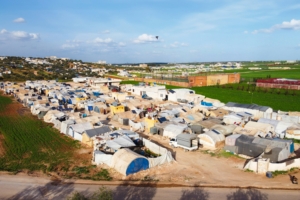 Many refugee camps around the world experience significant climate impacts such as flooding and extreme weather, displacing already vulnerable groups. The adverse effects of bad weather often impact displaced people as countries continue to plan refugee settlements based on political decisions, with little research on environmental and geographic vulnerabilities. In order to protect their human rights and reduce climate impacts on refugees, governmental support must be provided from within the host countries.
Climate Impacts in Sudan, Bangladesh and Jordan
Rohingya refugees in Bangladesh, Syrian refugees in Jordan and refugee camps in Sudan specifically have noted recent environmental disasters threatening human lives. In 2021, Cox’s Bazar, Bangladesh and Alganaa camp in Sudan reported the destruction of structures and several deaths due to flooding.
U.N. Secretary-General António Guterres expressed concern about Cox’s Bazar being on the “front lines of the climate crisis,” as it is the world’s largest refugee settlement. The camp faces year-round instability, from fire-prone summers to a dangerous monsoon season. Similarly, South Sudanese refugees had only lived in the Alganaa camp for a month before floods hit Sudan’s White Nile region. Historically, the lack of environmental studies across Africa has led to the suboptimal placement of refugee camps.
In Jordan, the Za’atari refugee camp is the largest shelter for displaced Syrians in the world. The camp faces extreme cold in the winters in addition to its dry, hot summers. Despite Syrian refugees’ economic resilience through creating many successful businesses in the Za’atari market, a fraction of refugees hold work permits for other sectors, causing further economic uncertainty during climatic events.
All three camps face diverse climate impacts on refugees and preemptive mitigation responses from host countries have been minimal due to political circumstances.
Uganda’s Comprehensive Refugee Response Framework
The United Nations Refugee Agency (UNHCR) has recognized Uganda’s Comprehensive Refugee Response Framework (CRRF) as a key model for promoting refugee self-reliance. It addresses economic challenges by providing land for housing and farming, which in turn helps tackle social issues like access to education and skill development. The CRRF is a model that benefits host countries by stimulating the economy and strengthening agricultural networks through refugee settlement. It also supports the economic well-being of vulnerable populations and helps prevent overcrowding in refugee camps.
Despite the benefits of Uganda’s resettlement model, some refugee settlements still face climate-related damage that threatens agricultural livelihoods. To address this, UNHCR has proposed climate-resilience initiatives that promote low-carbon development in refugee-hosting areas. Implementing additional frameworks like Nationally Determined Contributions (NDCs) and National Adaptation Plans (NAPs) is also essential to reduce climate risks for refugees.
Although it would not be possible to provide land in countries with a high population density, like Bangladesh, it is still ideal for such governments to expand their use of NDCs and NAPs in other ways. Bangladesh’s existing climate finance strategies under its NDCs offer a foundation for strengthening protections for vulnerable groups.
UNHCR Pilot Program: Refugee Environmental Protection Fund
First piloted in Uganda, the Refugee Environmental Protection Fund (REPF) directly involved refugees in climate initiatives. It supports reforestation, energy access and clean cooking programs to “link refugees and host communities to the global carbon market.”
As of 2025, the Fund is looking to expand into countries like Bangladesh and Sudan, though the possibility of implementation will take longer to assess. Additionally, the refugee crisis in Jordan is not currently assigned to the initiative. Combining REPF with the CRRF could help refugees gain independence, achieve economic growth and mitigate climate impacts.
– Aliyah Omar
Aliyah is based in Alberta, Canada and focuses on Global Health and Politics for The Borgen Project.
Photo: Unsplash
