Migration to India, Poverty and the Politics of Exclusion
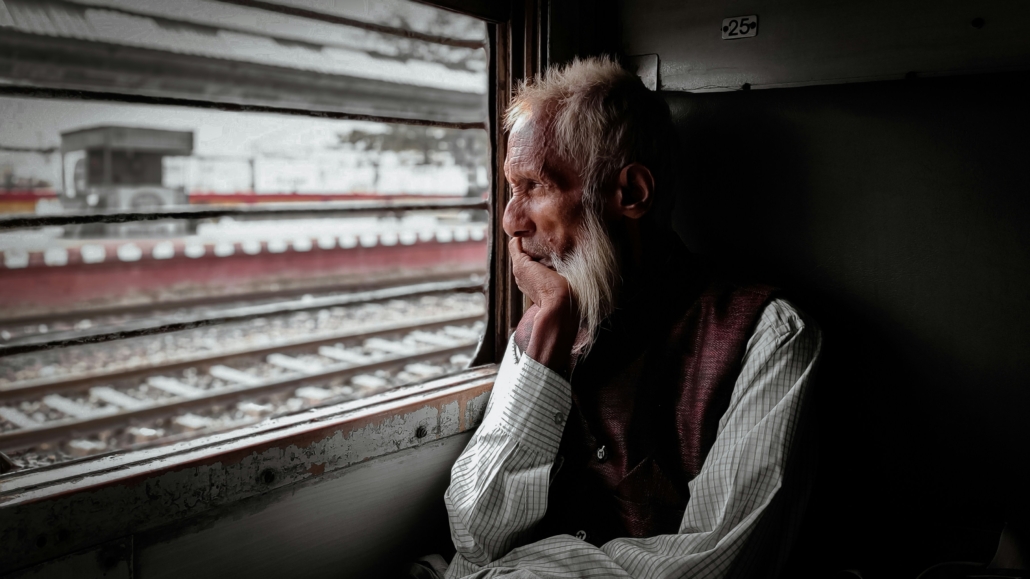 Migration to India has long reflected a complex mix of geography, history and regional instability. From persecuted minorities in South Asia to economic migrants seeking work, India has, for decades, absorbed people crossing its borders. In many cases, this migration has offered a lifeline; safety, access to livelihood and new beginnings. However, in recent years, the politics of Hindu nationalism has reshaped how the country views migrants, deepening vulnerabilities and reinforcing cycles of poverty. Yet, amid these challenges, there remain examples of resilience and potential for a more inclusive approach.
1. A Historical Overview
India has historically hosted displaced populations including Tibetans, Afghans, Sri Lankan Tamils and Rohingya Muslims. While not a signatory to the 1951 Refugee Convention, India has traditionally adopted a pragmatic, albeit informal, approach to asylum. In many communities, local support networks, religious institutions and NGOs have helped new arrivals find their footing. This social infrastructure has allowed some migrants to gradually improve their living conditions, find employment and send children to school.
However, the Citizenship Amendment Act (CAA) of December 2019, marked a key turning point. The law fast-tracks citizenship for non-Muslim migrants from Afghanistan, Bangladesh and Pakistan, excluding Muslims from its scope, thereby punishing them. Presented by the government as a humanitarian gesture, it draws criticism from citizens and groups for institutionalizing religious discrimination. Consequently, migration to India is increasingly becoming, not a matter of regional urgency or economic contribution, but a question of religious identity.
2. Exclusion and Statelessness
Among the groups most affected are Rohingya Muslims from Myanmar. Many came to India after fleeing violent persecution, hoping for protection. Instead, India detained or labeled them illegal immigrants. In 2024, Rohingya refugees in Assam held a hunger strike to protest indefinite detention. With no formal recognition of their status, access to housing, education and health care remains extremely limited.
For migrants without documents, whether due to fleeing conflict or bureaucratic exclusion, the result is a state of legal invisibility. Without proof of identity, the country denies them welfare benefits, government schooling and formal employment. This leads to entrenched poverty that is less about economic conditions and more about political choices.
3. Hindu Nationalism and the Narrative of Threat
What has shifted in recent years is not the scale of migration to India, but the narratives surrounding it. Hindu nationalist discourse presents Muslim migrants as demographic threats or infiltrators. In this environment, policies such as the CAA and the proposed National Register of Citizens (NRC) serve to redefine national belonging.
In Assam, the NRC process has already left thousands, many of them poor and Muslim, stateless. These individuals now face the burden of proving their citizenship through documentation they may never have had. For those arriving in India today, poverty is no longer simply a backdrop; it is often the outcome of systematic exclusion.
4. Labor and Local Integration
Despite these obstacles, many migrants contribute meaningfully to India’s economy. In border states and urban centers, migrants work in construction, agriculture, domestic labor and small-scale manufacturing. Even in the absence of formal protections, many have managed to secure stable income over time. In cities like Hyderabad and Delhi, refugee communities have set up small businesses, language schools and community support services, often with limited resources but strong internal solidarity.
These contributions challenge the dominant narratives of threat and burden. Instead revealing how migration to India can, when supported by thoughtful policy, contribute to local economies and social resilience.
5. Toward a More Inclusive Future
The path forward depends on how India chooses to balance national interest with humanitarian responsibility. A more inclusive approach would involve expanding legal protections, enabling access to documentation and ensuring that religion is not the basis for citizenship. Small policy shifts, such as temporary work permits, school access for children or municipal registration for housing, could significantly reduce poverty among new arrivals.
At the same time, civil society, legal advocates and local communities have shown that change does not depend solely on national policy. Grassroots efforts continue to offer legal aid, education and medical services to undocumented migrants. These actions, while limited in scale, show what is possible when dignity and inclusion are prioritized. While difficult to find structured organizations, there are groups helping the cause of migrants. For example “an Indian medical specialist who volunteered in several migrant-led organizations, such as a regional group and the Indian consulate-general medical committee, and has successfully helped repatriate bedridden patients and the mortal remains of deceased to India. He simultaneously partners in a law firm specializing in insurance cases for migrants who have met with accidents.” Although the motives of those helping are questionable and often selfish, they do eventually benefit migrants and those in need to a tangible extent.
Looking Ahead
Migration to India reflects both the region’s humanitarian need and the country’s political divides. For many migrants, it offers a last resort against persecution or poverty. Yet too often, their arrival is met with suspicion, exclusion and institutional neglect. Still, the potential for integration remains. Migration continues, but under policies that choose who gets dignity and who remains disposable. Unless these dynamics are addressed, migration will remain a mirror not just of poverty, but of the nation’s growing inequality.
– Maryam Qutbuddin
Maryam is based in Reading, UK and focuses on Business and Good News for The Borgen Project.
Photo: Unsplash
