Being Poor in Afghanistan
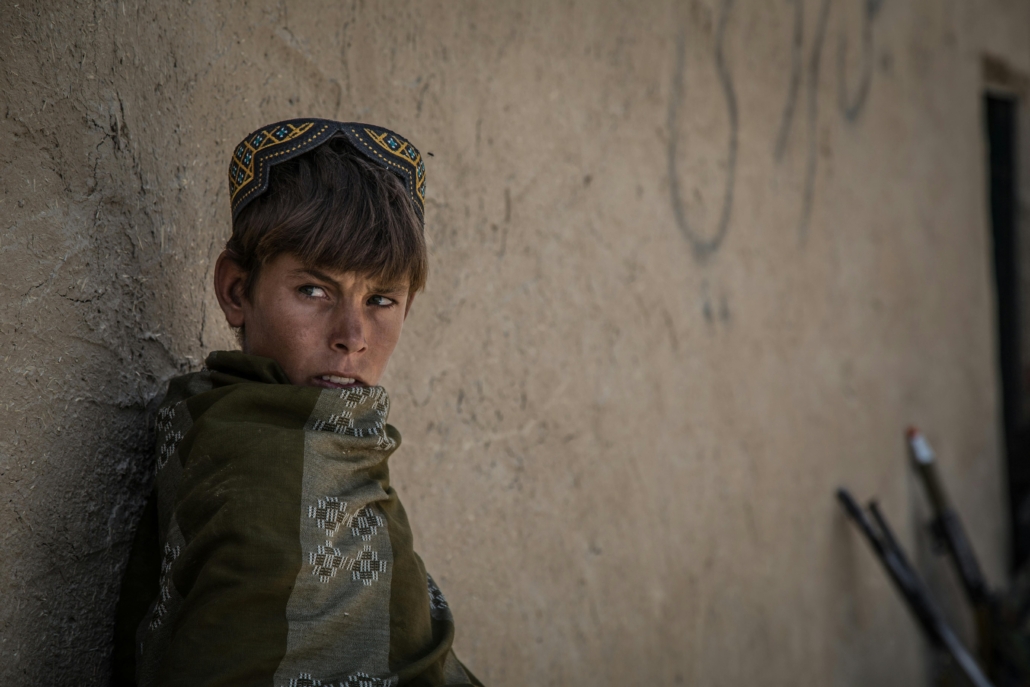 Imagine receiving the only nutritious meal of the day at school, or a mother finally having access to a skilled birth attendant after walking miles to reach a mobile health clinic. For millions of Afghans, these scenarios represent not just hope, but the tangible reality of one of the world’s most successful humanitarian responses.
Being poor in Afghanistan has reached unprecedented levels, with 64.9% of the population now living in multidimensional poverty and 85% surviving on less than one dollar per day. An estimated 15.8 million people face acute food insecurity, while 23.7 million people require humanitarian assistance to survive. Despite these overwhelming challenges and being poor in Afghanistan becoming increasingly widespread, international organizations created an unprecedented network of support that reached 22.4 million Afghans in 2024.
Revolutionary Food Programs Transform Lives
The World Food Programme (WFP) revolutionized food assistance in Afghanistan, reaching 11.8 million people through a groundbreaking approach that stimulates local economies while fighting hunger. Rather than simply distributing food, 42% of the 1.3 million monthly beneficiaries receive cash-based transfers, allowing families to purchase goods from local vendors and inject vital resources directly into Afghan communities.
The program’s school feeding initiative provides children their only nutritious meal each day. School feeding activities create powerful incentives for families to keep children in school with positive impacts on school participation and learning that help break cycles of poverty through education.
Medical Miracles in Remote Regions
Doctors Without Borders pioneered mobile health care solutions, bringing advanced medical care directly to Afghanistan’s most isolated communities. In 2023, the organization performed 15,200 surgical interventions and assisted 45,260 deliveries across nine projects in eight provinces, maintaining 130 to 200% bed occupancy rates due to overwhelming demand.
The organization’s teams extend life-saving medical services to populations who previously had no access to professional care, with very high bed occupancy rates, sometimes with two or even three patients sharing one bed due to overwhelming demand. More than 50% of MSF’s medical staff are women, creating culturally appropriate care that dramatically improved maternal and child health outcomes.
Children’s Health Revolution Shows Dramatic Results
UNICEF achieved remarkable success protecting Afghan children through comprehensive health and education programs. In 2024, humanitarian efforts expanded to treat 2.9 million acutely malnourished children and pregnant women, representing a significant increase from 2.2 million in 2023. The organization vaccinated 704,002 children against measles and treated 272,791 children for severe wasting in the first half of 2024.
Health care access has expanded significantly with 11.6 million people receiving primary health care services by 2023, up from 7.9 million in 2021. This is driven by the increase in humanitarian health facilities from 422 in January 2022 to 908 in December 2023.
International Commitment Drives Innovation
Major international donors maintained their commitment despite global economic challenges. The United States provided $280 million to WFP in 2024 through USAID, enabling the organization to support more than 3 million people with life-saving food assistance. The United Kingdom reached 2,715,000 people with humanitarian assistance, including water and sanitation, food, nutrition, health and cash transfers between April 2024 and March 2025.
The transformation occurring across Afghanistan proves that even in the world’s most challenging environments, coordinated humanitarian action can deliver extraordinary results. Through innovative programming, local partnerships and sustained international commitment, organizations are building foundations for long-term recovery while showing that with creativity, dedication and adequate resources, no community is beyond help. However, severe funding gaps remain, with only 31.4% of the required $3.06 billion received by October 2024.
Despite these challenges, the fact that humanitarian organizations reached 22.4 million people in 2024 demonstrates what is possible when the international community works together to address the crisis of being poor in Afghanistan.
– Jawad Noori
Jawad is based in London, UK, and focuses on Technology and Politics for The Borgen Project.
Photo: Pexels
