• Link to X
  • Link to Facebook
  • Link to Instagram
  • Link to TikTok
  • Link to Youtube
  • About
    • About Us
      • President
      • Board of Directors
      • Board of Advisors
      • Financials
      • Our Methodology
      • Success Tracker
      • Contact
  • Act Now
    • 30 Ways to Help
      • Email Congress
      • Call Congress
      • Volunteer
      • Courses & Certificates
      • Be a Donor
    • Internships
      • In-Office Internships
      • Remote Internships
    • Legislation
      • Politics 101
  • The Blog
  • The Podcast
  • Magazine
  • Donate
  • Click to open the search input field Click to open the search input field Search
  • Menu Menu

Tag Archive for: Refugees and Displaced People

Posts

Global Poverty

Education Crisis for Pakistan’s Internally Displaced Persons

internally_displaced_persons
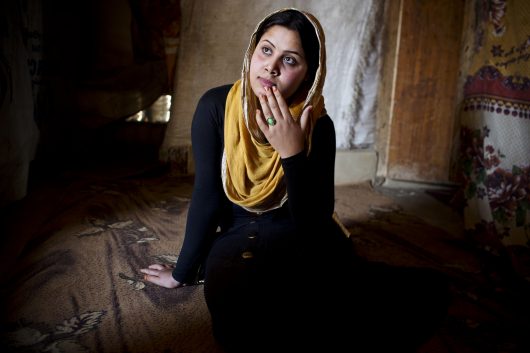
As of 2015, there have been approximately 700,000 internally displaced persons in the volatile North Waziristan region of Pakistan as a consequence of Taliban insurgency. Of these 700,000, around 300,000 are children of a school-going age range. For these children, a stable education remains a dream.

In late 2009, militant threats in the northwestern tribal areas of North Waziristan escalated dramatically. After various military offensives against militants in the surrounding regions of South Waziristan and Swat, the Pakistani army launched Operation Zarb-e-Azb in January 2014. The military has since been conducting an extensive yet lengthy military operation against the Taliban militants in North Waziristan.

The increasingly dangerous circumstances in the Taliban stronghold has led to a mass exodus of the region’s residents. This military intervention, despite its exigent need, has created significant issues for the displaced people as well as the Pakistani government. The already financially-crippled Pakistani government is thus faced with the immense challenge of providing relief for the refugees.

The refugees from Northern Waziristan add to the almost 1 million refugees who have been displaced during the war on terrorism in the country. The cost of providing basic healthcare and resources to the refugees has been allotted $1 million from the Pakistani government, with substantial bolstering from the United States and China.

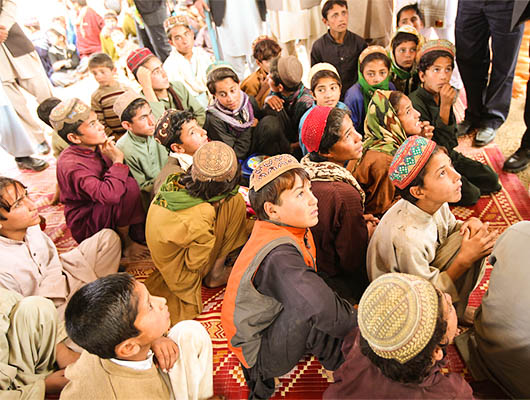
Despite the funding, the conditions in the refugee camps are less than satisfactory. As the provision of shelter and food becomes an issue, the educational needs of refugee children have taken a backseat. Temporary schools established for refugee children are in abysmal conditions and are impossibly short-staffed. Many parents are told to enroll their children in far-off government schools. However, many government-run schools are being used as temporary shelters, and not as schools.

According to UNHCR, of the 300,000 children in refugee camps, only 5% are enrolled in schools, whether public, private or NGO-run. Many students old enough to work are choosing menial jobs over continuing their education so as to financially support their families.

Prior to the refugee crisis, the literacy rates in the Northern Waziristan district were only 16% overall and a deplorable 1.67% for girls. The increased presence of fundamentalists in the region who target schools—and, specifically, female education—has adversely affected the state of education in the region.

Unfortunately, for the families returning home this summer, the conditions for education have not improved. Many of the schools have been destroyed through the course of the clashes between the army and the Taliban; others are still occupied by the army as temporary bases. As schools across the country reopen in September, students in North Waziristan continue to face an uncertain, unstable future.

The government has so far failed to come up with a successful and effective plan for the rehabilitation of these students. Recently, the higher education commission announced a stipend of Rs. 2,000 for every student enrolled in post-secondary education; however, no such plan has been revealed for the elementary, middle or high school students.

The director of education for the Federally Administered Tribal Areas (FATA)—the education authority for North Waziristan—has suggested that UNICEF aid be used to establish schools in tents for IDPs who continue to reside in the camps. Additionally, the director has recommended a second shift for schools in neighboring areas, like Bannu and Lakki Marwat, specifically for IDPs. The feasibility and potential for success of both these measures have been met with criticism and apprehension from many nonprofit agencies, as well as the refugees themselves.

As the government deadline for the complete return of North Waziristan IDPs to their homes—set for January 2016—fast approaches, it is imperative that the educational authorities within the government focus on the rehabilitation of these students. The Pakistani government, with assistance from its aides, needs to make education in the region a priority in its budget. The goal of the provincial government should not be pre-2009, but to bring the region to a literacy rate at least on par with the rest of the country, especially for girls. An effective strategy and delegation of resources to educate the children of North Waziristan are crucial to the long-term stability of the region.

– Atifah Safi

Sources: UNHCR, FATA Disaster Management Authority, Aljazeera, Aljazeera, Dawn, Pakistan Today
Photo: Flickr

July 30, 2015
https://borgenproject.org/wp-content/uploads/borgen-project-logo.svg 0 0 Borgen Project https://borgenproject.org/wp-content/uploads/borgen-project-logo.svg Borgen Project2015-07-30 09:08:312024-12-13 17:52:05Education Crisis for Pakistan’s Internally Displaced Persons
Global Poverty, Refugees and Displaced Persons

Water Access for Displaced Iraqis

foreign_aid_successes
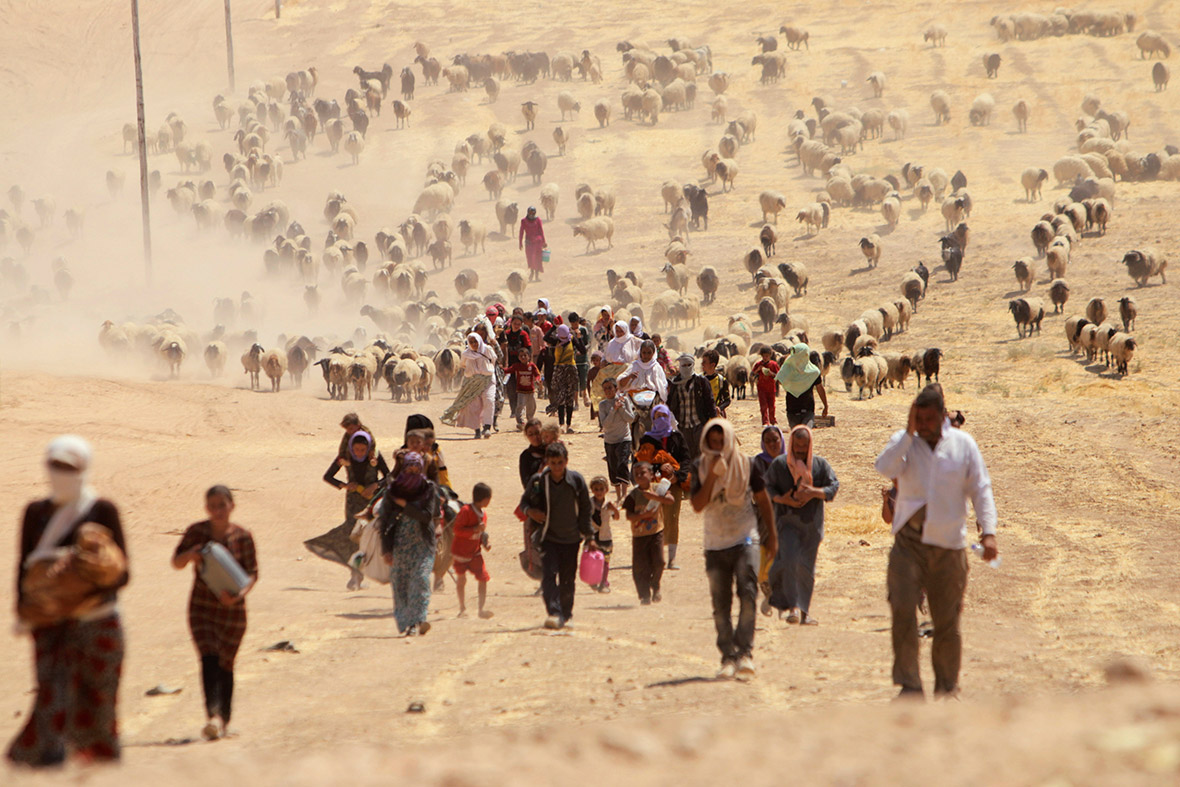
The International Organization for Migration has estimated that since January of 2014, over 3 million Iraqis have been displaced by ISIS militants and forced to relocate. In the past two months, over 276,000 have been forced to relocate out of fear or danger. Many of the refugees have chosen to abandon their homes and flee to the mountains in Northern Iraq to avoid the constant fear of attacks and violence from the Islamic State. Unfortunately, in addition to protection from violence, there is a desperate need for basic supplies such as food and water.

Amnesty International researcher, Donatella Rovera says, “The civilians trapped in the mountain area are not only at risk of being killed or abducted; they are also suffering from a lack of water access, food and medical care. We urge the international community to provide humanitarian assistance.”

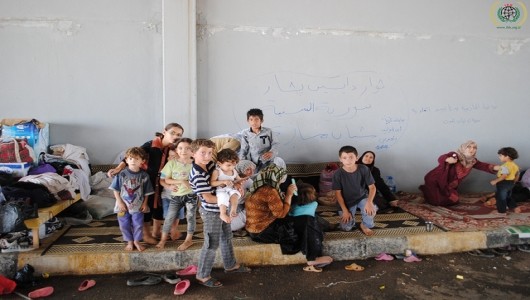
In response to the conflict, UNICEF has worked to set up many transition camps in the Kurdistan region of Iraq. Baherka is one such camp that was formerly a concrete factory outside outside the town of Erbil. The makeshift facility currently accommodates approximately 3,000 refugees. In the camp, every family has access to a kitchen, shower, latrine and 150 liters of water per day.

Adding to the numerous fears and concerns, there is also a reluctance for some Iraqis to join the refugee camps. Many of the refugee camps are overcrowded and can present their own unique set of dangers such as violence, disease or abduction. Separation from family members is another serious concern. For these reasons, many of these families choose to take their chances in the remote mountains where their communities are smaller. Access to clean water is also scarce due to the rough, mountainous terrain.

“The plight of displaced people caught up in the fighting in Iraq is increasingly desperate and all parties to the conflict must do more to ensure their safety,” states Rovera.

Thankfully, there are nongovernmental organizations working towards providing aid to these displaced Iraqis. UNICEF’s Water, Sanitation & Hygiene (WASH) division has received funding from Germany’s KfW Development Bank and has been tasked with aiding 25 families living near the town of Dohuk in the mountains of Northern Iraq.

Fortunately, there are times when complex issues can be solved with ordinary and conventional methods. This has been the case thus far with the aforementioned Iraqi families. A tractor hitched to a 4,000 liter water tank has been providing water to over 62,000 people every day. Families fill up as many buckets and tin cans as they can carry and use the water for drinking in addition to bathing, washing and cooking.

However, funding needs are a constant reminder that this service is not permanent. Without access to clean water, Ghassan Madieh, the UNICEF WASH Specialist in Dohuk, states “There would be sewage in the streets… You will see people getting unchlorinated water. You will see less water quantity. It will have a negative impact on health, especially on children and the most vulnerable.”

– The Borgen Project

Sources: BBC, Telegraph, UNICEF 1, UNICEF 2
Photo: International Business Times

July 23, 2015
https://borgenproject.org/wp-content/uploads/borgen-project-logo.svg 0 0 Borgen Project https://borgenproject.org/wp-content/uploads/borgen-project-logo.svg Borgen Project2015-07-23 10:09:262024-12-13 17:51:59Water Access for Displaced Iraqis
Aid, Global Poverty, Humanitarian Aid, Refugees and Displaced Persons

In Transit: The World’s Fleeing Refugee Crisis

refugee_crisis
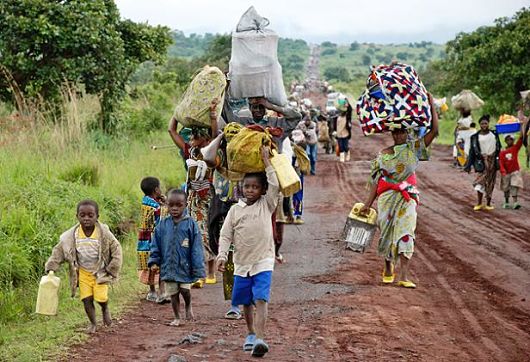
On July 1, 2015, the U.N. High Commissioner for Refugees, Antonio Guteress, addressed a congregation of international humanitarian organizations in Geneva about the escalating challenges his agency faced in what is widely being called the greatest refugee crisis the world has ever known.

“For an age of unprecedented mass displacement, we need an unprecedented humanitarian response and a renewed global commitment to tolerance and protection for people fleeing conflict and persecution,” the High Commissioner urged.

In his speech Guteress told listeners, “The moment of truth had arrived.” He was speaking in regards to the tremendous strain the world’s current refugee crisis has placed on the resources of Europe and other host countries. Across the globe, fleeing refugees are migrating at unprecedented rates.

The world’s current refugee crisis cannot be explained in simple terms. It is a complex issue with many factors involved. Political instability, devastating wars and lack of adequate economic opportunities are all reasons why people are leaving their countries in search of greener pastures.

In last month’s United Nations High Commissioner for Refugees (UNHCR) Global Trends Report: World at War, the estimated number of people displaced due to war, conflict and persecution was a staggering 59.5 million at the end of 2014. On average, 42,500 people are newly displaced per day.

A few countries are well known to all, such as Iraq, Afghanistan and Syria, but they do not represent the entire spectrum of refugees. The refugees come from Myanmar, Sudan, Ukraine, Pakistan, North Korea, Mexico and many other South American countries. Most are currently fleeing to Europe, but others are going to the United States, Indonesia and Australia.

It truly is a global refugee crisis.

In a newly published Human Rights Watch report, “The Mediterranean Migration Crisis,” senior analysis reported that in 2014, over 219,000 refugees attempted to navigate the Mediterranean Sea into Europe, which is considered the world’s deadliest crossing. This was up from 60,000 the previous year. So why are people enduring such dangerous undertakings for a better life?

The report interviewed over 150 refugees and asylum seekers from Somalia, Syria, Eritrea and Afghanistan. The migrants echoed similar reasons for leaving their countries—lack of security and basic necessities such as food, water and medicine. Not surprisingly, these are some of the poorest countries in the world with some of the direst need for humanitarian aid.

There is a direct correlation between humanitarian aid and fleeing refugees. The nations with the largest need for humanitarian aid are also responsible for some of the largest number of fleeing refugees.

Humanitarian aid is used to run programs that provide potential refugees with more than just food and water. Humanitarian efforts provide tools for farmers to grow crops that they can sell in market places, providing income to their families and strengthening their local markets.

The aid also provides educational facilities, training people with the skills that they need to be successful. People who are finding economic stability in their own nations are less likely to flee.

However, passing aid to the ailing countries is not the only way the world can help solve the refugee crisis. Host nations and coalitions such as the European Union (EU) need aid to support refugee and asylum seeking processing facilities. The burden of dealing with so many refugees must be equally distributed among developed nations. The blind eye approach many developed countries are practicing is not helping the situation.

Even though the United States is not the destination for the majority of refugees, it is tremendously affected by the issues of extreme poverty that are driving these migrations. An example is the situation in Greece, a country already preoccupied with economic collapse and in desperate need of a bailout. The U.N. reported more than 48,000 refugees entered the country in 2014. The economic pressure of all these issues reduces the buying power of Greece, in turn reducing U.S. exports to the country.

This year, the U.N. has declared that it needs no less than $18.1 billion to meet the needs of over 80 million people. Currently it has only received 26% of that amount.

The United States cannot continue to ignore the global refugee crisis and must work with the EU to provide more aid. The Borgen Project has demonstrated extensively how providing foreign aid in such situations reduces global threats to the United States and bolsters the U.S. economy.

If the United States does not help provide more aid and the refugees continue to flee, years of development and aid will all go to waste. Rebuilding developing nations will be a lot more expensive for future generations, considering there will be no one there left to help rebuild.

— Adnan Khalid

Sources: Human Rights Watch, International Organization for Migration, U.N. 1, U.N. 2, UNHCR
Photo: NGO News Africa

July 17, 2015
https://borgenproject.org/wp-content/uploads/borgen-project-logo.svg 0 0 Borgen Project https://borgenproject.org/wp-content/uploads/borgen-project-logo.svg Borgen Project2015-07-17 11:00:272024-12-13 17:51:48In Transit: The World’s Fleeing Refugee Crisis
Page 4 of 41234

Get Smarter

  • Global Poverty 101
  • Global Poverty… The Good News
  • Global Poverty & U.S. Jobs
  • Global Poverty and National Security
  • Innovative Solutions to Poverty
  • Global Poverty & Aid FAQ’s
Search Search

Take Action

  • Call Congress
  • Email Congress
  • Donate
  • 30 Ways to Help
  • Volunteer Ops
  • Internships
  • Courses & Certificates
  • The Podcast
Borgen Project

“The Borgen Project is an incredible nonprofit organization that is addressing poverty and hunger and working towards ending them.”

-The Huffington Post

Inside The Borgen Project

  • Contact
  • About
  • Financials
  • President
  • Board of Directors
  • Board of Advisors

International Links

  • UK Email Parliament
  • UK Donate
  • Canada Email Parliament

Get Smarter

  • Global Poverty 101
  • Global Poverty… The Good News
  • Global Poverty & U.S. Jobs
  • Global Poverty and National Security
  • Innovative Solutions to Poverty
  • Global Poverty & Aid FAQ’s

Ways to Help

  • Call Congress
  • Email Congress
  • Donate
  • 30 Ways to Help
  • Volunteer Ops
  • Internships
  • Courses & Certificates
  • The Podcast
Scroll to top Scroll to top Scroll to top