• Link to X
  • Link to Facebook
  • Link to Instagram
  • Link to TikTok
  • Link to Youtube
  • About
    • About Us
      • President
      • Board of Directors
      • Board of Advisors
      • Financials
      • Our Methodology
      • Success Tracker
      • Contact
  • Act Now
    • 30 Ways to Help
      • Email Congress
      • Call Congress
      • Volunteer
      • Courses & Certificates
      • Be a Donor
    • Internships
      • In-Office Internships
      • Remote Internships
    • Legislation
      • Politics 101
  • The Blog
  • The Podcast
  • Magazine
  • Donate
  • Click to open the search input field Click to open the search input field Search
  • Menu Menu

Tag Archive for: Poverty in Kenya

Posts

Education, Gender Equality, Global Poverty

Educating Girls in Kenya: Employ Them and End Poverty

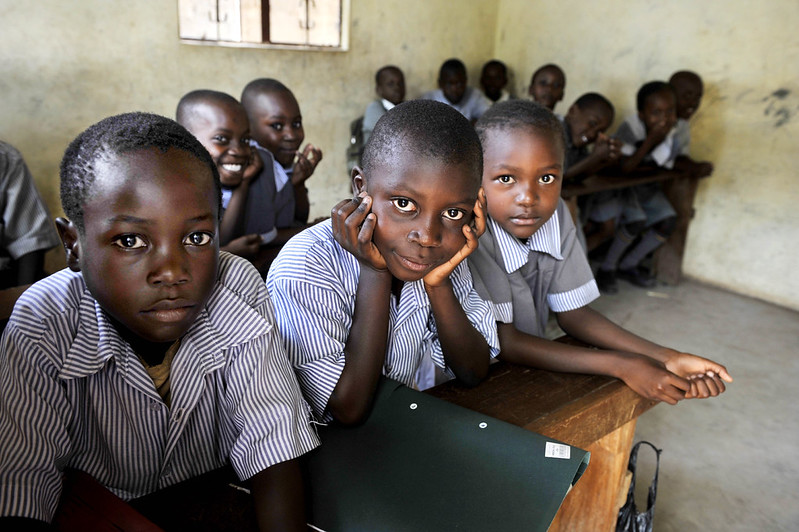
Educating Girls in KenyaIn Kenya, youth unemployment is a major driver of poverty. Each year, millions of young people enter the labor market, but many lack the qualifications needed for formal employment. In 2024, the youth unemployment rate stood at 11.93%, underscoring the continued limitations on access to stable jobs due to skills gaps.

When girls in Kenya are not educated, they continue to face barriers to completing secondary school due to social constraints and economic hardship, which increases their risk of falling into poverty. Without access to education and skills training, youth unemployment continues to fuel poverty and trap families in cycles of economic insecurity. Keeping girls in school and teaching them practical skills can reduce youth unemployment, expand opportunities and help break the link between joblessness and poverty.

Gender Inequality in Education

Kenya’s labor data show large gender disparities that worsen youth unemployment and increase exposure to poverty. According to the World Bank’s 2022 report, roughly 32.67% of Kenya’s female youth are not in education, employment or training (NEET). This means they are disconnected from opportunities that could help protect them from poverty.

Focusing on educating girls in Kenya is crucial to closing this gap and giving them pathways out of youth unemployment.

Skills Training as a Pathway Out of Poverty

To address these gaps, the government and its partners have strengthened Technical and Vocational Education and Training (TVET). The East Africa Skills for Transformation and Regional Integration Project (EASTRIP), a World Bank–funded program, increased enrollment in flagship TVET colleges from 6,971 to 57,857 students. During the program, the share of female graduates entering the workforce rose from 51% to 74%, demonstrating how skills-based training can help women overcome barriers to employment.

In addition to government action, nonprofit efforts are helping girls continue their education and build better prospects. The Campaign for Female Education (CAMFED) in Kenya was established in 2025 as a new national initiative to expand access to secondary school for girls from low-income backgrounds. In its first year, the program directly provided school fees, uniforms, menstrual supplies and disability support to 2,082 girls in Kajiado County.

To ensure students also received academic and psychosocial support, the initiative trained 163 government teachers as mentors. CAMFED’s approach is part of a broader pan-African movement that has helped millions of children access education and uses peer networks to support girls beyond the classroom.

Corporate Partnerships Reduce Youth Unemployment

Partnerships with the corporate sector are strengthening the link between jobs and skills. By 2030, the Mastercard Foundation’s Young Africa Works program in Kenya aims to help seven million young adults, including about five million young women, find suitable employment. The approach works with government, businesses and educational institutions to improve practical training, align skills with employer needs and support business growth.

The initiative also partners with TVET institutions to integrate competency-based skills and create pathways that connect education to income opportunities in digital technology, agribusiness, the green economy and other industries. Another instance of implementation is the 2Jiahiri campaign, launched by the KCB Foundation and the Mastercard Foundation. The plan aims to create approximately 43,000 jobs and offer vocational training to 8,500 young people.

Graduates have access to funding, business support and starter toolkits. 2Jiajiri has created more than 150,000 jobs and trained more than 35,000 young people, boosting their access to economic opportunities.

Final Remarks

This coordinated effort shows how educating girls in Kenya and linking their skills to real jobs can reduce their vulnerability to poverty. When education aligns with actual career paths, students graduate into productive economic roles rather than into uncertain futures. Schools, government training programs and private-sector partners work together to keep girls in school.

If these models are scaled and sustained, they can help more girls stay in school, find respectable jobs and build an economy where young people can contribute with confidence and independence.

– Madison Brown

Madison is based in Nottingham, UK and focuses on Good News for The Borgen Project.

Photo: Flickr

February 21, 2026
https://borgenproject.org/wp-content/uploads/borgen-project-logo.svg 0 0 Lynsey 2 https://borgenproject.org/wp-content/uploads/borgen-project-logo.svg Lynsey 22026-02-21 07:30:252026-02-21 03:45:08Educating Girls in Kenya: Employ Them and End Poverty
Agriculture, Employment, Global Poverty

From Farm to Factory: Kenya’s EPZ Strategy for Better Jobs

From Farm to Factory: Kenya's EPZ Strategy for Better JobsIn Kenya’s arid north, where raising livestock in a drought-ravaged landscape has long defined economic survival, Acacia EPZ Limited is transforming reality. The gum arabic processor, based in the Athi River Export Processing Zone (EPZ), provides a stable, climate-resilient income for more than 7,000 collectors, most of them women, turning a scattered forest product into a source of household earnings.

This micro-level success highlights a national dilemma. Kenya is a major agricultural producer, yet a net importer of processed foods. Reliance on raw commodity exports has kept manufacturing’s contribution to gross domestic product (GDP) stagnant at around 10% for decades, limiting the formal job creation essential for poverty reduction. Kenya’s strategy is a focused industrial policy centered on Export Processing Zones (EPZs), a structural mechanism designed to reinvent the economy and alleviate poverty en masse by creating better urban manufacturing jobs while providing stable, higher-value markets for rural farmers.

The Economic Imperative Driving Kenya’s EPZ Strategy

Kenya’s push for agro-processing tackles economic vulnerabilities resulting from its trade deficit. The country remains stuck exporting “primary commodities with low value addition,” like tea and coffee, capturing a fraction of its final value while leaving the economy exposed to global price swings.

This reliance on raw exports fails to create quality jobs, even as agriculture employs more than 40% of the population in often informal, low-wage work with a proportionally low contribution to GDP. With nearly 16% of Kenyans living in hardcore poverty, the need for transformative economic strategies is acute. Simultaneously, Kenya spends billions annually importing the very processed goods for which it possesses the raw materials to make itself. In 2023 alone, Kenya imported $3.81 billion in agricultural and related products, including $583 million worth of consumer-oriented foods like soups, processed fruits and baked goods.

This “primary commodity” trap also limits Kenya’s share of the lucrative and rapidly expanding regional market to a mere 7% of the estimated $11 billion East African consumer base. Kenya, now at this critical crossroad, must move beyond the cycle of exporting low-value raw materials and importing high-value necessities, which has for so long perpetuated reliance on volatile global markets while forgoing the jobs and enterprise growth that processing creates.

EPZs as the Engine of Industrial Upgrading

To bridge this gap, Kenya has deployed EPZs as its primary vehicle for industrial upgrading. Operating under the legal framework of the EPZ Act, these zones offer firms incentives like tax holidays and duty-free imports to attract investment toward export-oriented manufacturing. The government’s intent, as stated in its Bottom-Up Economic Transformation Agenda (BETA), is for EPZs to play a “critical role in achieving… employment creation, investment attraction, value addition of local products, especially the agro-based and foreign exchange earnings.”

The latest data on Kenya’s EPZ strategy reveals a sector of significant scale, yet one exposed to volatility. In 2023, capital investment in EPZs grew 10.9% to KSh 112.2 billion ($840 million), while exports generated KSh 105.5 billion ($790 million). However, direct employment fell to 75,598 jobs from 82,771 the year before. The official EPZ Annual Performance Report attributes this drop to reduced United States (U.S.) apparel orders and, crucially for agro-processing, a “disruption of the global macadamia market.” While the evolution of EPZs has come a long way, it is apparent that even within these protected zones, Kenyan manufacturers are not comfortably insulated from global commodity shocks and shifting trade winds. 

The Double Dividend: Direct Poverty Alleviation Outcomes

The impact of Kenya’s EPZ strategy delivers on two fronts: its double dividend, tackling poverty at both ends of the supply chain.

The first dividend is urban and peri-urban job creation. EPZ employment is a crucial step into the formal economy, offering wage-based predictability that contrasts with the precarious informal sector, where more than 17 million Kenyans work. While apparel dominates, agro-processing niches are growing. In 2023, food manufacturing saw a significant 16.4% expansion in dairy processing and and 11.6% increase in preserved fruits and vegetables. Each new plant adds jobs in production, quality control, logistics and management, creating a ladder to higher-skilled, better-paid work.

The second, even more transformative dividend is the strengthening of rural livelihoods, establishing a direct linkage between national industrial policy and smallholder farmers. Acacia EPZ is an exemplary demonstration of this connection, as it provides a stable market for more than 7,000 gum arabic collectors, turning a scattered, low-value product into a reliable household income in drought-prone regions. This model, where an EPZ firm anchors a local supply chain, is a blueprint for poverty reduction in rural Kenya. Agro-processing factories act as high-volume off-takers for agricultural produce that raises and stabilizes farm-gate prices, moving farmers from subsistence into a predictable commercial relationship with stable, increasing incomes. The government’s BETA agenda explicitly targets this link, aiming to improve livelihoods through “increased employment” and “more equitable distribution of income” by developing agro-value chains.

A Test Case for Structural Transformation

Kenya’s EPZ strategy is a measured and ambitious attempt to use industrial policy for structural poverty alleviation. It targets the economy’s architecture, aiming to transform low-value agricultural work into higher-wage manufacturing jobs and connect subsistence farmers to commercial value chains. The path is fraught with obstacles and undoubtedly troubled by all the growing pains of a developing economy.

Yet, the simple logic is compelling: capture more value domestically to create a cycle of formal jobs and rising rural incomes. The progress of firms like Acacia EPZ has already demonstrated the micro-level potential. Scaling this model successfully, while sure to be a formidable test, appears to be a promising and worthwhile venture that could offer vital lessons on how developing nations can industrialize their way to shared prosperity through inclusive economic upgrading.

– Georgio Moussa

Georgio is based in London, UK and focuses on Business and Politics for The Borgen Project.

Photo: Flickr

February 14, 2026
https://borgenproject.org/wp-content/uploads/borgen-project-logo.svg 0 0 Precious Sheidu https://borgenproject.org/wp-content/uploads/borgen-project-logo.svg Precious Sheidu2026-02-14 01:30:472026-02-14 00:55:47From Farm to Factory: Kenya’s EPZ Strategy for Better Jobs
Food Insecurity, Global Poverty, Hunger

How LEAF is Addressing Malnutrition in Kenya

Malnutrition in KenyaKenya lies in East Africa and borders the Indian Ocean. It is best known for its diversity, its wildlife conservation efforts, and producing some of the most globally recognizable long-distance runners.

Despite its rich history and diverse population, Kenya faces persistent food insecurity and inadequate access to health care, which disproportionately affect their children. LEAF is addressing malnutrition in Kenya through targeted health and agricultural interventions.

According to UNICEF, more than 25% of children under the age of 5 experience stunted growth. Food insecurity and chronic undernourishment commonly cause this condition. An additional 11% of children are underweight and 4% suffer from severe wasting. These problems lead to an increased prevalence and likelihood of death among the Kenyan children.

Root Causes of the Crisis

Many of these issues are a result of a lack of support in education for families and farmers on malnutrition, and farmers’ limited ability to adapt to natural disasters. Without the necessary support, poverty cycles from one generation to the next, preventing households from reaching their full potential.

To break this cycle, the organization Concern began working with government officials and community leaders to design potential solutions. The organization focused its efforts on Tana River County, Kenya.

Agriculture and pastoralism dominate the region, but extreme weather patterns have severely disrupted livelihoods. Hotter days and less rainfall caused animals and crops to suffer. Clinics reported a sharp rise in child malnutrition, prompting the need for immediate intervention.

The LEAF Initiative

The Lifesaving Education and Assistance to Farmers (LEAF) had two main goals: to ensure pregnant women and malnourished children receive lifesaving treatment in a timely manner and to create systematic change in the livelihoods of people living in poverty to prevent future cases of malnutrition

The LEAF initiative began its approach by prioritizing community outreach to reduce acute malnutrition. Through the funding of the Illinois-based food ingredients company Archer Daniels Midland (ADM), they supported the local health department conducting malnutrition screenings.

The organization used monthly house visits to households with pregnant women and/or children where they referred anyone showing signs of malnutrition to local clinics and educated families on nutritional and health topics. LEAF is addressing malnutrition in Kenya, as it estimated that 82% of the families living in the region in 2021 were able to get monthly screenings by the conclusion of the program.

Building Long-Term Resilience

To ensure the screenings did not remain a temporary solution, Concern implemented the second phase of the program. This phase focused on creating systemic change across multiple villages in Kenya. Concern worked with local farmers to reshape their agricultural methods to adapt to extreme climate conditions. Concern provided drought-tolerant seeds to prevent crop loss and irrigation canals to improve village access to affordable water.

These changes proved life-changing. Halim Diramu Jilu, a farmer in Tana River County, praised the program, saying, “Our lives have changed. We have enough water now.” The program reached 39,704 people. Furthermore, crop loss fell from 60% to less than 20%, reinforcing how LEAF is addressing malnutrition in Kenya by strengthening food security at the community level.

The LEAF initiative offers a strong model for how targeted health interventions can combine with grounded community-level agricultural support to tackle poverty and malnutrition. By combining climate education with immediate nutritional support, Concern helped families build independence and improve long-term outcomes for future generations.

– Sachin Kapoor

Sachin is based in Atlanta, GA, USA and focuses on Technology and Solutions for The Borgen Project.

Photo: Flickr

February 11, 2026
https://borgenproject.org/wp-content/uploads/borgen-project-logo.svg 0 0 Naida Jahic https://borgenproject.org/wp-content/uploads/borgen-project-logo.svg Naida Jahic2026-02-11 01:30:062026-02-10 23:44:07How LEAF is Addressing Malnutrition in Kenya
Employment, Global Poverty, Youth Empowerment

Youth Skills Projects in Kenya: Employment and Economic Mobility

Youth Skills Projects in KenyaKenya’s youth skills are transforming how young people transition from education to stable employment. In Kenya, youth unemployment continues to limit economic mobility, particularly among those aged 18 to 34. Despite being the largest working-age group in the country, young people have significantly higher unemployment rates than older workers.

Youth skills projects in Kenya are increasingly tailoring training to corporate demands, entrepreneurial opportunities and emerging industries. These programs are helping reduce poverty by creating stable income opportunities for vulnerable households.

Youth Unemployment in Kenya Limits Economic Mobility

According to Kenya’s National Bureau of Statistics, the bulk of young people employed are in low-wage, informal jobs. Youth unemployment remains close to 13%, with young women facing higher rates at around 18%. These labor inequities undermine long-term economic resilience and exacerbate household poverty.

To address this issue, Kenyan youth skills programs increasingly focus on hands-on training that leads directly to employment and the establishment of businesses.

Government Training Programs Expand Workforce Readiness

Kenya’s government boosted Technical and Vocational Education and Training (TVET) to align classroom better learning with labor market demands. Enrollment at public TVET institutions has increased from more than 345,000 to more than 565,000 trainees between the academic years 2022–2023 and 2024–2025. This represents a 63.8% increase as the Ministry of Education improved access, quality and industry alignment.

Officials are also implementing a Competency-Based Education and Training (CBET) framework that closely aligns courses with real-world, industry-relevant skills. This method aims to help graduates enter the workforce with the skills businesses require and focuses on practical training valued by employers. The government announced plans to boost the number of young people participating in TVET programs to two million by the end of 2025.

To broaden access, it allocated additional funding for facilities, equipment and the recruitment of trainers. This expansion is expected to significantly reduce poverty by equipping youth with marketable skills that generate sustainable income.

Digital Skills Programs Connect Youth to Global Markets

The Kenyan government’s Ajira Digital Program, which collaborates with partners such as eMobilis and the Kenya Private Sector Alliance, provides free digital and online job training. The initiative has trained more than 250,000 young people in Kenya, with modules covering digital marketing, transcribing and other internet skills. According to a tracking poll commissioned by Ajira, nearly one-third of participants report earning money online after completing the course.

By connecting youth to online income streams, the program tackles poverty and expands economic opportunity nationwide.

Green Energy and Agribusiness Training Create Local Jobs

Kenya’s renewable energy expansion has boosted demand for solar technicians and electrical installers. Training facilities like Strathmore Energy Research Center offer solar certification courses to prepare young people for jobs installing and maintaining off-grid energy systems. Moreover, TechnoServe Kenya funds youth agribusiness training and market access programs.

The training has helped tens of thousands of young farmers boost productivity and incomes, particularly in rural areas. These initiatives reduce poverty by increasing household earnings and fostering entrepreneurship in local communities.

Conclusion

Kenya’s youth skills programs show how coordinated investments in technical education, digital training, renewable energy and agriculture can transform classrooms into economic growth engines. Youth skills projects in Kenya, government initiatives and nonprofit partnerships are helping young people gain practical skills, income opportunities and entrepreneurship pathways. They are now providing young people with practical skills, income opportunities and entrepreneurship pathways.

These initiatives improve household stability, lower unemployment and increase Kenya’s long-term economic resilience.

– Madison Brown

Madison is based in Nottingham, UK and focuses on Good News for The Borgen Project.

Photo: Flickr

February 10, 2026
https://borgenproject.org/wp-content/uploads/borgen-project-logo.svg 0 0 Lynsey 2 https://borgenproject.org/wp-content/uploads/borgen-project-logo.svg Lynsey 22026-02-10 01:30:442026-02-09 22:52:11Youth Skills Projects in Kenya: Employment and Economic Mobility
Economy, Electricity and Power, Global Poverty

How Clean Energy in Kenya Is Powering Poverty Reduction

Clean Energy in KenyaWhen the sun sets over rural Kenya, darkness no longer marks the end of the day for many families. Clean energy increasingly influences daily life in communities that formerly relied on expensive fuel and smoky kerosene lamps. Children study after dusk, homes are brightened by solar lights and small businesses remain open later.

Renewable energy benefits the nation’s well-being and economy more than simply endorsing positive environmental pursuits. It actively supports poverty reduction in Kenya by expanding opportunities at the household level.

Expanding Clean Energy Access in Kenya

Millions of Kenyan families suffered from low productivity and bad health for decades due to energy poverty. Families spent a significant amount of their earnings on charcoal, firewood and kerosene. These fuels depleted cash and harmed people’s health.

Respiratory ailments were caused by indoor air pollution and opportunities for education and employment were limited by sporadic lighting. However, recent findings show how the nation has rewritten its past. Kenya has made great strides in expanding access to clean cooking and power through strong regulations and targeted infrastructure investments, according to a recent IEA assessment.

Kenya is positioned as a regional leader in economic and energy growth, thanks to its ambitious implementation plans. Its push for electrification using clean energy technology has put the country on track to achieve universal access to electricity by 2030. “Kenya is showing how the strategic deployment of clean energy technologies and electrification in end-use sectors can significantly improve the lives of millions of the most vulnerable people in the world,” stated IEA Deputy Executive Director Mary Burce Warlick.

A key contributing factor to this remarkable turnaround is the transition to clean energy. The nation is currently among the world leaders in clean power, producing more than 90% of its electricity from renewable sources. Large-scale initiatives like Lake Turkana Wind Power improved the country’s national grid and showed Kenya’s dedication to sustainable development.

Solar Power’s Impact in Kenya

This shift links clean power directly to long-term poverty reduction in Kenya by supporting inclusive economic development. Rural residents who would have had to wait years for grid connections can now get electricity immediately thanks to off-grid solar installations. Businesses like M-KOPA use pay-as-you-go methods to enable families to purchase solar systems with modest daily payments made with mobile money.

Millions of people now have dependable energy for the first time thanks to M-KOPA’s solar power connections to more than two million homes. Solar electricity facilitates exciting opportunities for people in Kenya. Parents may operate small home-run businesses, charge neighbors’ phones and extend store hours after dark with dependable electricity.

Reduced energy expenses provide free money for food, medical care and school tuition. Clean energy enhances pathways to poverty reduction in Kenya, enabling households to transition from a bare minimum existence to a more sustainable future, with potential for future investments. Additionally, clean energy enhances health outcomes, particularly for women and children.

Solar illumination reduces indoor air pollution and replaces kerosene lamps. Families are less likely to have fire hazards and respiratory issues. Furthermore, solar energy helps hospitals by supplying consistent illumination and refrigeration for vaccinations in isolated locations.

Final Remarks

The United Nations (U.N.) lists its Sustainable Development Goals, a notable aim being to ensure access to clean, affordable energy. Kenya’s journey toward sustainable energy is a story of possibility. The nation demonstrates that climate action and economic advancement can coexist by increasing access to reasonably priced renewable energy.

Clean energy today provides security, dignity and a practical way out of poverty for many Kenyan households.

– Prubleen Bhogal

Prubleen is based in London, UK and focuses on Good News, Politics for The Borgen Project.

Photo: Flickr

January 28, 2026
https://borgenproject.org/wp-content/uploads/borgen-project-logo.svg 0 0 Lynsey 2 https://borgenproject.org/wp-content/uploads/borgen-project-logo.svg Lynsey 22026-01-28 01:30:142026-01-25 23:25:00How Clean Energy in Kenya Is Powering Poverty Reduction
Clean Water Access, Global Poverty

Pay-As-You-Go Digital Water Services in Kenya

Pay-as-you-go digital water services in KenyaKenya continues to face serious water insecurity in both rural and urban regions. Many households still depend on distant or unsafe water points because traditional billing systems require large monthly payments that low-income families cannot always make. Pay-as-you-go digital water services in Kenya offer a different model. Families buy small amounts of water through mobile payments and smart meters deliver accurate and dependable service. This structure increases affordability, improves service reliability and strengthens utilities in ways that help them expand clean water access to underserved communities.

Mobile Money Makes Clean Water Affordable

Pay-as-you-go digital water services in Kenya let households buy water in small increments through mobile money platforms like M-Pesa. This matters because many Kenyans earn irregular daily wages and cannot manage large monthly bills. When families pay only for what they need, they avoid debt and gain steady access to safe water, which supports health and financial stability.

Waterborne diseases spread quickly in communities that rely on unsafe sources. Pay-as-you-go digital water services in Kenya distribute treated water that meets safety standards, which reduces illness and lowers medical expenses. When families stay healthy, they attend school, work more regularly and invest their income in food and education rather than treatment costs.

Smart Meters and Water Kiosks

Smart meters record water use in real time and deliver prepaid service that prevents leaks and illegal taps. These problems create major losses for utilities and weaken their ability to maintain infrastructure. When utilities reduce losses, they provide more reliable service and reach more households with clean water, which raises community health and overall quality of life.

Families in many Kenyan settlements spend long hours each day collecting water. Digital water kiosks in neighborhoods reduce this travel time and offer 24-hour access through mobile payments. More available time allows children to attend school consistently and gives adults more hours for work, which strengthens household income and supports long-term development.

Digital Water Systems Create Jobs and Strengthen Utilities

Digital water systems create new roles for technicians, field agents and mobile service operators. These jobs build technical skills and support local employment. Stronger utilities also operate more reliably and expand service to new regions. When utilities stabilize financially, they improve infrastructure that helps entire communities gain safe water access.

Pay-as-you-go digital water services in Kenya improve clean water access by combining mobile payments with smart delivery systems. These services reduce financial barriers, improve public health and create jobs that support economic growth. As the model expands, it offers a practical path toward universal water access and long-term poverty reduction.

– Shahzeb Khan

Shahzeb is based in San Ramon, CA, USA and focuses on Good News and Technology for The Borgen Project.

Photo: Flickr

January 18, 2026
https://borgenproject.org/wp-content/uploads/borgen-project-logo.svg 0 0 Naida Jahic https://borgenproject.org/wp-content/uploads/borgen-project-logo.svg Naida Jahic2026-01-18 07:30:272026-01-16 10:52:16Pay-As-You-Go Digital Water Services in Kenya
Global Poverty, Health, USAID

America First Global Health Strategy Investing in Kenyan Health

America First Global Health StrategyThe U.S.’s America First Global Health Strategy formalized a five-year agreement with Kenya, marking the first of many anticipated bilateral agreements with developing nations. Under this strategy, a co-investment model with Kenya has been established, allowing funding to flow directly from government to government, rather than through traditional channels such as USAID or nongovernmental organizations.

The America First Global Health Pact

On December 4, 2025, U.S. Secretary of State Marco Rubio and Kenyan President William Ruto signed the America First Global Health Strategy. Under the agreement, the U.S. will invest up to $1.6 billion, while Kenya will contribute $850 million to support critical public health initiatives, including HIV/AIDS, tuberculosis, malaria and maternal and child health. The framework aims to strengthen healthcare infrastructure in developing nations while enhancing diplomatic relations.

As the first country to sign, Kenya serves as a test case for a potential major shift in global health partnerships. The America First Global Health Strategy reflects a shift in the U.S.’s foreign aid ideology. After dismantling the USAID earlier this year, which resulted in significant cuts in funding for several global health programs, the current administration has sought out a framework it hopes will support state sovereignty and self-reliance.

Strengthening Africa’s HIV Response Through Direct Funding

At the 23rd International Conference on AIDs and STIs in Africa, UNAIDS executive director, Winne Byanyima, argued that health management has not been a priority in Africa, where funds are typically allocated toward debt repayment, as opposed to community health. Africa accounts for the majority of new HIV cases globally, with women representing 62% of infections. Economic disparities and lack of access to education are contributing factors.

It is reported that 46% of adolescent girls are not enrolled in school, exposing them to sexual and gender based violence. UNAIDS has welcomed this framework, as it aligns with its goal of significantly reducing HIV infections by 2030. The initiative aims for 95% of people with HIV to know their status, 95% of those diagnosed to receive treatment and 95% of those treated to achieve viral suppression.

Direct funding to the Kenyan government is expected to strengthen its ability to respond promptly to public health concerns and maintain control over its health priorities.

What Kenya Risks

Despite its potential, there has been backlash. The Consumer Federation of Kenya is seeking to dismantle the agreement, arguing that it violates the constitution as it pertains to concerns with health data privacy. The Consumer Federation of Kenya also argues that there isn’t sufficient oversight as to how sensitive health information would be transferred and used.

The Nairobi High Court has suspended parts of the agreement pending a full hearing. There have also been concerns of service disruption during the transitional phase from the NGO programs.

A New Development Era?

If Kenya’s experience produces positive health outcomes, the America First Global Health Strategy can serve as a blueprint for American partnerships with other nations in Africa. So far, Uganda and Rwanda have also recently signed agreements under this co-investment model. Whether this agreement marks a breakthrough in global health cooperation is yet to be determined.

However, Kenya’s outcome will likely influence agreements with other developing nations and the evolution of international development policy in the 21st century.

– Gloria Bwenge

Gloria is based in New York, NY, USA and focuses on Global Health and Politics for The Borgen Project.

Photo: Pixabay

January 12, 2026
https://borgenproject.org/wp-content/uploads/borgen-project-logo.svg 0 0 Lynsey 2 https://borgenproject.org/wp-content/uploads/borgen-project-logo.svg Lynsey 22026-01-12 03:00:042026-01-12 01:20:24America First Global Health Strategy Investing in Kenyan Health
Education, Gender Equality, Global Poverty

Closing Kenya’s Gender Gap in Tech Education

Kenya's Gender GapIn 2025, Kenya is witnessing a transformative shift in education. Across cities, towns and rural villages, digital learning hubs are opening doors for women and girls to access science, technology, engineering and mathematics (STEM) education for the first time. This access is driven by both government-backed digital literacy campaigns and grassroots organizations such as AkiraChix. These initiatives aim to close Kenya’s gender gap in the technology sector and position young women as leaders in the country’s growing digital economy.

Kenya’s Government Connecting the Gender Divide

Kenya has long been recognized as one of Africa’s technology pioneers, with its capital city, Nairobi, earning the nickname “Silicon Savannah” for its start-up ecosystem. However, despite this progress, Kenya’s gender gap in digital access remains significant. According to the United Nations Educational, Scientific, and Cultural Organization (UNESCO), women occupy fewer than 30% of Information and Communication Technology (ICT) roles in Kenya, and mobile internet use is considerably lower among women than men.

To tackle this divide, Kenya’s government has launched several digital literacy initiatives under its Kenya Vision 2030 and national ICT strategy. These initiatives aim to expand computer access in schools, increase teacher training and extend technology access in low-income regions. The government’s 2030 goals would allow women and girls to gain stronger digital skills and develop a greater interest in STEM fields.

How AkiraChix Is Coding a New Future for Women

At the heart of this transformation is AkiraChix, a Nairobi-based nonprofit founded in 2010 that trains young women from underprivileged backgrounds in coding, design and entrepreneurship. AkiraChix runs a camp program that introduces girls to technology and design software. Its CodeHive program offers a fully subsidized, yearlong training in software development, product management and digital design for women ages 20-24.

According to AkiraChix’s 2022 Impact Report, more than 80% of graduates secure a placement or start their own ventures within six months of finishing the program. In its 2021 Impact Report, one 2020 alumna, Rebecca Wambui, said learning to code through the CodeHive program helped her realize that “I can also do this.” She has since developed a chatbot to help local farmers access affordable market prices.

Community Hubs Expand Rural Opportunities

Beyond Nairobi, a growing network of community digital learning hubs is making STEM education accessible in rural and low-income areas. UNESCO-supported programs have introduced more than 200 girls from 20 schools to robotics, mobile app design and 3D printing. Similar to AkiraChix’s programs, UNESCO bootcamps often give girls their first exposure to engineering and computer science. These programs play a key role in narrowing Kenya’s gender gap by increasing interest in STEM.

By equipping women with marketable STEM skills, Kenya is strengthening innovation and inclusive growth. Studies show that expanding digital access contributes directly to higher gross domestic product (GDP) and employment rates in developing nations. For graduates of AkiraChix, UNESCO programs and other digital hubs, the results include greater financial stability, improved livelihoods and stronger educational outcomes.

Challenges and the Road Ahead

Despite these gains, challenges remain. Many rural areas still lack stable electricity or affordable data, limiting the reach of digital learning. Additionally, cultural norms and gender stereotypes continue to discourage girls from pursuing STEM, and the cost of devices remains a barrier for low-income families.

Experts emphasize the need for sustained investment in infrastructure, teacher training and the integration of digital skills in school curricula, supported by public and private partners.

Kenya’s expanding digital learning ecosystem demonstrates how innovation and equality can intersect to drive national progress. By giving women and girls the tools to thrive in STEM, the country is working to bridge its gender gap in technology and build a more inclusive future.

– Abigail Ariyo

Abigail is based in Ottawa, Canada and focuses on Good News for The Borgen Project.

Photo: Unsplash

December 1, 2025
https://borgenproject.org/wp-content/uploads/borgen-project-logo.svg 0 0 Precious Sheidu https://borgenproject.org/wp-content/uploads/borgen-project-logo.svg Precious Sheidu2025-12-01 07:30:332025-12-01 00:54:16Closing Kenya’s Gender Gap in Tech Education
Cultural Heritage, Global Poverty, Legislations and Policies, Technology

How Kenya is Using Satellite Data to Settle Land Rights

satellite data to settle land rightsIn Kenya’s informal settlements, where more than half of urban residents live without formal land titles, a quiet shift is transforming how land rights are established. Through partnerships between the government and international organizations, Kenya is using satellite imagery and unmanned aerial vehicles (UAVs) to map and formalize land ownership, unlocking economic opportunities for millions of residents who have lived for decades without legal proof of ownership.

Mapping the Unmapped

Kenya’s use of satellite data to settle land rights begins with remote sensing technologies tested in regions like Kajiado County. Researchers developed smart sketch mapping systems combined with UAV technology to capture high-resolution images of informal settlements. According to a study published in the journal Remote Sensing in January 2020, these methods achieved ground sample distances of about six centimeters, offering unprecedented detail for land boundary mapping.

A fit-for-purpose approach used in Makueni County in 2017 showed that field data collection could be quick and affordable. As reported by GIM International, two surveyors collected data for about 40 parcels in six hours using handheld devices displaying satellite imagery on mobile screens. Villagers walked the perimeters of their land while GPS antennas recorded boundary points, creating a participatory process that directly links people to polygons on digital maps.

The KISIP Initiative

The Kenya Informal Settlements Improvement Project (KISIP) is the most comprehensive effort to formalize land tenure in urban areas. Launched in 2011 through a partnership between the Government of Kenya, the World Bank, the Swedish International Development Cooperation Agency and the Agence Française de Développement, KISIP has benefited more than 1.4 million residents.

According to the State Department of Housing and Urban Development, KISIP operates in about 40 counties and focuses on land tenure regularization through planning, surveying and issuing ownership documents.

The project’s second phase, which began in March 2021, targets informal settlements located on uncontested public land. As People Daily reported in July 2025, KISIP2 has prepared more than 1,470 titles in Nyeri County alone, with 540 already issued.

Economic Transformation

The economic impact of secure land tenure goes far beyond property ownership. Title deeds can be used as collateral for bank loans, enabling residents to invest in permanent housing and small businesses. A 2019 Capital Blog article noted that residents of Nyalenda in Kisumu County used their new titles to access bank loans after receiving secure tenure through KISIP.

In November 2024, the Cabinet waived Sh12.3 billion in interest on land settlement loans, demonstrating the government’s commitment to unlocking land-based economic potential. According to Capital FM, the waiver will benefit thousands of settlers in 520 settlement schemes across 26 counties, helping them obtain title deeds and use them as collateral for investment.

Peter Kagai, an 80-year-old farmer from Kamuiri colonial village in Nyeri County, told People Daily that owning a title deed improved his life significantly, allowing him to secure loans to educate his children and invest in his farm.

Technology Meets Community

U.N.-Habitat’s Social Tenure Domain Model tool has proven effective in participatory mapping. In the Kwa Bulo settlement in Mombasa County, more than 1,000 Certificates of Occupancy were issued through participatory enumerations and mapping approaches. According to U.N.-Habitat, perceived tenure security led to increased economic activities, including new retail businesses and construction projects that created employment opportunities for youth.

Looking Forward

Kenya’s use of satellite data to settle land rights represents a model for other developing nations addressing informal land tenure. The combination of affordable satellite imagery, UAV technology and community-led mapping offers a scalable solution that respects local knowledge while providing legally recognized documentation.

As Flying Labs Kenya reported in October 2024, organizations continue expanding drone applications across humanitarian and development sectors, including land tenure mapping in counties like Kajiado.

With its ability to collect data quickly and cost-effectively, the technology is well-suited for large-scale land formalization programs. The success of these initiatives shows that technology-driven solutions, combined with partnerships and community participation, can address historical land injustices and create pathways to economic opportunity. For millions of Kenyans in informal settlements, satellite data and digital mapping tools are becoming essential to securing their future.

– Jawad Noori

Jawad is based in London, UK and focuses on Technology and Politics for The Borgen Project.

Photo: Pexels

November 30, 2025
https://borgenproject.org/wp-content/uploads/borgen-project-logo.svg 0 0 Precious Sheidu https://borgenproject.org/wp-content/uploads/borgen-project-logo.svg Precious Sheidu2025-11-30 03:00:032025-11-29 23:05:02How Kenya is Using Satellite Data to Settle Land Rights
Global Poverty, Sustainable Development Goals

5 Ways Kenya is Reducing Poverty

5 Ways Kenya is Reducing PovertyKenya, a country on the East African coast, has a population of around 56.4 million, where around 39% of the population lives below the national poverty line. The Kenyan government has recently made a pledge toward Kenya Vision 2030, which prioritises meeting its Sustainable Development Goals (SDGs), as well as working toward eradicating extreme poverty by turning Kenya into a middle-income country. These frameworks aim to promote long-term development while focusing on different “pillars of action”: economic empowerment, social protection, access to basic services, inclusive governance and environmental sustainability. Here are 5 ways Kenya is reducing Poverty: 

Social Protection Programs

As part of Kenya Vision 2030, social protection programs have been pushed to be implemented as a solution to rising poverty and inequalities (SDG 1 and 10). For instance, the Inua Jamii Programme transfers cash to vulnerable people, like orphans, the elderly and people with disabilities. Since 2018, the initiative has spent more than $230,000 per year helping the people of Kenya stay out of poverty. In Kenya, around 80% of its land is classed as arid and semi-arid (ASAL), meaning the amount of rainfall the regions receive annually is little to none.

The Hunger Safety Net Program (HSNP) helps provide regular cash transfers to these dry regions, which struggle to grow crops. Approximately, this program has helped stop almost 800,000 people from going hungry despite their agricultural limitations. These programs are all part of the National Safety Net Program (NSNP), which funds and promotes these various frameworks in hopes of improving the efficiency and reach of these initiatives. The NSNP is vital in helping Kenya reduce poverty across its lands.

Agricultural Transformation

Agriculture largely remains the backbone of Kenya’s economy, employing around 70% of the rural population. Under the Big Four Agenda, a presidential initiative first launched in 2017, food security is a large area of focus. The government began to promote the leasing and sales of agricultural equipment to enable farmers to have access to otherwise expensive equipment.

Similarly, the implementation of more support for those in agriculture allows for a more stable income. These acts are crucial to achieving zero hunger and decent work and economic growth (SDG 2 and 8) in aid of Kenya reducing poverty while also advancing Vision 2030’s goal of a stable and growing economy.

Universal Health Coverage

Kenya’s recent push toward Universal Health Coverage (UHC) is transforming access to health care across the country. The expansion of the National Health Insurance Fund (NHIF), which now includes access for informal sector workers and vulnerable groups, is part of this shift. Community health volunteers (CHVs) are beginning to play a key role in delivering primary care at the lower grassroots levels of society.

Pilot programs in counties like Kisumu and Nyeri have proven the potential of UHC to reduce unnecessary expenses and improve health outcomes. These initiatives help support good health and well-being (SDG 3) and promote equitable health care as part of Kenya Vision 2030.

Education Access Equity

Education reforms are expanding across Kenya, improving access and quality of teaching. Free primary and subsidised secondary education have increased enrolment rates, while school feeding programs in marginalised areas have been shown to enhance attendance and nutrition amongst the children. Technical and Vocational Education and Training (TVET) institutions are equipping youth with market-relevant skills for the wider world. Digital literacy programs like Ajira Digital and the Presidential DigiTalent Program are aiming to prepare young Kenyans for the future of work, like learning key skills of data entry or transcription. These efforts are instrumental for quality education (SDG 4) to be achieved, as well as promoting Kenya Vision 2030’s focus on human capital development; these factors reflect Kenya’s reduction in poverty as well as a sense of changing hope for the new generations to come.

Youth Employment and Skills Development

Youth employment is a huge priority for the Kenyan government, with over 75% of its population being under 35. Programs like the Kenya Youth Employment Opportunities Project (KYEOP) offer training opportunities, internships and business grants. The project has helped more than 145,000 Kenyans participate in its programs, with around 125,000 direct jobs being created. It has promoted a 50% increase in wages for its beneficiaries and allowed the employment rate to rise to around 85% among its participants.

Looking Ahead

Overall, Kenya has made significant progress toward its SDGs, helping improve Kenyan livelihoods every day. Its poverty reduction strategy is bold and inclusive; however, challenges like the changing climate and urban poverty remain. Nonetheless, Kenya is reducing poverty levels and showing ongoing reform and innovation, offering hope for the future. As the country moves toward 2030, its vision remains clear for the future of its citizens.

– Megan Burrows

Megan is based in Birmingham, UK and focuses on Good News for The Borgen Project.

Photo: Flickr

November 26, 2025
https://borgenproject.org/wp-content/uploads/borgen-project-logo.svg 0 0 Precious Sheidu https://borgenproject.org/wp-content/uploads/borgen-project-logo.svg Precious Sheidu2025-11-26 03:00:092025-11-26 01:50:395 Ways Kenya is Reducing Poverty
Page 3 of 12‹12345›»

Get Smarter

  • Global Poverty 101
  • Global Poverty… The Good News
  • Global Poverty & U.S. Jobs
  • Global Poverty and National Security
  • Innovative Solutions to Poverty
  • Global Poverty & Aid FAQ’s
Search Search

Take Action

  • Call Congress
  • Email Congress
  • Donate
  • 30 Ways to Help
  • Volunteer Ops
  • Internships
  • Courses & Certificates
  • The Podcast
Borgen Project

“The Borgen Project is an incredible nonprofit organization that is addressing poverty and hunger and working towards ending them.”

-The Huffington Post

Inside The Borgen Project

  • Contact
  • About
  • Financials
  • President
  • Board of Directors
  • Board of Advisors

International Links

  • UK Email Parliament
  • UK Donate
  • Canada Email Parliament

Get Smarter

  • Global Poverty 101
  • Global Poverty… The Good News
  • Global Poverty & U.S. Jobs
  • Global Poverty and National Security
  • Innovative Solutions to Poverty
  • Global Poverty & Aid FAQ’s

Ways to Help

  • Call Congress
  • Email Congress
  • Donate
  • 30 Ways to Help
  • Volunteer Ops
  • Internships
  • Courses & Certificates
  • The Podcast
Scroll to top Scroll to top Scroll to top