Venezuelans in Poverty: Life Under Maduro
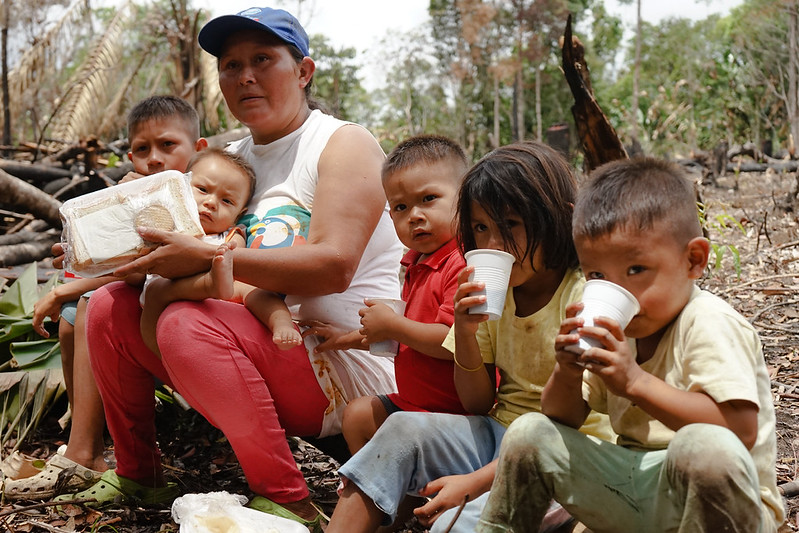 At the turn of the New Year, the seizure of Nicolas Maduro by the United States (U.S.) military in an operation conducted in Caracas dominated the headlines. The move drew criticism from some who cited concerns about international law violations against a sovereign nation, as well as the fact that the executive branch of the U.S. directed the military action without prior congressional approval. Many in Venezuela, meanwhile, expressed support for the end of an administration widely blamed for declines in quality of life over the course of this century. Life for Venezuelans, particularly under the Maduro government, has been shaped by prolonged economic and humanitarian challenges.
A Population in Dire Need
Multiple sources highlight a longstanding humanitarian crisis in Venezuela. As of 2026, 7.9 million Venezuelans need humanitarian assistance. An additional 7.9 million Venezuelans have been forcibly displaced due to deteriorating economic conditions, a figure the United Nations High Commissioner for Refugees (UNHCR) describes as the “largest displacement situation in the recent history of the Americas.”
Furthermore, the United Nations Office for the Coordination of Humanitarian Affairs (OCHA) reports that 5.4 million people are projected to receive some form of international assistance, leaving 2.5 million Venezuelans, nearly 9% of the country’s population, without projected coverage. In addition, 56% of Venezuela’s population lives in extreme poverty.
The Driving Factors
Venezuela’s humanitarian crisis is closely tied to prolonged economic hardship. The Council on Foreign Relations (CFR) identifies the country as a petrostate, meaning it depends heavily on fossil fuel income. Petrostates face the risk of “Dutch disease,” where over-reliance on oil revenue contributes to the deterioration of other sectors of the economy.
Despite having the world’s largest oil reserves, Venezuela experienced significant economic contraction. Time reports that the U.S. first imposed sanctions in 2017 in response to democratic backsliding, further impacting an already struggling economy. From 2013 to 2021, Venezuela’s economy shrank by 70%. Former finance minister Jorge Giordani stated that between 2008 and 2014, officials redistributed two-thirds of oil profits into the economy, while one-third “slipped through the cracks.”
Support Venezuelans: Current Needs
A poll by Gold Glove Consulting indicates that a majority of Venezuelans report optimism following Maduro’s removal. However, economic recovery remains uncertain. The U.S. appointed Delcy Rodriguez as interim president. Although she served in the Maduro administration, she has pledged cooperation with Washington, though not without caveats.
According to Al Jazeera, the Venezuelan government no longer controls its income streams. Funds are deposited into a Qatari account subject to U.S. veto power. Venezuela must submit monthly budget requests for the distribution of those funds. Al Jazeera also reports that experts have raised concerns regarding transparency in the allocation of these funds.
OCHA projects a funding requirement of $606 million for 2026 and reports a funding gap of $587.1 million, constituting coverage of 3.12%. Continued humanitarian funding remains central to supporting Venezuelans facing displacement and poverty.
Looking Ahead
While Venezuela continues to face significant economic and humanitarian challenges, coordinated international assistance and transparent management of resources could help stabilize conditions. Sustained humanitarian funding and targeted support for vulnerable communities remain essential to improving living standards and promoting long-term recovery for Venezuelans living in poverty.
– Luca Hanlon
Luca is based in Brooklyn, NY, USA and focuses on Good News and Politics for The Borgen Project.
Photo: Flickr
