How LEAF is Addressing Malnutrition in Kenya
 Kenya lies in East Africa and borders the Indian Ocean. It is best known for its diversity, its wildlife conservation efforts, and producing some of the most globally recognizable long-distance runners.
Despite its rich history and diverse population, Kenya faces persistent food insecurity and inadequate access to health care, which disproportionately affect their children. LEAF is addressing malnutrition in Kenya through targeted health and agricultural interventions.
According to UNICEF, more than 25% of children under the age of 5 experience stunted growth. Food insecurity and chronic undernourishment commonly cause this condition. An additional 11% of children are underweight and 4% suffer from severe wasting. These problems lead to an increased prevalence and likelihood of death among the Kenyan children.
Root Causes of the Crisis
Many of these issues are a result of a lack of support in education for families and farmers on malnutrition, and farmers’ limited ability to adapt to natural disasters. Without the necessary support, poverty cycles from one generation to the next, preventing households from reaching their full potential.
To break this cycle, the organization Concern began working with government officials and community leaders to design potential solutions. The organization focused its efforts on Tana River County, Kenya.
Agriculture and pastoralism dominate the region, but extreme weather patterns have severely disrupted livelihoods. Hotter days and less rainfall caused animals and crops to suffer. Clinics reported a sharp rise in child malnutrition, prompting the need for immediate intervention.
The LEAF Initiative
The Lifesaving Education and Assistance to Farmers (LEAF) had two main goals: to ensure pregnant women and malnourished children receive lifesaving treatment in a timely manner and to create systematic change in the livelihoods of people living in poverty to prevent future cases of malnutrition
The LEAF initiative began its approach by prioritizing community outreach to reduce acute malnutrition. Through the funding of the Illinois-based food ingredients company Archer Daniels Midland (ADM), they supported the local health department conducting malnutrition screenings.
The organization used monthly house visits to households with pregnant women and/or children where they referred anyone showing signs of malnutrition to local clinics and educated families on nutritional and health topics. LEAF is addressing malnutrition in Kenya, as it estimated that 82% of the families living in the region in 2021 were able to get monthly screenings by the conclusion of the program.
Building Long-Term Resilience
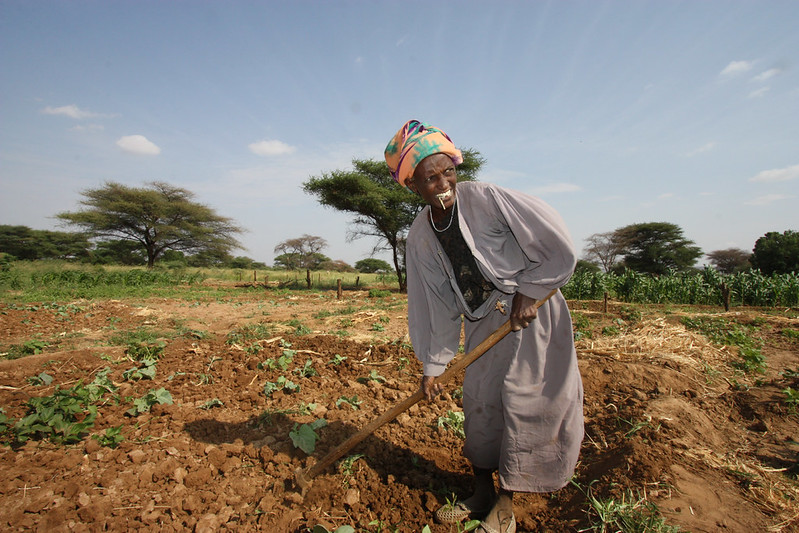
To ensure the screenings did not remain a temporary solution, Concern implemented the second phase of the program. This phase focused on creating systemic change across multiple villages in Kenya. Concern worked with local farmers to reshape their agricultural methods to adapt to extreme climate conditions. Concern provided drought-tolerant seeds to prevent crop loss and irrigation canals to improve village access to affordable water.
These changes proved life-changing. Halim Diramu Jilu, a farmer in Tana River County, praised the program, saying, “Our lives have changed. We have enough water now.” The program reached 39,704 people. Furthermore, crop loss fell from 60% to less than 20%, reinforcing how LEAF is addressing malnutrition in Kenya by strengthening food security at the community level.
The LEAF initiative offers a strong model for how targeted health interventions can combine with grounded community-level agricultural support to tackle poverty and malnutrition. By combining climate education with immediate nutritional support, Concern helped families build independence and improve long-term outcomes for future generations.
– Sachin Kapoor
Sachin is based in Atlanta, GA, USA and focuses on Technology and Solutions for The Borgen Project.
Photo: Flickr
