• Link to X
  • Link to Facebook
  • Link to Instagram
  • Link to TikTok
  • Link to Youtube
  • About
    • About Us
      • President
      • Board of Directors
      • Board of Advisors
      • Financials
      • Our Methodology
      • Success Tracker
      • Contact
  • Act Now
    • 30 Ways to Help
      • Email Congress
      • Call Congress
      • Volunteer
      • Courses & Certificates
      • Be a Donor
    • Internships
      • In-Office Internships
      • Remote Internships
    • Legislation
      • Politics 101
  • The Blog
  • The Podcast
  • Magazine
  • Donate
  • Click to open the search input field Click to open the search input field Search
  • Menu Menu

Tag Archive for: Poverty in Kenya

Posts

Children, Education, Global Poverty

How Gamified Learning Is Expanding Access to Education in Kenya

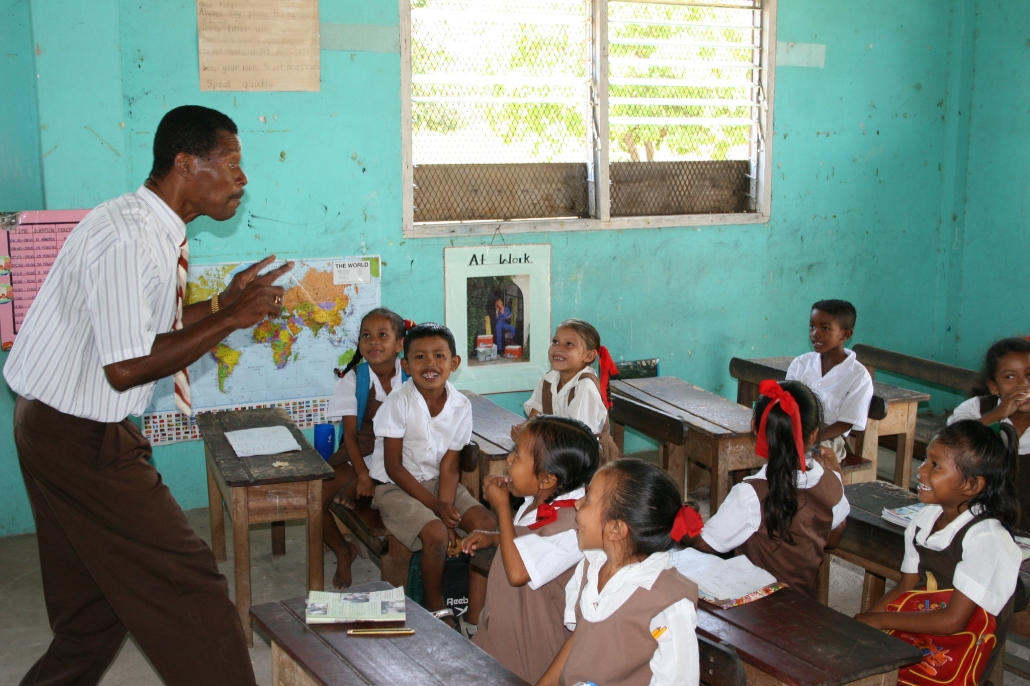
Education in KenyaKenya continues to face significant challenges in ensuring quality education, particularly in low-income and rural communities. Despite high enrollment rates, learning outcomes remain uneven, with many students struggling to meet basic literacy and numeracy standards. Limited resources, teacher shortages and regional inequalities make quality education difficult for many children, highlighting the need for innovative, accessible learning solutions.

What Is Gamified Learning and Why It Matters

Gamified learning refers to the use of game elements, such as quizzes, rewards and progress tracking, to make learning more engaging and interactive. Instead of relying solely on traditional teaching methods, it introduces systems that allow learners to “level up,” monitor their progress and improve through practice rather than being penalized for mistakes.

This model also supports more flexible learning, enabling individuals to follow different paths and build skills at their own pace. By creating a more supportive and motivating environment, gamified learning encourages consistent participation. It helps learners stay engaged over time, especially in contexts where maintaining motivation is a challenge.

Expanding Access Through Digital and Gamified Learning in Kenya

Digital learning platforms are helping address long-standing education challenges in Kenya, particularly in areas where resources and classroom support remain limited. Research shows that gamification within e-learning platforms can improve motivation, engagement and overall learning outcomes, making it a valuable tool in education systems facing persistent learning gaps.

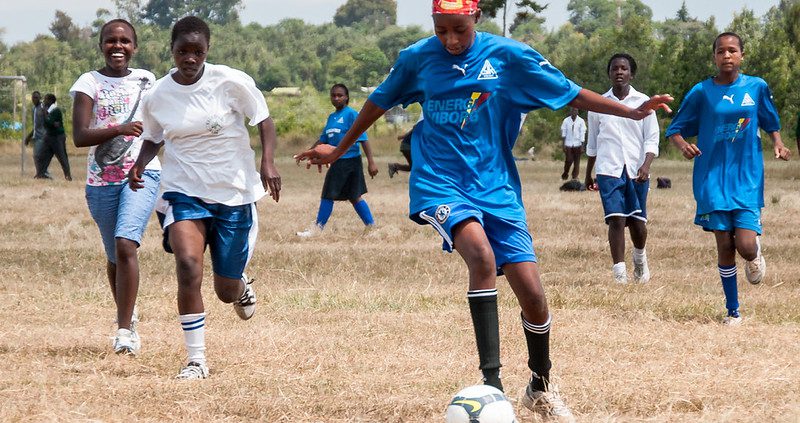
In Kenya, platforms such as Eneza Education use mobile-based learning to reach students who may lack access to traditional educational resources. Through SMS-based lessons, quizzes and interactive features, students can practice regularly and receive feedback, even with basic mobile phones. This approach is especially valuable in rural areas, where internet access and infrastructure are often limited.

At the same time, increasing mobile access is making these solutions more widely available. Smartphone penetration in Kenya has reached around 83.5%, enabling more students to access digital learning tools and educational content through their devices.

Beyond Eneza, the broader rise of education technology in Kenya is making learning more flexible and accessible. Digital tools allow students to learn at their own pace, revisit difficult topics and stay engaged through interactive content. By combining accessibility with engagement, gamified digital learning is helping reduce educational gaps and reach students who might otherwise be left behind.

From Learning to Economic Opportunity

Education is often the starting point for preventing long-term challenges, especially poverty. When people have access to quality learning, they are more likely to develop the skills needed to secure stable jobs, build businesses and improve their living conditions. In Kenya, this link between education and economic growth is already becoming clear.

According to the World Bank, the country has made significant progress through education reforms, reaching more than 16 million students across nearly 90,000 schools. These improvements have helped position Kenya among the top education performers in Eastern and Southern Africa. At the same time, the country’s economy is expected to grow by around 5% annually, highlighting the role of education in broader economic development.

Learning outcomes have also improved over time. For example, performance in subjects such as mathematics and languages has improved, while secondary school enrollment rose by more than 50% in the years before the pandemic. These developments matter because stronger learning outcomes are directly linked to better job opportunities and higher income potential.

Similarly, research shows that innovative approaches such as gamified learning can further strengthen this impact. Gamification is not just about engagement; it also helps build practical skills such as problem-solving, decision-making and digital literacy. In development contexts, these skills are essential for employment and entrepreneurship. 

Studies have shown that gamified learning environments can improve motivation, participation and knowledge retention, making education more effective overall.

Conclusion

As digital access continues to expand in Kenya, learning is no longer limited to traditional classrooms. Gamified learning, combined with mobile-based education, is creating more flexible and accessible ways for students to build skills and stay engaged. This is especially important in contexts where consistent access to quality education remains a challenge.

Together, these developments point to a clear pathway: education builds skills, skills create opportunities and opportunities help reduce poverty. By improving both access to education and the way people learn, Kenya is not only strengthening its education system but also creating new pathways for economic participation and long-term development.

– Elif Oktar

Elif is based in London, UK and focuses on Good News and Technology for The Borgen Project.

Photo: Flickr

April 13, 2026
https://borgenproject.org/wp-content/uploads/borgen-project-logo.svg 0 0 Lynsey 2 https://borgenproject.org/wp-content/uploads/borgen-project-logo.svg Lynsey 22026-04-13 07:30:262026-04-12 13:04:00How Gamified Learning Is Expanding Access to Education in Kenya
Global Poverty, Health, HIV/AIDS

Poverty and Healthcare in Kenya

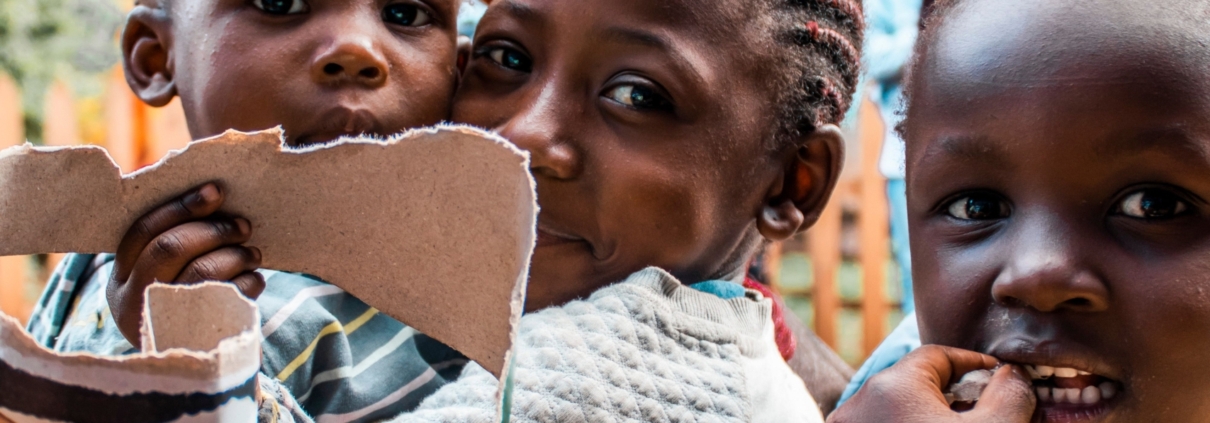
Healthcare and Poverty in KenyaThere are many health factors that contribute to the approximately 3.6 million orphaned children in Kenya: sickness, malnutrition, healthcare access and gender disparities. Poverty is woven through each of these areas that has significant effects on women and orphan children that reside in Kenya, leaving many vulnerable to developing health risk behaviors. The lack of accessible healthcare is clear in Kenya with the prevalence of diseases and many barriers that women and children face in order to be able to receive care. This has now also become a socioeconomic issue as the healthcare system shows extreme disparities within the major communities of Kenya.

Navigating HIV/AIDS in Poverty

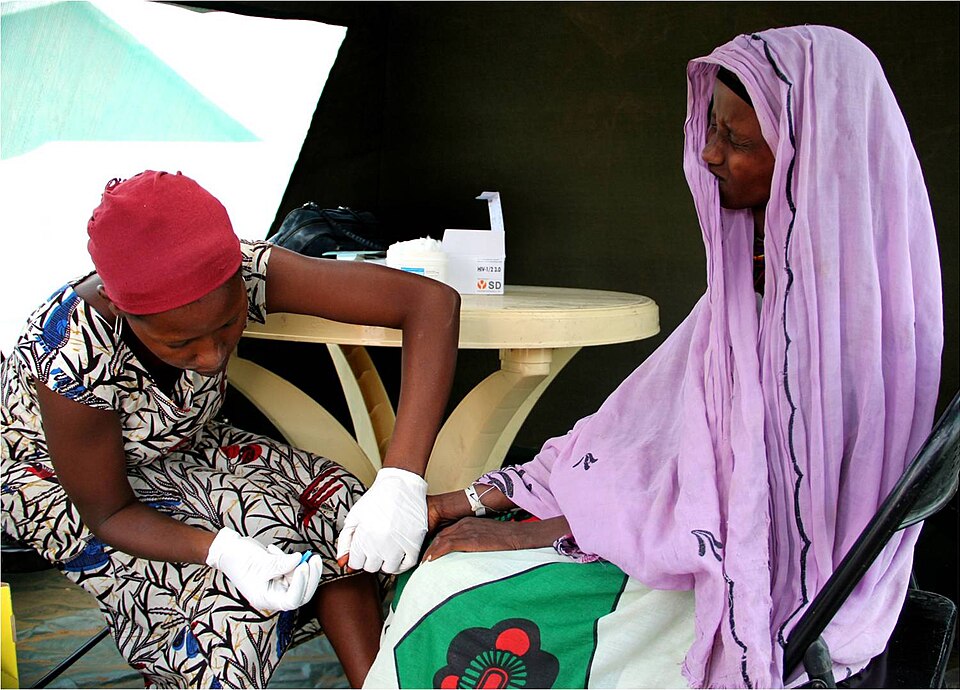
HIV/AIDS affects 1.4 million people in Kenya, and 32% of orphanhood stems from HIV/AIDS. This happens due to how widespread HIV is within families, and how it will directly affect the families labor force and overall income. HIV also plays a major role in the health of parents in the family, causing deaths of either one or both parents, leaving more children orphaned. Poverty directly impacts access to antiviral drugs (ARVs) as
the citizens of Kenya rely heavily on donors. In January 2025, the U.S. shut down its USAID, reducing its programs to Kenya from 149 to 30. This massive exit from humanitarian aid has caused many healthcare workers to experience lay offs and forced healthcare facilities to close.

Vitamin Deficiencies in Pregnant Women

In Kenya, many pregnant women have vitamin deficiencies which are due to the limited amounts of nutritional products for maternal health along with overall nutritious foods required during pregnancy. In Kenya, 26% of pregnant women suffer from iron deficiency, creating an anemia rate of 42.6%. Kenya as a whole is facing a drought which is not only affecting their resources, but also the ability for families to have stability which leads to a lot of children in orphanages. Many of the orphans in Kenya have living relatives but widespread poverty leaves them without substantial resources, leading to children being placed in orphanages with the idea that they will live a better life.

Gender Disparities

Only 6% of women have titles to land in Kenya. Although it is a legal right for them to own property, societal norms of discrimination against women have long been the driving factor of them being unable to obtain and keep property. Kenyan women are at risk of being victims of land grabbing, usually in the way of their husbands running them off or abusing them causing them to have to flee. These women are put in vulnerable situations, feeling forced to abandon their children to orphanages, and pushes women to make less than ideal choices, such as prostitution. This can lead to a higher mortality rate, and ultimately leaves many children orphaned.

Available Resources

To help combat these issues, many organizations and campaigns, such as Stand for Her Land and Kenyan Peasants League have started garnering support and finding these depleted resources to help the community. Stand for Her Land has worked on advocacy for women of lesser status and income to exercise their rights on gaining legal access to land. Along with this, the Kenyan Peasants League gathers community-based funding to purchase land for women who had their lands usurped during major land-grabbing times.

Policy Action

The government has now also taken a stronger stance on these issues, one main way being by creating the National Care Reform Strategy for Children in Kenya. This specific act focuses a lot on family based care in society and ensuring that they are provided with the resources to continue in society. However, to break this cycle of poverty as a whole, national and international organizations need to prioritize things such as accessibility to healthcare, enforcing a woman’s right to own land, and overall strengthening child-welfare programs. Changes like these can likely help the livelihoods of not only the children in Kenya, but also the community that exists around them.

Conclusion

In summary, poverty in Kenya has shown to have lasting effects that have caused severe damage to especially the orphaned children of the country. Studies show that there will be long term effects on their overall developmental issues that will likely follow them into their adulthood. In order to properly address these matters, more accessible resources need to be implemented.

– Mansi Sampda, Jessica Norman, Melissa Kronblat and Kalea Mailangi

Mansi, Jessica, Melissa and Kalea are based in Bothell, WA, USA and focus on Global Health for The Borgen Project.

Photo: Unsplash
March 31, 2026
https://borgenproject.org/wp-content/uploads/borgen-project-logo.svg 0 0 Jennifer Philipp https://borgenproject.org/wp-content/uploads/borgen-project-logo.svg Jennifer Philipp2026-03-31 07:30:322026-03-31 00:56:51Poverty and Healthcare in Kenya
Developing Countries, Development, Poverty

Addressing the Hidden Poverty of Urban Slums in India and Kenya

Urban Slums in India and Kenya

Urban slums are home to millions of people in cities like Mumbai and Nairobi, where residents endure extreme poverty, overcrowded housing, poor sanitation and limited access to basic services. These informal settlements are often overlooked in poverty reduction efforts, leaving slum dwellers without essential support. Despite being central to the urban landscape, slums face challenges such as inadequate health care, limited educational opportunities and heightened vulnerability to environmental risks like flooding and landslides due to climate instability.

The Hidden Struggles of Slum Dwellers

In Dharavi, Mumbai, one of the largest slums in the world, is marked by overcrowding, poor infrastructure and a lack of sanitation. Families live in cramped, poorly constructed homes with minimal access to clean water and essential services. With little access to quality health care or education, slum residents are caught in a cycle of poverty that is hard to break. 

Kibera, another well-known slum in Nairobi, suffers from similar challenges. Despite being home to a large portion of the city’s population, these slums have inadequate access to safe water, sanitation and infrastructure and poor structural quality of housing. These communities are also disproportionately affected by climate instability. 

Without adequate drainage systems, flooding and other climate-related disasters worsen their already precarious living conditions. Residents also face constant threats of forced evictions, often stemming from insecure land tenure and government urban development plans, with many fearing displacement despite living on the land for decades. This problem is rooted in unequal land ownership and political-economic factors that prevent low-income populations from accessing land and securing decent housing.

Successful Policies and Initiatives

Despite these challenges, several successful initiatives have improved living conditions in urban slums in India and Kenya, thereby addressing poverty.

In India, the Rajiv Awas Yojana (RAY) program seeks to improve slum conditions by promoting inclusive and equitable cities where every citizen has access to basic civic infrastructure, social amenities and decent shelter. This initiative is part of India’s broader goal of creating a “Slum-Free India.” Similarly, the Dharavi Redevelopment Project in Mumbai aims to redevelop the Dharavi Notified Area by appointing developers. The project uses land as a resource to rehabilitate slum dwellers and permits an incentive Floor Space Index through tenements sold on the open market.

In Kenya, the Kenya Slum Upgrading Program (KENSUP) focuses on improving living conditions in informal settlements. KENSUP focuses on constructing housing and infrastructure, managing the environment and solid waste and addressing health challenges. One key success is the Kibera Slum Upgrading Initiative, implemented in collaboration with U.N.-HABITAT. The initiative aims to improve infrastructure through targeted interventions.

Local organizations in Kenya, such as Shining Hope for Communities (SHOFCO), have also been instrumental in improving access to health care, education and women’s empowerment programs. They are demonstrating how grassroots initiatives can complement government efforts. 

The Way Forward

For sustainable change, slum upgrading must be integrated into broader urban development plans. Governments need to implement policies that create economic opportunities, promote job growth and expand access to education for slum residents. Securing land tenure, investing in affordable housing and expanding public services such as health care and sanitation will provide a stronger foundation for residents to escape poverty.

Moreover, integrating slum improvement into urban planning requires addressing the socioeconomic needs of slum dwellers, including access to employment, education and basic services. It also requires tackling environmental challenges such as flooding and climate resilience. Governments should promote inclusivity by ensuring that slum residents have a voice in the planning process and that their specific needs are addressed. 

Building stronger partnerships among local governments, international organizations and community groups can help advance this vision.

Conclusion

Urban slums are home to millions of people living in extreme poverty. However, with targeted initiatives and community-driven solutions, significant progress is possible. Successful programs in India and Kenya show that improving living conditions in slums is achievable. 

By addressing both the physical and socioeconomic challenges of slums, stakeholders can begin to break the cycle of poverty in urban communities in India and Kenya and build more resilient and inclusive cities.

– Chris Tang

Chris is based in Beijing, China and focuses on Good News and Technology for The Borgen Project.

Photo: Wikimedia Commons

March 30, 2026
https://borgenproject.org/wp-content/uploads/borgen-project-logo.svg 0 0 Lynsey 2 https://borgenproject.org/wp-content/uploads/borgen-project-logo.svg Lynsey 22026-03-30 01:30:272026-03-29 13:03:15Addressing the Hidden Poverty of Urban Slums in India and Kenya
Disease, Global Poverty, Health

Improvement in the Treatment of TB in Kenya

TB in KenyaTuberculosis (TB) is a condition that mostly affects a person’s lungs but can also spread to other parts of the body. TB is caused by the bacterium Mycobacterium tuberculosis, which circulates through the air and spreads when inhaled. TB has been a persistent public health challenge in Kenya. According to the National Library of Medicine, TB is the fifth leading cause of death in the country. However, there has been a noticeable improvement in treating TB in Kenya. The director of the African region of the World Health Organization (WHO), Dr. Diallo Abdourahmane, stated that Kenya reduced TB cases by 41% and TB-related deaths by 60%. This progress is attributed to treatments such as preventive therapy, the BPaL regimen and digital adherence technologies.

Tuberculosis Preventive Treatment

One treatment used today is tuberculosis preventive treatment (TPT). Its goal is to prevent certain individuals from developing active TB by administering anti-tuberculosis medicine. The treatment destroys bacteria that have infected the body before they can harm organs or spread the illness. TPT specifically targets people living with human immunodeficiency virus (HIV). HIV weakens the body’s ability to fight infections, making individuals more vulnerable to TB. It is recommended for HIV patients to undergo this treatment to reduce the chance of developing TB. The preferred course consists of three months (3HP), during which the antibiotics isoniazid and rifapentine are taken once a week. However, this prescription may interact with other medicines, so each patient’s case should be considered individually.

BPaL Regimen

The BPaL regimen is a treatment course lasting six months. The WHO has recommended it as an alternative to lengthier treatments. The regimen combines four antibiotic medications: bedaquiline, pretomanid, linezolid and moxifloxacin. It targets drug-resistant TB, a form of the disease that does not respond to some standard medications. This treatment is primarily for adult patients and teenagers older than 14. Studies have shown a success rate of 89%, making it more effective than previous regimens.

Digital Adherence Technology

TB treatment outcomes have also improved with digital adherence technology (DAT). DAT refers to digital tools that use technological devices to record a patient’s daily medication information. Examples include smart pill boxes and medication sleeves. Researchers believe DAT motivates individuals with TB to take their daily medication consistently.

A 2026 study evaluated whether certain digital interventions improved TB treatment outcomes. The study found that digital platforms such as Keheala reduced the percentage of failed TB treatments, supporting the use of digital tools in TB care. DAT offers several benefits. Patients can choose the most suitable time to take their medication, fitting it into their routine. Patients can receive SMS reminders. Health care providers can access their patients’ information, allowing them to monitor consistency and identify patients who need additional support.

Looking Ahead

Although TB remains a serious issue in Kenya, the treatments discussed have demonstrated their effectiveness. Kenya has earned recognition from the WHO for its progress. The country has set further goals to reduce TB death rates by 90% and TB cases by 80% by 2030. Efforts in Kenya to reduce the impact of TB continue to show measurable results.

– Lara Ibrahim

Lara is based in Créteil, France and focuses on Technology and Global Health for The Borgen Project.

Photo: Flickr

March 24, 2026
https://borgenproject.org/wp-content/uploads/borgen-project-logo.svg 0 0 Precious Sheidu https://borgenproject.org/wp-content/uploads/borgen-project-logo.svg Precious Sheidu2026-03-24 07:30:542026-03-24 01:43:20Improvement in the Treatment of TB in Kenya
Education, Global Poverty, Volunteer

Just Be A Child: Volunteers in the UK Improve Education in Kenya

Education in KenyaJust Be A Child is a U.K.-based organization that works to improve education in Kenya and it relies on U.K. volunteers and donations. It has multiple programs both in Kenya and in the U.K.

Kwale County Programs

Just Be A Child began its work in Kenya’s Kwale County, where access to educational resources, training and safe spaces for children to learn and play was limited. To address this, the organization built libraries and learning centers in 40-foot shipping containers. These centers provide a place for all community members to access books, skills training and play-based learning programs.

Now, the organization has six libraries set up in Kenya. These libraries engage residents as community members convert shipping containers and local volunteers are trained to run the spaces. The libraries are stocked with thousands of books and are restocked annually by Just Be A Child. Each library also includes a playground, giving children a space to play alongside accessing educational resources.

Library Starter: Small Books Donation Scheme

This scheme provides approximately 1,000 books to public benefit organizations that apply. The organization charges 5,000 Kenyan Shillings (about $40) for four boxes of books, each containing approximately 250 books. It has so far delivered more than 50,000. This helps schools and other community organizations set up and maintain libraries, improving educational access for children in the area.

Library Builder: Large Book Donation Scheme

This scheme provides anywhere from 1,000 to 30,000 books to NGOs, government bodies, schools and community groups. It offers a wide range of books at affordable rates to help create learning environments with varied materials that might otherwise be difficult to access. This supports literacy and learning for local children and communities, further improving education in Kenya.

Dr. Kathleen Anangwe from the University of Nairobi told Just Be a Child: “JBAC helped us establish in a community that lost hope after forceful resettlement. Now they flourish and thrive.”

Targeted Giving

This program ensures that books, toys and sports kits donated to Just Be A Child reach the places where they are most needed. For example, specialized books are given to students, professors or educational institutions that require them. In contrast, toys are given to vulnerable children who may need comfort and support.

The organization’s U.K. programs revolve around volunteering. These include book packers, the Art Brigade and the Crafters Crew. Book packers help count, organize and pack donated learning supplies. 

The Art Brigade provides art sessions for children in Kenya, equipping them with the skills and resources to express themselves creatively. The Crafters Crew knits, crochets or sews to provide handmade baby blankets, clothes and knitted toys to vulnerable children across Kenya. Volunteers who sew also donate fabric bags for Kenyan schoolchildren to help them physically access school. 

All of this allows U.K. volunteers to feel personally involved in improving education in Kenya.

The Impact of Just Be A Child

Just Be A Child reports that it has trained more than 17,000 teachers and volunteers in Kenya, reaching around five million readers and creating or stocking almost 60 libraries. Across these libraries, it has distributed more than a million books and engaged 3,500 school-aged children across Kenya.

The impacts have also been extensive in the U.K., with the organization engaging more than 5,000 participants and nearly 800 corporate volunteers. It has also helped save more than a million books from landfill.

Final Remarks

Just Be A Child is an organization that supports improving education in Kenya. While it does accept monetary donations, the ability to donate books and handmade items makes it a great option for those who may not have the means to give money. This allows the organization to engage a wider range of people across the U.K., raising awareness of the impact international aid can have.

– Ryan Cowen

Ryan is based in Brighton, UK and focuses on Good News and Politics for The Borgen Project.

Photo: Flickr

March 16, 2026
https://borgenproject.org/wp-content/uploads/borgen-project-logo.svg 0 0 Lynsey 2 https://borgenproject.org/wp-content/uploads/borgen-project-logo.svg Lynsey 22026-03-16 03:00:592026-03-15 01:11:02Just Be A Child: Volunteers in the UK Improve Education in Kenya
Global Poverty, Women and Female Empowerment

IIW-BEK Program: Empowering Women in Kenya

Empowering Women in KenyaJackline Auma makes her living fishing on Shakababo Lake in Kenya’s Tana River Delta. Most women who work in the Kenyan fisheries sector sell fish, fill cans or process fish. Auma owns her own boat. She employs several people to process fish and occasionally goes out to fish herself. Even so, Auma struggled to find her footing in this male-dominated “blue economy.” She was told numerous times, “The waters are no place for a woman,” and had trouble finding enough money to buy her boat. Auma was determined to be part of the movement to transform Kenya’s blue economy.

IIW-BEK Program: Empowering Women in Kenya

Female entrepreneurs like Auma are benefiting from the Investing in Women in the Blue Economy in Kenya (IIW-BEK) program. The Africa Enterprise Challenge Fund (AECF) implemented the initiative in 2022 and Global Affairs Canada is funding it to empower female entrepreneurs in Kenya’s blue economy. IIW-BEK aims to eliminate systemic financial and policy barriers that have long discouraged women from gaining a foothold in the blue economy.

The project’s goals include creating about 1,490 direct jobs and benefiting roughly 1,560 women entrepreneurs and value-chain actors across the Lake Victoria Basin and coastal counties. The ongoing funding of this project shows that governments and nongovernmental organizations (NGOs) recognize the importance of empowering female entrepreneurs beyond mere equity. It is also about sustaining the environment. 

Kenya’s blue economy may contribute to many livelihoods. However, it is still male-dominated and its ecosystems continue to be challenged. Canada hopes that by increasing women’s access to money, decision-making processes and sustainable development practices, its funding of this project will address both Kenya’s economic and environmental problems.

Project Goals

Three main goals guide this project. The first is to expand access to finance, which involves providing funding to women-owned businesses and reducing gender-based barriers. In the first funding rounds of this project, more than 1,600 female business owners submitted applications.

The second goal is to create a more supportive business environment for female entrepreneurs. This involves addressing discriminatory policies and community-level barriers, including child care demands. Many women struggle to balance caregiving responsibilities with running their businesses. Providing child care support aligns with Canada’s Feminist International Assistance Policy and helps women manage these competing demands.

The third goal is to support biodiversity and sustainable practices in the blue economy, aiming to reduce pressure on fragile ecosystems such as Lake Victoria and coastal marine zones.

Impact and Success Story

So far, this program has yielded positive results. The AECF 2022-2023 report stated that it financed up to 100 women’s groups, impacting 1,200 women who aim to transform Kenya’s blue economy. Formalizing these businesses has helped many women become more financially literate and independent. On top of that, it has expanded aquaculture production and diversified incomes away from overfished stocks.

Angela Odero is co-founder and CEO of Rio Fish Limited, based near Lake Victoria. She and her company received a grant from the program, which helped them expand and formalize their operations. This meant they could provide an affordable supply of fish to female merchants, lessening their reliance on men.

 “The grant not only inspired Rio Fish but also sent a powerful message to the industry: it is time to invest in women’s empowerment and gender equality,” she said.

Final Thoughts

From the Tana River Delta to Lake Victoria, women are increasingly stepping into leadership roles in Kenya’s blue economy. They are expanding aquaculture businesses, formalizing operations and challenging long-standing gender barriers. Support from Global Affairs Canada, delivered through the AECF, is helping this initiative improve access to finance and promote sustainable practices. 

Early results suggest empowering women in Kenya is strengthening livelihoods and encouraging a more inclusive, environmentally sustainable blue economy. Other East African countries may use it as a model for diversifying their own blue economy initiatives.

– Caleb Dueck

Caleb is based in Winnipeg, Manitoba, Canada and focuses on Good News and Technology for The Borgen Project.

Photo: Flickr

March 15, 2026
https://borgenproject.org/wp-content/uploads/borgen-project-logo.svg 0 0 Lynsey 2 https://borgenproject.org/wp-content/uploads/borgen-project-logo.svg Lynsey 22026-03-15 07:30:202026-03-13 13:52:11IIW-BEK Program: Empowering Women in Kenya
Food Security, Global Poverty, Hunger

Hunger in Kericho: Nishkam Projects’ Feeding Program

Tackling Hunger in Kericho: Lessons from Nishkam Projects’ Feeding Programme For a young child in Kericho, Kenya, tackling hunger can make the difference between success and opportunity within the education system or being trapped in a cycle of poverty. For many, days start without breakfast and school meals may be their only meal in a day, highlighting the urgent need for these meals to be fulfilling and regular. Without this, learning becomes more difficult, attendance dips and concentration wanes, reinforcing cycles of disadvantage that children themselves have no power to escape.

This systemic challenge is reflected in recent regional data. Kenya’s regions of Kericho and Tharaka Nithi experienced sharp increases in poverty from 2021 to 2022 and the figures have been slowly climbing since. Poverty in Kericho County increased from 39.8% in 2021 to 47.8% in 2022.

Time and time again, a pattern emerges where children are frequently the first to suffer the consequences of this economic instability.

The Importance of School Meals

Simply put, school meals can hold the key to unlocking a truly accomplished education and a pathway out of poverty. School meal programmes protect households from hunger and mitigate the effects of rising food costs by offering a consistent supply of food at no cost to families, saving 10–20% of their yearly food expenses.

The development of jobs is another indication of the economic potential. Globally, for every 100,000 students fed, school lunch programs provide around 1,591 cooking job opportunities. Every $1 invested in feeding programs yields $7 to $35 in economic benefits, making them widely recognized as high-return investments in decreasing poverty.

Hungry children are less likely to attend school on a regular basis and are more likely to fall behind when they do, according to several studies. Hunger impairs focus, memory and engagement, which undermines the very education that would provide a means of escaping poverty. Therefore, food insecurity not only reflects existing inequality; it actively perpetuates it. School meals are increasingly understood as being much more than a simple plate of food.

Nishkam Projects Kericho

Against this backdrop of rising food insecurity, Nishkam Projects Kericho has become a locally based response to child hunger that prioritises community and humanity. The organisation collaborates with local communities and schools to provide children from low-income homes with regular meals so that hunger will not deter them from attending school.

The Sikh values of communal duty and sewa (selfless service) have shaped a larger humanitarian legacy that encompasses Nishkam’s work in Kericho. Instead of seeing hunger as a temporary crisis, the organization approaches it as a structural issue that requires ongoing dedication and long-term presence.

This philosophy is articulated by Bhai Sahib Mohinder Singh Ji, Chairman of the Guru Nanak Nishkam Sewak Jatha and philanthropist, recently honored by Kipsigis elders in Kericho for his leadership in peace and service.

He explains the deeper motivation behind the initiative: “When people become disconnected from God, they become disconnected from creation — and when that happens, compassion disappears.” Nishkam Projects’ work seeks to bring back these connections, foster community and place compassion at the forefront of action. By incorporating its feeding program within educational institutions such as Highlands Primary School, the organization promotes a broader ethic of care while addressing pressing nutritional needs.

It centers around notions of mutual responsibility. Poverty exists when wealth is not shared, and inequality increases when individuals and communities no longer feel obligated to one another. As Bhai Sahib Ji illustrates: “When people lose that connection, greed takes over. They want more and more, and they stop wanting to share.”

In a world where widespread poverty and food waste coexist, this insight resonates strongly. Each year, a significant amount of food is wasted, despite the fact that millions of children lack access to even one consistent meal. By basing its feeding programs on seva, Nishkam Projects frames hunger as a societal issue that can be addressed through collective action.

Positive Impacts

The classroom at Highlands Primary School in Kericho demonstrates the effects of regular school meals. As Bhai Sahib Mohinder Singh explains: “Children are the most vulnerable, and they are our future. If you want a good future, you must look after the children.” He adds that hunger affects children with particular force because of their dependence on others. “If there is no compassion, they are the first to suffer.” By embedding feeding within the school day, Nishkam’s programme protects children from the immediate effects of food insecurity while also supporting long-term development goals.

A basic daily meal acts as a stabilising factor, supporting education, strengthening households and helping interrupt cycles of hunger that can pass from generation to generation. Nishkam Projects Kericho sees education as the key to long-term development, while feeding programs address urgent hunger. In this way, food serves as a foundation rather than an endpoint. It stabilizes children’s lives so learning, growth and future opportunities become possible.

Without education, efforts to alleviate hunger risk becoming recurrent. With it, communities can begin to escape chronic poverty. Bhai Sahib Mohinder Singh emphasizes that “good education, value-led education,” must accompany material support.

The Principle of Langar

This legacy of sharing food is embedded at the heart of another Sikh tradition: Langar. A centuries-old practice, Guru Ka Langar began in Punjab in the fifteenth century by Guru Nanak Dev Ji. Langar embodies the Sikh virtues of sharing, community, inclusivity and the fundamental oneness of mankind.

Food is prepared collectively, shared freely and consumed side by side, with no distinction between those who give and those who receive. As Bhai Sahib Ji explains: “We prepare langar and everyone sits in the same line, at the same level, sharing the same meal.” By eliminating social status symbols, langar reframes food distribution as a gesture of solidarity rather than charity. No hierarchy places one group above another. Instead, the shared meal affirms Bhai Sahib Ji’s idea: “The wealthy person and the poor person are brothers.”

In the context of tackling hunger in Kericho, this approach carries particular significance. Food insecurity is often associated with stigma, reinforcing feelings of shame and exclusion among those who are struggling. By maintaining dignity and encouraging a sense of belonging, Langar actively counters this trend.

By basing its feeding programs on the philosophy of langar, Nishkam Projects provides more than just food. It provides a framework for addressing poverty that prioritizes equality, respect and shared humanity.

Nishkam Peace Festival, Kericho

Beyond schools and feeding programs, Nishkam’s dedication to ending hunger in Kericho reaches into the community’s broader social fabric.

This was particularly visible during Kericho’s Nishkam Peace Festival, when children from different schools gathered for a day of performances. Spoken-word, dance and music brought families and community members together.

The langar practice was central to the celebration. A free community meal, prepared and served in the same spirit of equality that guides Nishkam’s broader work, was extended to all children. The reasoning behind such initiatives is straightforward, as Bhai Sahib Ji observes: “Helping others becomes natural if we see all of humanity as one family.”

The Peace Festival in Kericho demonstrated how community, culture and langar can come together to promote harmony.

Looking Ahead

The demand for solutions that address both the material and social dimensions of poverty continues to grow. Nishkam Projects Kericho illustrates how combining values-driven action with practical programs can support children and communities facing food insecurity.

– Prubleen Bhogal

Prubleen is based in London, UK and focuses on Good News and Politics for The Borgen Project.

Photo: Needpix

March 14, 2026
https://borgenproject.org/wp-content/uploads/borgen-project-logo.svg 0 0 Precious Sheidu https://borgenproject.org/wp-content/uploads/borgen-project-logo.svg Precious Sheidu2026-03-14 07:30:472026-03-13 13:29:51Hunger in Kericho: Nishkam Projects’ Feeding Program
Employment, Global Poverty, Women and Female Empowerment

Boosting Career Independence for Women in Kenya

career independence for women in KenyaAcross the globe, women remain at a significant disadvantage in terms of employment, with an estimated 606 million working-age women around the world considering themselves unavailable for work, compared to 41 million men.

A Care Economy refers to a system that encompasses care work that is both paid and unpaid, with roles of workers that are involved in: education, childhood care and domestic work, amongst several other roles. According to the Gates Foundation, women overwhelmingly bear the brunt of caring for children and other family members, spending nearly three times more hours on unpaid care work than men do. Strengthening the care economy is of vital importance for career independence for women in Kenya.

Kenya’s Fourth Medium Term Plan

Kenya’s Fourth Medium Term plan from 2023 to 2027 calls for addressing unpaid care and domestic work. This plan has seen success. For instance, Kenya has recently marked a milestone in Care Reform. Lumos Kenya hosted a Care Reform Reflection and Learning Session, which saw government officials and child practitioners from across the country. The Principal Secretary for the State Department for Children Services, CPA Carren Agengo, demonstrated the success made so far, stating there had been training of thousands of social workers and caregivers, who have been developing child protection case management tools and scaling up family-based care interventions. Lumos summarised the session as follows: detailing how care reform has moved from policy to practice.

Legal Advocacy as a Tool Against Gender Inequality

The story of Dr Stellah Bosire, a physician, human rights activist and author at the intersection of women’s health and economic power, demonstrates the importance of legal advocacy as a tool against gender inequality. Her work helps boost career independence for women. For example, according to The Gates Foundation, Dr Bosire developed a circular approach, where she held weekly discussions on health and nutrition, and community dialogues to challenge restrictive gender norms.

HerConomy

Dr Bosire introduced the HerConomy initiative, which connects communities of women with diverse global opportunities that focus on promoting career advancement, entrepreneurship and financial growth. Her story demonstrates great progress, for instance, many women in the program have had the opportunity to engage in multiple income-generating activities such as running kiosks, making soap and selling juice. The community has seen an increase in the scaling of business, with one woman now owning a shoe company.

Dr Bosire told the Gates Foundation: “It’s about giving women ownership, independence, and the tools to build better futures for themselves and their families, while impacting their health.” The Gades Foundation has noted that she is fundraising to launch Kenya’s first women-led Savings and Credit Cooperative Organisation, where members will be able to borrow money to invest in businesses and education.

Strengthening the Care Economy and continuing to invest and optimise legal advocacy can both help combat gender inequality in the workforce. The story of Dr Bosire and her fundraising work to increase financial security and independence for female-led businesses is inspirational and exciting, marking a step towards the increasing number of women in working roles and boosting career independence for women in Kenya.

– Joe Langley

Joe is based in Edinburgh, Scotland and focuses on Good News for The Borgen Project.

Photo: Flickr

March 6, 2026
https://borgenproject.org/wp-content/uploads/borgen-project-logo.svg 0 0 Naida Jahic https://borgenproject.org/wp-content/uploads/borgen-project-logo.svg Naida Jahic2026-03-06 07:30:532026-03-06 03:47:00Boosting Career Independence for Women in Kenya
Global Poverty, Health, Women and Children

Beyond Zero: Empowering Maternal Care In Kenya

Beyond Zero: Empowering Maternal Care In Kenya The Beyond Zero mission is simple: “No woman should die while giving birth.” The campaign is a flagship maternal and child health care initiative in Kenya, reaching more than 1.2 million people through mobile clinics and medical safaris. Beyond Zero aims to expand access to quality, lifesaving health care across all 47 counties in Kenya, especially for women and infants in remote communities where services are often limited or difficult to reach.

How a Bold Promise Became a National Campaign

Beyond Zero was founded in 2014 by Kenya’s first lady, Margaret Kenyatta. Two months after assuming office, Kenyatta delivered a pledge during her maiden speech for the Organisation of African First Ladies Against HIV/AIDS (OAFLA). She vowed to use her platform to fight HIV/AIDS stigma and eliminate discrimination against people living with the disease.

Recognizing the need for stronger maternity services advocacy, Kenyatta launched Beyond Zero with a mission to reduce preventable maternal and infant deaths and eliminate mother-to-child transmission of HIV. After Kenyatta’s 10-year tenure as first lady, the Beyond Zero mission continues to guide the campaign as it supports women and children across Kenya.

Examples of Care Provided on the Ground

For many mothers in rural communities, long distances to facilities and a shortage of specialist staff restrict access to antenatal, postnatal and neonatal care. Beyond Zero responds by bringing services directly to communities through mobile clinics and medical safaris.

Mobile clinics are fully equipped health facilities on wheels, including trucks or large vans fitted with examination spaces, diagnostic equipment, vaccines and essential medicines. Medical safaris are short-term outreach campaigns in which teams of health professionals visit a specific region for several days to provide specialized services, deliver community education and write hospital referrals. Together, these approaches focus on interventions during pregnancy, childbirth and infancy.

  • Infant and Childhood Immunization Services. Routine vaccinations, such as tuberculosis and polio, are provided to newborns and infants to protect them from preventable diseases, particularly in remote communities.
  • Prevention of Mother-to-Child Transmission (PMTCT) of HIV. HIV testing and counseling are available for pregnant women. Those who test positive are linked to antiretroviral therapy to prevent transmission to their infants.
  • Cancer Screening Services. Beyond Zero provides early detection screening for breast and cervical cancer among women of reproductive age. The campaign also raises awareness through education and offers referrals for treatment when required.
  • Obstetric Fistula Awareness and Referral Services. Women experiencing poverty, malnutrition and limited health care access face higher risks of obstetric fistula, a childbirth injury that creates a hole in the birth canal. Beyond Zero works to identify, prevent and refer cases for treatment.

The Scope of Beyond Zero’s Impact Across Kenya

Since its launch, Beyond Zero has expanded from an advocacy drive into a national health initiative. Its impact is reflected in increased service delivery and expanded access in rural regions.

  • More than 45,000 households have received free health services through medical safaris.
  • Beyond Zero has implemented a Nursing Scholarship Fund for marginalized students from arid and semi-arid counties, supported by the World Bank.
  • Advocacy and health education messages have reached approximately 35 million people.
  • After coordinating the sensitization of health care workers on obstetric fistula, two counties have employed resident fistula surgeons.
  • The percentage of HIV-positive women receiving antiretrovirals increased from 66% in 2013 to 96% in 2020.

Looking Ahead 

Beyond Zero demonstrates how targeted support for maternal and child health can expand access to care across Kenya. Its mobile clinics and outreach services continue to play a role in reducing preventable deaths and improving health services for women and children in remote communities.

– Charlotte Bunn

Charlotte is based in Bristol, UK and focuses on Good News and Global Health for The Borgen Project.

Photo: Flickr

February 27, 2026
https://borgenproject.org/wp-content/uploads/borgen-project-logo.svg 0 0 Precious Sheidu https://borgenproject.org/wp-content/uploads/borgen-project-logo.svg Precious Sheidu2026-02-27 01:30:132026-02-26 00:29:23Beyond Zero: Empowering Maternal Care In Kenya
Global Poverty, Health, Women and Children

Health Care Homecoming: Nurses from Rural Kenya

nurses from rural KenyaIn a busy isolation facility in Murang’a County, central Kenya, nurse Rose Nyawira scrambles between COVID-19 patients to give them the right amount of oxygen. There is only one oxygen cylinder available between them. Rose recognized the need for a more efficient means of distributing oxygen. She conducted research and discovered a device that allows multiple patients to access oxygen from the same cylinder. Her efforts earned her recognition as Murang’a County’s Nurse Practitioner of the Year at the Beyond Zero Awards in 2022.

Like Rose, a group of nurses from rural Kenya is being trained through a partnership between the Beyond Zero Program, Kenya Medical Training College and Roche, a Swiss-based research-focused health care company. Nurses return to their home counties to work in mobile maternal and child health clinics. These clinics provide families, particularly women and children in remote areas, with access to health care.

“I realized very early on in life that I have a gift of caring for other people. After interacting with nurses from rural Kenya, I knew that this was the profession that would help me exercise my gift,” Rose said.

Beyond Zero: The Initiative

Kenya’s first lady, Margaret Kenyatta, launched the Beyond Zero Program in 2014 with the goal of providing maternal and child health care to underserved rural counties. This medical care includes antenatal care, immunizations, family planning, screening and health education. Since 2014, it has provided primary health care to roughly 1.2 million people and reached approximately 45,000 households through mobile medical clinics known as Medical Safaris staffed by nurses from rural Kenya. In 2019, the program donated 52 fully equipped mobile clinics to all 47 counties in Kenya.

Partnership and Training

With support from ROCHE, Beyond Zero has strengthened primary health care by training more health care workers in rural areas. The program offers community health training scholarships through Kenya Medical Training College to train young people from arid and semi-arid regions. Scholarships for student nurses from rural Kenya cover tuition, uniforms, meals and essential supplies, reducing financial barriers for students from underprivileged regions.

The CEO of Kenya Medical Training College, Dr. Kelly Oluoch, emphasized the impact of training Enrolled Community Health Nurses for marginalized communities. “When ECHNs are trained and deployed to their home regions, we see higher retention rates due to their local ties and understanding of cultural and linguistic barriers to health care access,” he said.

Farah’s Story

Beyond Zero’s mobile clinics are staffed with nurses and equipped with vaccines, medical supplies, food and antimalarial drugs, providing rural communities with access to essential medical care.

Farah Kalmoy is one of the beneficiaries. He brought his 9-month-old son to a mobile medical clinic for his measles vaccine. “My home is six kilometers away from Wajir County Referral Hospital, which is the nearest health centre where I can access the medical services,” he said. Without access to the mobile clinic, Kalmoy said he would not have been able to bring his son for vaccination.

Beyond Zero’s nurses serve as a connection between rural communities and Kenya’s health care system. Because many are from the local communities, cultural familiarity can help build trust. The mobility of the clinics allows services to reach remote areas where fixed facilities may be limited.

Looking Ahead

Support continues for nurses in training and for the Beyond Zero Program. The Kenyan government, in partnership with organizations such as the United Nations Population Fund (UNFPA) and Roche, plans to expand training and strengthen retention to improve access to maternal and child health services in remote areas. These efforts highlight the role of nurse training in strengthening health care access in Kenya.

– Caleb Dueck

Caleb is based in Winnipeg, Manitoba Canada and focuses on Good News and Technology for The Borgen Project.

Photo: Flickr

February 23, 2026
https://borgenproject.org/wp-content/uploads/borgen-project-logo.svg 0 0 Precious Sheidu https://borgenproject.org/wp-content/uploads/borgen-project-logo.svg Precious Sheidu2026-02-23 01:30:492026-02-23 00:49:28Health Care Homecoming: Nurses from Rural Kenya
Page 2 of 12‹1234›»

Get Smarter

  • Global Poverty 101
  • Global Poverty… The Good News
  • Global Poverty & U.S. Jobs
  • Global Poverty and National Security
  • Innovative Solutions to Poverty
  • Global Poverty & Aid FAQ’s
Search Search

Take Action

  • Call Congress
  • Email Congress
  • Donate
  • 30 Ways to Help
  • Volunteer Ops
  • Internships
  • Courses & Certificates
  • The Podcast
Borgen Project

“The Borgen Project is an incredible nonprofit organization that is addressing poverty and hunger and working towards ending them.”

-The Huffington Post

Inside The Borgen Project

  • Contact
  • About
  • Financials
  • President
  • Board of Directors
  • Board of Advisors

International Links

  • UK Email Parliament
  • UK Donate
  • Canada Email Parliament

Get Smarter

  • Global Poverty 101
  • Global Poverty… The Good News
  • Global Poverty & U.S. Jobs
  • Global Poverty and National Security
  • Innovative Solutions to Poverty
  • Global Poverty & Aid FAQ’s

Ways to Help

  • Call Congress
  • Email Congress
  • Donate
  • 30 Ways to Help
  • Volunteer Ops
  • Internships
  • Courses & Certificates
  • The Podcast
Scroll to top Scroll to top Scroll to top