Addressing the Hidden Poverty of Urban Slums in India and Kenya
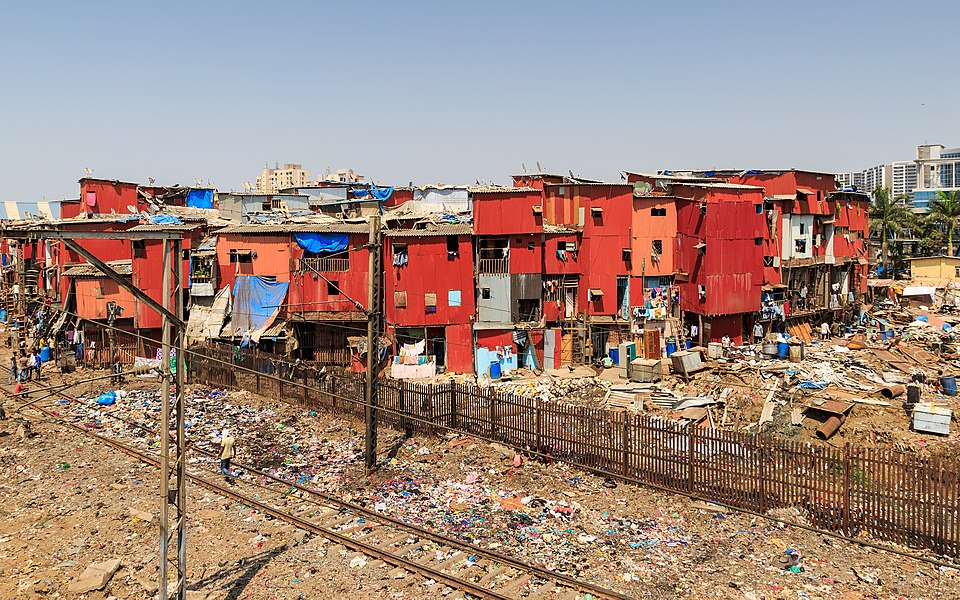
Urban slums are home to millions of people in cities like Mumbai and Nairobi, where residents endure extreme poverty, overcrowded housing, poor sanitation and limited access to basic services. These informal settlements are often overlooked in poverty reduction efforts, leaving slum dwellers without essential support. Despite being central to the urban landscape, slums face challenges such as inadequate health care, limited educational opportunities and heightened vulnerability to environmental risks like flooding and landslides due to climate instability.
The Hidden Struggles of Slum Dwellers
In Dharavi, Mumbai, one of the largest slums in the world, is marked by overcrowding, poor infrastructure and a lack of sanitation. Families live in cramped, poorly constructed homes with minimal access to clean water and essential services. With little access to quality health care or education, slum residents are caught in a cycle of poverty that is hard to break.
Kibera, another well-known slum in Nairobi, suffers from similar challenges. Despite being home to a large portion of the city’s population, these slums have inadequate access to safe water, sanitation and infrastructure and poor structural quality of housing. These communities are also disproportionately affected by climate instability.
Without adequate drainage systems, flooding and other climate-related disasters worsen their already precarious living conditions. Residents also face constant threats of forced evictions, often stemming from insecure land tenure and government urban development plans, with many fearing displacement despite living on the land for decades. This problem is rooted in unequal land ownership and political-economic factors that prevent low-income populations from accessing land and securing decent housing.
Successful Policies and Initiatives
Despite these challenges, several successful initiatives have improved living conditions in urban slums in India and Kenya, thereby addressing poverty.
In India, the Rajiv Awas Yojana (RAY) program seeks to improve slum conditions by promoting inclusive and equitable cities where every citizen has access to basic civic infrastructure, social amenities and decent shelter. This initiative is part of India’s broader goal of creating a “Slum-Free India.” Similarly, the Dharavi Redevelopment Project in Mumbai aims to redevelop the Dharavi Notified Area by appointing developers. The project uses land as a resource to rehabilitate slum dwellers and permits an incentive Floor Space Index through tenements sold on the open market.
In Kenya, the Kenya Slum Upgrading Program (KENSUP) focuses on improving living conditions in informal settlements. KENSUP focuses on constructing housing and infrastructure, managing the environment and solid waste and addressing health challenges. One key success is the Kibera Slum Upgrading Initiative, implemented in collaboration with U.N.-HABITAT. The initiative aims to improve infrastructure through targeted interventions.
Local organizations in Kenya, such as Shining Hope for Communities (SHOFCO), have also been instrumental in improving access to health care, education and women’s empowerment programs. They are demonstrating how grassroots initiatives can complement government efforts.
The Way Forward
For sustainable change, slum upgrading must be integrated into broader urban development plans. Governments need to implement policies that create economic opportunities, promote job growth and expand access to education for slum residents. Securing land tenure, investing in affordable housing and expanding public services such as health care and sanitation will provide a stronger foundation for residents to escape poverty.
Moreover, integrating slum improvement into urban planning requires addressing the socioeconomic needs of slum dwellers, including access to employment, education and basic services. It also requires tackling environmental challenges such as flooding and climate resilience. Governments should promote inclusivity by ensuring that slum residents have a voice in the planning process and that their specific needs are addressed.
Building stronger partnerships among local governments, international organizations and community groups can help advance this vision.
Conclusion
Urban slums are home to millions of people living in extreme poverty. However, with targeted initiatives and community-driven solutions, significant progress is possible. Successful programs in India and Kenya show that improving living conditions in slums is achievable.
By addressing both the physical and socioeconomic challenges of slums, stakeholders can begin to break the cycle of poverty in urban communities in India and Kenya and build more resilient and inclusive cities.
– Chris Tang
Chris is based in Beijing, China and focuses on Good News and Technology for The Borgen Project.
Photo: Wikimedia Commons
