• Link to X
  • Link to Facebook
  • Link to Instagram
  • Link to TikTok
  • Link to Youtube
  • About
    • About Us
      • President
      • Board of Directors
      • Board of Advisors
      • Financials
      • Our Methodology
      • Success Tracker
      • Contact
  • Act Now
    • 30 Ways to Help
      • Email Congress
      • Call Congress
      • Volunteer
      • Courses & Certificates
      • Be a Donor
    • Internships
      • In-Office Internships
      • Remote Internships
    • Legislation
      • Politics 101
  • The Blog
  • The Podcast
  • Magazine
  • Donate
  • Click to open the search input field Click to open the search input field Search
  • Menu Menu

Archive for category: Youth Unemployment

Global Poverty, Youth Unemployment

How Motorbikes Are Helping Fight Poverty in Kenya

fight Poverty in KenyaKenya is a nation of significant economic diversity, yet a large share of its population continues to live in poverty. More than 45% of Kenyans survive on $3 a day. According to the BBC, more than 26 million Kenyans were facing “extreme levels of hunger” in 2026. 

As a result, the U.N. World Food Program (WFP) states that 29% of children living in Kenya’s rural areas are stunted due to severe malnutrition. The country also faces a growing housing crisis, with an estimated 46,639 people in Kenya living without a stable shelter. However, a solution to Kenya’s poverty has emerged from an unlikely yet remarkable sector: the motor industry. 

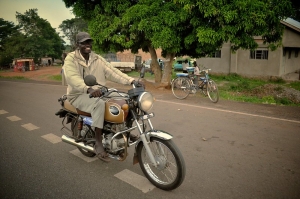
Motorbikes are helping to fight poverty in Kenya by creating new economic opportunities across the country. Data from World Population Review shows that Kenya has more than one million motorbikes, surpassing other major nations such as Canada, with around 736,200 and South Africa, with 346,600.

Alleviating Youth Unemployment

Motorbikes play a critical role in alleviating youth unemployment. Kenya’s overall unemployment rate stands at approximately 12.7%, with young people accounting for 67% of that figure. From the age of 15, many young Kenyans struggle to secure stable forms of employment. For many young people, motorbikes are more than just transport; they allow riders to work independently and set their own hours, offering greater economic autonomy.

On average, young motorbike operators can earn at least $8.87 per day, providing a vital livelihood and reducing reliance on scarce formal employment opportunities. 

Supporting Small Businesses

Motorbikes also play a crucial role in supporting small businesses struggling to compete with larger companies. In Kenya, more than 7.4 million Micro, Small and Medium Enterprises (MSMEs) operate, contributing to 40% of the country’s total GDP. Despite their importance, many of these businesses face significant challenges, including limited mobility and difficulty reaching customers. 

Motorbikes address these barriers by providing an affordable and reliable means of transport. Their efficiency has earned the trust of small business owners. Thus, by reducing logistical constraints, motorbikes enable local entrepreneurs to increase productivity and compete more effectively within Kenya’s growing economy. 

The Boda Girls Initiative

Motorbikes not only support individual livelihoods but also strengthen key public sectors. Within the humanitarian sector, the motorbike industry has created new opportunities to improve access to health care. In 2022, a group of women known as the Boda Girls emerged, using motorbikes to reach remote communities and support maternal care. Their work focuses on transporting expectant mothers to medical facilities for essential checkups and scans at no extra cost.

This intervention is particularly important given the scale of preventable infant deaths in Kenya. Poor living conditions and limited access to health care contribute to high child and maternal mortality rates. According to UNICEF, approximately 64,500 children in Kenya die each year before the age of 5 from preventable causes such as pneumonia and diarrhea.

In addition to providing medical support for pregnant mothers, protection for younger girls traveling to and from school is being strengthened through the use of boda boda motorbikes. Young girls often encounter predatory behavior and instances of assault during long journeys to school. The Boda Girls initiative addresses this problem by providing free transport for schoolgirls and ensuring a safe environment.

By supporting schoolgirls with safe transportation, the likelihood of them staying in education increases, improving their academic outcomes and long-term opportunities. This increased school attendance further equips girls with the skills and knowledge needed to improve their future earning potential, enabling them to break free from cycles of poverty.

Conclusion

The operation of these motorbikes in Kenya represents more than a simple means of transportation. They serve as a significant tool in the fight against poverty in Kenya, contributing both economically and socially to the communities they serve. By facilitating education, improving safety and supporting livelihoods, these motorbikes enhance individual potential and help reduce broader challenges associated with poverty.

– Sophia Lupo 

Sophia is based in London, UK and focuses on Good News and Technology for The Borgen Project.

Photo: Flickr

April 14, 2026
https://borgenproject.org/wp-content/uploads/borgen-project-logo.svg 0 0 Lynsey 2 https://borgenproject.org/wp-content/uploads/borgen-project-logo.svg Lynsey 22026-04-14 01:30:212026-04-13 06:55:33How Motorbikes Are Helping Fight Poverty in Kenya
Developing Countries, Development, Youth Unemployment

Solutions to Youth Unemployment in Greece

Youth Unemployment in GreeceEnsuring that the next generation can transition into the workforce is essential to a functioning society. Unfortunately, a troubling trend has emerged in some developed European countries, where young people are being left behind. This is especially evident in Greece.

The southern European nation has long faced this challenge amid a broader economic crisis. Although the government of Greece is considering measures to address youth unemployment, the country has already seen significant improvements in employment.

Youth Unemployment in Greece

“For over a decade, Greece has held one of the highest youth unemployment rates in the European Union.” In 2009, after nearly a decade of adopting the Euro as its national currency, Greece was hit hard by the global financial crisis. As a result, the government became unable to pay off its debts. 

That exacerbated long-running problems within the Greek economy and job market, leading to the highest rate of youth unemployment in Europe. Factors contributing to this high rate include a disconnect between the private sector’s actual needs and the education system. Greece produces a significant number of university graduates in the fields of humanities and social sciences, “while the market screams for specialized technical roles and digital expertise.” 

This imbalance in the labor market leaves highly educated young people without the technical expertise needed to meet the demands of the private sector. This leaves them overqualified for jobs in tourism and retail but underqualified for upper management positions. Limited vocational training can restrict young people’s access to sectors such as construction and engineering, while low levels of youth entrepreneurship contribute to fewer start-ups.

Regarding tourism, Greece is a popular vacation destination, with a large tourism industry that generates significant revenue. However, the tourism industry can be seen as a double-edged sword. Most work in tourism is seasonal, which presents a problem for long-term financial planning and career progression. 

Many young workers are caught in a cycle of short-term, six-month contracts. This limits their ability to plan for the future, including securing a mortgage or starting a family. Seasonal work also rarely provides the professional development needed to move into stable, high-paying corporate roles.

Improvements and Potential Solutions

As the problem has persisted, the Greek government and other parties have remained divided over the issue and have tried to implement policies to address the needs of Greece’s youth who have been left behind. Just this year, Greece introduced reforms to its tax code that lowered the overall tax rate by two percentage points. The reform also offers additional tax breaks to younger workers and families, with rates as low as 9% for families with three children and zero income tax for those with four or more children.

Reforms like this can provide some extra brevity for those looking to enter the job market, as well as making it more manageable for those who want to start a family in the future. Other taxes that are reduced include the property tax for villages with fewer than 1,500 residents and an overhaul of provisions for short-term renting. Another proposal, detailed by the European Student Think Tank, calls for “Setting up regional offices for counseling and networking, especially in rural regions with high youth unemployment, as part of an effort to enhance entrepreneurship skills, knowledge of the Greek market and social skills of youth.” 

From the proposals already passed, it is evident that there has been a substantial improvement in youth employment. According to Prime Minister Kyriakos Mitsotakis, “Greece used to be at the bottom in Europe in unemployment of young people with 39.5% in 2019, but that rate has dropped to 13%.” That is a substantial improvement, yet there is still much work left to be done.

Final Remarks

Recent reforms to the tax code, property laws and economic policies have greatly improved the prospects of young Greeks. They now have the opportunity to begin a new chapter in their lives as professionals, rather than remain stagnant in a tourist economy that kept them from advancing. 

– Alexander K. Petrov

Alexander is based in Boston, MA, USA and focuses on Business and Technology for The Borgen Project.

Photo: Flickr

April 9, 2026
https://borgenproject.org/wp-content/uploads/borgen-project-logo.svg 0 0 Lynsey 2 https://borgenproject.org/wp-content/uploads/borgen-project-logo.svg Lynsey 22026-04-09 07:30:482026-04-08 12:38:16Solutions to Youth Unemployment in Greece
Development, Global Poverty, Legislations and Policies, Nonprofit Organizations and NGOs, Youth Unemployment

Youth Development in Romania: Policies and Opportunities

Youth Development in RomaniaRomania’s young people face serious barriers in education and employment. Youth unemployment remains high compared to adult unemployment, and many young people do not complete secondary education. Since 2011, an estimated 450,000 children have dropped out of school before finishing middle school, and more than 15% of those ages 18 to 24 have not completed the eighth grade. These issues are more severe in rural areas and among ethnic minorities such as the Romani population.

Without adequate support, these trends can limit access to economic opportunities and civic engagement for young Romanians, slowing both personal development and the country’s long-term growth.

National Programs Supporting Youth

Romania is expanding national initiatives to support its young population. The National Youth Strategy (2024–2027) outlines goals to promote education, increase civic participation and reduce unemployment for people ages 15 to 35. This strategy helps guide policy, funding and program development across government agencies.

The Child Guarantee Action Plan seeks to ensure that all children, particularly those under 18, have access to quality education, health care and nutrition. The plan addresses poverty and social exclusion by focusing services on those most in need.

Programs such as School After School offer tutoring and extracurricular activities outside of regular hours to help students remain engaged and build skills in art, technology and sports. Together, these initiatives aim to strengthen youth development in Romania by expanding access to educational and personal development opportunities.

International Support and Partnerships

Romania’s youth development efforts are supported by international initiatives. The U.N. Youth Delegate Program provides young leaders opportunities to represent Romania in U.N. discussions, amplifying youth voices on human rights, peace and sustainable development.

The Youth2030 Strategy encourages countries to include young people in national development plans and promote access to education, health care, employment and civic participation.

The Global Initiative for Decent Jobs for Youth promotes gender-equal employment and works with governments and the private sector to align training programs with labor market needs. These partnerships support Romania’s efforts to expand quality education and job opportunities for young people, particularly in underserved communities.

Proposed Solutions for the Future

To further advance youth development, Romania can expand training programs that teach communication, digital literacy and professional skills, helping young people become more competitive in the job market.

Improving access to quality education and employment opportunities in rural areas would help ensure that more young people benefit from national growth. Strengthening mentorship programs, community initiatives and career guidance services may help reduce school dropout rates and better prepare youth for civic and economic participation.

Prioritizing these approaches could contribute to a more inclusive and resilient workforce while addressing economic and social disparities.

Looking Ahead

Youth development in Romania remains both a social and economic priority. National strategies, community programs and international partnerships work together to address unemployment, reduce early school dropouts and increase youth participation. Continued investment in education, job skills and civic engagement can support long-term stability and inclusive growth. Strengthening youth development efforts may help Romania build a more stable and adaptable society prepared for future challenges.

– Anaisha Kundu

Anaisha is based in Skillman, New Jersey, USA and focuses on Politics for The Borgen Project.

Photo: Flickr

March 7, 2026
https://borgenproject.org/wp-content/uploads/borgen-project-logo.svg 0 0 Precious Sheidu https://borgenproject.org/wp-content/uploads/borgen-project-logo.svg Precious Sheidu2026-03-07 01:30:142026-03-06 04:08:55Youth Development in Romania: Policies and Opportunities
Global Poverty, Youth Empowerment, Youth Unemployment

How Young Africa Is Bridging the Youth Skills Gap in Mozambique

Youth Skills Gap in MozambiqueSub-Saharan Africa has one of the fastest-growing populations in the world, underscoring the need to create jobs for young people entering the workforce. In Mozambique, 60% of the population is under 25, with many facing unemployment or working in low-paying informal sectors that keep them in poverty. Supporting younger generations in rapidly growing regions is essential to ensuring long-term economic stability and sustainable development.

Due to low wages, more than 70% of employed youth in Mozambique live in poverty. While 23% of youth are unemployed, many working youth still struggle to make ends meet. Young people face a complex landscape, navigating the disconnect between access to education and actual employability. This disparity between education systems and labor market needs creates a persistent youth skills gap in Mozambique, limiting economic mobility.

The Gap Between Education and Employment

Afrobarometer research finds that educational gains in Africa have not translated into enough jobs for young people. Surveyed youth identified inadequate training and lack of work experience as key barriers and many reported a mismatch between the skills they learned and those employers demand. This consistent pattern leaves educated youth, especially those aged 18–25, struggling to find meaningful employment.

Programs like Young Africa’s aim to address this gap by connecting education and vocational training directly with long-term job opportunities, helping youth break cycles of poverty.

Young Africa’s Sustainable Youth Empowerment Program

Young Africa is a youth empowerment franchise that has operated for more than 25 years, providing vocational training, entrepreneurship, financial literacy and life skills to disadvantaged youth across Africa. It created the Sustainable Youth Empowerment (SYE) program to support youth in northern Mozambique, a region affected by prolonged conflict, climate shocks and economic instability. Energy access is extremely limited in rural northern Mozambique, where 95% of the population lacks electricity.

Launched in March 2024, the program aims to equip 140 young people with green skills to become certified solar technicians by February 2026. It addresses unemployment and the youth skills gap in Mozambique while expanding access to reliable, climate-resilient energy in underserved communities. The SYE program continues to support students after graduation by connecting them with local employers, increasing their chances of full-time employment and bridging the gap between education and quality jobs.

Young Africa Mozambique’s program also provides 20 start-up kits to promising graduates, enabling them to develop solar projects in their communities with guidance from industry mentors. Young Africa Mozambique provides hands-on training through mobile units, offering flexible modules that allow students to balance training with other commitments. By bringing vocational education directly to rural communities, the program expands access for disadvantaged youth.

Building a Greener Future Through Youth Leadership

Young Africa Mozambique is fostering youth-led renewable energy growth while raising community awareness. Mobile training units host events to educate the public on the benefits of solar energy and address misconceptions about cost and accessibility. Students also demonstrate how solar products can improve daily life and reduce energy costs, distributing educational materials to local communities.

Raising community awareness about the benefits of solar energy is critical to building a green economy. With community support and interest, several trained solar technicians are now entering an in-demand industry. Young Africa Mozambique’s initiatives have already reached nearly 1,500 community members.

With 124 rural youth already graduated from SYE and 14 start-up kits distributed, the initiative is creating real opportunities to lift young people out of poverty. Students gain skills to install affordable, reliable and climate-resilient energy systems, improving the quality of life in their communities. By linking vocational training to tangible outcomes, Young Africa Mozambique is helping close the youth skills gap in Mozambique, empowering young people and strengthening both them and their communities.

– Hope Jowharian

Hope is based in Paris, France and focuses on Business and New Markets for The Borgen Project.

Photo: Flickr

March 7, 2026
https://borgenproject.org/wp-content/uploads/borgen-project-logo.svg 0 0 Lynsey 2 https://borgenproject.org/wp-content/uploads/borgen-project-logo.svg Lynsey 22026-03-07 01:30:052026-03-06 03:58:32How Young Africa Is Bridging the Youth Skills Gap in Mozambique
Global Poverty, Youth Empowerment, Youth Unemployment

The Power of Youth in Nepal: 3 Organizations Fighting Poverty

Youth in NepalIn Nepal, young people are stepping forward to fight poverty in ways that fundamentally reshape communities. Youth unemployment in Nepal  has hovered around 20% since 2022. While the country’s leaders continuously promise to tackle it, opportunities for young people remain scarce. Faced with this reality, the youth in Nepal are no longer waiting for government action and instead are building their own solutions.

Here are three youth organizations demonstrating how youth-led initiatives in Nepal can break poverty cycles and drive lasting change.

YUWA

YUWA, meaning “youth” in Nepali, is a nonprofit organization run by young people aged 16-29. The organization is rewriting poverty alleviation in Nepal by tackling what many nonprofit organizations overlook: young people’s agency, rights and civic power. Founded in 2009, the organization aims to amplify youth participation through empowerment and advocacy.

By increasing civic voice, enhancing leadership skills and shaping policy environments, YUWA seeks to alter the underlying systems that sustain multidimensional poverty. Active citizenship is one of YUWA’s core focuses. The organization believes that if young people are empowered to become more aware of the country’s issues, they are more likely to become active citizens who can influence their communities and thus the country as a whole.

YUWA runs various initiatives such as Prarambha and Pahichan. Prarambha is a two-day workshop targeted toward urban youths aged 18-27. Through activities, discussions and games, this young cohort forms plans and initiates local-level interventions within Kathmandu valley based on need, time and budget. Similarly, Pahichan is a three-day workshop targeted at semi-rural youths to learn necessary soft skills and foster innovative ideas to address social issues based on the region’s needs.

The Pahichan initiative was implemented in three provinces and six cities and reached 126 youths. By combining rights-education, leadership capacity and participatory advocacy, YUWA helps tackle the social and informational deficits contributing to poverty. In doing so, it empowers young people to act as change agents in their own lives and communities.

Hami Nepal

A central actor in the recent protests in Nepal, Hami Nepal is an organization founded in 2015 and registered in 2020. Its main objective is to connect donors with recipients, ensuring that all donations received directly benefit efforts to improve community living conditions. In crises, it provides direct relief: distributing food, winter clothing and medical assistance, helping vulnerable households meet basic needs so that, when hit by shocks, families do not have to choose between hunger, health or education.

This stabilization is key in preventing long-term poverty. Alongside aid delivery, Hami Nepal’s participation in youth mobilization and protest for accountability addresses systemic poverty: poor governance and lack of accountability have allowed inequalities to persist. By pushing for transparent governance, Hami Nepal seeks to change the structural causes of poverty.

In 2023, a magnitude 5.7 earthquake hit Jajarkot District, Karnali Province. In a 127-day project to provide relief to those affected by the earthquake, Hami Nepal helped more than 13,000 families. The organization set up nearly 100 community tents to offer temporary housing and a further 50 tents within schools to ensure a safe learning environment for students and teachers. Additional medical equipment was delivered to Nalgad Primary Hospital and more than 500 jackets were distributed across various schools in affected areas.

Hami Nepal addresses immediate issues but also seeks to implement sustainable long-term solutions. Through proactive engagement, youth advocacy and collaboration, the organization stands alongside communities, fostering resilience and guiding positive change in Nepal.

Yuwalaya

Yuwalaya is an organization that has built a platform for youths, adolescents and child club graduates. It bridges organizations working on children’s and youth rights, providing a safe space to collaborate with young people and help them attain the best opportunities in health and education.

One of Yuwalaya’s current initiatives is Creating Safe Space for Children (CSSC). This project seeks to strengthen school child protection systems to ensure that learning environments are safer and free from violence. It also equips teachers and local government actors with safeguarding and school safety plan development knowledge and tools.

Raising awareness among teachers and family members on issues such as early marriage, bullying and harassment can increase the likelihood of children staying in school. It can also reduce the risk of violence and early pregnancy, which in turn helps prevent the worsening of poverty cycles. So far, this three-year-long project has collaborated with 24 schools.

The formation of Shadow Governments in Karnali and Sudurpaschim Provinces was an additional initiative that allowed young people to engage with policymakers and influence local governance. The organization played a pivotal role in developing and submitting Nepal’s first-ever Youth-Led Universal Periodic Review (UPR) report to the United Nations. This effort ensured that the voices of young people and children are heard in shaping an equal future for all.

Through its initiatives, Yuwalaya tackles poverty by equipping young people to lead change, champion their rights and build pathways toward sustainable development.

Final Remarks

From offering training that builds employable skills to championing policy changes that amplify young voices, Nepal is witnessing youth-led poverty alleviation through nonprofit organizations. Their work demonstrates that investing in tools to help young people succeed improves their futures and uplifts entire communities.

– Elysha Din

Elysha is based in Guildford, Surrey, UK and focuses on Good News and Politics for The Borgen Project.

Photo: Flickr

October 8, 2025
https://borgenproject.org/wp-content/uploads/borgen-project-logo.svg 0 0 Lynsey 2 https://borgenproject.org/wp-content/uploads/borgen-project-logo.svg Lynsey 22025-10-08 01:30:542025-10-07 23:44:40The Power of Youth in Nepal: 3 Organizations Fighting Poverty
Employment, Global Poverty, Youth Unemployment

The Bold Plan To End Youth Unemployment in Eswatini

Youth Unemployment in EswatiniYouth unemployment in Eswatini is a chronic problem. A staggering 58.2% of young people in Eswatini remain unemployed, one of the worst rates in the world. Furthermore, the World Bank estimates that 25,000 young people enter the labor market each year, with only 1,000 jobs created annually. Young people in Eswatini make up 30% of the population and account for 48.4% of the labor force, a strikingly high share that underscores growing concerns about youth unemployment.

This crisis stems largely from Eswatini’s skills gap, one of the world’s widest. Consequently, young people’s skills due to training or education are far below what employers require. In 2017, Eswatini ranked 136/139 in the International Labor Organization Skills Mismatch Index. Furthermore, more than 50% of Eswatini’s workforce holds jobs in the informal sector, leaving many young people without wage protections.

High youth unemployment can fuel poverty and inequality, with 53% of the population already living below the poverty line. Furthermore, as young people are discouraged by repeated failures in the job market, many may leave the labor market altogether. This lost potential threatens to hold back progress and risks entrenching young people in cycles of dependency and social instability.

The Eswatini Youth Employment Opportunities Project

Recognizing the severe economic and social risks posed by youth unemployment, the World Bank has stepped in with a bold response. It launched the Eswatini Youth Employment Opportunities Project to help the country harness the full potential of its young population. The first component of the World Bank’s project aims to expand income-earning opportunities for young people.

The scheme will specifically target 30,000 young people, at least 50% female and provide targeted support in the agricultural sector, aiming to promote self-employment opportunities. Given the size of Eswatini’s farming population, this can revolutionize the farm job market and lower youth unemployment in Eswatini.

Smarter Youth Welfare Spending

The project’s second component shifts the focus from skills and income generation to ensuring that support reaches the most vulnerable youth. Indeed, this will involve the development of a digital Eswatini Social Registry to provide relevant data that will allow the Eswatini government to target welfare resources more effectively.

This part of the plan is essentially an effort to ensure that the Eswatini government’s welfare spending on young people is used as efficiently as possible. If this program can ensure that the resources of Eswatini’s government are being spent efficiently, it could unlock millions of dollars that can be spent on the welfare of Eswatini’s youth.

Final Remarks

The Eswatini Youth Employment Opportunities Project represents more than an economic program; it signals a potential turning point for the nation’s future. The plan effectively combines direct income-generating initiatives with more efficient social protection systems. In doing so, it aims to address the immediate need for jobs and the structural barriers that keep young people from accessing the labor market.

– Adam Walsh

Adam is based in Burnley, Lancashire, UK and focuses on Good News and Politics for The Borgen Project.

Photo: Wikimedia Commons

August 12, 2025
https://borgenproject.org/wp-content/uploads/borgen-project-logo.svg 0 0 Lynsey 2 https://borgenproject.org/wp-content/uploads/borgen-project-logo.svg Lynsey 22025-08-12 03:00:012025-08-11 11:05:22The Bold Plan To End Youth Unemployment in Eswatini
Gender Equality, Global Poverty, Youth Unemployment

PDF-Africa Addresses Gender Inequality and Youth Unemployment

PDF-AfricaAccording to the United Nations’ (U.N.) latest global gender gap index, Nigeria ranks 130 out of 162 countries in the gender inequality index. Many women, particularly those in rural areas, are being denied access to education and employment, unlike their male counterparts. Additionally, youth unemployment remains high in Nigeria, with more than 50% of young people either unemployed or underemployed, contributing significantly to poverty. Furthermore, PWDs face systemic barriers to education, employment and health care, further deepening impoverishment across communities.

Preston Development Foundation

Preston Development Foundation (PDF-Africa) is a nonprofit organization committed to improving the lives and well-being of individuals, especially women, young adults and PWDs, through sustainable and strategic initiatives. With a mission rooted in sustainable and impactful societal change, the organization focuses on four strategic pillars: Education, Health, Gender Equality and Financial Inclusion. These issues require a multi-faceted strategic methodology. Thus, PDF-Africa adopts a holistic, community-centered approach to tackling challenges in education, health, gender equality and financial inclusion. Its methodology is anchored in collaboration, sustainability and empowerment, focusing on community-driven solutions that encourage individuals and stakeholders to take an active role in community development.

The significance of PDF-Africa works lies in the widespread impact of these changes. Limited access to education, inadequate health, gender discrimination and financial exclusion continue to hinder the progress of vulnerable groups across Nigeria and Africa as a whole. By developing tailored interventions in these areas, PDF-Africa seeks to bridge these gaps, create equitable opportunities and improve overall quality of life. Through a holistic approach, the organization empowers individuals through capacity building and skill acquisition. PDF-Africa aims to help them break free from cycles of poverty and marginalization, fostering long-term development and resilience.

A Combination of Approaches

PDF-Africa implements targeted programs such as training, health education programs and digital literacy programs to address gaps and increase employment opportunities and career choice pathways for adolescents. In addition, the organization conducts public awareness campaigns and outreaches to raise awareness and increase knowledge gain, ensuring that individuals and the community are well-informed to act and make informed decisions.

By utilizing a combination of approaches, PDF-Africa not only addresses the issues in society but also empowers individuals and communities to thrive, act and make informed decisions for themselves. This approach enables PDF-Africa to drive sustainable change within the communities it serves.

Improving Lives

Through targeted interventions in health, education and empowerment, PDF-Africa has made significant strides in improving the lives and well-being of women. These initiatives include enhancing functional literacy, providing young adolescent girls with menstrual hygiene products and awareness and offering training to boost digital literacy in today’s evolving world. As a result, PDF-Africa is expanding opportunities and increasing employability rates among its beneficiaries.

In recent years, PDF-Africa has made strides in expanding access to STEM education for women and girls of color. It has reached more than 180 participants through initiatives like the Yan Matan Arewa Hackathon Initiative and Search Engine Training. Through partnerships with individuals, public schools and tech companies, PDF-Africa has provided participants with resources, materials, computers and financial support to enhance their learning experience and open pathways in STEM fields.

Additionally, PDF-Africa has made a significant impact on the lives and health of girls and women in vulnerable communities within the Federal Capital Territory (FCT). Between 2018 and 2024, PDF-Africa reached more than 4,000 young women and girls across 10 secondary schools and Internally Displaced Persons (IDP) camps in Abuja, providing essential support and resources. In 2023, the nonprofit organization extended its efforts beyond distributing menstrual hygiene products to include educational campaigns in schools lacking menstrual health knowledge.

Conclusion

PDF-Africa’s comprehensive, community-centered approach is making strides in reducing gender inequality, improving youth employment prospects and fostering inclusion for marginalized groups in Nigeria. Through targeted interventions in education, health, gender equality and financial inclusion, PDF-Africa empowers individuals and communities to break cycles of poverty and marginalization. By equipping women, young adults and PWDs with the skills and resources they need to thrive, the initiative is not only enhancing lives but also driving long-term, sustainable development across Nigeria.

– Staff Reports
Photo: Flickr

November 5, 2024
https://borgenproject.org/wp-content/uploads/borgen-project-logo.svg 0 0 Lynsey 2 https://borgenproject.org/wp-content/uploads/borgen-project-logo.svg Lynsey 22024-11-05 07:30:212024-11-05 00:42:13PDF-Africa Addresses Gender Inequality and Youth Unemployment
COVID-19, Global Poverty, Youth Unemployment

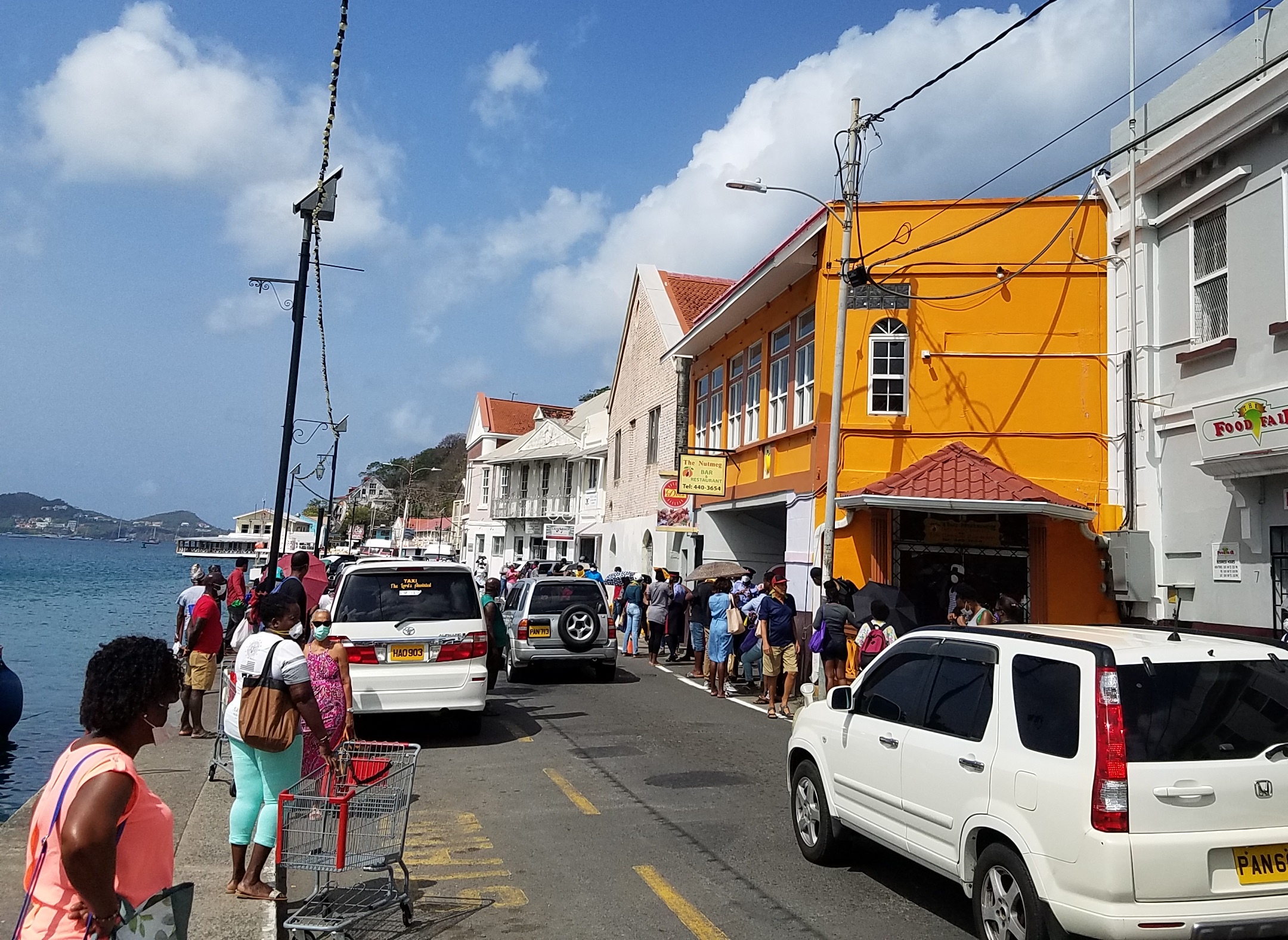
The Impact of COVID-19 on Youth Poverty in Grenada

Youth Poverty in GrenadaGrenada, an island nation in the Eastern Caribbean, consists of one large island and several smaller ones. Despite its vibrant tropical setting, poverty is a significant issue. Grenada has the highest poverty rate among Eastern Caribbean countries, with youth being the most affected. Half of all children aged 0-17 live in poverty, a rate much higher than the 30% of adults aged 18 and older who face similar conditions. Many youth struggle with unemployment, lack of education and food insecurity, leading them to a state of poverty. However, the United States Agency for International Development (USAID) is working with the Grenada government to diminish youth poverty.

Youth Unemployment

COVID-19 had a devastating impact on Grenadian society. The pandemic led to nearly half of the population becoming unemployed and pushed the extreme poverty rate from 2.4% to 18.4%. The country’s gross domestic product (GDP) also declined due to a drop in tourism. Youth, who comprise about 22% of Grenada’s population, were hit particularly hard. Even before the pandemic, around 26% of young people were unemployed. As of June 2023, more than 36% of Grenada’s youth were unemployed, a situation heavily influenced by the pandemic. With the rise of unemployment, more youth are succumbing to poverty.

Food Insecurity

COVID-19 also led to significant food insecurity in Grenada, with food prices soaring and nearly 40% of the population reducing their food intake. The pandemic further weakened the country’s agricultural economy, struggling to recover from abnormal weather patterns and two hurricanes in 2018. The combined impact of COVID-19 and the 2018 weather events has exacerbated food insecurity among Grenada’s youth, driving many into extreme poverty.

Solutions

Despite the extreme poverty faced by Grenada’s youth, assistance is being provided. In March 2023, USAID funded three new programs to support the country’s young people. The first program, Youth Resilience, Inclusion and Empowerment (Y-RIE), focuses on strengthening government-provided social services and enhancing educational opportunities in schools and the workforce.

The second program, Strengthening Evidence-Based Decision Making for Citizen Security 2.0 (CariSECURE 2.0), will provide resources and technical assistance to build the capacity of youth-serving institutions to collect and analyze data to support youth crime prevention and response. Lastly, the third program, Opportunities to Advance and Support Youth for Success (OASYS) will focus on increasing the diversion of youth away from custodial sentences.

The organization also signed a $30 million Development Policy Credit (DPC) to support Grenada’s economic recovery and enhance its resilience to adverse climatic conditions after the COVID-19 crisis. USAID is working to create a better life and future for the youth of Grenada.

Final Note

COVID-19 increased Grenada’s youth unemployment, food insecurity and poverty rates. However, USAID has implemented three programs to curb the situation and help the country rebuild its economy. With sustained effort, these initiatives could significantly improve the lives of Grenada’s youth and contribute to long-term economic recovery.

– Ellie Buss

Ellie is based in Vancouver, WA, USA and focuses on Good News and Global Health for The Borgen Project.

Photo: Wikimedia Commons

August 24, 2024
https://borgenproject.org/wp-content/uploads/borgen-project-logo.svg 0 0 Lynsey 2 https://borgenproject.org/wp-content/uploads/borgen-project-logo.svg Lynsey 22024-08-24 07:30:472024-08-23 06:20:09The Impact of COVID-19 on Youth Poverty in Grenada
Education, Global Poverty, Nonprofit Organizations and NGOs, Youth Unemployment

Enhancing Youth Employment in Botswana

Youth Employment in BotswanaOver the last decade, Botswana has seen modest economic growth. From 2003 to 2010, the poverty rate dropped from 17.7% to 15.4%. However, compared to nations with similar population densities, Botswana’s poverty rate remains notably high. The 2015 drought exacerbated poverty management challenges, especially affecting vulnerable populations. Rural areas, in particular, struggled due to limited employment opportunities and the drought’s impact, pushing more citizens below the poverty line.

Employment Challenges in Rural Villages

In Botswana’s rural villages, employment options are limited, particularly due to scarce internet access. Most jobs are in farming and agriculture. In smaller villages, limited educational resources often result in low literacy levels, which poses another significant barrier to securing employment.

Botswana Social Protection Program

High poverty rates in rural areas significantly impact Botswana’s overall poverty level. From 2010 to 2016, Botswana saw a significant decrease in the percentage of children under 18 experiencing poverty-related conditions, reduced from 63% to 49%. The decline reflects improvements in nutrition, housing, access to clean water and education. Children in rural areas, however, remain highly vulnerable to poverty. Botswana stands out in Africa for prioritizing public spending on education, notably through the National Development Plan 11. This plan focuses on enhancing social protection for children and raising awareness about the importance of adequate housing to prevent destitution and improve living conditions.

In Botswana, educational disparities become more pronounced as children age, with fewer progressing to secondary education. This limited educational attainment restricts youth employment in Botswana, confining many to low-wage labor jobs. Specifically, those who do not complete the Junior Certificate Examinations find little support in transitioning to the workforce, contributing to high unemployment rates among the youth.

Government Initiatives in Botswana

In 2023, Botswana’s unemployment rate reached approximately 26%, with youth unemployment also on the rise. President Mokgweetsi Masisi, in his second term, is actively targeting this issue by engaging with the country’s youth. The government has rolled out several initiatives, including the Chema-Chema Fund, aimed at supporting both existing and aspiring entrepreneurs. This fund is designed to foster financial inclusion and boost employment by providing necessary resources to young business owners and entrepreneurs.

Youth Development Fund

Like the Chema-Chema Fund, Botswana’s Youth Development Fund (YDF) is another socioeconomic initiative designed to boost startups and expand businesses. Launched in 2010, the YDF encourages young people to contribute actively to the economy. Its primary goal is to foster active involvement and representation of youth in Botswana’s socioeconomic progress, aiming specifically to create sustainable employment opportunities for them.

Supporting Youth through NGOs

The Jacobs Foundation, operating in Botswana, actively engages the youth through its Youth Impact outreach group, which is based in Gaborone. This initiative, led by young people, focuses on enhancing health and education programs for their peers. So far, it has supported more than 100,000 individuals. A notable program, Zones, involves 90-minute classes conducted in government schools aimed at promoting health awareness among children and young adults. These classes have significantly improved knowledge about HIV and reduced risk-related behavior by 50%.

Potential and Youth Employment in Botswana

According to the World Bank’s Human Capital Index, a child born in Botswana today will be 41% as productive when they grow up, if they can enjoy a complete education and proper health. Botswana’s efforts to reduce poverty and unemployment continue to focus on enhancing opportunities for its youth and addressing ongoing challenges in rural areas. Government programs like the Chema-Chema Fund and the Youth Development Fund aim to foster entrepreneurship and create sustainable jobs. Additionally, NGO initiatives aimed at improving health and education among young people could play a crucial role. Continued commitment to these ongoing strategies could be essential for achieving long-term economic growth and social development in Botswana.

– Brogan Dickson

Brogan is based in Edinburgh, Scotland and focuses on Good News and Global Health for The Borgen Project.

Photo: Flickr

July 4, 2024
https://borgenproject.org/wp-content/uploads/borgen-project-logo.svg 0 0 Precious Sheidu https://borgenproject.org/wp-content/uploads/borgen-project-logo.svg Precious Sheidu2024-07-04 07:30:122024-07-03 06:07:19Enhancing Youth Employment in Botswana
Education, Global Poverty, Youth Unemployment

How Edtech Inspires Development in Kenya’s School Systems

EdtechEducational technology (EdTech) is revolutionizing learning in Kenya, intertwining traditional educational methods with advanced technological tools to enhance classroom experiences. As Kenya navigates through its educational reforms, the integration of EdTech has become a pivotal element in modernizing its educational framework. With a significant focus on foundational literacy and numeracy, these ongoing efforts aim to improve access, alongside ensuring quality and inclusivity in education across the nation.

Role of Edtech in Kenya’s Educational Reforms

Educators in developed and developing countries around the world use Edtech in their educational systems. Kenya’s educational system has experienced a variety of formats of school structures and organizations. Kenya’s recent transition to a competency-based curriculum has revealed improvements in its structure due to the aid of EdTech. Edtech Hub works closely with the Kenya Institute of Curriculum Development (KICD) to inspire and support the growth of education in Kenya. 

Broadening Access Through Innovative Solutions

Edtech provides solutions and programs that increase access to digital devices and internet connectivity. The Kenyan government’s Digital Literacy Programme (DLP) aims to give public school students access to digital technology. This program is a fundamental part of facilitating the development of online learning and how much this bridges the divide between access and knowledge of information for students and teachers. Furthermore, many school districts in Kenya are underway to develop all-day internet access and sturdy electricity. The BRCK Education Kio Kit is a portable digital classroom that comes in a box, containing tablets, a Wi-Fi router and a solar charger, specifically designed for schools lacking reliable electricity or internet access. This innovative kit provides Wi-Fi routers and specially designed batteries to students across Kenya, giving them an equal opportunity to further their education despite the challenging weather and infrastructure conditions of rural Africa.

Enhancing Personalization Through AI

Eneza Education, a part of Edtech, utilizes AI technology to open new avenues of learning for individuals. Eneza Education is currently used in Kenya and provides a bite-sized curriculum to learners from 10 to 18, in Math, Science, English, Social Studies and other national curriculum topics.

AI in educational programs is used as a positive force through Eneza Education, as it allows for the personalization of learning experiences in a way that provides students with various needs and learning styles. Through adaptive learning algorithms, AI can analyze students’ strengths, weaknesses and learning styles to tailor educational content and pacing accordingly. This method of individualized learning in the classroom enables students to grow and learn at their speed, while also enhancing their understanding of the topics the teacher provides. These various AI platforms inspire development in Kenya’s school systems by improving learning and comprehension of topics while allowing students in Kenya to receive feedback on their learning within minutes.

Improving Quality and Collaboration

The quality of tablets and programs installed within digital learning devices has increased in Kenya due to the collaboration with Edtech devices. Edtech tools support inclusive education, including applications such as text-to-speech and screen readers for children, including youth with disabilities. Furthermore, EdTech inspires development in Kenya’s school systems by encompassing a variety of languages, enhancing student learning and accommodating Kenya’s linguistic diversity. Inclusive platforms such as Google Classroom and Microsoft Teams aid in collaboration processes among students and teachers. Microsoft Teams will continue to expand its work to bring last-mile wireless internet access to 20 million people in Kenya and 50 million people across East Africa by the end of 2025.  

The Impact of Edtech on Kenya’s Education

Edtech is inspiring development in Kenya’s school systems by enhancing access, personalization, and quality of learning in the classroom. With the aid of various EdTech programs, students gain greater access to technology and respective educational experiences. Additionally, the use of inclusive digital tools and collaborative platforms such as Google Classroom and Microsoft Teams enriches the learning environment, accommodating diverse needs and fostering teamwork. As Kenya continues to integrate Edtech into its educational system, it is poised to potentially secure a brighter, more equitable future for its students.

– Sophia Mokotoff

Sophia is based in Evanston, IL, USA and focuses on Technology and Solutions for The Borgen Project.

Photo: Flickr

July 3, 2024
https://borgenproject.org/wp-content/uploads/borgen-project-logo.svg 0 0 Precious Sheidu https://borgenproject.org/wp-content/uploads/borgen-project-logo.svg Precious Sheidu2024-07-03 07:30:502024-07-02 05:11:22How Edtech Inspires Development in Kenya’s School Systems
Page 1 of 212

Get Smarter

  • Global Poverty 101
  • Global Poverty… The Good News
  • Global Poverty & U.S. Jobs
  • Global Poverty and National Security
  • Innovative Solutions to Poverty
  • Global Poverty & Aid FAQ’s
Search Search

Take Action

  • Call Congress
  • Email Congress
  • Donate
  • 30 Ways to Help
  • Volunteer Ops
  • Internships
  • Courses & Certificates
  • The Podcast
Borgen Project

“The Borgen Project is an incredible nonprofit organization that is addressing poverty and hunger and working towards ending them.”

-The Huffington Post

Inside The Borgen Project

  • Contact
  • About
  • Financials
  • President
  • Board of Directors
  • Board of Advisors

International Links

  • UK Email Parliament
  • UK Donate
  • Canada Email Parliament

Get Smarter

  • Global Poverty 101
  • Global Poverty… The Good News
  • Global Poverty & U.S. Jobs
  • Global Poverty and National Security
  • Innovative Solutions to Poverty
  • Global Poverty & Aid FAQ’s

Ways to Help

  • Call Congress
  • Email Congress
  • Donate
  • 30 Ways to Help
  • Volunteer Ops
  • Internships
  • Courses & Certificates
  • The Podcast
Scroll to top Scroll to top Scroll to top