Poverty and Healthcare in Kenya
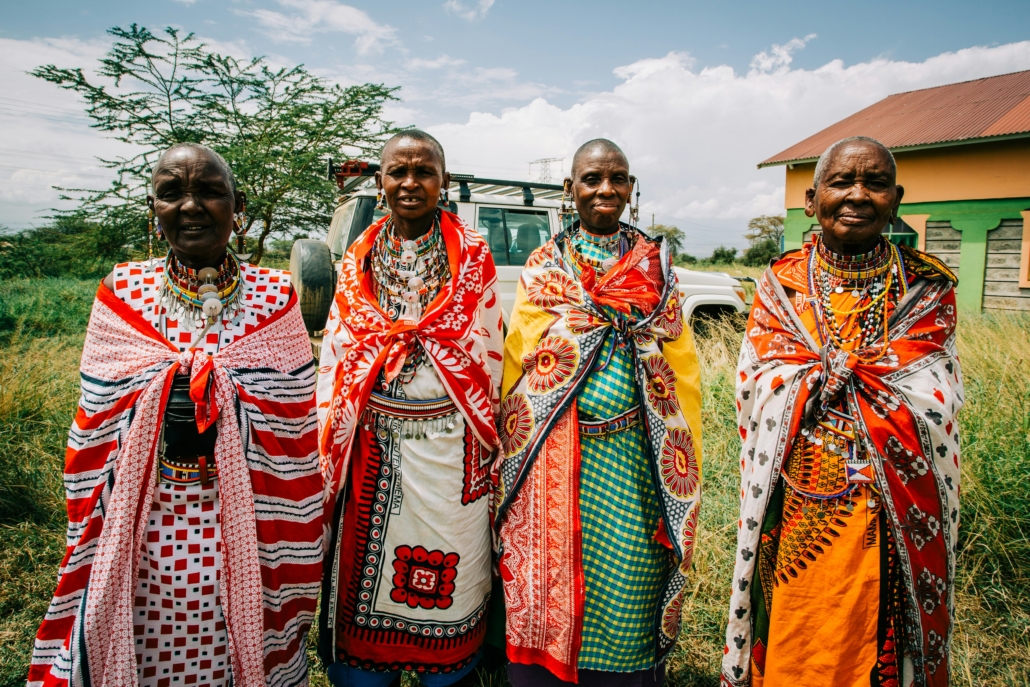 There are many health factors that contribute to the approximately 3.6 million orphaned children in Kenya: sickness, malnutrition, healthcare access and gender disparities. Poverty is woven through each of these areas that has significant effects on women and orphan children that reside in Kenya, leaving many vulnerable to developing health risk behaviors. The lack of accessible healthcare is clear in Kenya with the prevalence of diseases and many barriers that women and children face in order to be able to receive care. This has now also become a socioeconomic issue as the healthcare system shows extreme disparities within the major communities of Kenya.
Navigating HIV/AIDS in Poverty
HIV/AIDS affects 1.4 million people in Kenya, and 32% of orphanhood stems from HIV/AIDS. This happens due to how widespread HIV is within families, and how it will directly affect the families labor force and overall income. HIV also plays a major role in the health of parents in the family, causing deaths of either one or both parents, leaving more children orphaned. Poverty directly impacts access to antiviral drugs (ARVs) as
the citizens of Kenya rely heavily on donors. In January 2025, the U.S. shut down its USAID, reducing its programs to Kenya from 149 to 30. This massive exit from humanitarian aid has caused many healthcare workers to experience lay offs and forced healthcare facilities to close.
Vitamin Deficiencies in Pregnant Women
In Kenya, many pregnant women have vitamin deficiencies which are due to the limited amounts of nutritional products for maternal health along with overall nutritious foods required during pregnancy. In Kenya, 26% of pregnant women suffer from iron deficiency, creating an anemia rate of 42.6%. Kenya as a whole is facing a drought which is not only affecting their resources, but also the ability for families to have stability which leads to a lot of children in orphanages. Many of the orphans in Kenya have living relatives but widespread poverty leaves them without substantial resources, leading to children being placed in orphanages with the idea that they will live a better life.
Gender Disparities
Only 6% of women have titles to land in Kenya. Although it is a legal right for them to own property, societal norms of discrimination against women have long been the driving factor of them being unable to obtain and keep property. Kenyan women are at risk of being victims of land grabbing, usually in the way of their husbands running them off or abusing them causing them to have to flee. These women are put in vulnerable situations, feeling forced to abandon their children to orphanages, and pushes women to make less than ideal choices, such as prostitution. This can lead to a higher mortality rate, and ultimately leaves many children orphaned.
Available Resources
To help combat these issues, many organizations and campaigns, such as Stand for Her Land and Kenyan Peasants League have started garnering support and finding these depleted resources to help the community. Stand for Her Land has worked on advocacy for women of lesser status and income to exercise their rights on gaining legal access to land. Along with this, the Kenyan Peasants League gathers community-based funding to purchase land for women who had their lands usurped during major land-grabbing times.
Policy Action
The government has now also taken a stronger stance on these issues, one main way being by creating the National Care Reform Strategy for Children in Kenya. This specific act focuses a lot on family based care in society and ensuring that they are provided with the resources to continue in society. However, to break this cycle of poverty as a whole, national and international organizations need to prioritize things such as accessibility to healthcare, enforcing a woman’s right to own land, and overall strengthening child-welfare programs. Changes like these can likely help the livelihoods of not only the children in Kenya, but also the community that exists around them.
Conclusion
In summary, poverty in Kenya has shown to have lasting effects that have caused severe damage to especially the orphaned children of the country. Studies show that there will be long term effects on their overall developmental issues that will likely follow them into their adulthood. In order to properly address these matters, more accessible resources need to be implemented.
– Mansi Sampda, Jessica Norman, Melissa Kronblat and Kalea Mailangi
Mansi, Jessica, Melissa and Kalea are based in Bothell, WA, USA and focus on Global Health for The Borgen Project.
Photo: Unsplash
