Faith-Based NGOs Reducing Poverty in Venezuela and Beyond
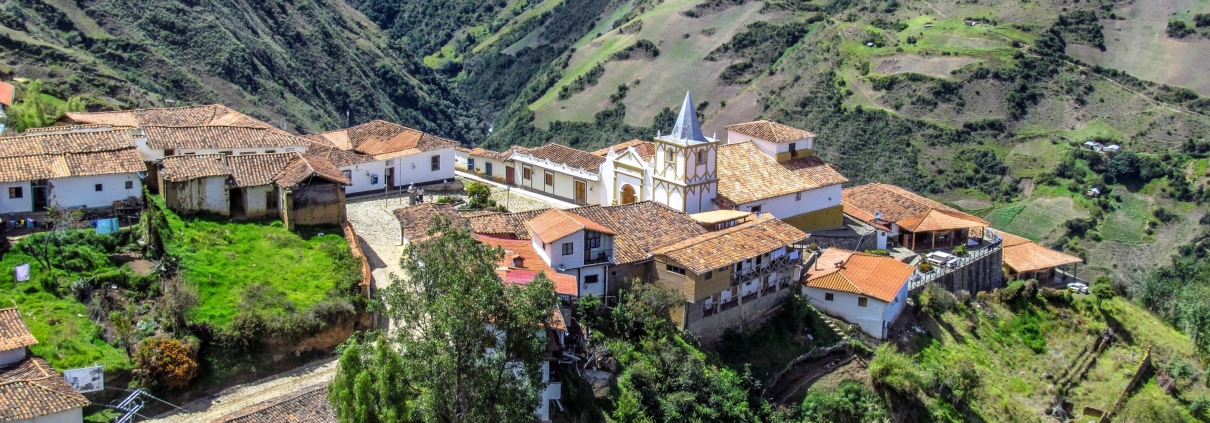 Reducing poverty in Venezuela remains a challenge for local communities. More than 90% of the population lives below the poverty line and many families struggle to afford food and health care. High inflation has made basic goods increasingly unaffordable, worsening hunger and vulnerability.
Faith-based organizations are stepping in to break this cycle of poverty and provide immediate relief and long-term support. Their work spans food distribution, education and income-generating initiatives. Th efforts of faith-based organizations address both urgent needs and structural challenges.
Expanding Aid To Remote Communities in Venezuela
In north-west Venezuela, religious sisters have expanded their outreach to remote villages. With new transport, they can now deliver food and medicine to isolated communities that previously had little access to essential supplies. They care for the sick and elderly, support homeless individuals and provide shelter for 30 orphaned or abandoned girls.
The sisters also run a preschool for 80 children, offering education and meals that help reduce hunger during the school week. These services help break the cycle of poverty by improving access to food, child care and health care in historically underserved communities. Faith-based networks also play a broader humanitarian role across the country.
Church-linked organizations provide food assistance, nutrition support for children and pregnant women and water and sanitation programs to prevent illness. These initiatives help families meet basic needs and reduce the risk of malnutrition, particularly among vulnerable groups. Such interventions help stabilize households and prevent them from falling into extreme poverty.
Promoting Food Security and Income in Colombia
In Bogotá, Colombia, nuns partnered with educators to help women turn backyard spaces into small agricultural enterprises. Families grew vegetables to improve household nutrition and sold surplus produce to earn income. Many participants were grandmothers caring for children and the gardens gave them a source of income and greater financial independence.
This model addresses poverty through both food security and income generation. Entrepreneurship training further strengthened these efforts, with workshops covering financial management, marketing and customer relations. Within 18 months, more than 250 families were earning a livable wage through urban farming and small businesses.
Microloans also helped individuals launch enterprises, including food production and poultry farming. These initiatives show how faith-based collaboration can help communities move from short-term aid to sustainable livelihoods.
Supporting Long-Term Poverty Reduction in Kenya
In Mombasa, Kenya, a faith-run community center supports children living near a large slum, addressing challenges such as hunger, abandonment and lack of access to education. Its leaders also plan to expand the center into a full primary school and launch small-scale agricultural projects to improve food security.
In northern Kenya, religious sisters teach trade skills to young women to promote self-reliance and help them support their communities. This kind of skills training and education helps reduce poverty by improving long-term earning potential.
Across these regions, faith-based initiatives share common strategies. They provide immediate support such as meals, shelter and health care, while also promoting empowerment through education, entrepreneurship and skills training. By combining short-term relief with sustainable development, these faith-based organizations help communities build resilience against poverty.
Conclusion
From delivering food and reducing poverty in Venezuela to supporting women entrepreneurs in Colombia and teaching trade skills in Kenya, faith-based groups continue to play a crucial role in poverty alleviation. Their presence, volunteer networks and focus on community empowerment allow them to reach vulnerable populations and create pathways out of poverty.
– Demetra Mykoniatis
Demetra is based in London, UK and focuses on Good News and Politics for The Borgen Project.
Photo: Pixabay
