Posts

Hunger and Malnutrition in KenyaKenya faces a persistent hunger and malnutrition crisis, with more than 18.7 million people, more than one-third of the population, undernourished. Recurring droughts, floods and disease outbreaks exacerbate this process. However, United States (U.S.) foreign aid alleviates this situation through various programs and initiatives.

US Humanitarian Assistance in Kenya

In response to the 2023 Horn of Africa drought, the U.S. government, through USAID, provided nearly $310 million in humanitarian assistance to Kenya. This funding supported emergency food aid, nutrition programs and resilience-building activities.

Additionally, the U.S. Department of Agriculture (USDA) has been instrumental in combating child malnutrition in Kenya through the McGovern-Dole Food for Education Program. In 2023, this program supplied U.S.-grown food to more than 650,000 children across more than 2,000 schools, ensuring they receive nutritious meals that support their education and overall well-being.

Addressing Acute Malnutrition

Acute malnutrition remains a significant concern, particularly among children under 5. As of October 2023, approximately 847,000 children in Kenya were facing acute malnutrition. U.S. aid contributes to programs that provide therapeutic feeding, micronutrient supplementation and community-based nutrition interventions to address this issue.

Supporting Refugees and Vulnerable Populations

Kenya hosts a substantial refugee population, many of whom are at heightened risk of food insecurity. In 2024, the U.S. government allocated $37 million to support refugees in Kenya, enabling the World Food Programme (WFP) to increase food rations and resume cash transfers in camps like Dadaab and Kakuma. These efforts are crucial in preventing malnutrition and promoting the self-reliance of displaced individuals.

Challenges and Ongoing Needs

Despite these efforts, challenges persist. The Global Hunger Index 2024 categorizes Kenya’s hunger level as “serious,” with indicators such as child stunting and undernourishment remaining high. Moreover, recent U.S. aid cuts have led to significant reductions in food assistance for refugees, with some receiving only 28% of the recommended food rations, putting vulnerable populations at further risk.

Funding shortfalls have also become a pressing challenge. In recent years, reductions in U.S. aid have forced humanitarian organizations to scale back food assistance. Such shortfalls endanger vulnerable populations and risk undoing years of progress in improving food security. Without sustained investment, cycles of hunger and malnutrition in Kenya could worsen, especially during climate shocks.

Another obstacle is climate instability. Kenya’s heavy reliance on rain-fed agriculture makes its population highly vulnerable to droughts and floods. Extreme weather events have become more frequent, damaging crops, killing livestock and reducing access to safe water. While humanitarian assistance can provide short-term relief, long-term resilience requires greater investment in sustainable farming practices, climate adaptation and diversified food systems.

U.S. programs that combine food assistance with resilience-building measures are therefore vital. However, their reach remains limited compared to the scale of the crisis.

Looking Forward

The partnership between the U.S. and Kenya shows the importance of international cooperation in fighting hunger. U.S. assistance has helped millions of Kenyans access life-saving food, reduced rates of acute malnutrition among children and supported education through school meals. Often among the hardest hit, refugees have also benefited from direct food aid and cash transfers that restore dignity and choice in how families feed themselves.

Still, the persistence of hunger in Kenya serves as a reminder that humanitarian aid cannot be the only solution. Addressing root causes—poverty, inequality, climate instability and fragile health systems—is essential for long-term progress. Programs that integrate food assistance with agricultural development, women’s empowerment and climate adaptation can create more sustainable outcomes. The U.S., alongside Kenyan institutions and international partners, will need to continue expanding investments in these areas to prevent recurring food crises.

Ultimately, U.S. foreign aid is more than just emergency relief—it is an investment in human potential and stability. By ensuring children are well-nourished, families are food-secure and communities are resilient, these efforts contribute to Kenya’s broader development goals. While challenges remain, ongoing U.S. support provides a foundation of hope that Kenya can reduce hunger and malnutrition, even in the face of climate and economic pressures.

– Skylar Roy

Skylar is based in Carlsbad, California, USA and focuses on Good News and Politics for The Borgen Project.

Photo: Wikimedia Commons
Clean Water in KenyaKenya has long struggled with clean water access, especially in rural areas where millions still depend on unsafe sources. The lack of reliable water fuels waterborne diseases, limits school attendance and places the collection burden primarily on women and girls.

However, progress is underway through partnerships between local communities, NGOs, international organizations and intentional partners. They work together to create lasting solutions that improve health, education and economic opportunities.

The Challenges of Water Insecurity

For Kenyan families, fetching water requires walking long distances, sometimes several hours daily. Women and children are the most affected, often sacrificing time for education or work to ensure their household has water. Even then, the water they collect is not always safe, contributing to the spread of cholera, typhoid and diarrhea.

These diseases are some of the leading causes of death in Kenya, particularly among young children. Without reliable water, farming and livestock rearing, the backbone of rural economies, also face challenges.

The Upper Tana-Nairobi Water Insecurity

One of the most impactful initiatives addressing water scarcity in Kenya is the Upper Tana-Nairobi Water Fund, launched by The Nature Conservancy. The fund protects Nairobi’s main water source by encouraging sustainable farming practices, reducing soil erosion and expanding tree planting in the Upper watershed.

This approach benefits both the environment and local communities. More than 70,000 hectares are now under improved management, helping secure clean water for millions of people in Nairobi. At the same time, farmers gain from healthier soil and improved crop yields. By investing in nature-based solutions, the fund creates a sustainable cycle that ensures clean water for urban residents while strengthening rural livelihoods.

Sand Dams: Harnessing Rain Water for the Dry Seasons

The Africa Sand Dam Foundation (ASDF) builds sand dams in drought-prone regions that store rainwater in sandy riverbeds, making it available throughout dry seasons. These structures now benefit nearly one million people by reducing time spent fetching water, cutting disease rates and supporting small-scale farming.

Organizations like Aqua Clara Kenya focus on WASH by providing filters, community training and school programs. Its work has reached hundreds of thousands, strengthening hygiene practices and ensuring access to safe drinking water.

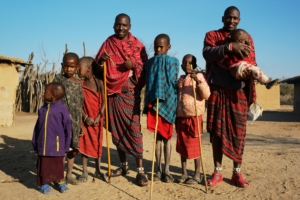
Meanwhile, Water is Life Kenya works with Maasai communities to drill boreholes, provide WASH education and empower women. Women often serve in leadership roles on local water committees, gaining both a voice and an opportunity to shape decisions affecting their lives.

This empowerment has ripple effects, communities not only gain access to clean water but also create new economic opportunities. Health improves, children can attend school more regularly and women can invest time in businesses or farming instead of long water treks.

A Future of Shared Progress in Kenya

The clean water story is still evolving. While millions remain without safe access, the progress made through partnerships between local communities, NGOs and international organizations offers hope by combining infrastructure projects like sand dams and boreholes with education, conservation and women’s empowerment. These efforts are tackling water insecurity from multiple angles.

The journey toward universal clean water access in Kenya is far from over. However, each initiative brings the country closer to ensuring every family has the right to safe, reliable water. The impact goes beyond hydration; it transforms health, education, gender equality and economic growth, shaping a brighter and more resilient future.

– Reign Lankford

Reign is based in Houston, TX, USA and focuses on Global Health for The Borgen Project.

Photo: Pixabay

hunger in kenyaKenya faces a persistent hunger and malnutrition crisis, with more than 18.7 million people, more than one-third of the population, undernourished. Recurring droughts, floods and disease outbreaks exacerbate this process. However, U.S. foreign aid alleviates this situation through various programs and initiatives.

US Humanitarian Assistance in Kenya

In response to the 2023 Horn of Africa drought, the U.S. government, through USAID, provided nearly $310 million in humanitarian assistance to Kenya. This funding supported emergency food aid, nutrition programs and resilience-building activities.

Additionally, the U.S. Department of Agriculture (USDA) has been instrumental in combating child malnutrition in Kenya through the McGovern-Dole Food for Education Program. In 2023, this program supplied U.S.-grown food to more than 650,000 children across more than 2,000 schools, ensuring they receive nutritious meals that support their education and overall well-being.

Addressing Acute Malnutrition

Acute malnutrition remains a significant concern, particularly among children under 5. As of October 2023, approximately 847,000 children in Kenya were facing acute malnutrition. U.S. aid contributes to programs that provide therapeutic feeding, micronutrient supplementation and community-based nutrition interventions to address this issue.

Kenya hosts a substantial refugee population, many of whom are at heightened risk of food insecurity. In 2024, the U.S. government allocated $37 million to support refugees in Kenya, enabling the World Food Programme (WFP) to increase food rations and resume cash transfers in camps like Dadaab and Kakuma. These efforts are crucial in preventing malnutrition and promoting the self-reliance of displaced individuals.

Challenges and Ongoing Needs

Despite these efforts, challenges persist. The Global Hunger Index 2024 categorizes Kenya’s hunger level as “serious,” with indicators such as child stunting and undernourishment remaining high. Moreover, recent U.S. aid cuts have led to significant reductions in food assistance for refugees, with some receiving only 28% of the recommended food rations, putting vulnerable populations at further risk.

Funding shortfalls have also become a pressing challenge. In recent years, reductions in U.S. aid have forced humanitarian organizations to scale back food assistance. Such shortfalls endanger vulnerable populations and risk undoing years of progress in improving food security. Without sustained investment, cycles of hunger and malnutrition could worsen, especially during weather shocks.

Another obstacle is climate instability. Kenya’s heavy reliance on rain-fed agriculture makes its population highly vulnerable to droughts and floods. Extreme weather events have become more frequent, damaging crops, killing livestock and reducing access to safe water. While humanitarian assistance can provide short-term relief, long-term resilience requires greater investment in sustainable farming practices, climate adaptation and diversified food systems.

U.S. programs that combine food assistance with resilience-building measures are therefore vital. However, their reach remains limited compared to the scale of the crisis.

Looking Forward

The partnership between the U.S. and Kenya shows the importance of international cooperation in fighting hunger. U.S. assistance has helped millions of Kenyans access life-saving food, reduced rates of acute malnutrition among children and supported education through school meals. Often among the hardest hit, refugees have also benefited from direct food aid and cash transfers that restore dignity and choice in how families feed themselves.

Still, the persistence of hunger in Kenya serves as a reminder that humanitarian aid cannot be the only solution. Addressing root causes—poverty, inequality, weather instability and fragile health systems—is essential for long-term progress. Programs that integrate food assistance with agricultural development, women’s empowerment and climate adaptation can create more sustainable outcomes. The U.S., alongside Kenyan institutions and international partners, will need to continue expanding investments in these areas to prevent recurring food crises.

Ultimately, U.S. foreign aid is more than just emergency relief—it is an investment in human potential and stability. By ensuring children are well-nourished, families are food-secure and communities are resilient, these efforts contribute to Kenya’s broader development goals. While challenges remain, ongoing U.S. support provides a foundation of hope that Kenya can reduce hunger and malnutrition, even in the face of climate and economic pressures.

– Skylar Roy

Skylar is based in Carlsbad, CA, U.S.A and focuses on Good News and Global Health for The Borgen Project.

Photo: Wikimedia Commons
Shirika PlanKenya is currently hosting more than 850,000 refugees and asylum seekers. Many are fleeing conflict, repression and climate-related disasters in Somalia, South Sudan and the Democratic Republic of the Congo. Those living in these camps rely heavily on humanitarian funding.

Kenya’s encampment policy requires refugees to live in two major camps, Dadaab and Kakuma, located in remote, arid regions of the country where agriculture is unfeasible. As a result of the U.S.’s humanitarian aid cuts, Kenya’s refugee camps were plunged into crisis.

Due to U.S. cuts, only 181 million out of 300 million people worldwide in need received aid in 2024. The impact of these cuts is especially evident in Kenyan refugee camps. Despite the ongoing refugee crisis, its government is rethinking its approach by implementing the Shirika Plan: a pioneering approach focusing on individual freedom and self-sufficiency instead of relying on foreign aid.

The Impact of Humanitarian Aid Cuts

The U.S. cuts to humanitarian aid under the Trump administration are having dire implications for those living in refugee camps. These cuts directly harm livelihoods and undermine refugee-led organizations that promote self-reliance.

The impact of these cuts was documented in a 2022 University of Oxford study in Kakuma that examined the effect of aid on the ground. Halfway through the study, the World Food Programme (WFP) was forced to cut assistance to the camp by 20%. This left people with a daily wage of $13.

Caloric intake in the camp dropped by 7%, with people eating a less diverse and lower-quality diet due to these cuts. One Somali refugee told the team of researchers, “After the aid reduction, the lives of refugees became hard. That was the money sustaining them… Hunger is visible.”

The situation has since worsened; in June 2025, the ration was cut again to the equivalent of $5 per month. In addition, frequent delays in distribution only exacerbate the Kenyan refugee crisis, leaving families with less than their basic nutritional needs. Because of this, Kenya has had to adopt a new approach to the refugee crisis.

The Shirika Plan

Born of the Refugee Act No.10 of 2021, which emphasised governmental commitment to refugee welfare and finding sustainable solutions, the Shirika Plan signalled a significant shift in refugee policy. A multiyear initiative that aims to transform camps into integrated settlements, this plan promotes the socioeconomic inclusion of around 83,000 refugees in northern Kenya.

Local initiatives such as the Kalobeyei Integrated Socioeconomic Development Plan (KISEDP) and the Garissa Integrated Socioeconomic Development Plan (GISEDP) aim to integrate refugees into Kenya’s development agenda. These programs produce what has been dubbed a “triple benefit”: enhancing self-reliance, reducing aid dependency and strengthening host communities’ economies. The Shirika Plan also begins to address the problem of waning humanitarian aid while promoting dignity among refugees.

However, as a relatively new initiative, the benefits need time to take shape. Kenya must adopt a comprehensive refugee management policy to achieve seamless coordination across Kenyan ministries, departments and humanitarian agencies in rolling out the plan.

The Next Steps

Born out of necessity, the Shirika Plan represents a shift in political outlook and a move toward sustainable, long-term solutions. Although still in its infancy, this pioneering approach breaks away from decades of refugee policy that confined displaced people to remote settlements and reliance on international aid.

– Libby Foxwell

Libby is based in Sherborne, Dorset, UK and focuses on Politics for The Borgen Project.

Photo: Flickr

Tech Hubs in AfricaThe media often depicts Africa as a deeply impoverished continent, where governments struggle to provide basic resources for their populations and rely heavily on Western aid. While Africa does suffer from some of the highest rates of poverty in the world, the entire picture is multifaceted.

It is an incredibly resource-rich continent that has been the victim of colonial exploitation. While the imagery of malnourished children with bloated stomachs draws sympathy, it does not tell the whole story. In truth, there are many thriving industries and burgeoning hubs in Africa.

Africa is the fastest-growing continent in terms of population and aid creates a pathway for future profitable trade relations. Aid should not focus only on short-term fixes but also on long-term paths to autonomy for African nations. Many cities are already prosperous markets that foster innovation. Here are three burgeoning tech hubs in Africa:

Lagos, Nigeria

Lagos has already established itself as one of the leading tech hubs of the future, not just in Africa, but globally. It ranked first in the Rising Stars category of Dealroom.co’s 2025 Tech Ecosystem Index, with a 1100% growth rate since 2017. There are five unicorns, private companies with valuations of more than $1 billion, based in Lagos.

The city provides a centralized market, as most industries are focused on the neighborhoods of Marina and Victoria Island, as opposed to the split markets of Johannesburg and Cape Town. Infrastructure currently poses a challenge to expansion in Lagos. It is difficult to “find anywhere in Lagos that would take 3,000 people in one go.” In response, Tech entrepreneur Iyin Aboyeji is building a 72,000-square-foot business park near the metro area.

Education is one of the foundations of upward mobility. Providing equal access to education is a way to improve the lives of those suffering and ensure that a nation’s best talent is placed in the proper roles. The Global Partnership for Education grant is a partnership between the United Kingdom’s Foreign, Commonwealth and Development Office and Nigeria’s Ministry of Education that provides funding for education initiatives within Nigeria.

The program has pledged $100 million in funding from 2024 to 2027. Some of its priorities include improving school infrastructure and teacher training in various facets of education.

Nairobi, Kenya

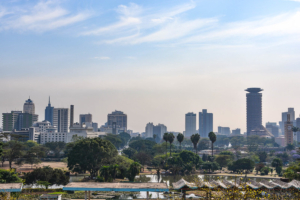
Nairobi, also known as Silicon Savannah, is one of the burgeoning tech hubs in Africa and has cemented itself as East Africa’s center of innovation. The international community is taking notice of Nairobi, as Microsoft has just invested $1 billion in a data center in Kenya. This will provide cloud computing through Microsoft Azure to East Africa.

M-Pesa, a mobile payment enterprise, is largely responsible for Nairobi’s rise as a tech hub. In 2007, it pioneered a secure platform that enabled people to transfer money using only their cellphones. The fintech sector has continued to expand, with other companies, such as M-Kopa, Lendable and Tala, basing their operations in Nairobi.

Incubators have also found a foothold in Silicon Savannah. The U.S. Embassy operates tech hubs for entrepreneurs who may not have proper access to technology. Both founded in 2010, iHub and Nailab are two incubators intended to accelerate African innovation and improve Kenya’s economic prosperity by bringing together creative thinkers and providing proper mentorship.

Programs that foster innovation will help maintain Nairobi’s growth and its status as one of the burgeoning tech hubs in Africa.

Kigali, Rwanda

Although currently a smaller market than the previous two cities, Kigali remains one of the burgeoning tech hubs in Africa. Unlike Nairobi’s private enterprise-driven expansion, Kigali maintains substantial support from Rwanda’s government. There has been a state-led effort for “digital transformation.” 4G or 5G currently enables 95% of the city.

The Kigali Innovation City is a business hub that houses universities, incubators and office spaces for emerging tech companies. Additionally, the city hosts the Africa Tech Summit. However, the city faces challenges like the infamous “brain drain.”

Because Kigali’s innovation efforts are public endeavors, salaries remain more lucrative in cities such as Nairobi and much of Kigali’s top talent is being lured out of Rwanda. The solution, once again, lies in education. In conjunction with Andela’s coding boot camp, institutions such as Carnegie Mellon University and African Leadership University produce approximately 2,600 tech graduates annually.

The Timbuktu Fund, sponsored by the United Nations Development Programme (UNDP), aims to foster startups around Africa. Programs like these help drive up wages and economic growth in places like Kigali, which in turn helps the city maintain its workforce.

Conclusion

Lagos, Nairobi, and Kigali show that Africa is redefining its story, from dependency to innovation. With growing investment, talent and education initiatives, these hubs are positioning the continent as a rising force in global technology.

– Patrick Feeney

Patrick is based in Los Angeles, CA, USA and focuses on Business and Technology for The Borgen Project.

Photo: Flickr

Hunger in KenyaPoverty is on the rise. It is a worldwide problem, but Africa’s hardest hit area is the sub-Saharan region. According to the World Food Program (WFP), about half of those living in extreme poverty live in this region. Kenya is among the nations in that region.

Poverty and Hunger in Kenya

Poverty manifests in many ways, including hunger. Around 30% of Kenya’s population lives in poverty. Households headed by women have a poverty rate of 35.3%. Male-headed households, in comparison, have a poverty rate of 32.6%. According to the Kenya Poverty Report, a third of the children in Kenya are food poor. Poverty rates for youth are higher in rural areas. According to the WFP, 29% of the children in rural Kenya are stunted due to malnutrition.

The causes of poverty in Kenya include natural disasters and economic shocks. Lower-than-average rainfall has affected Kenya’s agricultural and pastoral areas for several years. This drought has affected livestock as well as crop production. On the other end of the pendulum, flooding destroyed whole towns and villages, displacing more than 280,000 people. It killed more than 260 people in 2024. Livestock and other crops were lost.

These climate crises affect adequate food availability, increasing prices and sending more people toward poverty. Another factor affecting Kenya’s ability to feed its people is the conflict in Ukraine. Kenya is dependent on fertilizer imported from Russia. When the conflict began, Russia no longer sent fertilizer to Kenya. COVID-19 also affected Kenya’s economy, as it relies heavily on tourism.

The Kenyan government has committed to addressing the problem through agriculture. It has lifted the ban on open cultivation of genetically modified crops, eased food import restrictions and imported animal feed to reduce hunger in Kenya.

Boosting Kenyan Agriculture and Food Security

The Borgen Project interviewed Sterling Brown, a senior at Southern University majoring in Agricultural Business. He traveled to Kenya to learn about different agricultural methods and share knowledge with local farmers. According to Brown, agriculture is the largest sector of the Kenyan economy. He highlights the following solutions to address food insecurity and hunger in Kenya:

  • Integration farming. Using all available resources, including livestock and organic matter. This includes using manure as fertilizer (instead of importing fertilizer).
  • Microorganism growth. The inclusion of microorganisms in the soil enhances soil quality. Better soil leads to better crops.
  • Intercropping. This farming practice involves growing multiple crops in the same field. Different crops have different strengths, which helps improve soil quality.
  • Agroforestry. This is a sustainable agricultural practice and land management system. Farmers plant trees and then grow crops between and beside them. It creates a farming ecosystem. The trees counteract the effects of flooding, soil erosion and biodiversity loss.

In addition to the farming practices highlighted above, he and his team encouraged local farmers in Chuka and East Chuka, Kenya, to export their native crops, including avocados. This could boost their economy and provide another path out of poverty. They also held workshops and provided rootstocks, demonstrating how to plant and maintain them.

Brown is part of a program called the 1890 Center of Excellence, a collaboration between Southern University, the University of Arkansas-Pine Bluff (UAPB), Chuka University and Kenyatta University in Kenya. According to Brown, this collaboration, combined with the Kenyan government’s interventions, new sustainability mandates and significant agricultural investment, is a step in the right direction.

– Danielle Milano

Danielle is based in Pineville, LA, USA and focuses on Good News and Global Health for The Borgen Project.

Photo: Pexels

Women in KenyaIn 2018, a group of women in Kenya formed the Habsa Women’s Group to combat the effects of climate instability and food insecurity in their community. In the small town of Malkadaka, the effects of unstable climatic conditions have been disastrous. Droughts and floods kill livestock and crops, making multiple families have limited access to food and suffer from malnutrition and hunger. Innovations led by women in Kenya aimed to make food more accessible by improving their farming tactics with new agricultural innovations. 

Assistance From Action Against Hunger

The group partnered with Action Against Hunger to achieve its goal of creating a more sustainable agricultural system. The women began by learning the basics of crop cultivation, starting with corn and later expanded to onions and kale. Their progress faced numerous obstacles, including limited access to farming equipment and funds, as well as recurring droughts and infestations, all of which made achieving success significantly more challenging.

With the assistance of Action Against Hunger, the organization provided training on maintaining crops, pest management, rotational farming and drought-resistant seeds. It focused on eco-friendly strategies like intercropping, sunken garden beds and innovations in building a solar-powered water pump to help increase water retention during severe weather conditions. A fence was constructed to keep unwanted pests out of the crops.

Growing Success

Thanks to the hard work of these women in Kenya and with support from Action Against Hunger, the harvest successfully produced tomatoes, onions, sweet potatoes, hot peppers, kale and more. The Habsa Women’s Group earned a profit of approximately $463. This profit allowed the group to invest in improved farming tools and enhance its members’ livelihoods.

Women in Kenya often face restrictive gender roles that limit their income opportunities. Through this project, they helped reduce food insecurity and challenged these norms. Action Against Hunger further supported the Habsa Women’s Group, empowering the women to teach others about farming and nutrition.

The Village Savings and Loan Association

Action Against Hunger established the Village Savings and Loan Association (VSLA), providing women with financial literacy training and encouraging independence. With new confidence and knowledge, they learned to manage earnings, plan for the future and strengthen their community’s economic foundation.

Participating in financial decision-making enables women to earn more. It ensures most of their income supports their families, improving overall health and well-being. Building on the success of the innovations led by women in Kenya and the Habsa Women’s Group, Action Against Hunger is expanding support to nearby communities, connecting them to additional markets in Isiolo County to increase income and business reach.

The organization also aims to boost crop yields, raise profits and enable more sustainable livelihoods for women and their families.

Looking Ahead

The success of the Habsa Women’s Group shows the great potential of eco-friendly alternatives in agriculture. It seems promising that the group will continue to grow. The use of climate-smart technology will continue to spread throughout Kenya, hopefully eventually ending the ongoing food insecurity crisis with nutritious food grown by local people in the community.

– Bowie Aldrich

Bowie is based in Syracuse, NY, USA and focuses on Good News and Global Health for The Borgen Project.

Photo: Unsplash

Sleeping Sickness in KenyaSleeping sickness was first discovered in the early 20th century in Africa. It became the greatest threat to sub-Saharan Africa in the late ’90s. The region reported more than 40,000 cases every year, with the actual number thought to be much higher because of the remote communities suffering from underdiagnosis. By 2018, WHO statistics showed fewer than 1,000 cases across the entire continent—a historic milestone for Africa.

What Is Sleeping Sickness?

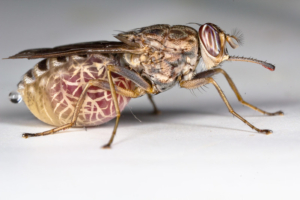
Human African trypanosomiasis (HAT), also known as the sleeping sickness, is a vector-borne parasitic disease. It is caused by protozoans of the genus Trypanosoma, transmitted to humans by bites of tsetse flies (Glossina), which have acquired the parasites from infected humans or animals.

HAT is considered a neglected tropical disease (NTD). NTD is a group of tropical infections that are common in low-income populations in developing regions of Africa, Asia and the Americas. This disease is one of 20 diseases and conditions currently classified by the World Health Organization (WHO).

These flies are very common in sub-Saharan Africa, though only certain species transmit the disease. Rural populations that rely on agriculture, fishing, animal handling or hunting are the most exposed. The disease can spread from single villages to entire regions and the incidence can vary from one village to the next.

Symptoms

Sleeping sickness can be divided into two main categories: West African sleeping sickness and East African sleeping sickness.

The East African sleeping sickness is characterized by a rapid succession of stages. Both stages take about a month and a half to show symptoms. The first stage begins immediately after the fly bites the victim. After a couple of weeks, the parasite starts to infect the brain and central nervous system.

The West African sleeping sickness takes longer to affect a person. Symptoms may be mild during the first few months after a tsetse fly bite introduces the parasite. During the first stage, an infected individual can experience fever, headache, enlarged lymph nodes, itching and joint pains.

In the second stage, once the parasite reaches the nervous system, it can cause behavioral changes, confusion, sensory disturbances and poor coordination. Sleep cycle disruption, which gives the disease its name, is a prominent feature. Without treatment, HAT is usually fatal, although rare cases of self-cure have been reported.

Kenya Eliminates HAT

Now, the disease is almost completely gone, thanks to coordinated efforts, new diagnostic tools, safer treatments and community-based surveillance. These measures help workers respond more quickly to outbreaks.

Kenya has strengthened HAT surveillance in 12 health facilities across six historically endemic counties, which act as sentinel sites. The country also actively monitors tsetse flies and animal trypanosomiasis, supported by the national veterinary health authorities and the Kenya Tsetse and Trypanosomiasis Eradication Council (KENTTEC).

The plan to eliminate this disease in Kenya is entering its final stages, but now it is crucial to ensure that the progress is sustained. WHO is working to prevent any potential resurgence that could lead to another devastating outbreak. WHO has set a goal of eliminating the threat of sleeping sickness across Africa by 2030.

Final Remarks

HAT is the second NTD to be eliminated in Kenya after the country was deemed free of Guinea worm disease in 2018. While there are still challenges involving the sickness, experts say that the trend with the disease is up-and-coming.

Kenya’s success follows similar announcements from nine other African nations: Côte d’Ivoire, Rwanda, Benin, Uganda, Chad, Equatorial Guinea, Ghana, Togo and Guinea.

– Avery Car

Avery is based in Norfolk, Nebraska, USA and focuses on Good News for The Borgen Project.

Photo: Flickr

Tax Justice in KenyaProtests in Kenya erupted due to widespread discontent over the government’s proposed 2024 finance bill. Economic and social challenges continued over the year, reigniting anti-government demonstrations in June 2025. Despite Kenya’s broadly positive economic outlook, a large part of the population experiences wealth inequality and a lack of access to social services.

Globally, wealthy individuals and corporations enable Illicit Financial Flows (IFFs), resulting in a loss of $1 trillion in 2022 alone. Advocate groups challenge this disparity as it largely contributes to poverty and degrades social welfare. Taxes proposed in the 2024 finance bill were seen as unfavorable to impoverished and middle-class people, possibly widening this gap further and proving the need for tax justice in Kenya.

United Nations’ Convention on International Tax Cooperation

Wealth disparities and illegal wealth extraction in the Global South often enrich Western corporations. The Tax Justice Network researches these illicit financial outflows, which hamper economic development. The organization has also lobbied for stronger global tax policies to promote social development and tax justice in vulnerable countries.

One of its major global concerns is the United Nations (U.N.) Convention on International Tax Cooperation, which seeks to close gaps in the international tax system and help countries recover stolen revenue. The Convention also aims to address tax abuses in cross-border systems and resolve international tax disputes equitably.

Kenyan delegates and other leaders of the African Group were the first to push for the U.N. Convention. The African Group’s concerns in advancing the Convention stem from the unequal distribution of wealth between developing and Western nations and corporate-driven wealth disparities within the Global South.

Social and Wealth Inequality

Oxfam asserts that the number of millionaires in Kenya will grow by more than 80% in the next 10 years. If current rates of inequality continue, it could result in millions of people living in extreme poverty in a similar time frame. Poverty rates in Kenya are higher in rural areas and areas of lower economic growth.

The World Bank Group highlights this uneven distribution as a vulnerability. Indeed, its reports suggest evaluating tax spending and fiscal policy to support poverty reduction. Accountability organizations like the National Taxpayers Association (NTA) in Kenya also work toward this goal.

The NTA supports local endeavors to rebalance social service provisions. The organization supports researching, monitoring and evaluating tax issues and development programs, as well as analyzing policy and legislation. Locally taking charge in the fight for tax justice in Kenya, the independent organization hopes for accountability from the government against economic inequality.

The Challenges Ahead

From 2025 to 2027, the U.N. Tax Convention negotiations will deliberate on multilateral platforms to address global wealth inequalities. Having only completed the organizational phase, member states need to continue talks and vote to pass issues before consideration from the U.N. General Assembly.

Analysts at the Tax Justice Network assert that lower-income countries can be negatively impacted through bilateral tax treaties if equitable terms are not met. The U.N. Convention is one attempt to avoid this, making global trade equitable and reversing many years of richer economies unilaterally dictating global economic agendas.

– Aliyah Omar

Aliyah is based in Alberta, Canada and focuses on Global Health and Politics for The Borgen Project.

Photo: Wikimedia Commons
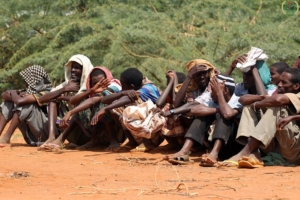
Cholera Outbreak in KenyaSince late February 2025, six counties in Kenya have been facing a cholera outbreak. Active transmission is occurring in four counties: Kisumu, Mombasa, Nairobi and Turkana.

Cholera Outbreak in Kenya

The first cholera outbreak in Kenya started in 1971, with current challenges such as displacement and poor infrastructure in rural and flood-affected areas intensifying the issue. Cholera outbreaks mainly stem from two significant factors: changes in climate and inadequate access to sanitation and clean water.

Changing climatic conditions have been connected to cholera outbreaks, including rainfall variations, temperature and extreme weather events. Some Kenyans living in areas impacted by severe weather, such as floods or drought, experience displacement, leaving many without access to clean water and sanitation. Due to the complexity of these cross-border influences, it is increasingly challenging to manage cholera outbreaks.

Cholera remains a serious concern, with the most recent long-term outbreak in Kenya lasting from October 2022 to September 2024. During this period, more than 12,000 cases were reported, resulting in more than 200 deaths. With the fatality rate exceeding the global expectation of 1%, coordinated actions are essential to preventing the spread of cholera and to reducing the severity of future outbreaks.

Solution

To combat the cholera outbreak in Kenya, volunteers at the Kenya Red Cross Society (KRCS) are leading emergency response efforts addressing flooding. Flood response teams focus on search and rescue operations and providing relief to those affected.

In addition, the KRCS partnered with the Ministry of Health to engage community members in tackling the issue. Initiatives include programs that improve knowledge and access, such as Infection Prevention and Control (IPC), Risk Communication and Community Engagement (RCCE) and Water, Sanitation and Hygiene (WASH) interventions.

The World Health Organization (WHO) deployed rapid response teams to three counties in Kenya to support local health care workers. Their work includes managing active cases through contact tracing, laboratory diagnosis and water testing. WHO also supplies cholera kits to affected areas, containing testing materials, medical equipment and essential medications. In Nairobi County alone, these kits treated an estimated 1,100 mild and severe cases.

To reduce the burden on health officials ahead of potential future outbreaks, the WHO and the Ministry of Health in 2024 trained and deployed 120 workers to high-risk counties, equipping them with the tools to treat cholera cases.

Conclusion

With recent history showing prolonged outbreaks and devastating weather events, the ongoing cholera outbreak in Kenya highlights the need for urgent and sustained action. Displacement, lack of access to sanitation and clean water, along with insufficient infrastructure, continue to drive the spread of cholera, particularly in rural and underserved areas. However, coordinated efforts from organizations like the KRCS and the WHO offer hope.

Kenya is taking meaningful steps toward managing this crisis through emergency response and long-term efforts. These include community engagement, training health workers and improving water and sanitation systems. Continued support and investment can help Kenya and surrounding countries break the cycle of recurring outbreaks to build resilience against future public health threats.

– Grace Johnson

Grace is based in Chicago, IL, USA and focuses on Good News and Technology for The Borgen Project.

Photo: Wikimedia Commons