How US Support Is Tackling Hunger and Malnutrition in Kenya
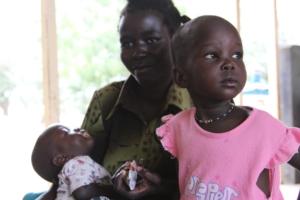 Kenya faces a persistent hunger and malnutrition crisis, with more than 18.7 million people, more than one-third of the population, undernourished. Recurring droughts, floods and disease outbreaks exacerbate this process. However, United States (U.S.) foreign aid alleviates this situation through various programs and initiatives.
US Humanitarian Assistance in Kenya
In response to the 2023 Horn of Africa drought, the U.S. government, through USAID, provided nearly $310 million in humanitarian assistance to Kenya. This funding supported emergency food aid, nutrition programs and resilience-building activities.
Additionally, the U.S. Department of Agriculture (USDA) has been instrumental in combating child malnutrition in Kenya through the McGovern-Dole Food for Education Program. In 2023, this program supplied U.S.-grown food to more than 650,000 children across more than 2,000 schools, ensuring they receive nutritious meals that support their education and overall well-being.
Addressing Acute Malnutrition
Acute malnutrition remains a significant concern, particularly among children under 5. As of October 2023, approximately 847,000 children in Kenya were facing acute malnutrition. U.S. aid contributes to programs that provide therapeutic feeding, micronutrient supplementation and community-based nutrition interventions to address this issue.
Supporting Refugees and Vulnerable Populations
Kenya hosts a substantial refugee population, many of whom are at heightened risk of food insecurity. In 2024, the U.S. government allocated $37 million to support refugees in Kenya, enabling the World Food Programme (WFP) to increase food rations and resume cash transfers in camps like Dadaab and Kakuma. These efforts are crucial in preventing malnutrition and promoting the self-reliance of displaced individuals.
Challenges and Ongoing Needs
Despite these efforts, challenges persist. The Global Hunger Index 2024 categorizes Kenya’s hunger level as “serious,” with indicators such as child stunting and undernourishment remaining high. Moreover, recent U.S. aid cuts have led to significant reductions in food assistance for refugees, with some receiving only 28% of the recommended food rations, putting vulnerable populations at further risk.
Funding shortfalls have also become a pressing challenge. In recent years, reductions in U.S. aid have forced humanitarian organizations to scale back food assistance. Such shortfalls endanger vulnerable populations and risk undoing years of progress in improving food security. Without sustained investment, cycles of hunger and malnutrition in Kenya could worsen, especially during climate shocks.
Another obstacle is climate instability. Kenya’s heavy reliance on rain-fed agriculture makes its population highly vulnerable to droughts and floods. Extreme weather events have become more frequent, damaging crops, killing livestock and reducing access to safe water. While humanitarian assistance can provide short-term relief, long-term resilience requires greater investment in sustainable farming practices, climate adaptation and diversified food systems.
U.S. programs that combine food assistance with resilience-building measures are therefore vital. However, their reach remains limited compared to the scale of the crisis.
Looking Forward
The partnership between the U.S. and Kenya shows the importance of international cooperation in fighting hunger. U.S. assistance has helped millions of Kenyans access life-saving food, reduced rates of acute malnutrition among children and supported education through school meals. Often among the hardest hit, refugees have also benefited from direct food aid and cash transfers that restore dignity and choice in how families feed themselves.
Still, the persistence of hunger in Kenya serves as a reminder that humanitarian aid cannot be the only solution. Addressing root causes—poverty, inequality, climate instability and fragile health systems—is essential for long-term progress. Programs that integrate food assistance with agricultural development, women’s empowerment and climate adaptation can create more sustainable outcomes. The U.S., alongside Kenyan institutions and international partners, will need to continue expanding investments in these areas to prevent recurring food crises.
Ultimately, U.S. foreign aid is more than just emergency relief—it is an investment in human potential and stability. By ensuring children are well-nourished, families are food-secure and communities are resilient, these efforts contribute to Kenya’s broader development goals. While challenges remain, ongoing U.S. support provides a foundation of hope that Kenya can reduce hunger and malnutrition, even in the face of climate and economic pressures.
– Skylar Roy
Skylar is based in Carlsbad, California, USA and focuses on Good News and Politics for The Borgen Project.
Photo: Wikimedia Commons
