Progress on Clean Water in Kenya
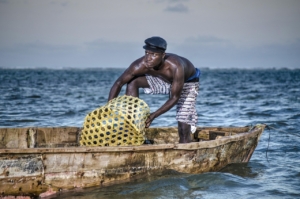 Kenya has long struggled with clean water access, especially in rural areas where millions still depend on unsafe sources. The lack of reliable water fuels waterborne diseases, limits school attendance and places the collection burden primarily on women and girls.
However, progress is underway through partnerships between local communities, NGOs, international organizations and intentional partners. They work together to create lasting solutions that improve health, education and economic opportunities.
The Challenges of Water Insecurity
For Kenyan families, fetching water requires walking long distances, sometimes several hours daily. Women and children are the most affected, often sacrificing time for education or work to ensure their household has water. Even then, the water they collect is not always safe, contributing to the spread of cholera, typhoid and diarrhea.
These diseases are some of the leading causes of death in Kenya, particularly among young children. Without reliable water, farming and livestock rearing, the backbone of rural economies, also face challenges.
The Upper Tana-Nairobi Water Insecurity
One of the most impactful initiatives addressing water scarcity in Kenya is the Upper Tana-Nairobi Water Fund, launched by The Nature Conservancy. The fund protects Nairobi’s main water source by encouraging sustainable farming practices, reducing soil erosion and expanding tree planting in the Upper watershed.
This approach benefits both the environment and local communities. More than 70,000 hectares are now under improved management, helping secure clean water for millions of people in Nairobi. At the same time, farmers gain from healthier soil and improved crop yields. By investing in nature-based solutions, the fund creates a sustainable cycle that ensures clean water for urban residents while strengthening rural livelihoods.
Sand Dams: Harnessing Rain Water for the Dry Seasons
The Africa Sand Dam Foundation (ASDF) builds sand dams in drought-prone regions that store rainwater in sandy riverbeds, making it available throughout dry seasons. These structures now benefit nearly one million people by reducing time spent fetching water, cutting disease rates and supporting small-scale farming.
Organizations like Aqua Clara Kenya focus on WASH by providing filters, community training and school programs. Its work has reached hundreds of thousands, strengthening hygiene practices and ensuring access to safe drinking water.
Meanwhile, Water is Life Kenya works with Maasai communities to drill boreholes, provide WASH education and empower women. Women often serve in leadership roles on local water committees, gaining both a voice and an opportunity to shape decisions affecting their lives.
This empowerment has ripple effects, communities not only gain access to clean water but also create new economic opportunities. Health improves, children can attend school more regularly and women can invest time in businesses or farming instead of long water treks.
A Future of Shared Progress in Kenya
The clean water story is still evolving. While millions remain without safe access, the progress made through partnerships between local communities, NGOs and international organizations offers hope by combining infrastructure projects like sand dams and boreholes with education, conservation and women’s empowerment. These efforts are tackling water insecurity from multiple angles.
The journey toward universal clean water access in Kenya is far from over. However, each initiative brings the country closer to ensuring every family has the right to safe, reliable water. The impact goes beyond hydration; it transforms health, education, gender equality and economic growth, shaping a brighter and more resilient future.
– Reign Lankford
Reign is based in Houston, TX, USA and focuses on Global Health for The Borgen Project.
Photo: Pixabay
