Addressing Inequality: Tax Justice in Kenya
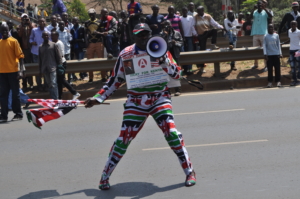 Protests in Kenya erupted due to widespread discontent over the government’s proposed 2024 finance bill. Economic and social challenges continued over the year, reigniting anti-government demonstrations in June 2025. Despite Kenya’s broadly positive economic outlook, a large part of the population experiences wealth inequality and a lack of access to social services.
Globally, wealthy individuals and corporations enable Illicit Financial Flows (IFFs), resulting in a loss of $1 trillion in 2022 alone. Advocate groups challenge this disparity as it largely contributes to poverty and degrades social welfare. Taxes proposed in the 2024 finance bill were seen as unfavorable to impoverished and middle-class people, possibly widening this gap further and proving the need for tax justice in Kenya.
United Nations’ Convention on International Tax Cooperation
Wealth disparities and illegal wealth extraction in the Global South often enrich Western corporations. The Tax Justice Network researches these illicit financial outflows, which hamper economic development. The organization has also lobbied for stronger global tax policies to promote social development and tax justice in vulnerable countries.
One of its major global concerns is the United Nations (U.N.) Convention on International Tax Cooperation, which seeks to close gaps in the international tax system and help countries recover stolen revenue. The Convention also aims to address tax abuses in cross-border systems and resolve international tax disputes equitably.
Kenyan delegates and other leaders of the African Group were the first to push for the U.N. Convention. The African Group’s concerns in advancing the Convention stem from the unequal distribution of wealth between developing and Western nations and corporate-driven wealth disparities within the Global South.
Social and Wealth Inequality
Oxfam asserts that the number of millionaires in Kenya will grow by more than 80% in the next 10 years. If current rates of inequality continue, it could result in millions of people living in extreme poverty in a similar time frame. Poverty rates in Kenya are higher in rural areas and areas of lower economic growth.
The World Bank Group highlights this uneven distribution as a vulnerability. Indeed, its reports suggest evaluating tax spending and fiscal policy to support poverty reduction. Accountability organizations like the National Taxpayers Association (NTA) in Kenya also work toward this goal.
The NTA supports local endeavors to rebalance social service provisions. The organization supports researching, monitoring and evaluating tax issues and development programs, as well as analyzing policy and legislation. Locally taking charge in the fight for tax justice in Kenya, the independent organization hopes for accountability from the government against economic inequality.
The Challenges Ahead
From 2025 to 2027, the U.N. Tax Convention negotiations will deliberate on multilateral platforms to address global wealth inequalities. Having only completed the organizational phase, member states need to continue talks and vote to pass issues before consideration from the U.N. General Assembly.
Analysts at the Tax Justice Network assert that lower-income countries can be negatively impacted through bilateral tax treaties if equitable terms are not met. The U.N. Convention is one attempt to avoid this, making global trade equitable and reversing many years of richer economies unilaterally dictating global economic agendas.
– Aliyah Omar
Aliyah is based in Alberta, Canada and focuses on Global Health and Politics for The Borgen Project.
Photo: Wikimedia Commons
