Top 5 Zoonotic Diseases in Kenya
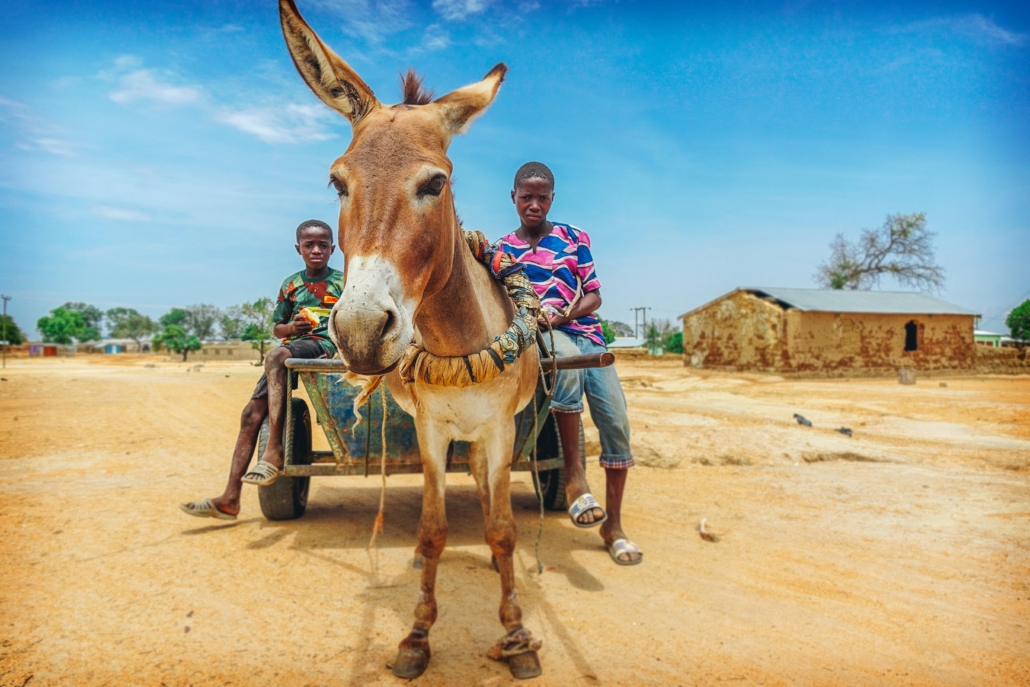 The animal health sector in developing African countries is still under-resourced in awareness, detection and diagnosis, and control and interruption of transmission. To illustrate, more than 75% of illnesses in the past 30 years have stemmed from zoonosis — an infectious disease first contracted in vertebrate animals, which then spreads to human hosts — causing millions of deaths annually. Pathogens can develop when animals inhale or ingest bacteria in contaminated soil, water, or plants. One of the reasons for such a high rate of zoonotic cases is that the African population is the fastest growing in the world, therefore increasing the demand for animal-based foods.
Low-resourced and rural environments are most affected by these zoonotic pathogens, as livestock play a pivotal role in everyday life, making up more than 5.5% of the National Gross Domestic Product. For example, individuals interact with their animals via shared housing and practices such as milking, herding, deworming and aiding with the birthing process. Furthermore, several cultural norms bolster the consumption of unprocessed products from livestock — such as uninspected meat and unpasteurized milk. Here are the top five zoonotic diseases in Kenya.
The Top 5 Zoonotic Diseases in Kenya
- Anthrax: Although this disease is not contagious, the Bacillus Anthracis bacteria can cause serious illness in animals and humans. People working with livestock products like wool or hair or those eating raw meat from infected animals are at an increased risk of contracting anthrax. Symptoms include blisters, swelling, sore throat, bloody vomiting and fever.
- Trypanosomiasis: Also, known as the “sleeping sickness,” the trypanosoma Brucei parasites causes trypanosomiasis. Tsetse flies bite animals and humans in rural areas — specifically in Kenya’s woodlands and thickets. Wild animals like gazelles, jackals and camels are implicated in the spread of the disease, specifically contaminating hunters and visitors of game parks. Infected people can contract extreme fatigue, aching muscles, severe headaches, skin rashes and even personality changes.
- Rabies: Rabies is a viral disease transmitted through direct contact, such as bites and open wounds, with nervous system tissue or saliva from rabid animals like bats, skunks, foxes and raccoons. The first symptoms are similar to those of the flu. Then, they progress to cerebral dysfunction and anxiety. Unless a person seeks medical care after exposure to rabies, the virus can trigger disease in the brain, ultimately leading to death.
- Brucellosis: Animals most commonly infected by the Brucella bacteria include sheep, cattle, pigs, dogs and goats. Drinking or eating unpasteurized dairy products or raw meat is humans’ primary source of contamination. Although person-to-person infection is rare, infected mothers who are breastfeeding may spread brucellosis to their infants. Signs of brucellosis can include sweating, arthritis, neurologic symptoms, anorexia and swelling of the liver.
- Rift Valley Fever (RVF): RVF is a viral disease typically found in buffalo, cattle, sheep and camels. It is spread to humans through contact with infected animals’ body fluids, blood, and tissues or through mosquito bites. Usually, people infected with RVF show no symptoms — or a mild illness that comprises fever, muscle weakness and dizziness. In rarer cases, they can develop ocular disease, encephalitis or hemorrhagic fever.
Solutions to the Zoonotic Diseases in Kenya
One Health is a program that the American Veterinary Medical Association defines as “the integrative effort of multiple disciplines working locally, nationally, and globally to attain optimism for people, animals, and the environment.” In Kenya, understanding, preventing and controlling re-emerging and endemic zoonotic diseases is crucial to adopt and implement the One Health approach.
Since 2006, the Centers for Disease Control and Prevention (CDC) in Kenya has successfully allied with government institutions to create a coordination framework between the public and animal health sectors at national and county levels. Adopting the One Health approach has enabled earlier detection and control of zoonotic disease outbreaks, and ultimately, it has enhanced national health security and the economy.
– Abigail Roch
Photo: Unsplash
