• Link to X
  • Link to Facebook
  • Link to Instagram
  • Link to TikTok
  • Link to Youtube
  • About
    • About Us
      • President
      • Board of Directors
      • Board of Advisors
      • Financials
      • Our Methodology
      • Success Tracker
      • Contact
  • Act Now
    • 30 Ways to Help
      • Email Congress
      • Call Congress
      • Volunteer
      • Courses & Certificates
      • Be a Donor
    • Internships
      • In-Office Internships
      • Remote Internships
    • Legislation
      • Politics 101
  • The Blog
  • The Podcast
  • Magazine
  • Donate
  • Click to open the search input field Click to open the search input field Search
  • Menu Menu

Tag Archive for: Poverty In Guatemala

Posts

Global Poverty, Technology, WFP

How Satellites are De Risking Poverty in Guatemala

Poverty in Guatemala In Guatemala’s driest corridor, farmers have lived for generations at the mercy of the region’s violent weather patterns. In the 1,600-kilometer stretch of tropical dry forest, the changing climate has transformed the traditional seasonal rhythm that brought rain into an extreme cycle of drought and flash flooding. Farmers like Maria Lopez, who depend on a small plot of maize and beans, face collapse from a single dry month, which no longer just means a poor harvest — it means total financial ruin, food insecurity for their children and the possibility of dangerous migration, a situation made more acute by recent cuts to the United States Agency for International Development (USAID). Organizations estimate that 2.7 million people across the subregion face persistent food insecurity and the changing climate threatens to worsen the ongoing crisis.

How Aid Is Helping Farmers

In the past, smallholder farmers would rely on traditional insurance to cover crop failures, which typically failed in most cases. Indemnity-based insurance requires manual adjusters to travel to remote mountain slopes to verify damage — a slow, expensive process that results in payouts arriving months after seeds have already withered. A technological shift is changing this for millions of Guatemalans. By leveraging Synthetic Aperture Radar (SAR) satellites and parametric insurance, international aid organizations such as USAID and the World Food Programme (WFP) are helping farmers build a social safety net that triggers financial aid the moment a drought begins, breaking the multigenerational cycle of poverty in Guatemala. WFP covered insurance premiums for 5,484 farming households between 2025 and 2026, providing 24,720 people with a monetary safety net to weather drought and excess rainfall.

How New Technology Is Improving the Situation

Monitoring Central American agriculture has historically been difficult for optical satellites, which take pictures like a camera and cannot see through the thick tropical cloud cover that masks the region during the critical growing season. The launch of a SAR satellite by NASA in 2025 dramatically changed this. Unlike optical sensors, SAR is an active sensor that emits its own microwave pulses, which refract from the earth’s surface. These waves penetrate through clouds, smoke and tree branches. By analyzing the backscatter — the way these waves return to the satellite — scientists can measure the moisture content in the soil.

An image of the Earth is taken twice every 12 days, with sensors resolving individual plots as narrow as 10 meters. This allows stakeholders to monitor week-to-week changes in small-scale holdings as well as broader agricultural shifts. When soil moisture levels drop below a scientifically determined threshold, the system recognizes a trigger event. Because the insurance is based on a measurable parameter rather than a physical inspection, the payout is automatic.

USAID and Poverty in Guatemala

USAID has been a central architect in scaling Insurtech solutions. Initiatives such as the Feed the Future program and partnerships with the Microinsurance Catastrophe Risk Organization have shifted the goal from reactive aid to anticipatory action. As of April 2026, the United Nations (U.N.) The Central Emergency Response Fund (CERF) released more than $10 million to preempt drought affecting Guatemala’s dry corridor. The funding does not wait for a famine to be declared. Instead, it provides cash to keep the parametric insurance pools solvent, guaranteeing that as soon as SAR data confirms a moisture deficit, farmers receive mobile payments directly to their phones.

The speed of these payments is critical for poverty alleviation in Guatemala. A farmer receiving a payout at the onset of a drought does not have to sell livestock or take out high-interest loans to buy food. The capital can be used to purchase drought-resistant seeds for a second planting or invest in small-scale irrigation.

Insights From the Field

To understand the mechanics behind SAR technology, Geospatial World interviewed Matt Wood, Vice President of Go to Market and Business at Capella Space, about the shift from traditional imaging to SAR technology.

Wood explained that, unlike traditional satellites that rely on reflected sunlight, SAR satellites emit their own energy source, which reflects off the earth and is received back by the satellite. Traditional optical satellites, he said, are limited by the same cloud cover that humans see from the ground.

On accessibility, Wood noted that SAR technology was historically the domain of defense and intelligence agencies and required very large antennas and rockets. Advances in miniaturization have changed this, allowing multiple smaller satellites to launch on a single rocket and making SAR data increasingly available for humanitarian and commercial use.

Wood cautioned that SAR data cannot be used in isolation. It needs to be combined with optical satellites, ground-based sensors, Internet of Things (IoT) sensors and other data sources to be effective. He described SAR satellites as filling a key gap in global information on a regular basis.

Looking Ahead

The combination of SAR technology and parametric insurance represents a meaningful shift in how international aid organizations support farmers in Guatemala’s dry corridor. By delivering automated, data-driven payouts at the onset of drought, these tools help smallholder farmers avoid poverty and food insecurity that have persisted for generations in Guatemala. As weather patterns continue to change across Central America, scaling these solutions will be essential to long-term poverty reduction in the region.

– Haydn Goodboy

Haydn is based in Massachusetts, USA and focuses on Good News and Technology for The Borgen Project.

Photo: Wikimedia Commons

May 16, 2026
https://borgenproject.org/wp-content/uploads/borgen-project-logo.svg 0 0 Precious Sheidu https://borgenproject.org/wp-content/uploads/borgen-project-logo.svg Precious Sheidu2026-05-16 03:00:082026-05-16 09:56:05How Satellites are De Risking Poverty in Guatemala
Education, Employment, Global Poverty

Vocational Education Training Centers in Guatemala

Vocational Education Training Centers in GuatemalaThe journey to providing adequate education to the youth in Guatemala has been a tumultuous one. Vocational institutions especially lack the funding necessary to provide their students with a proper technical education. But, the salient jobs in this country, like agriculture and information technology, require solid technical foundations. So, it is clear that vocational education is becoming more prevalent than ever to its future generations. However, issues like nationwide poverty and internal political turmoil hinder the quality of these facilities. Here is more information about the state of vocational education training centers in Guatemala.

General Educational Barriers in Guatemala 

According to WorldData.Info, Guatemala has ranked 162nd out of 193 countries in the global education ranking. Only about half of students complete elementary school, and one-third finish secondary school. The issue of providing education to Guatemalan citizens stems from poverty across the country. Guatemala’s 36-year Civil War between 1960-1996 displaced hundreds of thousands of Indigenous people, which still negatively impacts their standard of living today. About 47.3% of Guatemalans live with a budget of around 64 quetzales, which in U.S. dollars, translates to about $8.30 a day.

As a result, many families in Guatemala are unable to afford sending their children to school. There is also a significant resource gap in classrooms; they are oftentimes overcrowded, or they lack teachers with the proper training necessary for instruction. These political and economic obstacles bleed into vocational schools, which prevent students from getting a good education.   

Vocational Education Training Centers in Guatemala 

Guatemalan technical institutions offer students high-demand skills learned in a wide range of subjects in culinary and pastry arts, agriculture, carpentry and computer science. The Ministry of Education stated many of them lacked proper equipment. Some schools, such as Junkabel and William Cornelius Training Center have excellent facilities. But the vast majority lack the budget, staff and infrastructure needed to run them.  

Luckily, there have been several efforts aimed at improving the quality of education at Guatemalan trade schools. Foreign aid organizations, like the Millennium Challenge Corporation (MCC), fundraised $20.6 million for Education toward the Guatemala Threshold Program, $4.2 million of which went to technical education alone. Also, the CEPA Foundation, a nonprofit organization, has partnered with another nonprofit, Fundación Corazones Libres, in order to provide vocational education to young children in Vuelta Grande. These funds are used to create new vocational high schools with modernized computers that increase accessibility.

Another nonprofit, Infinite Chance, has funded enough money to buy welding and industrial sewing machines necessary for instruction. Besides nonprofits, affluent vocational institutions in Guatemala like INTECAP have offered vocational certifications and training to secondary students to help them gain specialized skills. 

The Future of Vocational Education Centers in Guatemala 

Although there is much left to be done to improve vocational education training centers in Guatemala, such as updating curricula to fit the rapidly advancing job market, many charities and nonprofits have organized initiatives to help repair the education system. For instance, the Swisscontact Project teamed up with the Ministry of Education and Social Welfare in Guatemala in 2023 to provide students with technical courses relevant to the IT and food sectors.

The primary goals of these projects is to reduce the need for migration in the Guatemalan workforce. Guatemala wants to decrease the levels of unemployment among Guatemalan youth by providing sufficient Technical and Vocational Education and Training (TVET) to students who wish to pursue a career in the skilled trades.

More than 90% of Guatemala’s Gross Domestic Product (GDP) comes from industry, service and agriculture jobs. By promoting vocational education centers in Guatemala, future generations can hope to earn a living through these technical careers and boost their domestic economy.

– Stacie Hueter

Stacie is based in Denville, NJ, USA and focuses on Technology and Solutions for The Borgen Project.

Photo: Unsplash

May 1, 2026
https://borgenproject.org/wp-content/uploads/borgen-project-logo.svg 0 0 Jennifer Philipp https://borgenproject.org/wp-content/uploads/borgen-project-logo.svg Jennifer Philipp2026-05-01 03:00:202026-05-01 04:09:32Vocational Education Training Centers in Guatemala
Business, Global Poverty

How Thrifting Reduces Poverty in Guatemala

Poverty in GuatemalaMany people in developing countries rely on second-hand clothing imported from other countries. The second-hand clothing (SHC) sector trades more than 24 billion items annually. As of 2023, the national rate of poverty in Guatemala was 56%. With more than half of the population living in poverty, the ability to afford brand-new clothes is often not possible.

Second-Hand Clothing Industry in Guatemala

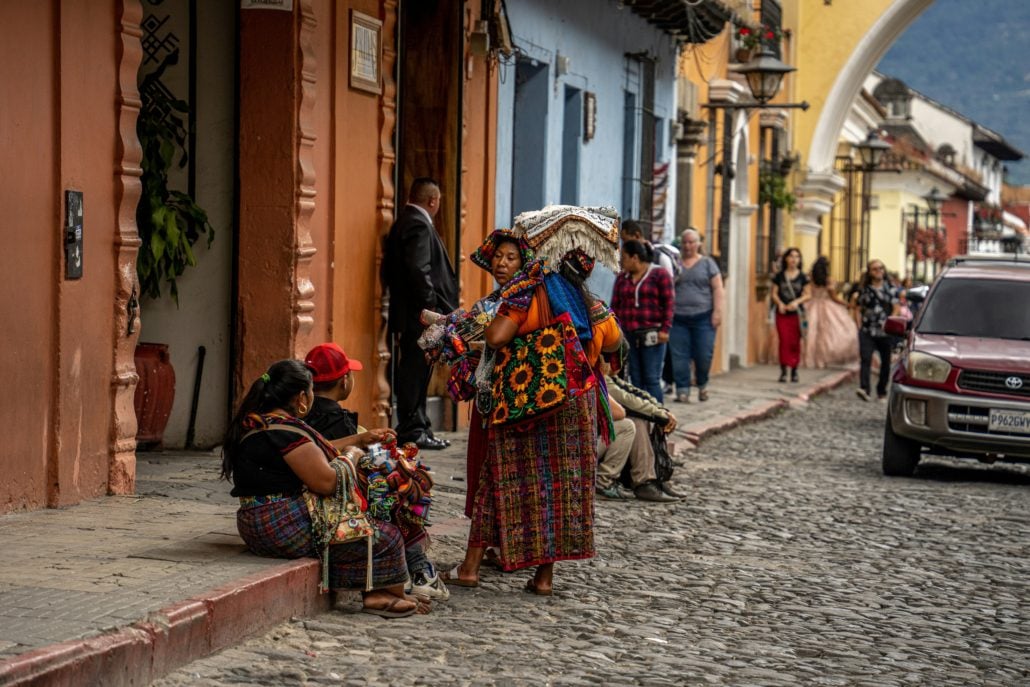
According to the Garson and Shaw report on secondhand clothing imports from the United States to Guatemala, in 2023, Guatemala imported 131.25 million kilograms of second-hand clothing, 98.6% of which originated from the United States. HS Code 6309 is an international trade classification for worn clothing used to determine costs and tariffs. People in Guatemala have a high demand for low-cost clothing, as many are unable to meet basic food and health needs. The Guatemalan economy is the largest in Central America and relies heavily on the SHC market to support economic activity.

The largest second-hand retailer in Central America, Megapaca, is based in Guatemala. Megapaca is comparable to the North American company Goodwill, with similarly large stores and a fast turnover rate of clothing.

The SHC market is particularly appealing to women in Guatemala, as a high proportion of people do not complete more than primary or secondary education, with more women than men stopping after primary school. The SHC market is one of the few accessible jobs that generate income for people with limited education. A study conducted by Garson and Shaw found that almost all surveyed participants reported that the SHC market has a positive impact on their families.

Supporting Women Through Fair Trade

The SHC market is a key component of reducing poverty in Guatemala. With a large number of women involved in the sector, it promotes financial independence for women who do not have many other job opportunities.

Trades of Hope is a fair trade company founded by Gretchen and Elisabeth Huijskens in 2010. The organization gives women living in poverty the opportunity to support their families by making clothes, jewelry and bags. Trades of Hope pays these artisans a fair and livable wage and markets their items on its website.

One Guatemalan artisan, Clara, said that she built a workshop in her home so she could work while staying with her children, and that other parents in her village who previously had to travel far for work now work alongside her.

Looking Ahead

With more than half the population of Guatemala living in poverty, second-hand clothing is a necessary industry for people to access affordable clothing and participate in the economy. Companies like Trades of Hope work with women artisans to create stability for them and their families by selling handmade goods at fair wages. The second-hand clothing industry plays an important role in many developing countries in efforts to reduce poverty.

– Kaitlyn Crane

Kaitlyn is based in Rohnert Park, CA, USA and focuses on Good News for The Borgen Project.

Photo: Flickr
April 23, 2026
https://borgenproject.org/wp-content/uploads/borgen-project-logo.svg 0 0 Precious Sheidu https://borgenproject.org/wp-content/uploads/borgen-project-logo.svg Precious Sheidu2026-04-23 01:30:222026-04-22 11:30:35How Thrifting Reduces Poverty in Guatemala
Global Poverty, Indigenous Peoples

Toward Ending Poverty in Mayan Communities in Guatemala

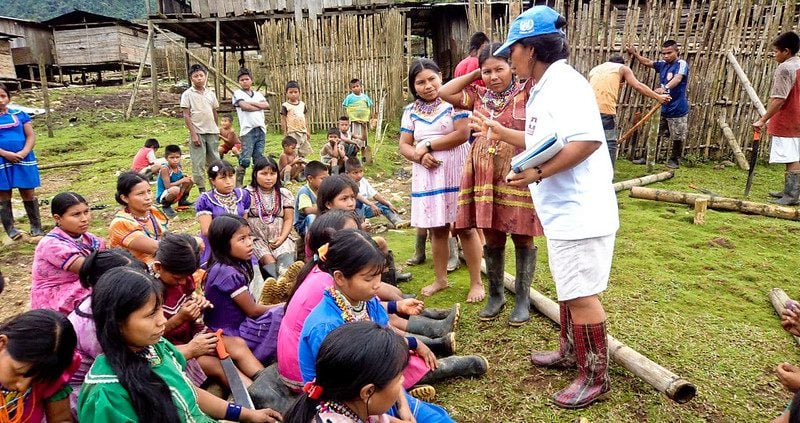
Mayan Communities in guatemalaMayan communities are Indigenous to present-day Guatemala, Belize, Honduras, El Salvador and Mexico. In Guatemala, Mayan people make up 51% of the population, making it the only Central American country where more than half of the population is Mayan. Guatemala is considered one of the most impoverished countries in the region, with 56% of its population living below the national poverty line.

Conditions are generally worse for Mayan communities, many of whom live in rural areas far from major cities. As a result, access to essential services such as health care and education is often extremely difficult and in some cases, impossible. Poverty affects 75% of Indigenous populations in the country, compared to 36% of non-Indigenous people.

A Brief History

The Mayan civilization was a highly advanced, agriculture-based Mesoamerican society. It established city-states, developed sophisticated trade routes and made significant advances in writing, mathematics and astronomy. The Spanish conquest of the Maya in the 16th century led to a sharp decline in civilization, marking the first of three major periods of cultural erasure.

The Liberal Revolution of 1871 triggered a second wave of repression against Mayan communities. The new government dispossessed Indigenous populations of their land, including farms belonging to Mayan families. Many were then forced into exploitative labor systems, working on lands that had been taken from them.

In the ’80s, during a period of military rule, General Efraín Ríos Montt led a counterinsurgency campaign targeting Mayan communities that had long advocated for basic rights and cultural recognition. The army destroyed more than 600 villages, killing or disappearing more than 200,000 people. It also displaced more than 1.5 million others during three years of conflict.

Despite these periods of violence and repression, Mayan communities in Guatemala have endured. Today, the country is home to 24 Indigenous ethnic groups that continue to practice their cultures and preserve their languages.

Medicine and Health

Access to health care is often more difficult for rural Indigenous communities around the world and Mayan communities in Guatemala are no exception. With few hospitals located in rural areas, many people must travel for hours to receive care. Maternal mortality rates among Mayan women are also significantly higher. 

The maternal mortality ratio for Mayan women is 166, compared to 78 for non-Indigenous Guatemalans. This disparity is partly driven by limited access to health facilities in rural areas, which forces many women to give birth at home. At the core of these disparities is a “deep-seated mistrust of institutional health care, rooted in historical trauma and systemic neglect.” 

Beyond physical distance, Mayan communities also face major cultural and structural barriers, including language, cost and discrimination. For many, the challenge is not only a lack of access to health facilities, but also a lack of what some experts describe as “cultural accessibility.”

Wuqu’ Kawoq (Maya Health Alliance) strives to address the health care challenges Mayan communities face every day. With a mission to advance health equity, the alliance serves more than 11,000 people annually. It plays a significant role in improving both access to care and the quality of health care available to Mayan communities in Guatemala.

Education

Access to education is similarly restricted when children have no nearby schools to attend each day. Karla Sucely Ramos Reyes, a kindergarten teacher based in Guatemala City, told The Borgen Project that in some cases, “children have to walk several kilometers to attend” school, contributing to low attendance and a “shortage of teachers.” She also noted that while nearly all children in major cities complete secondary education, “in rural areas, boys typically study up to the sixth grade of primary school.”

Adult literacy rates in Guatemala are relatively high overall, reaching 82% in 2024, according to the World Bank. However, literacy rates are significantly lower among Indigenous communities, at just 33%. Reyes also noted that “public schools [in Guatemala] do not have libraries.” She added that the government “provides little funding to libraries,” which means many rely largely on “donations from organizations that support literary and cultural arts.”

Chajul, a small town in Guatemala and home to the Ixil Maya community, opened its first public library, the Saber Sin Límites (Limitless Knowledge) Community Library, in 2010. The library houses more than 11,500 books in English, Spanish and Ixil, along with quiet study rooms and community spaces designed to support learning and growth. It also offers a range of programs, classes and projects to bridge the educational gap and encourage young people to embrace their Indigenous language and culture.

Labor and Employment

The labor market is often unforgiving for many urban Mayan people. Linguistic and cultural barriers continue to shape employment opportunities, as those who speak little or no Spanish and wear traditional clothing often face discrimination when seeking work. This can severely limit access to stable employment, social security and a livable income.

Women’s labor force participation in urban areas is nearly 50%. For Indigenous women in rural areas, however, that figure is significantly lower. Reyes also told The Borgen Project that gender-based wage inequality is more common in rural areas than in major cities.

Employment patterns also reflect deep inequality. For example, Mayan people make up 80% of domestic workers in private homes. In politics, by contrast, Indigenous people account for only 15% of parliamentarians. 

Mayan Power and Light (MPL), a project developed by the nonprofit Appropriate Technology Collaborative, is one initiative helping Mayan women pursue careers as entrepreneurs through training in green technology, particularly solar energy. Through workshops and training sessions, MPL seeks to address unemployment and gender inequality in the workforce. MPL also promotes sustainable, renewable energy solutions in Guatemala. In doing so, it is helping create a brighter future in more ways than one.

Looking Forward

Several other organizations are also making a meaningful difference for Mayan communities in Guatemala. The Office of the Ombudsman for Indigenous Women (DEMI), for example, is a government institution that works to defend the rights of Indigenous women by addressing discrimination and other forms of vulnerability. Although many initiatives are working to challenge inequality and confront the lasting effects of colonial oppression on Mayan communities in Guatemala and beyond, significant work remains.

Advocating for increased government investment in health care and education, while raising awareness of the inequalities faced by Mayan communities across the country, are essential steps toward a brighter, sustainable and equal future. 

– Brittany Buscio

Brittany is based in Montreal, Quebec, Canada and focuses on Good News and Global Health for The Borgen Project.

Photo: Flickr
April 14, 2026
https://borgenproject.org/wp-content/uploads/borgen-project-logo.svg 0 0 Hemant Gupta https://borgenproject.org/wp-content/uploads/borgen-project-logo.svg Hemant Gupta2026-04-14 01:30:492026-04-13 08:41:53Toward Ending Poverty in Mayan Communities in Guatemala
Education, Global Poverty, Indigenous Peoples

The Struggle With Higher Education in Guatemala

Higher Education in GuatemalaGuatemala is a country in Central America with a population of 18.45 million people, of whom more than half are socioeconomically disadvantaged. Unfortunately, the one factor that could be leading them above poverty also has alarming data. It is a well-known fact that a good and complete education is vital for the eradication of poverty. In fact, every additional year of education increases a person’s income by 10% on average, contributing to the overall development and improvement of their life and their community.

However, in Guatemala, only 56.6% of 25-year-olds have completed elementary school, and 17.9% have completed upper secondary grades. When it comes to higher education in Guatemala, only 5.1% hold a bachelor’s degree and 0.4% hold a master’s degree. Some of the reasons for these low percentages are as follows.

A Weak Foundation for Higher Education 

Legally, education is free and compulsory for children up to the age of 14. However, due to the low number of educators, low quality of education and poor infrastructure, the basic education facilities are not satisfactory. Moreover, within socioeconomically challenged communities, due to family constraints and economic pressure, most children drop out and aim to contribute financially. Overall, a bottleneck exists at the base level, which leads to further declining number of students pursuing a higher education. To increase primary education among the underprivileged children, the government have created targeted scholarship programs and an early warning system, ENTRE, to identify and support students at-risk for dropping out. The long-term benefits of these measures are yet to be seen.

Diminished Access To Higher Education in Guatemala

Currently, Guatemala has only one public university, Universidad de San Carlos (USAC), and 15 private universities, such as Universidad Rafael Landívar, Universidad del Valle de Guatemala and Universidad Francisco Marroquín. For those in socioeconomically disadvantaged communities, real and holistic access to these few universities is limited. These universities are based in Guatemala City or larger towns, leading to restrictions for people all over the country, such as relocation, housing and transportation costs. These often hinder individuals from pursuing higher education. The small concentration of universities also provides fewer opportunities for these individuals. Programs and NGO funded scholarships, like PROGRESA, aim to target academically gifted, disadvantaged students, hoping to offset the access barrier.

Scarce Funding for Disadvantaged Students

Globally, governments allocate around 4.3% of gross domestic product to the education sector. Unfortunately, the Guatemalan government invests only approximately 3.1% of its GDP to education. The scholarships set aside for the socioeconomically disadvantaged community reflect this. Only 0.01% of the overall education spending goes toward scholarships for higher education. Moreover, scholarships are competitive, often targeting individuals with an excellent academic track record. Unfortunately, since the number of students who have completed both primary and secondary levels is quite low, there is a limited number of students who may obtain and benefit from these scholarships.

Language and Cultural Barriers 

Indigenous Guatemalans make up 43% of the overall population, of whom 80% live in extreme poverty conditions. These individuals face additional language and cultural barriers. A Spanish-centric and culturally non-inclusive education system leads to poor completion rates among indigenous students both at the basic and higher education levels. These students also face discrimination based on ethnicity, which leads to limited opportunities and unequal treatment and resources. Indigenous communities have created six Mayan universities, designed for their younger generations, but are yet to have their courses certified officially. Foundations, like the BFB Foundation, and programs, aim to support indigenous youth through scholarships and mentorships, so they go on to complete their higher education.

Looking Ahead

These factors are a few among many that have resulted in the poor educational levels in the country. Overall, the higher education system in Guatemala requires further investment, better policies and more refinement, such that the younger generations among socioeconomically challenged communities are empowered to rise above and uplift their communities. Steps are being taken in response, however, only time will tell how effective they are. 

– Nishtha Mahendra Kumar

Nishtha is based in London, UK and focuses on Technology and Solutions for The Borgen Project.

Photo: Unsplash

March 27, 2026
https://borgenproject.org/wp-content/uploads/borgen-project-logo.svg 0 0 Jennifer Philipp https://borgenproject.org/wp-content/uploads/borgen-project-logo.svg Jennifer Philipp2026-03-27 03:00:322026-03-27 03:30:45The Struggle With Higher Education in Guatemala
Economy, Global Poverty, Women's Empowerment

Women’s Cooperatives in Guatemala

Women’s Cooperatives in GuatemalaIn the highlands of Guatemala, women’s cooperatives are writing a tale of defiance against poverty. Historically marginalized groups of women have united through cooperatives to become the lifeblood of their local economies. The benefits are cascading in metamorphic ripples, transforming entire communities in their wake.

Economic Independence

The most immediate impact is a dramatic rise in household income. Cooperatives like the Cojolya Association guarantee members more than twice the local market rate, shattering legacies of exploitation and establishing women as primary economic actors. This empowerment was a product of necessity, born from the ravages of a civil war that left countless women widowed.

Survivors, now solely responsible for the welfare of their families and the rehabilitation of their communities, founded cooperatives like Trama Textiles, which has grown into a network of more than 400 weavers. Cooperatives like Ixoq Ajkeem demonstrate the power of a collectivist approach with their strategy of pooling resources, leveraging bulk orders and constructing common storefronts. In this way, women’s cooperatives in Guatemala integrate vulnerable and disparate artisans.

They unite them under a single, resilient organizational model. This structure protects families from economic volatility. It also shields individual producers from the unpredictability of the market.

Investing in Health and Nutrition

This economic power creates a direct second ripple: improved family health and nutrition. As primary earners, women consistently reinvest in their families’ well-being, marking a critical shift in a country where a severe poverty crisis drives chronic malnutrition. Through cooperatives, this care becomes institutionalized.

UPAVIM, for instance, has channeled its collective resources into a medical and dental clinic while also initiating targeted campaigns, like a soymilk program, to combat child malnutrition. The women of rural Guatemala continue to teach a lesson in ingenuity by using the cooperative model to transform earnings directly into community health care, ensuring the windfalls of their work are felt throughout their entire locality.

Keeping Children in School

The third ripple and perhaps the most foundationally transformative, manifests in education. Protection from poverty enables children to return to the classroom instead of toiling away in the workforce of manual labor. This commitment is structurally embedded in cooperatives like UPAVIM, which operates its own school.

It also provides members’ children with scholarships for school supplies and meals. These efforts significantly reduce costs and make education accessible to many more families. The result is both tangible and visible. Children in school uniforms are now a common sight.

This change reflects their mothers’ success in securing a right to education denied to earlier generations by poverty. It also signals systemic transformations capable of breaking long-standing cycles of deprivation.

Building Skills and Confidence

The impact of women’s cooperatives in Guatemala transcends material gain, mounting to a fourth ripple of personal empowerment. Beyond the loom, women receive vital training in financial literacy, business management and leadership, highlighting cooperatives as institutions for holistic human development and collective self-sufficiency. This newfound expertise fuels a powerful shift in communal identity. As one weaver from the Aj To’ooneel cooperative asserted, “Women today are entrepreneurs.”

This transformed identity is reproduced at home, reshaping the perceptions of forthcoming generations. “The children of the artisans are seeing that women also have an important role or they occupy the same position as men in the family,” observed Lidia Garcia of Mercado Global. This cycle of empowerment, once begun, becomes self-perpetuating.

Strengthening the Entire Community

These individual ripples converge into a fifth: community fortification, transforming cooperatives into vital civic institutions. Aside from its school, UPAVIM established a health clinic and bakery, establishing a grassroots community support system. This role as a community pillar becomes most evident and most critical during crises.

Throughout the COVID-19 pandemic, cooperatives like Multicolores, Kakaw Designs and Mercado Global leveraged their networks to facilitate emergency food baskets, hygiene supplies and public health information when state aid was insufficient. Ultimately, these women’s textile cooperatives in Guatemala amount to something far greater than the sum of their parts; they weave a stronger, more resilient social fabric for the future.

Final Remarks

The story of Guatemala’s cooperatives is a testament to how women’s empowerment creates a cascade of change. From individual economic independence to healthier families, educated children and resilient communities, the ripple effect is lifting rural communities in Guatemala out of poverty. These cooperatives demonstrate that the most sustainable path to development is not through top-down aid alone, but by empowering those at the heart of communities to become the architects of their own futures.

– Georgio Moussa

Georgio is based in London, UK and focuses on Good News for The Borgen Project.

Photo: Wikimedia Commons

January 21, 2026
https://borgenproject.org/wp-content/uploads/borgen-project-logo.svg 0 0 Hemant Gupta https://borgenproject.org/wp-content/uploads/borgen-project-logo.svg Hemant Gupta2026-01-21 07:30:182026-01-21 02:20:00Women’s Cooperatives in Guatemala
Global Poverty, Indigenous Peoples, Inequality

Tackling Indigenous Poverty in Guatemala

Indigenous Poverty in GuatemalaGuatemala, a small country in Central America with a population of 18.4 million, continues to face widespread poverty, especially among Indigenous communities. 

Brief History of Indigenous People in Guatemala

The Maya people, Guatemala’s largest Indigenous group, have endured centuries worth of colonization, conquest and neocolonial forms of violence and domination. Their struggles and systemic discrimination increased during the Guatemalan Civil War that lasted from 1960 to 1996. During the civil war, the Maya people were accused of being affiliated with or supporters of the Guerrillas (a paramilitary group).

The Guatemalan government burned entire villages and innocent people were massacred. What is now considered a genocide resulted in more than 200,000 deaths, the internal displacement of one million people and 30,000 fleeing as refugees to other countries. The Peace Accords were signed in 1996, allowing most refugees to return home to Guatemala.

The next crucial step was the signing of the Accord on Identity and Rights for Indigenous Peoples, designed to protect Guatemala’s Indigenous communities. Unfortunately, it wasn’t implemented.

The Numbers

Indigenous poverty in Guatemala stems from long-standing inequality—Indigenous people do not receive the same opportunities or respect as non-Indigenous populations. Indeed, four out of five Indigenous Guatemalans live in poverty, with limited access to healthcare, education and other basic necessities. Around 75% of Guatemala’s Indigenous population lives in rural areas, where government support is often limited.

Approximately 58% of Indigenous people suffer from chronic malnutrition (compared to 38% of the non-Indigenous population), which stunts children’s growth and learning, perpetuating the cycle of poverty. Additionally, many Indigenous children do not complete secondary school and literacy rates remain particularly low among Indigenous women.

Why These Inequalities Persist

These disparities are rooted in structural and institutional discrimination:

  • Structural Racism: According to The International Work Group for Indigenous Affairs (IWGIA), the social and political gap between Indigenous and non-Indigenous Guatemalans reflects systemic racism, a legacy of colonialism that remains interwoven into modern governance.
  • Unequal Public Investment: The stark difference in daily per-capita spending ($0.40 vs. $0.90) highlights how Indigenous lives are under-resourced by the state.
  • Land Dispossession: Many Indigenous communities lack formal land titles. Without recognized land rights, they remain vulnerable to eviction, exploitation and external development projects.
  • Geographical Isolation: With most Indigenous people living in rural areas, many communities are physically and economically remote, making access to services extremely difficult.

The Change

Despite the debilitating history and hardships, Indigenous and campesino (peasant farmer) movements and organizations have taken the lead in improving the livelihood of Indigenous people in Guatemala. For more than 36 years, the Campesino Committee of the Highlands (CCDA) has fought for access to land, the defense of territory, decent work and justice. Founded in 1981, after the signing of the Peace Accords, it expanded to the Alta Verapaz region.

Currently, CCDA works in 20 departments around Guatemala. Regarding the chronic malnutrition affecting more than half of the Indigenous population, the Crecer Sano Project addresses malnutrition from a sectoral perspective. This organization focuses on expanding access to basic healthcare in remote areas, improving water access and improving sanitation.

More than 31,000 families have received water filters through this program. The initiative emphasizes behavior change by integrating traditional practices, ensuring that these communities receive culturally appropriate care. Guatemala is also vulnerable to natural disasters, which include hurricanes, droughts and earthquakes.

These natural occurrences disproportionately affect the most impoverished communities. International initiatives have supported Indigenous-led development as well. For instance, the Dedicated Grant Mechanism (DGM) for Indigenous Peoples and Local Communities is part of Guatemala’s Forest Investment Program, which seeks to reduce deforestation and promote sustainable forest management. The DGM strengthens Indigenous communities’ capacity to manage land and forests sustainably by combining traditional knowledge with economic opportunities that incentivize environmental stewardship.

Moving Forward

Progress has been slow. However, organizations such as CCDA, the Crecer Sano Project and DGM demonstrate that addressing Indigenous poverty in Guatemala through empowerment and environmental protection can be achieved in tandem. Achieving true equality will require continued investment, respect for Indigenous land rights and a national commitment to justice and inclusion.

Guatemala’s Indigenous poverty is not just a legacy of the past; it is a current, structural problem. High rates of malnutrition, poverty and exclusion reflect centuries of marginalization. But the story is not only one of suffering: Indigenous communities, supported by international partners, are leading initiatives for healthier, more just futures via projects like Crecer Sano and rural development partnerships.

To build a more equitable Guatemala, it will take sustained political will, fair resource distribution, secured land rights and respect for Indigenous leadership. Only then can Guatemala truly fulfill its constitutional commitment to being a multicultural nation.

– Arielle Telfort

Arielle is based in Purchase, NY, USA and focuses on Global Health for The Borgen Project.

Photo: Flickr

December 2, 2025
https://borgenproject.org/wp-content/uploads/borgen-project-logo.svg 0 0 Hemant Gupta https://borgenproject.org/wp-content/uploads/borgen-project-logo.svg Hemant Gupta2025-12-02 07:30:192025-12-02 00:49:04Tackling Indigenous Poverty in Guatemala
Agriculture, Food Security, Global Poverty

Agriculture and Nutrition Aid: Improving Food Security in Guatemala

Food Security in GuatemalaGuatemala faces one of the most severe and persistent food security crises in Latin America. Despite being a country rich in agricultural resources, Guatemala faces structural inequality, recurrent droughts and economic shocks, which have kept nearly half of its population in poverty. The COVID‑19 pandemic and the 2022 global food and fuel price shocks deepened the crisis, pushing additional households into food insecurity.

In 2022, nearly half of children under 5, about 46.5 %, were stunted, making Guatemala one of the worst in the Western Hemisphere in terms of child undernutrition. To address this humanitarian emergency, a series of agriculture and nutrition-based initiatives launched by the Guatemalan government, the United Nations (U.N.) and international partners have sought to rebuild livelihoods and reduce hunger through sustainable rural development.

Poverty and Food Insecurity

According to the Integrated Food Security Phase Classification (IPC) and humanitarian monitoring sources, more than five million people (above 25% of the population) require humanitarian assistance in Guatemala. Around 2.7 million face severe acute food insecurity (IPC Phase 3 or worse). Guatemala’s food insecurity is deeply intertwined with rural poverty.

The majority of impoverished households live in rural and Indigenous communities, where subsistence farming is the main livelihood. Limited access to credit, irrigation and markets keeps smallholder farmers vulnerable to climate shocks. The Food and Agriculture Organization’s (FAO) recent report highlights how vulnerable communities face multiple deprivations, including low incomes, limited access to value chains and a high risk of climate-related impacts.

An analysis by the World Bank highlights that economic growth has not been sufficiently translated into poverty reduction or improved livelihoods for the most vulnerable populations.

Building Food Security Through Agriculture and Nutrition Aid

One of the most impactful interventions since 2022 has been the Home‑Grown School Feeding Program, led by WFP in partnership with Guatemala’s Ministry of Education and local farmer cooperatives. This initiative connects smallholder farmers directly with schools to supply nutritious food, ensuring that children receive regular meals while farmers gain reliable buyers. The program connects more than 500 farmers and 840 schools through a mobile procurement application, enabling farmers to browse school orders and deliver locally produced food.

According to WFP monitoring, the program improves children’s dietary diversity and supports rural incomes. In parallel, FAO, through its “Hand-in-Hand” initiative and other resilience programs, has been scaling up efforts to strengthen food production among vulnerable households. The FAO study notes that climate-smart practices, improved seeds and market integration are essential components of the solution.

The FAO also monitors agriculture livelihood-recovery projects that aim to boost both food security and incomes for rural families. The World Bank emphasizes that investment in human capital, agriculture and rural development is critical to addressing long-standing inequalities and food insecurity.

Continuing Challenges

Despite these encouraging results, Guatemala’s path toward food security remains fragile. Hundreds of thousands of children continue to face stunting and rural poverty remains entrenched among Indigenous and highland populations. The WFP country brief notes that Guatemala is disaster-prone and extended dry seasons and climate shocks severely damage the livelihoods of subsistence farmers.

Scaling successful programs nationally is limited by funding constraints, infrastructure gaps and institutional capacity. Without sustained investment in rural infrastructure, market access and social protection, localized gains risk being reversed by future shocks.

Conclusion

The past few years have shown that agriculture and nutrition-based aid can make a tangible difference in improving food security in Guatemala. Indeed, by linking local farmers to school-feeding programs, investing in climate-smart agriculture and focusing on vulnerable rural communities, the country and its partners have taken meaningful steps toward reducing hunger and poverty. While national statistics remain daunting, with child stunting at nearly half of all children under 5, widespread rural poverty and persistent acute food-security need, the evidence indicates that targeted interventions can improve outcomes.

With continued investment, expansion of proven models and stronger institutional capacity, Guatemala has the potential to transform its food system from fragile to resilient, making inclusive agricultural development a cornerstone of poverty reduction.

– Akash Ramaswamy

Akash is based in Ontario, Canada and focuses on Global Health and Politics for The Borgen Project.

Photo: Flickr

November 14, 2025
https://borgenproject.org/wp-content/uploads/borgen-project-logo.svg 0 0 Hemant Gupta https://borgenproject.org/wp-content/uploads/borgen-project-logo.svg Hemant Gupta2025-11-14 07:30:152025-11-14 02:22:46Agriculture and Nutrition Aid: Improving Food Security in Guatemala
Developing Countries, Global Poverty, Poverty, Poverty Reduction

Poverty in Guatemala: Hope in the Humble

Poverty in GuatemalaIn Guatemala, more than half the population lives in poverty. However, the statistics alone fail to capture the resilience and humanity of those affected. During spring break, The Borgen Project visited communities where survival is a daily endeavor and individuals like Bonita, a grandmother with a boundless work ethic, embodied strength in the face of adversity. Her story illustrated not just hardship, but a quiet dignity stitched together with grit and grace.

Poverty in Guatemala

As of 2024, 54.8% of the population of Guatemala was reported to be living in poverty. Nearly two-thirds of those individuals survive on less than $2 a day. These figures are staggering, yet they only hint at the lived realities behind them. Each number represents a person, a family and a community striving to endure and overcome systemic challenges.

A Firsthand Encounter

The Borgen Project interviewed Bonita, a Guatemalan grandmother raising her grandchildren alone after her husband’s passing. She operates a small store to support her family. Despite limited resources, Bonita welcomed visitors with warmth and generosity, offering food and soda without hesitation. According to a team member, “Bonita was the softest soul and worked for everything she had.”

In these communities, every member makes a contribution. Teenagers assist their families, older women assist with household chores and men labor in the fields. In places where missing work can mean missing a meal, rest is not a luxury—it’s a risk. Survival functions as a full-time occupation.

Clean Water, Clear Impact

Bonita received a water filter from the Filter of Hope organization. The moment marked a turning point, as access to clean water reduces illness, improves work attendance and offers a safer future for children. A team member recalled, “We gave her grandchildren cups of the clean water and they smiled so big it was something I will never forget.” The gesture underscored how basic resources can transform daily life.

Joy in Simplicity

Despite economic hardship, joy remains a constant presence in Guatemalan communities. Children played soccer in the streets using worn-out balls and improvised goals. One child used a plastic bottle as a toy, demonstrating that happiness often stems from connection and community rather than material possessions.

The visit highlighted the contrast between assumed necessities and actual privileges. Clean water, secure shelter and opportunity are not guaranteed for many. Yet dignity persists—not through wealth, but through perseverance and grace in the face of struggle.

The Illusion of Contentment

Gratitude is common among Guatemalans, but it often reflects limited exposure to broader possibilities. Poverty restricts more than material goods; it narrows perspective. Without access to clean water, its absence may not even be recognized as a deficit.

Approximately 70% of Guatemala’s employed population works in the informal sector, characterized by unstable income, limited benefits and slow long-term growth. Female labor force participation remains among the lowest in the region, at around 42%. These structural barriers hinder families like Bonita’s from reaching their full potential.

Why It Matters

Bonita’s story exemplifies the heart of Guatemala—marked by pride, love and resilience. Yet no one should have to endure such burdens alone. Organizations like Filter of Hope provide more than resources; they offer respect and recognition. Many communities have adapted to survive without assistance, but that should not be the expectation.

Poverty in Guatemala is not just a matter of numbers—it is a human issue. It affects mothers, grandmothers and children who deserve more than mere survival. They deserve the opportunity to thrive.

Resilience should not be mistaken for sufficiency. Strength does not negate the need for support and gratitude does not imply contentment. Bonita’s experience reflects millions of others. While she may never ask for help, her story calls for it because she deserves it. Because they all do.

– Marissa Schoth

Marissa is based in Benton, LA, USA and focuses on Good News and Global Health for The Borgen Project.

Photo: Unsplash

November 10, 2025
https://borgenproject.org/wp-content/uploads/borgen-project-logo.svg 0 0 Hemant Gupta https://borgenproject.org/wp-content/uploads/borgen-project-logo.svg Hemant Gupta2025-11-10 03:00:472025-12-10 00:29:46Poverty in Guatemala: Hope in the Humble
Clean Water Access, environment, Global Poverty

Restoring Guatemala’s Motagua River and Communities

Guatemala’s Motagua RiverFor a large percentage of rural Guatemalans, rivers function as important lifelines that provide water for drinking, cooking and agriculture. Yet decades of neglect and poor waste management have turned rivers like the Motagua, Guatemala’s largest watercourse, into polluted landfills and made them breeding grounds for disease. To address the problem, a mix of private, governmental and grassroots organizations has banded together to begin restoring Guatemala’s Motagua River and communities.

The Motagua River’s Importance

Communities settled along the banks of the Motagua River are among the most vulnerable in Guatemala, where 56% of country at large is already living in poverty. Many rural and indigenous families depend on the river for daily survival despite its contamination by plastic waste and untreated sewage.

Because of underdeveloped infrastructure, they do not have another choice: 40% of Guatemalans lack access to running water and basic plumbing inside their homes, forced to rely on rivers, wells or rainwater, which is why, in the interim, successfully restoring Guatemala’s Motagua River and communities is crucial.

The Cost of Polluted Waters

The Motagua River carries almost 20,000 tons of solid waste annually as it passes through nearly 100 municipalities before emptying into the Caribbean Sea. For the impoverished communities relying on it as a daily water source, this poses a serious health risk.

Contaminated water spreads illnesses and diseases like diarrhea and hepatitis, particularly affecting children and the elderly. Costs linked to treating these maladies exacerbate existing poverty conditions and reduce quality of life.

Pollution also damages economic livelihoods. Motagua River fish populations have plummeted and farmers relying on river water for irrigation risk crop contamination or die-off. With few resources and limited state support, entire communities face food insecurity and economic instability.

Cleanup and Restoration Efforts

Multi-partnership cleanup initiatives have begun to address the growing crisis. Nonprofit organizations like The Ocean Cleanup, in partnership with Kia and Guatemala’s Ministry of Environment, have deployed interception systems in the Motagua River to catch plastic before it reaches the Caribbean Sea, improving the health of the river, the lives of the riverfront residents and raising awareness of the link between responsible disposal practices and health.

Grassroots groups are also mobilizing. The Alliance for the Motagua River brings together NGOs such as the Ocean Legacy Foundation, community leaders and local governments under an “EPIC” strategy: Education, Policy, Infrastructure and Cleanup, to usher in lasting change. This community-driven approach galvanizes local communities to improve their surroundings, and therefore their food and water security.

These cleanup initiatives dedicated to restoring Guatemala’s Motagua River and communities recognize the link between environmental and economic health. Safe water improves food security and supports agriculture, while the replenishment of fish stocks, in addition to sustenance, provides economic improvement. The World Bank states that healthy watercourses are vital to sustainable development and resilient local economies, paving the way for poverty reduction.

Restoration and Renewal

Restoring Guatemala’s Motagua River and communities is both an environmental and humanitarian mission rolled into one. Access to clean water forms the basis of health, education and livelihood, especially for Guatemala’s indigenous and rural communities. Realizing the goal of a clean river is one more step toward humanitarian and economic stability.

The Motagua River’s restoration shows that collaboration between communities, governments and global partners can lead to lasting impact. As Guatemala moves toward a sustainable water future, its riverbanks may once again become places of life, resilience and renewal, giving it the stable bedrock necessary to focus on expanding water infrastructure and lifting its riverfront communities permanently out of poverty.

– Nikola Stojkovic

Nikola is based in Villa Park, IL, USA and focuses on Global Health for The Borgen Project.

Photo: Flickr

October 31, 2025
https://borgenproject.org/wp-content/uploads/borgen-project-logo.svg 0 0 Naida Jahic https://borgenproject.org/wp-content/uploads/borgen-project-logo.svg Naida Jahic2025-10-31 07:30:222025-10-31 03:01:42Restoring Guatemala’s Motagua River and Communities
Page 1 of 41234

Get Smarter

  • Global Poverty 101
  • Global Poverty… The Good News
  • Global Poverty & U.S. Jobs
  • Global Poverty and National Security
  • Innovative Solutions to Poverty
  • Global Poverty & Aid FAQ’s
Search Search

Take Action

  • Call Congress
  • Email Congress
  • Donate
  • 30 Ways to Help
  • Volunteer Ops
  • Internships
  • Courses & Certificates
  • The Podcast
Borgen Project

“The Borgen Project is an incredible nonprofit organization that is addressing poverty and hunger and working towards ending them.”

-The Huffington Post

Inside The Borgen Project

  • Contact
  • About
  • Financials
  • President
  • Board of Directors
  • Board of Advisors

International Links

  • UK Email Parliament
  • UK Donate
  • Canada Email Parliament

Get Smarter

  • Global Poverty 101
  • Global Poverty… The Good News
  • Global Poverty & U.S. Jobs
  • Global Poverty and National Security
  • Innovative Solutions to Poverty
  • Global Poverty & Aid FAQ’s

Ways to Help

  • Call Congress
  • Email Congress
  • Donate
  • 30 Ways to Help
  • Volunteer Ops
  • Internships
  • Courses & Certificates
  • The Podcast
Scroll to top Scroll to top Scroll to top