Poverty in Guatemala: Hope in the Humble
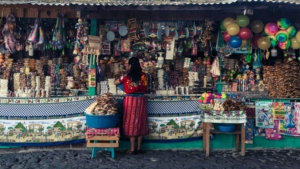 In Guatemala, more than half the population lives in poverty. However, the statistics alone fail to capture the resilience and humanity of those affected. During spring break, The Borgen Project visited communities where survival is a daily endeavor and individuals like Bonita, a grandmother with a boundless work ethic, embodied strength in the face of adversity. Her story illustrated not just hardship, but a quiet dignity stitched together with grit and grace.
Poverty in Guatemala
As of 2024, 54.8% of the population of Guatemala was reported to be living in poverty. Nearly two-thirds of those individuals survive on less than $2 a day. These figures are staggering, yet they only hint at the lived realities behind them. Each number represents a person, a family and a community striving to endure and overcome systemic challenges.
A Firsthand Encounter
The Borgen Project interviewed Bonita, a Guatemalan grandmother raising her grandchildren alone after her husband’s passing. She operates a small store to support her family. Despite limited resources, Bonita welcomed visitors with warmth and generosity, offering food and soda without hesitation. According to a team member, “Bonita was the softest soul and worked for everything she had.”
In these communities, every member makes a contribution. Teenagers assist their families, older women assist with household chores and men labor in the fields. In places where missing work can mean missing a meal, rest is not a luxury—it’s a risk. Survival functions as a full-time occupation.
Clean Water, Clear Impact
Bonita received a water filter from the Filter of Hope organization. The moment marked a turning point, as access to clean water reduces illness, improves work attendance and offers a safer future for children. A team member recalled, “We gave her grandchildren cups of the clean water and they smiled so big it was something I will never forget.” The gesture underscored how basic resources can transform daily life.
Joy in Simplicity
Despite economic hardship, joy remains a constant presence in Guatemalan communities. Children played soccer in the streets using worn-out balls and improvised goals. One child used a plastic bottle as a toy, demonstrating that happiness often stems from connection and community rather than material possessions.
The visit highlighted the contrast between assumed necessities and actual privileges. Clean water, secure shelter and opportunity are not guaranteed for many. Yet dignity persists—not through wealth, but through perseverance and grace in the face of struggle.
The Illusion of Contentment
Gratitude is common among Guatemalans, but it often reflects limited exposure to broader possibilities. Poverty restricts more than material goods; it narrows perspective. Without access to clean water, its absence may not even be recognized as a deficit.
Approximately 70% of Guatemala’s employed population works in the informal sector, characterized by unstable income, limited benefits and slow long-term growth. Female labor force participation remains among the lowest in the region, at around 42%. These structural barriers hinder families like Bonita’s from reaching their full potential.
Why It Matters
Bonita’s story exemplifies the heart of Guatemala—marked by pride, love and resilience. Yet no one should have to endure such burdens alone. Organizations like Filter of Hope provide more than resources; they offer respect and recognition. Many communities have adapted to survive without assistance, but that should not be the expectation.
Poverty in Guatemala is not just a matter of numbers—it is a human issue. It affects mothers, grandmothers and children who deserve more than mere survival. They deserve the opportunity to thrive.
Resilience should not be mistaken for sufficiency. Strength does not negate the need for support and gratitude does not imply contentment. Bonita’s experience reflects millions of others. While she may never ask for help, her story calls for it because she deserves it. Because they all do.
– Marissa Schoth
Marissa is based in Benton, LA, USA and focuses on Good News and Global Health for The Borgen Project.
Photo: Unsplash
