How Thrifting Reduces Poverty in Guatemala
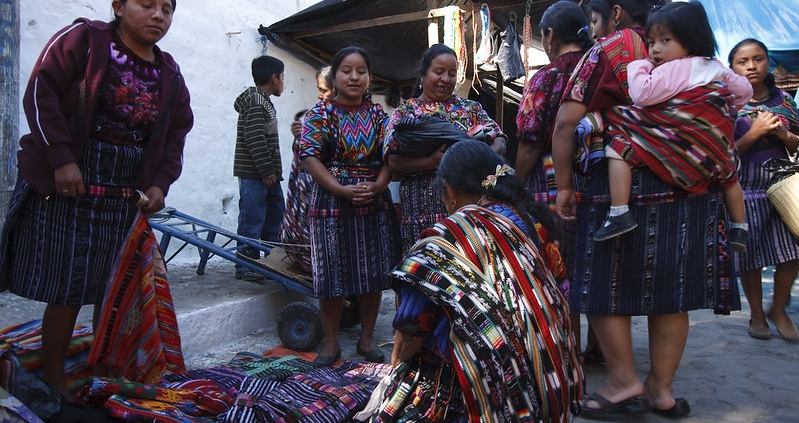 Many people in developing countries rely on second-hand clothing imported from other countries. The second-hand clothing (SHC) sector trades more than 24 billion items annually. As of 2023, the national rate of poverty in Guatemala was 56%. With more than half of the population living in poverty, the ability to afford brand-new clothes is often not possible.
Second-Hand Clothing Industry in Guatemala
According to the Garson and Shaw report on secondhand clothing imports from the United States to Guatemala, in 2023, Guatemala imported 131.25 million kilograms of second-hand clothing, 98.6% of which originated from the United States. HS Code 6309 is an international trade classification for worn clothing used to determine costs and tariffs. People in Guatemala have a high demand for low-cost clothing, as many are unable to meet basic food and health needs. The Guatemalan economy is the largest in Central America and relies heavily on the SHC market to support economic activity.
The largest second-hand retailer in Central America, Megapaca, is based in Guatemala. Megapaca is comparable to the North American company Goodwill, with similarly large stores and a fast turnover rate of clothing.
The SHC market is particularly appealing to women in Guatemala, as a high proportion of people do not complete more than primary or secondary education, with more women than men stopping after primary school. The SHC market is one of the few accessible jobs that generate income for people with limited education. A study conducted by Garson and Shaw found that almost all surveyed participants reported that the SHC market has a positive impact on their families.
Supporting Women Through Fair Trade
The SHC market is a key component of reducing poverty in Guatemala. With a large number of women involved in the sector, it promotes financial independence for women who do not have many other job opportunities.
Trades of Hope is a fair trade company founded by Gretchen and Elisabeth Huijskens in 2010. The organization gives women living in poverty the opportunity to support their families by making clothes, jewelry and bags. Trades of Hope pays these artisans a fair and livable wage and markets their items on its website.
One Guatemalan artisan, Clara, said that she built a workshop in her home so she could work while staying with her children, and that other parents in her village who previously had to travel far for work now work alongside her.
Looking Ahead
With more than half the population of Guatemala living in poverty, second-hand clothing is a necessary industry for people to access affordable clothing and participate in the economy. Companies like Trades of Hope work with women artisans to create stability for them and their families by selling handmade goods at fair wages. The second-hand clothing industry plays an important role in many developing countries in efforts to reduce poverty.
– Kaitlyn Crane
Kaitlyn is based in Rohnert Park, CA, USA and focuses on Good News for The Borgen Project.
Photo: Flickr
