• Link to X
  • Link to Facebook
  • Link to Instagram
  • Link to TikTok
  • Link to Youtube
  • About
    • About Us
      • President
      • Board of Directors
      • Board of Advisors
      • Financials
      • Our Methodology
      • Success Tracker
      • Contact
  • Act Now
    • 30 Ways to Help
      • Email Congress
      • Call Congress
      • Volunteer
      • Courses & Certificates
      • Be a Donor
    • Internships
      • In-Office Internships
      • Remote Internships
    • Legislation
      • Politics 101
  • The Blog
  • The Podcast
  • Magazine
  • Donate
  • Click to open the search input field Click to open the search input field Search
  • Menu Menu

Tag Archive for: Poverty In Guatemala

Posts

Foreign Aid, Global Poverty, Humanitarian Aid

Successful Programs From Foreign Aid to Guatemala

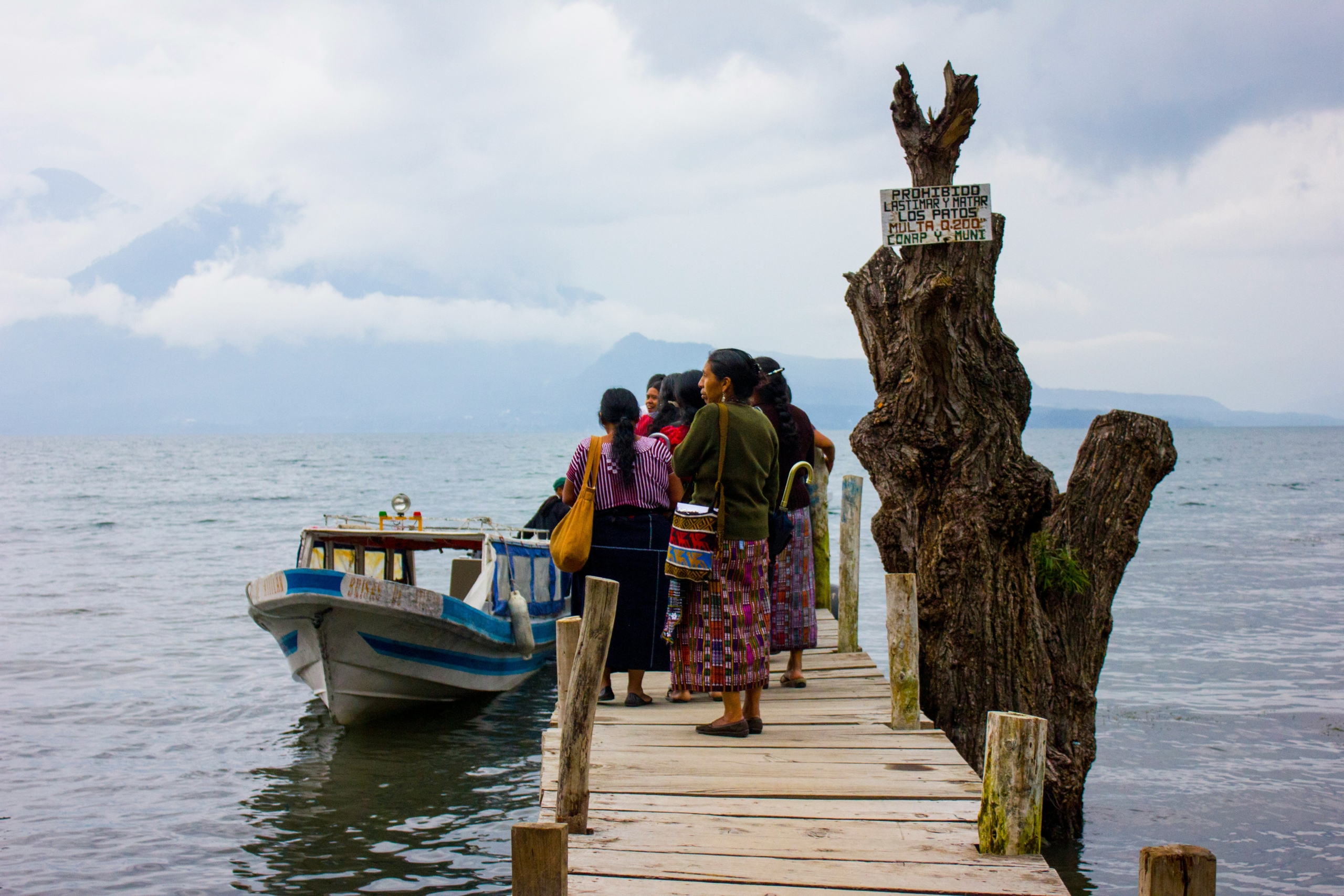
Foreign Aid to GuatemalaWhile Guatemala is home to the largest economy in Central America, 55.2% of Guatemalans lived in poverty in 2023. Because of the country’s high poverty rate, foreign aid to Guatemala is essential to reducing instability and providing Guatemalans with the resources to establish essential services and agricultural production. Guatemala’s high poverty rate could be due to natural disasters, such as hurricanes and droughts, causing agricultural setbacks. Additionally, political instability and violence have hindered Guatemala’s otherwise decent economy. The country is still recovering from a civil war that lasted for 36 years between 1960 and 1996. Without major investments in education, health and agriculture, Guatemalans continue to live in poverty.

US Foreign Aid to Guatemala

According to the Brookings Institute, foreign aid  “aims to support security, as well as the economic, social and political development of recipient countries and their people.” The United States spends about 1% of the annual federal budget on foreign aid. Additionally, the United States is the top contributor of foreign aid to Guatemala, alongside Spain, South Korea and the European Union.

In 2022, the United States provided $117.9 million in foreign aid to Guatemala per a Congressional report. Much of that funding was dedicated to development assistance. In 2023, the United States provided $121.3 million in foreign aid to Guatemala with a focus on humanitarian needs. President Biden has requested $164.5 million in foreign aid to Guatemala for 2024, according to Congressional Research Service.

Foreign aid to Guatemala funds programs aiming to improve the livelihood of Guatemalans and reduce poverty.

World Bank Country Partnership Framework (CPF)

The World Bank’s Country Partnership Framework (CPF) is a project that aims to increase human capital, resilience to natural disasters and climate change, and improve job opportunities in Guatemala. Over four years from 2024 through 2027, the World Bank’s CPF program will spend $2.5 billion to address Guatemala’s wide-ranging issues, according to the World Bank. These initiatives include infrastructure development, greater access to basic services, improved responses to natural disasters and greater access to economic opportunities in urban and rural areas.

Project Concern International (PCI) and USAID

Barrio Mio, a collaboration between Project Concern International (PCI) and USAID aims to reduce disaster risk in Guatemala by “improving urban infrastructure, housing and livelihoods.”

USAID and PCI launched a prototype of the project between 2012 and 2015 with great success. This included safeguarding homes against landslides through structural changes. The project also identifyed high-risk neighborhoods throughout Guatemala to reduce “vulnerability to crises before they happen.” In phase one alone, Barrio Mio improved nearly 3,000 shelters and provided clean water and sanitation for nearly 800 individuals.

While the first phase of Barrio Mio was launched in 2012, the project’s third phase concluded in 2020 with the expansion of the program in Guatemala City. A goal of the third phase was to increase the effectiveness of responses to urban emergencies, according to the ALNAP case study. Guatemala’s government adopted Barrio Mio’s methodology for emergency response and urban upgrading policy for communities that lacked stable infrastructure and essential services, Global Communities reports.

UN Guatemala Humanitarian Response Plan

The United Nations’ 2023 Guatemala Humanitarian Response Plan (HRP) targeted 2.3 million people. The plan focused on protection, food security and nutrition. The HRP targeted four primary groups including children affected by malnutrition, Indigenous and rural families facing food insecurity, people “in situations of human mobility” and people with disabilities.

Of the 4.6 million Guatemalans facing food insecurity in 2023, the HRP targeted roughly 500,000. Additionally, under the HRP, 117 schools were refurbished, allowing over 20,000 children to attend school with “improved educational conditions.” The plan also developed health services across Guatemala.

The Takeaways

Guatemala has faced several setbacks that have negatively affected its population, including climate-related disasters, political instability and economic mismanagement. Foreign aid has greatly helped Guatemalans facing food insecurity, malnourishment and a lack of health and education services.

– Marley Wilson
Photo: Flickr
March 8, 2024
https://borgenproject.org/wp-content/uploads/borgen-project-logo.svg 0 0 Kim Thelwell https://borgenproject.org/wp-content/uploads/borgen-project-logo.svg Kim Thelwell2024-03-08 01:30:282024-03-07 01:41:10Successful Programs From Foreign Aid to Guatemala
Charity, Global Poverty, Nonprofit Organizations and NGOs

5 Charities Operating in Guatemala

Charities Operating in GuatemalaAlthough Guatemala has experienced continued economic stability, this has not yet translated to robust poverty reduction. The country’s poverty and inequality rates are among the highest in the Latin America and Caribbean region. In addition, Guatemala has a large and underserved population that is primarily rural, Indigenous and unemployed. 

In 2023, the World Bank estimated that in Guatemala’s population of about 17 million people, 55.2% could be considered poor. Many efforts and programs to improve the living conditions of the country’s poor have arisen from its abhorrent circumstances. Poverty in Guatemala is estimated to increase by three or four times without the intervention of charities and organizations. These are 5 charities operating in Guatemala that work tirelessly to fill this need. 

Charities Operating in Guatemala

  1. Many Hopes: Many Hopes is a global community of volunteers and fundraisers committed to rescuing and raising children away from the influence of injustice. Thomas Keown established the organization in Boston and started it as a rescue home for girls in Kenya. The charity has grown significantly and has partnered with local leaders in six countries in Africa and Latin America, one of which is Guatemala. Its mission is to equip children to become adults who break cycles of injustice and poverty. The organization runs an onsite elementary school that educates 160 students; it also provides vocational training opportunities and college scholarships. They also provide medical care, food and holistic mental and emotional support to children under its care. 
  2. Creamos: This innovative organization is centered around women’s empowerment and has been active since 2008. Creamos focuses specifically on supporting the thousands of women who live in communities surrounding the Guatemala City Landfill (RSCG). According to the organization’s website, women living on the periphery of the RSCG experience the effects of poverty at a more extreme level. Many compete for scarce resources, have a low education level and experience historical employment discrimination because of where they live. The organization’s goal is to empower the community in three main ways. Firstly, it provides these women with a safe work environment where they can make a livable wage by sewing or making jewelry sold on the website. Creamos also provides the community with psychological support and offers adult education programs. This gives women the flexibility to complete their studies so they can spend more time with their work and families. Creamos has created 151 jobs and has more than 600 active participants supported by the organization’s programs. 
  3. SOS Children’s Villages: Since 1976, SOS Children’s Villages has supported youth without parental care or who are at risk of losing it in Guatemala. Its goal is to assist children impacted by poverty and violence and to support them on their way to independence. The organization currently provides housing for 260 children and young people. In addition, it provides thousands of children and families with nutritious food. Further, SOS Children’s Villages gives many Guatemalan children a space to learn in kindergarten and offers opportunities for further education. 
  4. Water For People: Since 1997, Water For People has helped Guatemalan communities access water, sanitation and hygiene. However, due to the high poverty level in El Quiché, it has mainly focused its efforts there since 2007. The organization works with the district government to build piped water supply systems and to train communities to maintain the systems. It also encourages a system that provides families with the products and services they need to build better bathrooms, as well as loans to finance the improvements. In addition, Water For People treats schools in Guatemala as part of the wider community. So, not only are children taught good hygiene practices in school, but the lessons are combined with education. This reinforces the practices at home and promotes sanitation in the community.
  5. Organization for the Development of the Indigenous Maya (ODIM): ODIM is a charity that started providing humanitarian assistance in the aftermath of Hurricane Stan, in 2005. The organization works on the belief that “compassionate, competent and comprehensive medical care and education” are needed in even the poorest of places. ODIM provides access to affordable primary and preventative healthcare for impoverished communities and Indigenous people. There are two clinics from which the organization runs, and combined, they provide a total of 3,000 treatments each year. ODIM also promotes education and integrative and preventative care that the communities would not have access to otherwise. 

A Vision for the Future

With 66% of the population living on less than $2 per day, poverty is a constant reality for most Guatemalan citizens. These 5 charities operating in Guatemala have sparked meaningful change. From empowering women in impoverished communities to breaking cycles of injustice and poverty, these organizations provide critical and indispensable support by addressing various issues that many Guatemalans face daily.

– Danielle Schaafsma
Photo: Unsplash

March 1, 2024
https://borgenproject.org/wp-content/uploads/borgen-project-logo.svg 0 0 Jennifer Philipp https://borgenproject.org/wp-content/uploads/borgen-project-logo.svg Jennifer Philipp2024-03-01 01:30:032024-02-29 03:12:355 Charities Operating in Guatemala
Global Poverty, USAID

USAID in Guatemala: Growth, Education and Food Security

USAID in GuatemalaGuatemala has enormous potential as a nation, yet as of 2023, 55.2% of its population lives in poverty. Numerous factors contribute to the high percentage of poverty. Those are frequent natural disasters, limited possibilities and ongoing gaps in access to essential services.

However, Guatemala is in a position of significant potential, being rich in natural resources and biodiversity, to capitalize on its proximity to the U.S. for trade, tourism and resource opportunities. Guatemala has yet to reach its full potential for wealth, nevertheless. There are signs of progress, such as the country’s Gini Index Coefficient reduction over the last few decades.

Furthermore, the United States Agency for International Development (USAID) in Guatemala has been present for some time and has far-reaching benefits in education, food security and economic growth. This article will provide a broad overview of how USAID in Guatemala is helping the Guatemalan authorities to alleviate poverty and how current and scheduled programs will build on this.

Education

The Puentes Project “aims to improve skills and abilities for work and access to employment or entrepreneurship opportunities for young people between 15 and 29 years of age.” This type of program is arguably one of the most important since Guatemala is struggling with a staggering 29.6% of its youth population not in education, employment or training. The project aims to enhance opportunities, employment scope, entrepreneurship prospects and adolescent access to social support.

The story of Irma Torres highlights the success of this program. After participating in the Puentes Project, she gained technological knowledge and skills such that she is now a teacher empowering the next generation, significantly improving her income.

Food Security

Like education, food security projects are also essential since rural Guatemalans face some of the most challenging conditions: “Families living in poor rural communities often eat only one meal a day.” This landscape makes it nearly impossible for rural Guatemalans to seek higher living standards and, unfortunately, is estimated to have driven “1.5 million Guatemalans to emigrate in the last 20 years.”

The “Feed the Future” program collaborates with many institutional agents and regional players within Guatemala to reduce poverty through sustainable rural development and increase private sector investment and job creation. The broadness of this initiative has led to several successes, such as the generation of 75,000 jobs since 2017. Further, more than 145,000 small-holder farmers have received help and more than 53,000 people have adopted new technologies for more efficient farming.  Guatemalans who have participated in “Feed the Future” activities have been less likely to return to poverty and more likely to escape growth stunting due to malnutrition.

Economic Growth

Guatemala had a strong recovery from the COVID-19 Pandemic, with GDP growth of 8% in 2021 and 4.1% in 2022. Still, most development depended on the country’s reliance on remittances. A lack of valued opportunity is the most significant driver behind the exodus of Guatemalans over the years. So, USAID in Guatemala seeks to form partnerships with the private sector to strengthen small and growing businesses and remove obstacles to access to finance, markets and large-scale foreign direct investment.

By working with the private sector directly, USAID in Guatemala can strategically provide training for jobs already identified, meet demand and support local economic prosperity.

The organization has heavily invested in manufacturing sectors to incentivize production at home for Guatemala to take advantage of the U.S. market and its benefits through the Dominican Republic-Central America FTA (CAFTA-DR) trade agreement.

Conclusion

The poverty rate among indigenous groups in Guatemala is as high as 79% and it is still a severe worry. USAID is leading several promising initiatives in the country and these efforts have already yielded some good results. Continued success will hinge on the ability of USAID and the Guatemalan authorities to carefully pinpoint decisive geographical and economic areas of the country where socioeconomic development is feasible and sustainable.

– Arshiya Eslamdoust
Photo: Unsplash

February 27, 2024
https://borgenproject.org/wp-content/uploads/borgen-project-logo.svg 0 0 Lynsey 2 https://borgenproject.org/wp-content/uploads/borgen-project-logo.svg Lynsey 22024-02-27 15:00:302024-02-27 03:11:16USAID in Guatemala: Growth, Education and Food Security
Child Soldiers, Global Poverty

Child Soldiers in Guatemala

Child Soldiers in GuatemalaMilitary groups worldwide recruit children and although the U.N. has put measures in place to prevent this, the issue is still prevalent. Their roles are not restricted to only soldiers or gunmen, but spies, messengers, sex slaves and suicide bombers. The U.N. receives regular “reports of children as young as 8 or 9 years old associated with armed groups”. When discussing child soldiers in Guatemala in the present day, separating state and non-state armed groups is essential. Guatemala’s gangs and guerrilla groups rely on child recruitment and, as these are not state institutions, these groups are harder to study or control.
Child Soldiers in the Civil War

From 1960 to 1996 Guatemala stood as a site of internal conflict. The leftist guerrilla movement Unidad Revolucionaria Nacional Guatemalteca (URNG) fought against the Guatemalan Government in the Civil War. In this 36-year war, it was “common practice” for both the national army and the guerrilla groups to recruit children. There is a lack of information on the exact number of child soldiers involved in the war. However, the U.N. estimates that out of the 3,000 members of the URNG, 214 were under the age of 18. Unfortunately, this lack of data meant that, after the war, child soldiers in Guatemala did not receive compensation, or benefit from any reintegration programs.

Progress

In 1992, the U.N. wrote the Convention on the Rights of the Child (UNCRC) to tackle issues of child safety and exploitation. This states that parties cannot recruit anyone under the age of 15 into the armed forces and pushes the State to take preventative measures.

In 2000, the Optional Protocol to the CRC that focuses on the involvement of children in Armed Conflict (OPAC) raised the age from 15 to 18. Guatemala signed both of these documents, however, there is no evidence of progress.

Military Schools

Guatemala’s military schools are a key example of how the state is still subjecting children to violence and ignoring the concerns raised in the CRC and OPAC. Children in these military schools take part in combat training and weapons handling. Many of these military schools do not meet the government’s educational standards and there are numerous complaints of the use of corporal punishment. Child Rights International Network (CRIN) revealed that in 2016 at least three students reported rape by soldiers at the military school Adolfo V Hall.

Even if these children are not legally members of the armed forces until they are adults, they are still victims to and witnesses of violence at such a young age. In these cases, differentiating voluntary and coerced enlisting is extremely difficult.

Child Soldiers in Gangs

Maras are a type of gang in Guatemala and the 2023 CRIN report shows that recruitment is hard to regulate as maras control large residential areas.

The Maras specifically target children on their way to and from school. These children are coerced and threatened into becoming spies or gunmen and many children have been murdered on their way to school for refusing to take part. According to a 2023 CRIN report “Save the Children reports that children as young as 6 are recruited to transport guns…and have been coerced into homicides as young as 13.” This has had a detrimental impact on education. School is no longer a space of safety and learning but “a site of recruitment.” This creates a vicious cycle, as with lower access to education more children turn to gang activity.

Schools of Peace

Save the Children has worked with Guatemalan families suffering from poverty since 1999. In the last year,  Save the Children positively impacted 201,000 young people. Aside from alleviating poverty, Save the Children has created a Schools of Peace project. This project results from education and child protection services working together to prevent any disruption to the education of young people. The initiative interrupts the process of gang recruitment and ensures that schools in Guatemala have the right protection from any danger due to armed conflict.

Save the Children tells the story of 16-year-old Estrella, a daughter of a gang leader. Her life was wrapped in violence and her education was sacrificed until Schools of Peace intervened. She is doing very well at school and works as a youth leader near Las Canoas to help others who have suffered like her.

Toybox

Toybox is a charity that provides young people with safe spaces and communities outside of school. The organization works in the country’s capital, Guatemala City and provides counseling and therapy to young children. It has provided children across the world with psychosocial support. Toybox identified that 10% of annual births in Guatemala are undocumented. This reduces the amount of protection the state can provide in conflict situations.

In 2022, Toybox helped 2,794 children around the world obtain legal identity documents. The charity also holds weekly sports activities to develop and maintain trusting relationships between staff and children. It is setting up a support network for these young people, while also demonstrating that other, more constructive, paths are still viable to children who live under gang rule.

A 2023 CRIN report identifies that poverty exacerbates non-state violence and increases child recruitment. It suggests treating the root cause of poverty to see a drastic difference in the levels of child soldiers in Guatemala. Initiatives such as these are important to show that there is a path out of the violence that dominates their lives.

– Liz Johnson
Photo: Flickr

February 9, 2024
https://borgenproject.org/wp-content/uploads/borgen-project-logo.svg 0 0 Borgen Project https://borgenproject.org/wp-content/uploads/borgen-project-logo.svg Borgen Project2024-02-09 01:30:002024-02-08 22:41:41Child Soldiers in Guatemala
Global Poverty

How Art is Used to Reduce Poverty in Guatemala

Poverty in Guatemala
Guatemala is a country made up of six primary ethnic communities, though the population mostly comprises people belonging to the Mestizo and Maya ethnic groups. These ethnic groups are generationally skilled in creating traditional forms of art, which include weaving, beading and embroidering. More than half the Guatemalan population lives in a highly populated southern mountainous area. Within this region also live the majority of communities that experience poverty in the country. Many individuals from ethnic communities in this region use art to leverage themselves out of poverty in Guatemala.

Poverty in Guatemala

While Guatemala’s GDP has increased by an average of 3.5% over the past five years, high rates of poverty still exist within the country. About 59.3% of the Guatemalan population (9.4 million people) live below the poverty line. In surrounding Latin American and Caribbean (LAC) regional contexts, the average per capita growth is 1.6%. Due to high population growth rates since 2000, Guatemala’s recent annual per capita growth is only 1.3%. High population growth rates are, in part, caused by a young population, with a median age of 23.2 years.

The Literacy Gap

Guatemala also experiences lower rates of literacy among women than men. As of 2018, 85.3% of men and 76.7% of women were literate in Guatemala. Between 2002 and 2014, literacy rates among women improved by 13.03%. In recent years, organizations like MayaWorks have worked to address the low literacy rates among women in Guatemala. MayaWorks is a nonprofit organization that partners with women from rural communities to transform artisanal skills into sustainable businesses. Across 125 partnerships that MayaWorks has established with skilled Guatemalan artisans, more than 40% of women have never received a primary education — and therefore lack literacy skills. Through one program, MayaWorks offers women in rural Guatemala access to primary education to improve their literacy. Business and literacy training programs enable women to not only improve situations for their families and communities but also to decrease overall rates of poverty in Guatemala.

Supporting Women’s Education and Entrepreneurship

MayaWorks has shared stories of how business and literacy training programs can relieve women suffering from poverty in Guatemala. The Tz’utujil indigenous group makes up 30% of the Maya ethnic population and is primarily in a rural highland region of Guatemala. Women from this ethnic group are skilled in creating Maya-style crafts, including cultural staples such as crochet, hand weaving and treadle foot loom weaving. With the help of MayaWorks, more than 52 Tz’utujil women from Santiago Atitlán are leveraging their artisan skills and sharing their cultural forms of expression with businesses in the United States. These partnerships allow for extended solutions to both local and national poverty in Guatemala through international support. Meanwhile, the international business of Mayan artists is strengthening relations between Guatemala and the United States.

The work of Mayan artisans, combined with the financial and educational support of MayaWorks, has already begun to alleviate poverty in Guatemala. Overall literacy levels for Guatemalan women have increased, which has also led to the employment of more women within the country’s workforce. According to the World Bank, employment rates for women in Guatemala have reduced from 45.6% in 2000 to 37.84% in 2019. On a localized level, while many women are now able to obtain security for their families and communities, there are still challenges for women to gain employment. However, MayaWorks promises to help Guatemalan women become successful. Above all, working with MayaWorks equips women to be self-sufficient in running businesses and managing finances. This results in a generationally sustainable, long-term solution for reducing poverty in Guatemala.

– Lilia Wilson
Photo: Pixabay

July 24, 2020
https://borgenproject.org/wp-content/uploads/borgen-project-logo.svg 0 0 Jennifer Philipp https://borgenproject.org/wp-content/uploads/borgen-project-logo.svg Jennifer Philipp2020-07-24 14:35:032022-04-22 06:39:11How Art is Used to Reduce Poverty in Guatemala
Global Poverty

Poverty in Guatemala

Poverty in Guatemala
Guatemala is a Central American country that borders Mexico and Belize to the North, and Honduras and El Salvador to the Southeast. With a population of 16.3 million as of 2018, Guatemala is the most populous country in Central America. Of the country’s total population, estimates have determined that more than 40% are indigenous, and approximately 75% of them live in poverty. Although most demographics in the country face poverty, rural indigenous communities feel the effects most acutely.

Second-Highest Level of Poverty in the Americas

Poverty in Guatemala is disproportionately high for the country with the largest economy in Central America; while Guatemala had a Gross Domestic Product (GDP) of $75.62 billion in 2017, it also has the second-highest poverty rate in the Americas. Since 2006, poverty has grown. Approximately 2 million people slid below the poverty line (measured by an income of less than $5 USD per day) from 2006 to 2014. During the same window of time, around half a million slipped into extreme poverty ($1.90 USD or less per day). According to a national survey, the poverty rate among indigenous, predominantly rural communities is as high as 79%.

Poor Distribution of Resources

Extreme socioeconomic and geographic inequality largely characterizes the nature of poverty in Guatemala. As many as eight in 10 citizens living in rural municipalities live in poverty. One study found, from a sample of six other Latin American countries, that Guatemala had the poorest distribution of health and educational resources. Access to health resources and quality education is key in enhancing social mobility and bringing individuals out of poverty. Poor distribution of these resources in rural areas fortifies the regional cycle of poverty between contributing to lower life expectancy and limiting opportunities for education.

Additionally, chronic malnutrition debilitates poor Guatemalan communities; the level of malnutrition in Guatemalan children—47% as of 2019—is the highest of all the Latin American countries, and among the highest globally. This aggravates the cycle of poverty as well. Malnutrition burdens the already-limited health care system and stunts the local economic potential by reducing the physical and intellectual capability of youth. While many families traditionally subsist on agriculture to feed themselves, chronic drought has left many of these communities fully reliant on overseas remittances for survival.

Effects of the Coronavirus

As is the case in many countries, experts anticipate that poverty in Guatemala will increase as a result of COVID-19. In addition to the uneven allocation of health resources, the country’s poor have also suffered under strict lockdown rules, job loss and an enormous reduction in overseas remittances. The country reported a 17.2% loss in remittances corresponding with the rising unemployment rate in the U.S. These remittances not only make up approximately 12% of the country’s Gross Domestic Product but directly impact those families that rely on that form of income to feed themselves.

Additionally, stay-at-home orders have effectively collapsed the country’s informal economy, in which 70% of Guatemalans participate. Unregulated by the government, the informal economy comes with no formal protections or benefits in the event of labor loss. Similarly, official reports of unemployment in Guatemala are disproportionately skewed, as only 30% of Guatemalans work in the formal sector; this allows for employment statistics to disproportionately represent the number of individuals at risk of slipping into poverty.

NGOs Working to Help

Both domestic and international NGOs have turned their attention to meeting the challenges of poverty; these include issues both introduced and aggravated, respectively, by the COVID-19 pandemic. The humanitarian group Plan International presently tracks food prices via telephone surveys throughout Guatemala, identifying which regions are most food insecure.

The locally-based Konojel Community Centre is working to adapt its boots-on-the-ground services, suspending traditional programs aimed at reducing child malnutrition in order to distribute food packages to the community’s most vulnerable families. Simultaneously, Konojel Community Centre’s director is currently pushing the Guatemalan government to apply for loans from the World Bank and Inter-American Development Bank to lessen the blow of economic crisis in vulnerable areas.

This comes at a time that Konojel Community Centre, like many NGOs at present, is hard-pressed for funding with the sharp decline of the global economy. Despite the circumstances, these NGOs are working to prevent as much loss of progress on malnutrition and poverty in Guatemala as possible.

– Alexandra Black
Photo: Flickr

July 14, 2020
https://borgenproject.org/wp-content/uploads/borgen-project-logo.svg 0 0 Jennifer Philipp https://borgenproject.org/wp-content/uploads/borgen-project-logo.svg Jennifer Philipp2020-07-14 01:30:362022-03-08 10:38:46Poverty in Guatemala
Global Poverty

Top 10 Facts About Living Conditions in Guatemala

Top 10 Facts About Living Conditions in Guatemala
Guatemala is a stunning country with a diverse landscape of mountains, rainforest and volcanoes. Home to ancient Mayan ruins, the country has a rich history and culture, and while the official language is Spanish, many indigenous languages still persist. With a history of civil war and natural disasters, however, Guatemala suffers from a number of problems including poverty, food insecurity, low education rates and poor health care. Below the top 10 facts about living conditions in Guatemala are presented.

Top 10 Facts About Living Conditions in Guatemala

  1. Guatemala has a population of more than 17 million people and over half of them live below the national poverty line of $2 a day. Indigenous persons and those residing in rural areas are disproportionately affected by poverty.
  2. The United Nations Human Development Index ranks 187 countries by different criteria such as life expectancy, education and living standard. Guatemala is listed at number 127 on this index compared to the United States, for example, that ranks 13. This is a result of a variety of factors, including low life expectancy and education rates, and high levels of poverty and inequality.
  3. Agriculture employs the majority of the workforce on coffee, sugar and banana plantations. However, farm workers make only $3-4 a day and work is often seasonal, leaving many people in deep financial crisis in offseason. Additionally, less than two percent of farmers own 57 percent of arable land, which suggests unequal wealth distribution.
  4. Not having access to clean drinking water allows the spread of waterborne diseases such as typhoid and hepatitis. With the help of nonprofit organizations such as Water for People and Charity Water, access to clean water in the country has increased significantly over the years and Guatemala met the Millennium Development Goal to cut the number of citizens without drinking water in half by 2015. Sanitation, however, remains a greater issue, with only 61 percent of those in rural areas with the access.
  5. Guatemala is the most malnourished country in Latin America and the Caribbean with 46.5 percent of children under the age of 5 that are stunted. Corn is a staple in Guatemalan diet and many families cannot afford nutritious alternatives since two-thirds of the population lives on less than $2 a day. Food insecurity results in health complications as well as lowered educational achievement.
  6. Many Guatemalans still cook over wood-burning stoves. Without a chimney, the smoke remains in the kitchen and is inhaled by those that cook, causing lung diseases, respiratory infections, eye damage and even cancer. Unfortunately, most people cannot afford to upgrade to a safer stove because the cost of fuel associated with it is too high.
  7. Access to health care remains an issue for many Guatemalan citizens, especially for those outside of urban areas. The average life expectancy is 73 years. Indigenous persons have a significantly lower life expectancy, and indigenous women in childbirth die three times as often as the rest of the population.
  8. Guatemala suffers from a serious housing crisis. More than half of citizens have inadequate housing and land rights remain an issue, with around 1 percent of the population owning 60 percent of the land. Many families live in homes with dirt floors with parasites which cause different illnesses. Humanitarian groups like The Guatemala Housing Alliance and Habitat for Humanity are helping build homes and communities to address this problem and improve the lives of many Guatemala citizens.
  9. Education rates in Guatemala are extremely low, with the average child remaining in school for just 10 years. This particularly affects young girls, children in rural areas and those belonging to indigenous groups. Less than three percent of the GDP goes for schooling improvements, which ranks the country in the last place in Latin America. Furthermore, only 10 percent of rural schools have books.
  10. Internet access is an uncommon thing in Guatemala, with only 34.5 percent of the population with internet access. Legislation in the United States, such as the Digital Global Access Policy (GAP) Act, is aimed at promoting internet access in developing countries to increase economic growth and innovation, and consequently to alleviate poverty. This bill has been passed in the House and a companion bill will soon be introduced in the Senate. If this bill is to be signed into law, countries such as Guatemala would greatly benefit from it. Readers of the Borgen Project can contact decision makers directly through the website, specifically this link.

These top 10 facts about living conditions in Guatemala demonstrate the persisting issues facing the country. Government prioritization of these matters, as well as aid from foreign governments and international humanitarian groups, would greatly improve the lives of many Guatemalans who continue to suffer in poverty.

– Georgia Orenstein
Photo: Flickr

November 11, 2018
https://borgenproject.org/wp-content/uploads/borgen-project-logo.svg 0 0 Kim Thelwell https://borgenproject.org/wp-content/uploads/borgen-project-logo.svg Kim Thelwell2018-11-11 07:30:302019-08-13 12:31:00Top 10 Facts About Living Conditions in Guatemala
Global Poverty

Top 10 Facts About Poverty in Guatemala

Top 10 Facts About Poverty in Guatemala
One of the strongest economic performers in Latin America in recent years, Guatemala’s GDP has steadily grown. However, the benefits of this economic growth have not been realized by a large portion of Guatemalan society, particularly the indigenous population. The top 10 facts about poverty in Guatemala reveal that, while it is a country with tremendous economic potential, several institutional changes must occur before the welfare of all the people in Guatemala can improve.

Top 10 Facts about Poverty in Guatemala

  1. Poverty affects the majority of Guatemalan citizens. In 2014, the poverty rate estimations were about 60 percent. But even more astounding than this estimate is the fact that today almost 40 percent of the population is affected by extreme poverty, meaning that they live on $1.50 or less each day.
  2. Forty percent of the population is employed in the industry. Guatemala has long depended heavily on its agricultural sector for export revenues and its overall economic stability has been correlated with the performance in this sector. Despite the importance of the sector, the majority of the seven million Guatemalans employed in the agricultural sector receive insufficient wages.
  3. Guatemala is still recovering, both economically and socially, from its civil war. The war lasted 36 years, from 1960 to 1996, instilling a deep division between the government and its opposition, the rural poor, a large portion of which were indigenous Mayans. The divisions and mistrust between the poor population and the Guatemalan government still persist.
  4. Indigenous peoples in Guatemala face disproportionate levels of poverty and human development than non-indigenous people. With 60 percent of indigenous Guatemalans living in extreme poverty, it is clear that the government must address the institutional practices contributing to their social exclusion and economic deprivation.
  5. Rural inhabitants have little access to education, due to a lack of investment from the government. Many rural areas do not have schools at all, necessitating a long and expensive commute for rural families. With the current state of poverty in Guatemala, many rural families cannot afford to send their children to school. Low levels of education have contributed to a low literacy rate of 81.5 percent.
  6. Guatemala’s tax system has historically been weak, making it difficult for the government to institute welfare programs and invest in infrastructural development. Tax evasion has long been a problem in the country with an estimated evasion rate of 34.2 percent in 2015.
  7. There is an extreme level of income disparity in Guatemala, with less than 1 percent of the population in control of half of the country’s wealth.
  8. Violence and extortion in Guatemala are rampant and largely associated with economic deprivation. In 2015, the Honduran newspaper, La Prensa, found that Guatemalans involuntarily paid $61 million to organized crime groups. These organized crime groups have reportedly infiltrated state institutions, allowing them to operate above the law. Unchecked violence and extortion have driven thousands of Guatemalans to seek asylum in the United States.
  9. In 2016, Guatemala received a $250 million loan from the Inter-American Development Bank (IDB) targeted toward improving tax collection and raising tax revenues. Historically, the IDB has played the role of financier and consultant for sustainable, poverty-reducing development in Latin American countries.
  10. The United States provided $297 million of aid to Guatemala in 2016. The U.S. Agency for International Development has given $9.8 million thus far in 2018 in order “to create a Guatemala in which economic opportunity exists and irregular migration is not necessary in order to find success.”

The top 10 facts about poverty in Guatemala demonstrate that by working to solve the issues of its neighbors, the United States can solve issues of its own in ways that will prove to be constructive for all parties involved.

Achievement of long-term social and economic objectives rest on the U.S. State Department’s commitment to Guatemalan aid and the Guatemalan government’s commitment to collaborate with international supporters.

Beyond this, the Guatemalan government must address the fundamental inadequacies within its current institutions that have disproportionately affected rural and indigenous people.

– Julius Long

Photo: Flickr

October 23, 2018
https://borgenproject.org/wp-content/uploads/borgen-project-logo.svg 0 0 Borgen Project https://borgenproject.org/wp-content/uploads/borgen-project-logo.svg Borgen Project2018-10-23 07:30:022024-05-29 22:57:22Top 10 Facts About Poverty in Guatemala
Hunger

Top 10 Facts About Hunger in Guatemala

Top 10 Facts About Hunger in GuatemalaAmid beautiful landscapes, active volcanoes and a diverse Indigenous population, Guatemala suffers from malnutrition and hunger. Many factors including climate threats, poverty, lack of education and low sanitation have contributed to this crisis over time. With Guatemala’s population growth rate among the highest in Latin America, combating hunger has never been more important. The top 10 facts about hunger in Guatemala below demonstrate the need for help from the global community and the actions taken so far.

Top 10 Facts About Hunger in Guatemala

  1. Two-thirds of the Guatemalan population live on less than $2 per day. Due to this poverty, many cannot afford the most basic food items, causing Guatemala to have the highest rate of stunted growth in children under the age of 5 in Latin America and one of the highest rates in the world. Overall, the stunting rate is just under half of the young population (46.5%) but reaches up to 90% of children in certain areas.
  2. At 47%, this nation has the sixth-highest prevalence of chronic malnutrition in the world. In indigenous areas, however, the malnutrition rate can reach up to 70%.
  3. Hunger is exacerbated by the problem of inequality in Guatemala. The World Food Programme (WFP) finds Guatemala to have the third highest gender inequality index in Latin America, making Guatemalan women unable to support the nutrition of their children. Furthermore, the indigenous population is particularly impacted by conditions in the country—80% experience poverty. Hunger, malnutrition, poor health and little education are some of the everyday challenges facing Indigenous people.
  4. Natural disasters and climate change intensify the effects of poverty in Guatemala. In the Dry Corridor, for example, periods of excessive rain along with prolonged droughts have threatened the livelihood of subsistence farmers in the region. As food security and agricultural profits plummet, Guatemalans have been forced into eating far less nutritious meals, fallen into debt, and even fled the region.
  5. Food insecurity has followed a worrying trend in Guatemala. In 2023, lack of access to adequate nutrition reached its highest and most prevalent point throughout the nation as a result of climate change’s effects on farming.
  6. The legacy of the Guatemalan Civil War continues in the form of land inequality and the dependence of many Guatemalans, especially indigenous ones, on crops produced by others. With much of their land taken during the war to be used for cash crop plantation farming, Indigenous Guatemalans are especially susceptible to hunger in response to disruptions in the food supply chain.
  7. One of the factors contributing to stunting and hunger in children is the age at which females are having children in Guatemala. Most child rearing starts during adolescence and over 40% of girls have given birth by the time they are 19. Because younger girls tend to be more malnourished than older Guatemalan women, a cycle has been created where the children of these young girls end up malnourished and stunted as well.
  8. Guatemala’s government has taken action to prevent malnutrition. It implemented a plan to increase the yearly budget for nutrition and food by 2.5% and launched its Great National Crusade for Nutrition to reduce malnutrition through an emphasis on maternal care, disease prevention, and an expansion of health care throughout the nation. In addition, Indigenous Guatemalans have secured seats in government councils on nutrition and food security so that particularly hard-hit, indigenous areas receive the treatment and prevention tactics they deserve.
  9. USAID has also taken action to end hunger in Guatemala. Food for Peace offers cash transfers to Guatemalan households living in poverty. Furthermore, the organization shows special attention to women’s financial success and promotes nutritional education.
  10. The World Food Programme (WFP) is ending hunger in Guatemala in several ways. One program works with the government to offer nutritious food to infants and students, prepare the nation for natural disasters interrupting the food supply, and facilitate cash-for-training programs to allow families to buy food. It also supports small farms and provides humanitarian assistance during disasters.

While hunger persists in Guatemala today, there is hope that increased awareness of the top 10 facts about hunger, combined with efforts from multiple governments and organizations, will lead to significant results in the years to come.

– Alexandra Eppenauer and Cole Zickwolff
Photo: Flickr
Updated: October 17, 2024

September 17, 2018
https://borgenproject.org/wp-content/uploads/borgen-project-logo.svg 0 0 Borgen Project https://borgenproject.org/wp-content/uploads/borgen-project-logo.svg Borgen Project2018-09-17 01:30:162024-10-18 05:41:53Top 10 Facts About Hunger in Guatemala
Global Poverty

8 Facts About Poverty in Guatemala and Ways to Get Involved

Poverty in Guatemala
Chase Mangrum, a rising senior at Harding University majoring in Exercise Science and minoring in Medical Missions, recently spent six weeks in Guatemala in May and June as part of Health Talents International’s Medical Evangelism Training. She covered some ground during her trip, traveling to four different spots in total, and accomplishing a wide array of activities, such as taking Spanish language classes, living with multiple host families and working in local medical and dental clinics along the way. Mangrum came back equipped to share observations in an interview with The Borgen Project that underscore eight major facts about poverty in Guatemala.

8 Facts About Poverty in Guatemala

  1. Wealth distribution is unbalanced. Mangrum observes that bigger cities like Guatemala City, Antigua and Xela are modern and prosperous, but the villages she visited like Chicacao, Suchitepéquez along the coast and Chichicastenango, El Quiche in the highlands, were poorer. However, she also admits that the differences between wealth in towns and villages is not completely straightforward, explaining, “People who live in the smaller towns may seem to have more than those out in the villages, but they don’t own any land so most times they are still what you would consider impoverished.” Statistics corroborate Mangrum’s experiences. The vast majority of the population does live in poverty. Though those in the big cities are relatively better off, still 75 percent of the population lives in poverty and 58 percent in extreme poverty.
  2. The indigenous, non-Spanish-speaking population has limited access to education and opportunities. She noticed stark differences between Chicacao, where the majority of inhabitants are descended from Spanish colonists and speak Spanish, and Chichicastenango, where the predominant language is a Mayan dialect called Quiche. Again, statistics back up Mangrum’s observations. More than 90 percent of the indigenous population survives on an income below the poverty line, a higher percentage than the average for Guatemala.
  3. Water systems and waste management remain undeveloped and unhygienic in many parts of Guatemala. Mangrum shares: “The homes I stayed in had a water source but it was not pure; [w]e had to filter our water to drink. Some places have flushing toilets and showers, but there are many places that are latrine only and people take bucket showers.” Many of the country’s water systems are considered to be in partial or complete failure by Water for People. However, hope exists as 93 percent of Guatemalans have access to improved water, and the rural population only lags a little behind, with 87 percent access.
  4. Many depend on farming inherited land as their sole source of income, contributing to cyclical poverty in Guatemala. As 65 percent of the land is controlled by 2.5 percent of farms, land is passed down through families and most consider farming one of their only options. Do to perceived limited opportunities, many Guatemalans whose parents lived in poverty remain trapped in poverty.
  5. Guatemalans often depend on informal jobs for their income. The United Nations estimates that 70 percent of Guatemalans are employed informally, meaning they do not receive any kinds of benefits that come from a formal contract and employer.
  6. Inexpensive diets of rice and tortillas resulting from poverty in Guatemala make diabetes a prevalent issue. Mangrum believes Type 2 diabetes is the most prominent health issue she encountered in Guatemala. She related this to the corn tortillas that were a cheap diet staple for many of her host families. At seven and a half percent, the diabetes rate in Guatemala is not beyond help, but 47.7 percent of the population is overweight, 16.4 percent of the population is obese and 12.4 percent of the population is considered physically inactive. All of these risk factors make potential growth rates of diabetes a concern.
  7. Fatalistic views from generations of poverty in Guatemala have caused rampant dental hygiene problems. Tooth decay is one of the main issues seen by dentists in Guatemala, attributed to lack of personal knowledge and prioritization of dental hygiene, fluoride lack and unhealthy diets. Mangrum explains this worldview she encountered as a hopeless belief that because one’s parents had bad teeth, no amount of prevention can keep the next generation from having bad teeth as well. This meant that most of the patients Mangrum saw during her time in local dental offices came to have their teeth extracted rather than having preventive check-ups. Mangrum sees a lot of hope for addressing poverty in Guatemala through medical missions. She says, “In societies like Guatemala where there [are] still traditional healing practices that influence health care, it is crucial to address the patient’s spiritual health. Many times they believe they are sick due to an unbalance in their body and spirit or that something in their life like sin is affecting their health.”
  8. Poverty in Guatemala cyclically continues because many Guatemalans cannot afford education past elementary school. Most Guatemalan children must help provide for their families, making secondary education a luxury few can afford. Enrollment in primary school is very successful, nearly 100 percent, but more than two million Guatemalans from ages 15-24 do not meet the criteria to enter the workforce. Therefore, they remain on those family farms, excluded from the economy by the farming elite, or they join the informal workforce, and therefore in poverty.

Ways to Get Involved

Thanks to Mangram’s on-the-ground perspective, one can see the validity of these top eight facts about poverty in Guatemala. With such an eye-opening view, many may ask what can be done to aid in some of these issues; one of the best methods is emblematized by Magnum — go offer assistance directly in the country itself through established aid organizations.

Other options are more remote in nature — contacting representatives in favor of foreign aid legislation, donating to sustainable outreach and development programs, sponsoring local businesspeople — but no matter the route, aid to Guatemala can be as effective and eye-opening as in Mangram’s journey.

– Charlotte Preston
Photo: Flickr

August 17, 2018
https://borgenproject.org/wp-content/uploads/borgen-project-logo.svg 0 0 Borgen Project https://borgenproject.org/wp-content/uploads/borgen-project-logo.svg Borgen Project2018-08-17 01:30:482024-05-29 22:52:438 Facts About Poverty in Guatemala and Ways to Get Involved
Page 4 of 512345

Get Smarter

  • Global Poverty 101
  • Global Poverty… The Good News
  • Global Poverty & U.S. Jobs
  • Global Poverty and National Security
  • Innovative Solutions to Poverty
  • Global Poverty & Aid FAQ’s
Search Search

Take Action

  • Call Congress
  • Email Congress
  • Donate
  • 30 Ways to Help
  • Volunteer Ops
  • Internships
  • Courses & Certificates
  • The Podcast
Borgen Project

“The Borgen Project is an incredible nonprofit organization that is addressing poverty and hunger and working towards ending them.”

-The Huffington Post

Inside The Borgen Project

  • Contact
  • About
  • Financials
  • President
  • Board of Directors
  • Board of Advisors

International Links

  • UK Email Parliament
  • UK Donate
  • Canada Email Parliament

Get Smarter

  • Global Poverty 101
  • Global Poverty… The Good News
  • Global Poverty & U.S. Jobs
  • Global Poverty and National Security
  • Innovative Solutions to Poverty
  • Global Poverty & Aid FAQ’s

Ways to Help

  • Call Congress
  • Email Congress
  • Donate
  • 30 Ways to Help
  • Volunteer Ops
  • Internships
  • Courses & Certificates
  • The Podcast
Scroll to top Scroll to top Scroll to top