10 Facts About the Senegal Poverty Rate
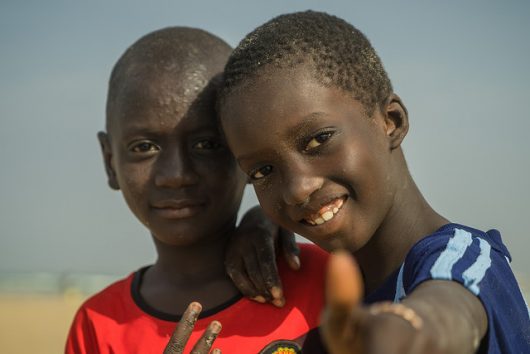
According to the World Bank, Senegal, the westernmost country in Africa, is home to about 17 million people. According to the United Nations Development Programme (UNDP) 2023 Multidimensional Poverty Index report, more than half of Senegal’s population (50.8%) is multidimensionally poor. Furthermore, an additional 18.2% is “classified as vulnerable to multidimensional poverty.” The following 10 facts help explain and contextualize the Senegal poverty rate.
- The Senegal poverty rate is determined based on consumption. Estimates of consumption per household are divided by the number of adults; this number excludes children, who are assumed to consume less than adults. From here, a minimum acceptable consumption standard is calculated and individuals below this level of consumption are considered poor or living below the poverty line.
- Geographic disparities in poverty exist between rural areas and Dakar, the capital and largest city in Senegal. In rural areas, 57% of residents are considered poor, more than twice the poverty rate of Dakar.
- As of 2019, about 32% of Senegal’s population lived on $1.90 or less daily, declining from 38% in 2011.
- Senegal’s gross national income as of 2016 was $950.
- Senegal’s economy relies heavily on industries such as mining, construction, agriculture, fishing and tourism, as well as foreign aid and remittances. Nearly 75% of the population works in the agricultural sector, regularly threatened by inclement weather, such as drought and other climate changes.
- Senegal has a poor economy and as a result, many Senegalese people emigrate to other countries. An economic crisis in 1970 ignited migration, accelerating even more by 1990. Many migrants left for Libya and Mauritania, searching for opportunities in their thriving oil industries. Others went for more developed countries such as France, Italy and Spain for other economic opportunities.
- Senegal’s gross domestic product (GDP) rose by an average of 4.5% from 1995 to 2005. After 2005, however, while the rest of Africa enjoyed economic growth, Senegal’s economy started to decline. From 2005 to 2011, Senegal’s economy rose at an average rate of 3.3 percent. Economic growth decline, especially from 2005 to 2011, can be attributed to drought, floods, rising fuel prices and the global financial crisis.
- The World Bank reported that Senegal’s GDP growth is too low for significant poverty reduction.
- The fertility rate in Senegal is almost 4.4 children per woman. Young people comprise a large portion, 60%, of the Senegalese population. Additionally, Senegal has an illiteracy rate of 40% and a high unemployment rate of 22.3%, both of which provide dim outlooks for Senegalese youth. According to the Hunger Project, 22% of children aged 5 to 14 are working and not attending school.
- Unlike many countries facing extreme poverty, Senegal has one of the most stable governments in Africa and is considered a model for democracy. Since its independence from France in 1960, Senegal has elected four presidents and witnessed three peaceful political transitions.
Final Remark
Despite Senegal’s high poverty rate, many projects have been implemented to reduce it. President Macky Sall, who served from 2012 to 2024, unveiled the Emerging Senegal Plan (ESP), which prioritizes economic reforms and growth. The International Monetary Fund assisted the ESP from 2015 to 2017. In addition to the government’s efforts, the Hunger Project, through its Epicenter Strategy, empowers impoverished people in Senegal to end their poverty and hunger.
Economic growth will be the key component in reducing poverty in Senegal. Projects involving the Senegalese government and other organizations will spark this economic growth, which would, in turn, help to reduce the poverty rate.
– Christiana Lano
Photo: Flickr
Updated: May 27, 2024
