4 Women Showing Female Leadership in Nepal
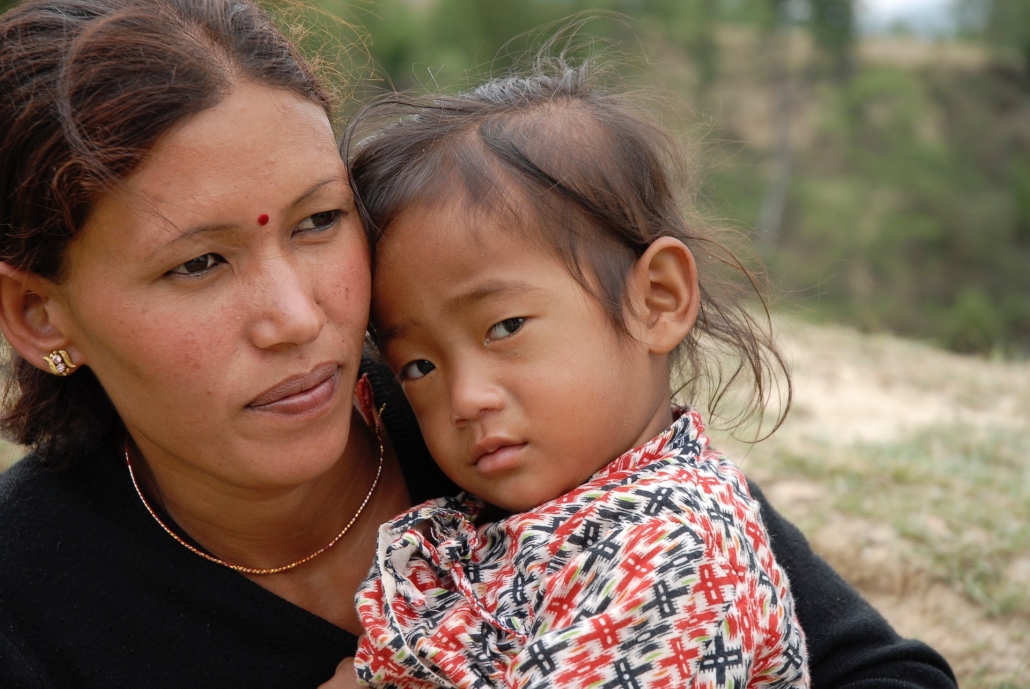
When many people think of Nepal, they imagine the Himalayas, the Mt. Everest base camp and some of the most culturally and ethnically diverse people. What these people fail to think of is the highly patriarchal society that is also Nepal. Luckily, there are four women showing female leadership in Nepal to improve life for women and girls.
The Situation
Nepal is notorious for its discrimination against women in almost every aspect of life. The literacy rate for females is significantly lower than it is for males, with only 44.5 percent of females being literate compared to 71.6 percent of males. Superstitious beliefs say that women are the reason for Nepal’s poor status in the global context. The reality, however, is that Nepal remains one of the poorest countries because of gender discrimination. Nepal eliminates half of its labor force participation rate by preventing women from seeking education and job opportunities, and this contributes to its rising poverty crisis as women are the most susceptible to poverty.
At least 75 percent of Nepal’s citizens are in poverty, with over half those citizens being females. Eighty percent of Nepalis report that their quality of life has gone down in the last five years.
Despite the ongoing oppression against females, there are Nepali women who are finding a way to make their mark in the country. The following four women show how Nepali female leadership can assist in the war on poverty in Nepal, breaking the barrier and making footprints for others to follow.
4 Women Showing Female Leadership in Nepal
- Renu Sharma: Renu Sharma is the co-founder and current president of The Women’s Foundation Nepal (WFN), as well as an accomplished Nepali woman, leading a non-governmental organization that helps women and children in Nepal. The organization, established in 1988, provides shelter homes, access to education, training and micro-credits for women and children who are victims of violence, abuse or poverty. WFN has helped over 150 women and children find a home and gain access to medical and legal support. It has also aided in over 450 children receiving education until the 10th grade and 3,000 women obtaining training to pursue careers in local businesses or teaching. Additionally, it has given out at least 1,000 scholarships to those pursuing higher education. WFN is looking to expand its projects to cover a larger population and eventually become self-sustainable, but to do so, it needs further support. If the mission of Renu Sharma and her colleagues is inspiring, consider these options. As this article will continue to show, a small action or a quiet voice can have a lasting impact.
- Bidhya Devi Bhandari: Bhandari is the country’s first woman president and has been carving the path for her fellow females since the beginning of her political career, when she served as the Minister of Defence. As of today, people credit Bhandhari with increasing female representation in the government and providing females more opportunities. Bhandhari served as the chair of the All Nepal Women’s Association, where she understood the importance of increasing Nepali female leadership in the nation. Throughout her position as President, Bhandari has ensured that a third of all politicians in Nepal are women and that all women in the country have legal rights. Bhandari’s next steps include increasing the opportunities for education for young girls and developing a gender-responsive budget system that will prevent women from falling into poverty due to an unfair wage gap.
- Sushila Karki: Appointed the first female Supreme Court Justice at the Supreme Court of Nepal, Sushila Karki made major contributions to fixing poverty and women’s rights in the country. Known for her zero tolerance for corruption, Karki has increased enforcement against corruption and brought many organizations and individuals to justice. Karki also believes in the emancipation of women, and she has worked to ban the practice of chhaupadi, which is when women become separate from society during menstruation. By increasing the punishment for chhaupadi, Karki has reduced the presence of the practice, and she hopes that her followers will continue to maintain a strict policy that will eventually eradicate the practice. Chhaupadi is a major contributor to female poverty, and by reducing its prevalence in society, Karki hopes that fewer females will find themselves homeless or jobless.
- Samjhana Pokhrel: Serving as chairperson for the NGO Jagaran Nepal (JN), Pokhrel has helped the organization move mountains in the past 10 years. JN is a leading organization that works to equalize women’s participation in society, whether that be in politics, the classroom or the family. Under Pokhrel’s leadership, the organization has advocated for human rights and social protection for all women, regardless of class. The organization has also implemented programs across the country that focus on women’s economic empowerment, women’s reproductive health, anti-violence movements and young girl’s education; the primary reason girls do not receive adequate education is due to health concerns, such as menstruation and violence, both of which force girls to drop out of school and eventually fall into poverty. Samjhana’s mission with JN is to create a program that hears the voices of women in need and acts on it, reducing their susceptibility to poverty.
Nepal’s struggles with poverty are far from over, but these women are taking steps to combat it any way they see possible. By setting examples in Nepali female leadership, these women are forging a path that others can follow. As Nepal continues to make an effort to support women and close the gender gap that exists, the country is making progress in reducing its poverty.
– Shvetali Thatte
Photo: Flickr
