The Advances of Somali Women
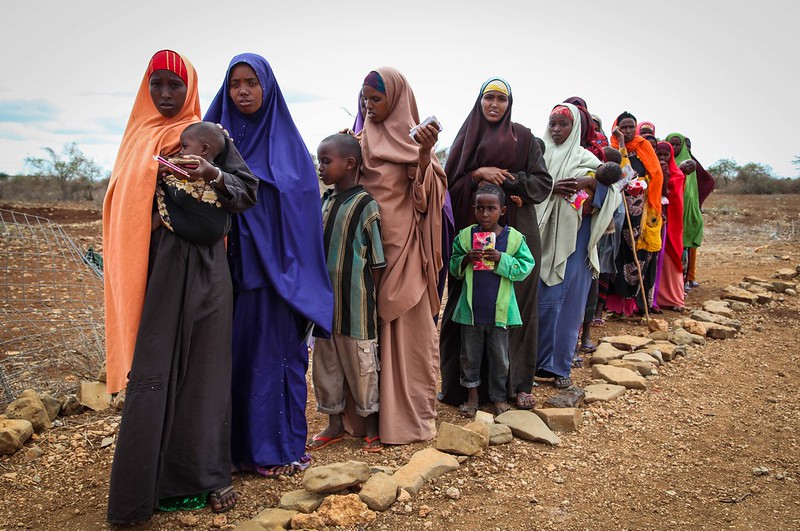
Located on the eastern seaboard of Africa, Somalia is a country synonymous with strife and civil unrest, with a civil war raging on since 1991. The country has endured continuous hardship, and, as is often the case, women carry an unfair proportion of the burden. The advances of Somali women in recent years demonstrate the progress and possibility for the future of Somalia.
The State of Somali Women
Due to a combination of cultural and religious practices, Somali women always existed in a state of subservience. The traditionally patriarchal society grew worse in terms of gender equality as political tensions and divides grew in the 1980s and reached a state of full and outright oppression with the start of the nation’s current civil war. The average Somali women lives only 58 years, 16 years less than the world average. This is in large part due to the lack of medical treatment women receive. Somalia has the seventh-highest maternal mortality rate in the world and the ninth highest birth rate. The country’s lacking health care and infrastructure worsen these statistics. Somalia’s state of civil war and lack of a set government for almost 20 years caused nearly all progression to stop and fall back.
Inequalities and Poverty for Somali Women
The nation’s impoverished state likely plays a large role in the oppression of women, with little work of worth for them to take on. Somali women often need to tend to children, the home and herds of cattle. This typically starts at a young age, which therefore excludes Somali girls from attending school. A great barrier in relation to gender equality in Somalia comes by way of political representation. Due to the constant oppression women face, very few Somali women hold political office, nor do they hold roles with any substantial power. In Somaliland, a region in the north of Somalia in the grips of a fight for its independence from Somalia, there are only two female members of parliament out of 86. Moreover, only one female minister out of the 28 currently holds the position. When Somali women do speak out against the bias of the system, they often face violence.
Even with odds bent against them, Somali women are fighting for their equality. The advances of Somali women largely go overlooked, but this may change. A visit of UN Deputy Secretary-General Amina Mohammed put the recent advances of Somali women at center stage. Somalia served as a stop on the joint UN-African Union trip to countries in the Horn of Africa. While in Somalia, Mohammed met with the African Union Special Envoy on Women, Peace and Security, Bineta Diop. The trip highlighted the strides Somalia took as a nation in the years since the bloodiest stages of its civil war, as well as addressing the progress and advances of Somali women in recent years. These advances lay somewhat in the abstract, more in effort and aspiration than drastic reform. Somali women fought for equal participation in elections, worked to redevelop Somalia’s economy and pushed against the rise of extremism.
Somalia’s state of instability leads to much guesswork when predicting what may be to come. However, the civil war that brought destruction to the nation seems to be in its waning phase. If the efforts and advances of Somali women tell of anything, they tell of the possibility to change, to grow and brighten the future with the better days to come.
– Austin Brown
Photo: Flickr
