Reducing Poverty in Latin America
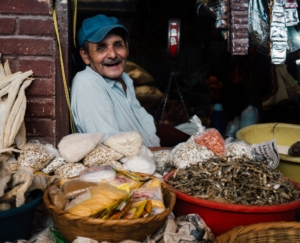
Across Latin America, governments are quietly reshaping their approach to poverty. After decades of high inequality, fragile growth and political instability, several countries are moving away from short-term welfare fixes and toward broader models of inclusive development. Colombia, Chile and Mexico are among the leaders in this transition, combining income support, labor market reform and long-term social investment to narrow social and economic gaps.
Now, while these policies slowly come into effect, the direction is clear: poverty reduction is increasingly being seen as a structural issue rather than a temporary emergency.
Social Protection Programs
At the center of this shift are new generations of social protection programs, many of which are largely based on conditional cash transfers (CCTs). These programs promise cash in exchange for meeting specific goals. Latin America has been reducing poverty by pioneering these schemes since the early 2000s, with 60 programs in operation across the region.
The region continues to play a central role in national anti-poverty strategies. In Colombia, Familias en Acción provides cash payments to low-income households in exchange for tasks like school attendance and regular health check-ups for children being completed. Originally designed as a temporary measure, the program has expanded significantly, particularly in rural and conflict-affected areas.
With recipients receiving about $972 annually, it can be linked to improved school participation, child nutrition and household stability. For instance, there was a 6-percentage-point decline in children’s chronic malnutrition following an increase in the chances of completing secondary school. Similarly, Chile has combined cash transfers with personalized social support.
Under Chile Solidario and later Ingreso Ético Familiar, families receive not only financial assistance but also guidance from social workers to help them access public services, employment programs and health care. These frameworks help vulnerable citizens receive the care they need, with cash installments and support offered for up to two years. The aim is to address social inequalities alongside income poverty.
Mexico’s Prospera program, formerly known as Progresa, is a widely studied CCT. Its emphasis on education, maternal health and nutrition has produced long-term benefits, including higher school completion rates and better health outcomes. While political reforms have reshaped the program in recent years, its core principles continue to influence social policy and it has been replicated in more than 50 countries worldwide.
These programs rely heavily on effective public services and stable funding, both of which are unevenly available across the region. However, with significant funding from the World Bank, they were able to support more than 22 million households across Latin America. Still, they reflect a broader shift: social welfare is increasingly popular, not as a safety net, but as an investment in future generations.
Closing the Rural Divide
Geography deeply shapes poverty in Latin America. Rural areas and Indigenous communities consistently experience higher deprivation, weaker infrastructure and limited access to state institutions. However, governments are increasingly paying closer attention to these territorial inequalities.
In Colombia, rural development has become closely linked to the country’s post-conflict agenda. Investment in rural roads, agricultural support and access to credit is aimed at reducing poverty while stabilising regions long affected by violence. Land restitution efforts, though slow and politically charged, form part of this post-conflict strategy.
In 2023, the Special Assetholding Agency (SAE) of the Colombian government successfully redistributed 40,000 hectares to cooperatives under the “Land for Peace” policy. This government initiative shows promise in reducing poverty in Latin America. On the other hand, Chile has pursued a more technocratic model.
Through agencies such as INDAP, the government supports small farmers with credit, training and irrigation projects, while investing in rural connectivity. For instance, in January 2024, the Chilean government implemented a $50 million investment project to strengthen food security and modernise the technology available to farmers. These efforts have helped narrow, though not eliminate, the gap between urban and rural living standards.
Tackling Pensions and In-Work Poverty
With informal employment being widely prevalent across Latin America, pension policies have begun to shift, as traditional contributory pension systems previously excluded millions of adults from coverage. However, in response, several countries have started to expand their pension schemes. For instance, one way Latin America is reducing poverty is with Chile’s 2008 pension reform, which introduced a Solidarity Pillar, guaranteeing a basic pension to low-income and informal workers, significantly expanding coverage among older women and rural populations.
Mexico has followed a similar path, introducing universal or near-universal pensions for older adults without formal work histories. Additionally, Mexico’s AFORE pensions will provide a top-up payment to beneficiaries whose monthly pension falls below their final salary rate. This shows a commitment to citizens who were potentially vulnerable to state neglect.
Similarly, even as employment has grown, in-work poverty remains a persistent problem. In response, countries such as Chile and Mexico have turned to minimum wage increases to boost incomes at the bottom of the labor market, proving how Latin America is reducing poverty. Chile has implemented gradual, predictable wage increases linked to inflation, helping low-income workers remain above the poverty line.
Increasing the monthly minimum wage to approximately $582 and promising a future increase for January 2026, helps ensure that Chile’s citizens can survive despite rising inflation. Mexico has taken a more aggressive approach, raising the minimum wage by 18% (on average) annually since 2018, after years of stagnation. Evidence suggests these increases have reduced workplace poverty without causing widespread job losses, as critics feared.
Now, while a minimum wage increase alone cannot solve inequality, it reflects a broader recognition that a fairer income distribution must keep pace with inflation.
A Measured Transformation
Latin America’s fight against poverty is far from over. Fiscal constraints, political volatility and deep-rooted inequality continue to limit progress. Yet, the policies emerging in Colombia, Chile and Mexico indicate a significant shift in direction. Rather than relying on short-term relief, governments are investing in education, health, rural development and social inclusion.
The approach is slow and imperfect, but it has demonstrated real-world success in transforming people’s lives. These policies effectively demonstrate changing attitudes across the region, exemplifying how Latin America is reducing poverty.
– Megan Burrows
Megan is based in Birmingham, UK and focuses on Good News and Politics for The Borgen Project.
Photo: Unsplash
