The Face of Hunger in Lebanon
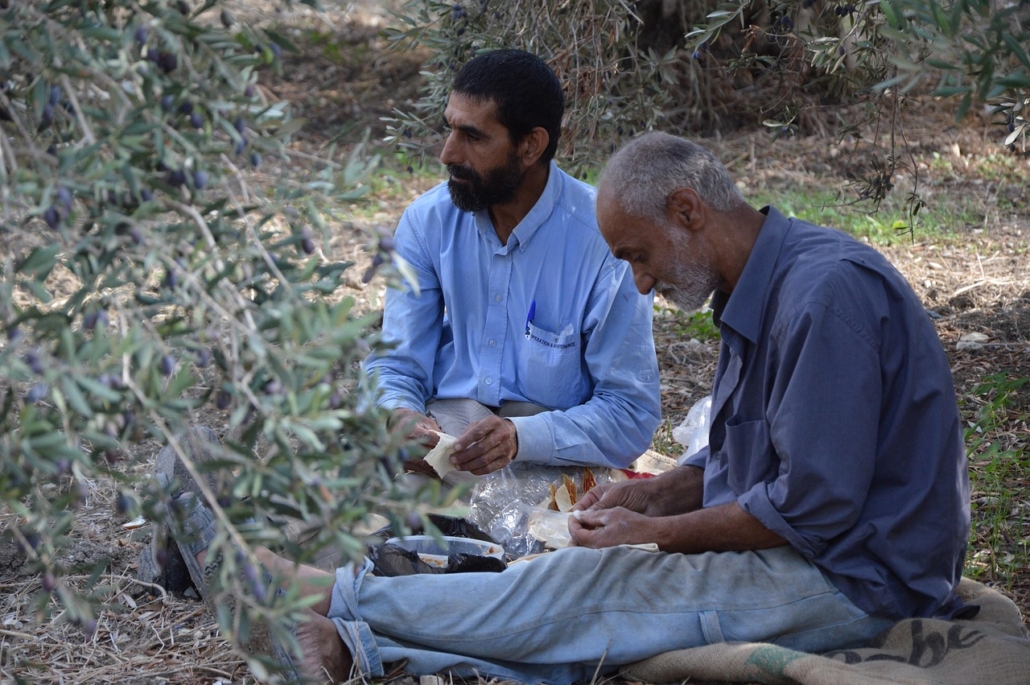 Hunger in Lebanon is a complex and unstable matter. The food crisis has been evolving from year to year as more and more citizens suffer. There are multiple causes and consequences associated with this situation, although there is no doubt about the potential for improvement.
The issue of hunger in Lebanon is multifaceted and a variety of factors influence it. According to the World Bank, hunger in Lebanon has begun to worsen, dating back to the severe economic crisis in 2019. During this crisis, the Lebanese pound lost around 90% of its value. Another impactful event was the devastating Beirut Port explosion on August 4, 2020. Reports have shown that 17% of the Lebanese population struggles with food insecurity. Here are five factors that lead to excess hunger.
What are 5 Factors Leading To Excess Hunger?
- The continuous increase in living costs is a crucial issue. With the instability of the economic state of Lebanon, food prices continue to rise. This leads to fewer citizens acquiring access to nutritious food.
- Displacement is a significant factor in Lebanon. Due to the situation in the southern areas, some people have lost the privilege of owning a habitable house. Therefore, displaced families struggle to acquire access to clean water and housing resources. In addition, this coincides with the economic conflicts, making living costs out of reach due to rising prices.
- Despite the ceasefire, the recovery process in agriculture has been slow. Damage to some crops has limited the production of farms. Especially in the south of Lebanon, the high expenses that are required for effective agricultural development led to a decline in the lives of citizens living in rural regions.
- The labor market in Lebanon is a complicated matter. Neither the employed nor the unemployed are protected from economic instability. Due to the currency problem, wages are not the most reliable leading to further food insecurity.
- The decrease in Humanitarian Food Security Assistance (HFSA) intensified the food security problems. Humanitarian Food Security Assistance played an important role in preserving food security. However, in the past year, the amount of coverage was reduced, which has made the situation worse for Lebanese households.
How are Lebanese People Dealing With Hunger?
This situation has resulted in fragile households. The vulnerability of food insecurity is prominent due to the multiple factors that have contributed to this increase. In these circumstances, residents had no choice but to reduce the size of their meals or skip meals altogether. Moreover, with the economic collapse, farmers have been greatly affected. They had to decrease their harvest, which caused less production, revenue and ultimately, less food security.
What are Some Organizations That Can Help Improve the Situation?
Despite the circumstances surrounding hunger in Lebanon, it is not a hopeless matter by any means. On the contrary, there are programs that are providing effective help.
The World Food Programme (WFP) is an organization that has proven useful. In 2024, it provided food supplies and shelter with special attention on displaced people. The World Food Programme (WFP) does this through donations and fundraising efforts. The organization also has future plans to help Lebanese citizens who are victims of conflicts.
Another program is the Food and Agriculture Organization of the United Nations (FAO), which Lebanon joined in 1945. FAO and WFP worked together to create the most recent Integrated Food Security Phase Classification (IPC). With IPC’s results, FAO realized the instability of the rural regions in Lebanon and worked on advancing the situation. FAO, WFP and the Ministry of Agriculture are focusing on new recovery programs to improve the infrastructure of agriculture. FAO aims to raise its emergency as well as resilience assistance in order to support citizens in rural areas.
Looking Ahead
Many factors contribute to the situation of hunger in Lebanon. From the economic issue to the circumstances of displaced people, Lebanon has suffered from food insecurity. Despite these negative conditions, the state of Lebanon is capable of improvement. With the help of impactful organizations such as WFP and FAO, the struggles and challenges associated with hunger are on the road to getting better.
– Lara Ibrahim
Lara is based in Créteil, France and focuses on Technology and Global Health for The Borgen Project.
Photo: Pixabay
