The Gender Wage Gap in Haiti
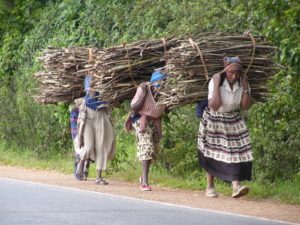 Women in Haiti earn 20% to 30% less than their male counterparts. Additionally, they are more likely to be unemployed and less likely to have consistent jobs. In addition to the gender wage gap, women in Haiti face higher unemployment rates and fewer opportunities for stable, long-term employment. The challenges are even greater for women with children, as they are less likely to find work compared to women without children, further compounding their economic struggles.
Education
Education is a significant factor in women’s employment, as educated women are more likely to have jobs in higher positions. The literacy rate for women in Haiti is among the lowest in Latin America and the Caribbean, which plays a role in the gender wage gap in Haiti.
Child marriage and early childbirth are two major factors that prevent girls in Haiti from attending school or completing secondary education. Secondary education is essential for women to access higher-paying jobs, as simply finishing primary school is often insufficient to secure employment.
Textiles
Women dominate the textile industry in Haiti, which holds promise for creating more jobs and potentially higher pay for women. However, entry-level positions, predominantly filled by women, offer extremely low wages. Although two-thirds of the workers in the industry are women, higher-ranking positions are often occupied by men. Many women in textiles have limited education and face additional disadvantages due to the country’s low minimum wage, which further impacts their earning potential.
Unemployment During the Pandemic
There was a significant decrease in women’s employment during the pandemic. This is likely attributed to inequality in pay for domestic work. Data shows that most women did household chores like laundry, cooking, cleaning and caring for children. Only 35% of people surveyed said that the man and woman of the household shared these duties. Women-dominated fields, such as firms, were closed disproportionately during the pandemic, causing these women to work solely domestically.
Economic Factors
While a legal framework mandates equal pay, certain jobs, such as night shifts, dangerous roles and industrial positions, typically offer higher wages. However, women often do not have equal access to these opportunities. This creates a loophole that perpetuates the gender wage gap in Haiti. This disparity significantly contributes to unequal pay between men and women in the workforce.
Women in Haiti are entitled to only 12 weeks of paid leave, compared to the recommended 14 weeks, while men are granted just one week of paid leave. Additionally, women with children under 5 are less likely to participate in the workforce. This policy creates significant barriers to women’s full employment and career advancement.
Empowering Women
To address the gender wage gap in Haiti, the Food and Agriculture Organization of the United Nations (FAO) supported the Haitian Ministry of Women’s Affairs and Women’s Rights (MCFDF) through the project “Supporting the Government of Haiti for the Socioeconomic Empowerment of Rural Women.”
The project, which ran from January 2020 to December 2021, aimed to raise awareness among rural women about the importance of their roles and potential within their communities. It provided 1,200 women, organized into 15 associations, with both technical and financial support to help foster women’s freedom.
Summary
The gender wage gap in Haiti is driven by limited education, unequal job opportunities and systemic barriers, particularly for women with children. Despite legal frameworks for equal pay, women face significant challenges accessing better-paying jobs. However, initiatives like the FAO’s empowerment project provide valuable support, offering women the tools to improve their economic independence. Addressing these issues is crucial for reducing the gender wage gap and creating a more equitable society in Haiti.
– Ella Burke
Ella is based in Lawrence, KS, USA and focuses on Technology and Celebs for The Borgen Project.
Photo: Wikimedia Commons
