SDG 5 in Kazakhstan: Barriers and Reform Efforts
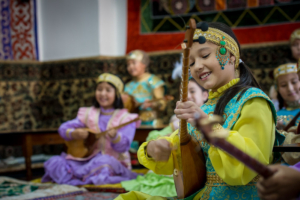 SDG 5 in Kazakhstan focuses on achieving gender equality and empowering all women and girls by ending discrimination, violence and harmful practices. While the country has implemented progressive reforms such as gender quotas and anti-violence laws, challenges remain in key areas like child marriage, domestic violence and political representation. Ongoing cooperation among the government, U.N. agencies and civil society is building momentum toward achieving SDG 5 by 2030.
Legal Barriers
In Kazakhstan, the legal marriage age is officially 18. However, exceptions allow marriage at 17, with parental consent or as young as 16 in cases of pregnancy. These provisions undermine SDG 5’s target to eliminate child marriage without exception. According to UNICEF, around 7% of girls in Kazakhstan marry before the age of 18 and early unions are more common in rural areas and among lower-income families.
Moreover, bride kidnapping, though illegal, continues to occur in some regions, reflecting harmful traditional practices that persist despite awareness campaigns.
Organizations such as UNICEF Kazakhstan, Equality Now and the Kazakh Women’s Rights Committee have been active in advocating for stricter enforcement of marriage laws and awareness programs to discourage underage unions. These groups recommend raising the marriage age to 18 with no exceptions, improving legal protections for girls and expanding education campaigns in rural areas.
Gender-Based Violence in Kazakhstan
Gender-based violence remains one of the most serious barriers to achieving SDG 5 in Kazakhstan. According to U.N. Women, about 17% of women aged 18–49 in Kazakhstan have experienced physical or sexual violence by a partner, though underreporting remains a major issue. In 2024, the parliament introduced a new bill aimed at strengthening penalties for sexual, psychological and economic abuse and expanding state protection for survivors. The bill also proposes mandatory restraining orders and specialized crisis centers for victims.
The government is also preparing to ratify the Istanbul Convention on preventing violence against women, signaling a stronger international commitment. Local NGOs such as the Union of Crisis Centers also play a vital role in documenting cases, running hotlines and helping victims access legal support.
Political Underrepresentation
Despite progress, women still hold a limited number of leadership positions. In 2024, women made up 19.4% of Kazakhstan’s parliament, below the global average of 27.5%. This remains the case despite a 30% quota for women and youth on party electoral lists introduced in 2021. The issue lies in implementation, as women are often placed lower on party lists, reducing their chances of being elected.
Advocacy organizations such as the Kazakhstan Feminist Initiative “Feminita” and the National Commission on Women’s Affairs and Family Policy are calling for greater transparency in the enforcement of quotas and for leadership training programs for young women. These groups argue that stronger female representation can lead to more inclusive public policies, particularly on child care, workplace equality and anti-violence legislation.
Economic Gaps
Kazakhstan has made strides in women’s economic participation. In 2024, 65.99% of women were part of the labor force, above the global average. The government has worked to remove outdated job restrictions for women and expand entrepreneurship programs.
Women’s Entrepreneurship Centers, launched by the Ministry of Economy and the United Nations Development Program (UNDP), now operate across the country, offering financial training and startup support. However, women still carry the majority of unpaid domestic and care work, which continues to limit their economic mobility. SDG 5 calls for shared responsibility for unpaid work and greater access to affordable childcare.
Strengthening maternity protections, introducing flexible work policies and expanding public childcare centers could help ensure women’s continued participation in Kazakhstan’s growing economy.
Solutions Advancing SDG 5 in Kazakhstan
The U.N. and the Government of Kazakhstan are jointly implementing the 2026–2030 Gender Equality Roadmap, with more than $172 million invested since 2021 in data collection, justice reform and prevention programs. Women’s advocacy groups, from urban NGOs to rural community networks, are also helping drive policy reform while increasing visibility for gender equality nationwide.
With stronger laws, greater support for survivors of violence and continued reform in politics and the workplace, Kazakhstan is building the foundation to achieve SDG 5. The goal is to ensure gender equality and empower all women and girls by 2030.
– Niaz Youssefian
Niaz is based in Cardiff, UK and focuses on Good News for The Borgen Project.
Photo: Flickr
