Women Farmers in Guyana and Food Security
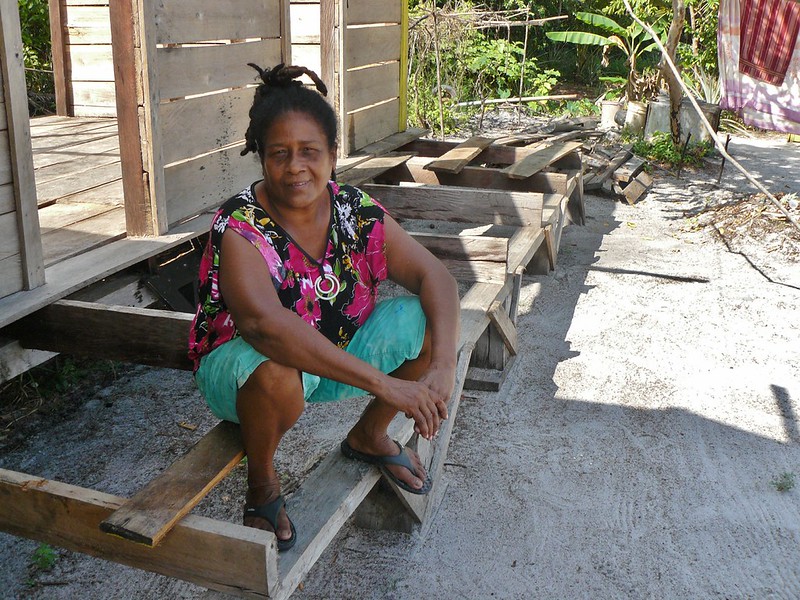 Women farmers in Guyana and food security begin at the market level, where women dominate food distribution in areas such as Anna Regina, Corriverton and Georgetown. Vendors such as Jasmin Ramsammy at Skeldon Market in Berbice adjust supply based on demand during holidays like Diwali, while Nina Sarju at Port Mourant Market manages unsold goods by reselling or sharing them to reduce waste. These daily decisions directly affect food availability. In 2020, fruits and vegetables generated $3.3 million in exports, much of it supported by women’s labor.
Regional Production Shows Women’s Impact
Women farmers in Guyana and food security extend into farming communities such as Pomeroon in Essequibo and Belle West. Women grow crops such as bora, pumpkin, tomatoes and peppers, supplying both households and urban markets. Traders, often women, transport produce weekly from Pomeroon to Georgetown, linking rural farms to cities. Malika Deokarran, who leads a 75-member farming group, plays a key role in organizing pricing and distribution, showing how women sustain the supply chain.
Women farmers in Guyana and food security face the greatest challenges in the hinterland regions of Regions 1, 7, 8, and 9. Poverty in these areas reaches up to 55%, limiting access to infrastructure and markets. Many women rely on small kitchen gardens to support their families rather than operate large-scale farms, which reduces overall productivity and income potential.
Food Loss in Berbice and Coastal Regions
Food loss significantly affects women farmers in Guyana and food security, especially in coastal regions such as Berbice. Nearly 30% of fruits and vegetables are lost annually due to flooding, poor storage and transportation issues. Vendors in Berbice markets often face spoilage if goods are not sold quickly, leading to financial loss and reduced food supply.
Programs Supporting Women Farmers
Current programs are improving conditions for women farmers in Guyana and food security, particularly in rural communities. Government initiatives have provided tools and inputs to farmers in areas such as the Corentyne Coast, helping boost production. Food and Agriculture Organization (FAO) training programs focus on reducing post-harvest losses and improving climate resilience. Women-led groups are also expanding agro-processing, producing goods such as cassava products and coconut oil to increase income and reduce waste.
Looking Ahead
Women farmers in Guyana are essential to the country’s food system. From Berbice vendors managing daily sales to Pomeroon farmers supplying urban markets, women support every stage of production and distribution. Expanding access to land, credit and training, especially in the most affected regions, could increase productivity and strengthen national food security.
– Kianna Hines
Kianna is based in Brooklyn, NY, USA and focuses on Global Health for The Borgen Project.
Photo: Flickr
