How Women’s Self-Help Groups in India Are Reducing Poverty
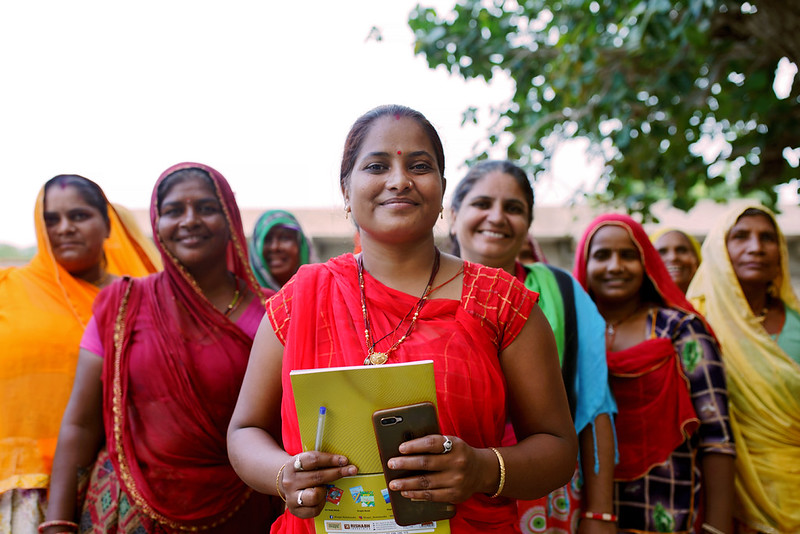 Across rural India, women’s self-help groups (SHGs) play a central role in expanding financial inclusion. These groups typically consist of 12 to 15 women who meet regularly, save money and provide small loans to one another while also connecting with formal banking systems. By pooling their resources, members gain access to credit and can invest in income-generating activities.
The World Bank reports that SHGs connect underserved communities with financial institutions and help millions of unbanked households enter the formal economy. Today, more than 80 million women participate in these networks, making SHGs one of the largest community-driven financial systems worldwide. In addition to financial access, SHGs provide platforms for training, information-sharing and community support.
These groups help women increase household income, improve health practices and strengthen their role in decision-making. As a result, SHGs expand financial inclusion while also driving long-term social and economic change in rural communities.
National Rural Livelihoods Mission
In 2011, the Government of India launched the National Rural Livelihoods Mission (NRLM) to reduce rural poverty by strengthening women-led economic networks. As one of the world’s largest livelihood initiatives, the program aims to reach around 350 million people across 12 states, where the majority of India’s rural poor live. NRLM organizes rural women into SHGs and provides them with training, financial literacy and access to credit.
These groups help women build savings, invest in small businesses and connect with formal banking systems. In addition, the program supports farmers, artisans and small producers by linking them to markets and strengthening their ability to negotiate fair prices. Beyond financial support, NRLM also invests in skill development for rural youth and promotes entrepreneurship at the local level.
By combining access to finance with market opportunities, the initiative helps women move beyond subsistence work and build more stable sources of income. This large-scale approach has also created opportunities for collaboration with organizations and local initiatives that further support women’s economic participation.
Strengthening Women Entrepreneurs in India
Several organizations in India actively support women entrepreneurs by providing skills, networks and access to economic opportunities. These initiatives focus on helping women build stable incomes rather than rely on short-term support.
The Self-Employed Women’s Association (SEWA), founded in 1972, organizes women working in India’s informal economy and represents more than 3.7 million members across the country. SEWA provides financial services, training and collective support, enabling women to improve their working conditions and secure more reliable incomes. By bringing informal workers together, the organization strengthens both economic security and bargaining power.
The Raise India Foundation works directly with communities to improve access to education, skills training and job opportunities. Over the past decade, the organization has reached more than 1.8 million people through projects across several Indian states. Its programs equip women with practical skills and support them in entering the workforce or starting small businesses.
At the same time, individual entrepreneurs are creating new pathways for economic participation. Designers like Diya Joukani build independent brands by combining local craftsmanship with digital platforms. Through her work, she creates and sells her own designs, generating income while promoting locally made products.
Together, these efforts show how structured support and individual initiative can strengthen women’s economic participation and contribute to poverty reduction across India.
Women Entrepreneurs Transforming Local Communities
At the community level, women-led businesses are reshaping everyday economic life. From tailoring and food production to small retail ventures, these businesses generate income while creating new opportunities within local economies. As more women gain access to financial tools, training and support networks, they continue to build independent livelihoods and strengthen economic stability.
This progress highlights how women’s self-help groups in India are helping reduce poverty by expanding financial inclusion and supporting entrepreneurship. Through both organized initiatives and individual efforts, women are increasing household incomes and contributing to long-term community development.
India’s experience shows that when women receive the right support, the impact extends far beyond individual success. Women entrepreneurs are not only improving their own living conditions but also helping to build more resilient and inclusive communities for the future.
– Elif Oktar
Elif is based in London, UK and focuses on Good News for The Borgen Project.
Photo: Flickr
