• Link to X
  • Link to Facebook
  • Link to Instagram
  • Link to TikTok
  • Link to Youtube
  • About
    • About Us
      • President
      • Board of Directors
      • Board of Advisors
      • Financials
      • Our Methodology
      • Success Tracker
      • Contact
  • Act Now
    • 30 Ways to Help
      • Email Congress
      • Call Congress
      • Volunteer
      • Courses & Certificates
      • Be a Donor
    • Internships
      • In-Office Internships
      • Remote Internships
    • Legislation
      • Politics 101
  • The Blog
  • The Podcast
  • Magazine
  • Donate
  • Click to open the search input field Click to open the search input field Search
  • Menu Menu

Archive for category: Women’s Empowerment

Global Poverty, Women's Empowerment, Women's Rights

Strengthening Legal Framework Against Forced Marriages in Italy

Forced Marriages in ItalyItaly is located in Southern and Western Europe, with a population of 59.5 million as of 2023, according to the World Health Organization. Situated in the Mediterranean, its mountainous and hilly terrain contributes to a diverse climate year-round. According to the European Institute for Gender Equality, an estimated 27% of women in Italy have experienced violence.

With violence against women still a central issue, the Istanbul Convention aims to strengthen the legal framework against all forms of gender-based violence, including forced marriage. 

The Istanbul Convention: Article 37

The Council of Europe Convention, under Article 37 of the Istanbul Convention, defines a forced marriage as: 

  1. Intentional conduct of forcing an adult or a child to enter into a marriage.
  2. Intentional conduct of luring an adult or a child to the territory of a Party or State other than the one in which they reside, to force that adult or child to enter into a marriage.

Forced Marriages in Italy

Women and girls across Italy have experienced and continue to experience forced marriage, often imposed by parents, relatives and even religious leaders. These marriages may be enforced through coercion, including threats and violence.

The legal marriage age in Italy is 18. However, according to Juma Map Services for Refugees, a juvenile court may authorize exceptions, allowing minors of at least 16 years to marry legally.

Italy, in line with the Sustainable Development Goals, is committed to eliminating child, early and forced marriage by 2030, according to Girls Not Brides. The country signed the Istanbul Convention on September 27, 2012 and it entered into force on August 1, 2014.

The Istanbul Convention: Ongoing Targets

The convention aims to prevent violence against women, protect victims and those at risk and prosecute perpetrators. Key protection and prosecution measures outlined by the European Commission include:

  • Accessible shelters: Member states must ensure shelters are readily accessible to victims and fairly distributed nationwide.
  • Helplines: A free, 24/7 helpline must be available across all member states, providing safety and professional support.
  • Violence against women as a crime: This includes psychological and physical violence, sexual violence and rape, stalking, female genital mutilation (FGM), forced marriage, forced abortion and forced sterilization.
  • Thorough investigations: Authorities must carry out prompt and effective investigations into all forms of violence against women, ensuring immediate protection.
  • Protection for migrants and asylum seekers: Women in these groups are particularly vulnerable and must receive targeted protection.

A Successful Prevention Method in Italy

In 2014–2015, the Italian government launched an initiative to educate the public on violence against women, with a particular focus on engaging men and encouraging behavioral change. The program was later introduced in schools, where it helped educate young students on preventing gender-based violence.

Looking Ahead 

Forced marriages have prompted stronger legal responses to violence against women across Italy. The Istanbul Convention, adopted by multiple countries, has contributed to efforts aimed at reducing the vulnerability of women and girls to violence. Education initiatives, such as those described above, remain key to ensuring awareness continues to spread among younger generations.

– Zara Ashraf 

Zara is based in London, UK  and focuses on Good News for The Borgen Project.

Photo: Unsplash

March 29, 2026
https://borgenproject.org/wp-content/uploads/borgen-project-logo.svg 0 0 Hemant Gupta https://borgenproject.org/wp-content/uploads/borgen-project-logo.svg Hemant Gupta2026-03-29 07:30:502026-03-28 12:36:03Strengthening Legal Framework Against Forced Marriages in Italy
Gender Equality, Global Poverty, Women's Empowerment

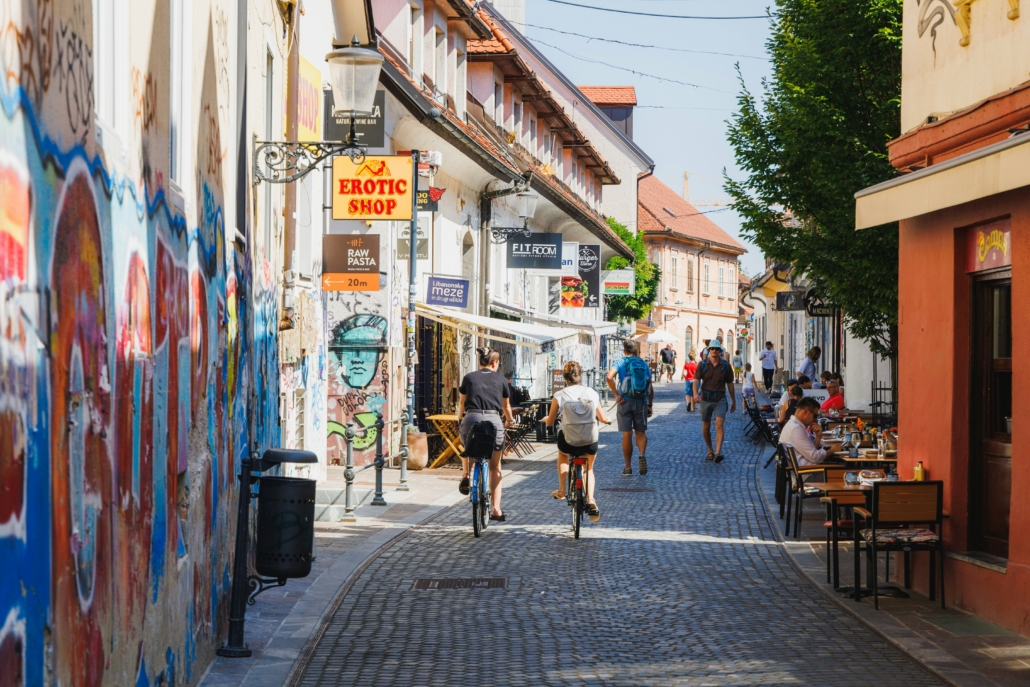
Gender Pay Gap in Slovenia

Gender Pay Gap in SloveniaGender equality in Slovenia has been improved drastically over time, yet performance is considered lower than EU standards. Slovenia recorded a score of 58.0 points out of 100 in the gender equality index, holding 18th place in the EU. This is attributed to low performance in the domains of knowledge and power. The gender pay gap in Slovenia is regarded as one of the clearest signs that this progress has not yet been translated into an equal workplace.

Gender Disparities in Earnings and Why It Matters

 Gender disparities in earnings in Slovenia are considered among the lowest in the EU. Women who have a partner earn an average of 84% of their spouses’ earnings, while men who live with their partners earn an average of 27% more than their spouses. The European Institute for Gender Equality has reported that the gender pay gap is most pronounced for young people, foreign born individuals and couples that have children.

A small national average gap can still coexist with serious unfairness if women are overrepresented in low-paid roles or underpaid within the same jobs. Through strong transparency rules, enforcement and cultural change around caregiving and leadership, Slovenia will be crucial for Slovenia to move from a relatively small gap to genuine pay for equal work.

Improvements Over Time

The biggest improvement over time has taken place in the domain of power. Political power has increased, with a share of women on the board of the central bank. Slovenia’s score in the domain of money has also improved, which has improved the gender pay gap in terms of the distribution of earnings and income. Slovenia has recorded the third-highest score of the EU-28 in the sub-domain of economic situation, which deals with the risk of poverty and the distribution of wealth throughout the population.

Why the Gap Persists 

The gender pay gap persists in Slovenia both between employers and within the same employers. Women and men ending up in different jobs partly explains the rising job gaps. Slovenia has overtaken its regional peers’ gender pay gaps at 7.2%, alongside a high female labor force and stronger workplace equality measures. These figures are promising, but smaller gaps can sometimes reflect labor market structures where women are over-represented in low-paid sectors, rather than true career advancement or leadership roles. Persistent informal norms and expectations about gender roles keep inequality and the gender pay gap in place.

Consequences for Women in Slovenia

The gender pay gap has real consequences for women and their families. A woman who is consistently earning less than their male colleagues has less money to cover rising costs, save for emergencies or invest in housing. Over time, lower pay, as well as taking breaks for childcare, means women will have a smaller pension, leaving them at a greater risk of experiencing poverty at old age. The average man’s pension in Slovenia is 10% higher than women’s. Women who see their work as undervalued are often less likely to apply for promotions, which reinforces the idea that top positions are ‘for men.’ This cycle shows why even a relatively small national pay gap can cause huge inequalities. 

Solutions To Tackle the Gender Pay Gap

 Slovenia does not currently have a national mandatory gender pay gap reporting system for employers, but as an EU member, it will need to implement the EU Pay Transparency Directive by June 7, 2026. This will impose gender pay gap reporting and greater pay transparency in future years. These new rules will introduce structured obligations, more visibility for employees, and concrete enforcement measures, and workers will have the right to know the average pay for doing the same or equivalent work. For Slovenia, this is a huge turning point as greater transparency makes hidden gaps visible and allows women, unions and society to demand change, hence why detailed reporting is crucial.

Another initiative that the government introduced to tackle the gender pay gap is by introducing specific guidelines for gender mainstreaming in the work of ministries. This will help ministries in gender mainstreaming in their specific fields of work and specify the roles of Coordinators for Equal Opportunities of Men and Women. The goals of the resolution from 2023-2030 include reducing the gender pay gap in all areas of social life, achieving an equal division of care work between parents, and overcoming stereotypes and sexist and discriminatory practices that deepen gender inequality.

Looking to the Future

There have been huge improvements in the effort to resolve the gender pay gap in Slovenia. However, inequalities still prevail, through governments implementing a national mandatory gender pay gap reporting system as well as guidance for gender mainstreaming, Slovenia will be able to lessen the gender pay gap, ensuring a better quality of living for all people.

– Bonnie Parkinson

Bonnie is based in London, UK and focuses on Good News and Global Health for The Borgen Project.

Photo: Unsplash

March 27, 2026
https://borgenproject.org/wp-content/uploads/borgen-project-logo.svg 0 0 Jennifer Philipp https://borgenproject.org/wp-content/uploads/borgen-project-logo.svg Jennifer Philipp2026-03-27 01:30:172026-03-27 03:22:10Gender Pay Gap in Slovenia
Gender Equality, Women's Empowerment

Women-Led Government Drives Gender Equality in Namibia

Gender Equality in NamibiaIn the last 18 months, Namibia has emerged as a leader of gender equality in sub-Saharan Africa. In the World Economic Forum’s 2025 Global Gender Gap Index, Namibia ranks first among African nations and 8th globally. The country’s progress reflects decades of gender-focused policies and increasing representation of women in political leadership.

The U.N., the World Economic Forum and the World Bank widely recognize that when women hold political power, they often prioritize reforms that strengthen economies and make governments more responsive to citizens’ needs. As the U.N. notes, “Women’s equal participation and leadership in political and public life are essential to achieving the Sustainable Development Goals by 2030.” 

In the wake of International Women’s Day 2026, The Borgen Project is highlighting Namibia’s women-led government and the recent reforms that demonstrate how this leadership can drive tangible social and economic progress.

Female Political Leadership in Namibia

The key factor distinguishing Namibia’s progress toward gender equality from that of other nations is the strong representation of women across its government, which has enabled significant social, economic and civic reforms. Currently, Namibia’s president, vice president, speaker of the National Assembly and eight of its 14 cabinet ministers are women. According to the U.N. Women and Inter-Parliamentary Union ranking, Namibia ranks first in the world for women’s representation in government leadership. 

This level of representation has also led to greater policy and fiscal prioritization of social reform and education, contributing to poverty reduction in the country.

Gender Equality in Namibia: Driving Policy Reform

Several reforms in Namibia have both contributed to and benefited from women’s presence in political leadership. The National Gender Policy, renewed for another decade in 2025 by the Ministry of Gender Equality, Poverty Eradication and Social Welfare, strengthens gender equality by providing a framework to address the intersections of poverty, social attitudes and gender-based violence.

Since 1998, Namibia’s employment law has been shaped by the Affirmative Action Act, which promotes fair hiring practices, expands employment opportunities for women and protects against pay disparities. These measures help normalize a gender-equal workforce in which women are hired, paid and treated equally in the workplace.

Namibia is often referred to as the birthplace of the U.N.’s Women, Peace and Security agenda, which was adopted as a resolution in 2000. The country presided over its adoption 26 years ago and now has one of the world’s most gender-balanced cabinets.

Expanding Economic Opportunities for Namibian Women

The Ministry of Gender Equality’s Beijing+30 Country Report highlights Namibia’s recent progress in advancing gender equality. In economic development, the government has focused on equal pay, ending workplace harassment and improving women’s access to financial infrastructure and services. Supported by U.N. Women and the World Bank, Namibia’s Affirmative Action Act has increased women’s participation in executive, management and public service roles. 

As a result, women now represent a larger share of employed professionals than men, reflecting the impact of broader equality policies in the country. In 2014, the Namibian government adopted Gender-Responsive Budgeting Guidelines to direct public funds toward gender equality and equitable socioeconomic development for women, men and children. In practice, this has meant allocating millions of Namibian dollars to community development centers, education, agricultural infrastructure and income grants, all identified for their roles in improving the livelihoods of women and children.

However, in 2025, less than 2% of the national budget was allocated through gender-responsive budgeting. Namibia’s speaker of the National Assembly has argued that for the policy to have a lasting impact, it must be implemented consistently rather than only when the need arises, noting that “sporadic success isn’t systemic transformation.”

Education and Social Development

Primary education has been free in Namibia since 2013 and secondary education since 2016. Enrollment now stands at about 90% and the country has achieved near gender parity, with similar numbers of boys and girls attending school. In the classroom, students have access to programs that support girls’ pathways into STEM and leadership, alongside curriculum campaigns promoting girls’ rights and gender equality in Namibia.

These initiatives aim to expand educational and professional opportunities for young women, particularly in fields where they have been historically underrepresented. Research from the World Bank shows that universal education for girls is closely linked to higher future earnings, improved health outcomes and long-term poverty reduction.

What Namibia’s Progress Means Globally

The trickle-down effect of women holding political power has undoubtedly improved gender equality in Namibia. These figures have directly influenced the creation and development of gender-focused policies that target social and economic reforms nationwide. The reforms reach workplaces and classrooms, giving women and girls the knowledge, tools and institutional support to contribute to the country’s sustainable development for generations to follow.

Namibia’s experience demonstrates that sustained political commitment to gender equality can lead to measurable social and economic gains. This commitment, which itself becomes both a cause and effect of representative leadership, can move the country and the African continent closer to achieving the Sustainable Development Goals by 2030, with women leading the charge.

– Hannah Michie

Hannah is based in Nice, France and focuses on Good News and Politics for The Borgen Project.

Photo: Flickr
March 25, 2026
https://borgenproject.org/wp-content/uploads/borgen-project-logo.svg 0 0 Hemant Gupta https://borgenproject.org/wp-content/uploads/borgen-project-logo.svg Hemant Gupta2026-03-25 07:30:042026-03-24 10:54:02Women-Led Government Drives Gender Equality in Namibia
Gender Equality, Global Poverty, Women's Empowerment

Closing the Gender Wage Gap in Uruguay & Poverty Reduction

Gender Wage Gap in UruguayAbout 83.3% of girls whereas 72.7% of boy’s complete lower secondary school in Uruguay as of 2023 with literacy rates almost equivalent between men and women (98.6% – 99.2%). Yet the proportion of women living in poverty (8.8%) is nearly double that of men (4.8%). As education isn’t the issue, the cause could be the gender wage gap in Uruguay.

The Gender Wage Gap in Uruguay

The gender wage gap refers to the average difference in hourly earnings between working men and women, usually expressed as a percentage. In Uruguay, INE analysis shows men generally earn up to 27% more than women. Women and girls aged 15+ also spend nearly double as much of their time doing unpaid work (19.9%) compared to men, who spend 8.4% of their time on unpaid work according to UN Women.

Workers in vulnerable employment are the least likely to have formal working contracts, social protection or safety nets to protect them from economic shocks, which makes them more likely to fall into poverty. Women hold 24.7% of vulnerable employment in Uruguay.

As of 2026, a woman has never held the office of the presidency in Uruguay. Today, women occupy 22.3% of parliamentary seats in Uruguay, despite women making up 51.5% of the population. Underrepresentation in politics can stop policymakers from pushing policies that advance women’s roles in the workforce as well as their earning potential.

Progress Towards Addressing the Gender Wage Gap

Uruguay has made major moves forward in women’s rights since the 20th century, which reduced women’s poverty and improved the economy overall. The labor force participation rate for women has increased by nearly 10% since 1990 (42.6% then compared to 57.3% now). This rate stands higher than the average across Latin America and the Caribbean where women’s labor force participation rates sit at 51.2%.

The share of women working in high income positions has also increased marginally since 1990 (50.1% in 1990 compared to 54.3% today). This figure stands slightly higher than the global rate of women working in high income positions, which sits at 49.1%. 

What More Can be Done?

Despite these incredibly important milestones over the last century, Uruguay has not yet achieved gender equality in wages, which contributes to continued poverty in the country today.

Research suggests that governments could reduce the gender wage gap by implementing policies that allow women to participate in the workforce more freely. Policies that reduce informal employment, strengthen labor protections and identify and address discrimination or gender bias in hiring, pay and promotion would greatly benefit women in work according to the Inter-American Development Bank.

Conclusion

Uruguay has progressed in gender equality related to the wage gap by improving the pathway from education to workforce participation. Nevertheless, disparities remain in income and employment conditions, which contributes to higher levels of poverty across the country.

International organizations such as UN Women and the Inter-American Development Bank indicate that implementing policies and addressing informal employment could significantly reduce gender gaps. 

– Yemi Mary John

Yemi is based in London, UK and focuses on Business and New Markets for The Borgen Project.

Photo: Flickr
March 23, 2026
https://borgenproject.org/wp-content/uploads/borgen-project-logo.svg 0 0 Jennifer Philipp https://borgenproject.org/wp-content/uploads/borgen-project-logo.svg Jennifer Philipp2026-03-23 07:30:012026-03-22 10:59:32Closing the Gender Wage Gap in Uruguay & Poverty Reduction
Gender Equality, Global Poverty, Women's Empowerment

She Leads Movement for GYW in Mali

GYW in MaliThe term “girls and young women” (GYW) has no single date of origin. However, it has gained popularity in the 21st century as a concept tied to intersectionality, activism and inclusion. It bridges the gap between the categories of girls and women, allowing programs to support both groups while recognizing their distinct needs. This approach is central to the She Leads project.

A partnership program that ran from 2021 to 2025, the She Leads program brings together Plan International Netherlands, Defence for Children – ECPAT Netherlands (DCI-ECPAT), the African Women’s Development and Communication Network (FEMNET) and Terre des Hommes Netherlands. These organizations reflect the importance of the GYW framework in their efforts to promote education, leadership and independence for GYW. Their work in Mali, which has amplified GYW voices there, highlights the project’s impact.

Why Does the She Leads Program Exist?

At its core, the She Leads program wanted to improve gender equality across East and West Africa and the Middle East. However, this is no small task, not only because of cultural beliefs but also because of a lack of data and support to change these circumstances. Set up and supported by six organizations, She Leads worked to increase sustained influence for GYW, opening pathways for decision-making and “the transformation of gender norms in formal and informal institutions.” 

The consortium’s plan to achieve this goal was threefold. It aimed to address social attitudes and gender norms at multiple levels, from small-scale civil society to broader sociocultural perspectives and large institutions that can enable GYW participation in political spaces. The consortium also conducted an assessment to collect data on gender-based violence (GBV) and cyber abuse across seven sub-Saharan countries, including Mali. This effort strengthened data systems and broadened the initiative’s impact on GYW in developing countries.

Through this multifaceted plan and the coordinated efforts of six NGOs, the initiative has achieved notable success, particularly in Mali. Voices of GYW in Mali have historically been muted in a country where 54% of girls marry before 18, spending much of their lives outside the public sphere. Mali is also among the most impoverished countries globally; data from 2015 shows that 51% of women in the poorest households were married before 18. 

As in many parts of sub-Saharan Africa, parents often marry off their daughters young, believing it will provide a better life while reducing their own economic burdens. This practice continues to promote the belief that girls are the property of their husbands. While this reflects a cultural tradition in Mali, the She Leads project worked to challenge it by collecting comprehensive data and engaging directly with GYW, enabling girls to articulate their needs and priorities.

What Is the Impact of the She Leads Project in Mali?

It is widely understood that poverty is multidimensional and linked to phenomena such as child marriage. One of She Leads movement’s major focuses was promoting education to amplify GYW voices in Mali. A UNICEF Multiple Indicator Cluster report from 2015 further illustrates the intersectionality of poverty in countries like Mali: 50% of women who only completed primary education were married before the age of 18, compared to 18% of those who completed secondary education. 

In fact, fewer than 74% of girls enroll in primary education, compared to 86% of boys. For girls, this figure drops to 15% for secondary education. With one of the fastest-growing populations, this educational inequality only widens the gender equality gap, according to the United Nations Development Programme’s Gender Inequality Index.

As such, improving girls’ education and enrollment was central to She Leads’ plan to amplify GYW voices in Mali. Specifically, She Leads took the approach of handing over educational agency to its focus groups of girls and women. It explained that its approach for all focus groups was to use the information gathered from these girls to determine the topics. The project does not decide in advance what it will focus on; instead, it brings the girls in and lets them share their own opinions.

One example of She Leads’ investment in GYW voices in Mali is the story of Fatoumata, a 17-year-old girl from rural Mali. Despite the World Economic Forum’s estimate that it will take “131 years to reach gender equality,” Fatoumata intends to “beat the clock” and become a community leader in a place where women traditionally run the home, not the world. She shared, “For me, it’s important to be able to make things happen. Today, I have come to my old school to talk to the students about important issues that affect them,” and that her “ambition is to be an accountant and a leader in my community.”

She Leads designed its community engagements to be safe spaces for GYW. It uses peer education to teach other girls in their community about sexual and reproductive health and rights, intervene on issues that concern them and take an active role in community decision-making. Now, Fatoumata not only feels more comfortable using her voice with her family but also sees a path to using it in the community to drive change and female inclusion.

What Have Been the Results of the Project?

Fatoumata’s experience highlights the impact the She Leads project has had on many communities. The project not only invested in academic education for girls but also in practical education, offering training sessions on issues like child marriage, FGM and STDs, breaking down barriers around taboo subjects. This transparency allows GYW to protect themselves and navigate life with independent knowledge, rather than relying on a family member for these truths.

In addition, She Leads encouraged community action, which culminated in GYW investment through “allocating them a quota of arable land where they can grow market vegetables, earning themselves an income.” Even with an education, cultural norms can still prevent women from entering professional and public spheres. Therefore, having community support for independent participation in the economy illustrates a break in the cycle of inequality.

Furthermore, Fatoumata and her group advocated for the representation of young women at policy forums, pushing for gender equality beyond their town or village and onto a national scale. She Leads data show that since 2021, 16 groups have been established across Mali, reaching 320 girls. These numbers might seem small; however, change is never instant. 

Meanwhile, information, the collection of which was a major part of She Leads’ work, is key to both initiating and sustaining it. Fatoumata’s experience is proof that there is room for hope for GYW voices not only in Mali but across the world and that cycles of inequality can be broken. Thanks to the She Leads project, Fatoumata can be one of many girls with agency in Mali.

– Jaya Noonan

Jaya is based in London, UK and focuses on Good News and Global Health for The Borgen Project.

Photo: Unsplash

March 23, 2026
https://borgenproject.org/wp-content/uploads/borgen-project-logo.svg 0 0 Hemant Gupta https://borgenproject.org/wp-content/uploads/borgen-project-logo.svg Hemant Gupta2026-03-23 01:30:492026-03-21 14:01:32She Leads Movement for GYW in Mali
Financial Instruments, Global Poverty, Women's Empowerment

Unconditional Cash Transfers: The Most Benefit for Women

Unconditional Cash TransfersA growing body of research over the past decade has examined the impact of direct welfare payments to families living in poverty. Now, a new meta-analysis combining studies across 45 countries offers one of the clearest pictures yet of how unconditional cash transfers benefit women more than other forms of payment. The study, published in the journal “Nature Human Behavior,” analyzed dozens of social security programs and found that unconditional payments produced an effect size more than twice that of conditionally funded cash transfers. 

Benefits included higher labor force participation, increased work productivity, lower debt levels and greater autonomy and decision-making power. The analysis found little evidence of so-called dependency effects, the concern that recipients reduce work effort after receiving benefits.

Conditional Cash Can Increase Women’s Burden of Work

The international research team, led by Amber Peterman at the University of North Carolina at Chapel Hill, argued that unconditional cash transfers may be more effective because they increase women’s choices and freedom. The researchers wrote: 

“Some studies point to potential adverse effects or unintended consequences of social security nets for women. A common example raised is the potential for cash transfers with conditions to increase women’s unpaid care burden, reinforcing their involvement in child care or domestic work. This might occur if programs designate women as responsible for attending mandatory training associated with the intervention or for monitoring children’s schooling or health due to co-responsibilities.”

The authors acknowledged several limitations with their analysis, including the short-term nature of many studies. They were also unable to include studies published in French or Spanish, thereby limiting the generalizability of the findings. However, they remained relatively confident that unconditional cash transfers yield the greatest benefit for women compared to other forms of aid.

Unconditional Welfare Payments

One of the largest programs, Brazil’s Bolsa Família, was launched in 2003. Research shows the transfers helped mothers enter the labor market by increasing children’s school enrolment, without weakening incentives to work. In the nonprofit sector, GiveDirectly has emerged as a leading advocate for unconditional cash payments.

The organization argues that direct transfers bypass much of the bureaucracy and the administrative costs associated with traditional aid models. These include food distribution, training programs and other service-based interventions. One of its flagship programs in Kenya delivered one-off payments of $1,000 to more than 10,000 households between 2014 and 2017.

Program researchers say the initiative reduced infant mortality by 48% and achieved other gains. Miriam Laker-Oketta, a Ugandan doctor and senior research adviser at GiveDirectly, told the Guardian last year: “The problem with big aid organizations is that their approach is based on training and advice. They tell people what to do and how to spend their money. But whether in Uganda, Yemen, India or the U.S., direct cash support has shown that when people living in poverty receive money, they know best what matters to them and they invest in that.” 

Caution Regarding the Inflationary Effect

Still, some economists urge caution about direct cash payments. World Bank economist Eeshani Kandpal, who has studied cash transfer programs in the Philippines, points to research showing negative spillovers. Transfers can raise local prices for certain staple foods and increase stunting rates among children in households that did not receive payments.

Kandpal adds that smaller, short-term transfers targeted to fewer recipients within each village or market are less likely to trigger inflation. Despite ongoing debate over design and potential unintended consequences, there is growing evidence supporting direct money transfers. Unconditional cash transfers generate the greatest benefit for women compared to other forms of payment or aid.

– Lawrence Dunhill

Lawrence is based in London, UK and focuses on Technology and Global Health for The Borgen Project.

Photo: Wikimedia Commons

March 22, 2026
https://borgenproject.org/wp-content/uploads/borgen-project-logo.svg 0 0 Hemant Gupta https://borgenproject.org/wp-content/uploads/borgen-project-logo.svg Hemant Gupta2026-03-22 03:00:222026-03-21 13:11:00Unconditional Cash Transfers: The Most Benefit for Women
Gender Equality, Global Poverty, Women's Empowerment

3 Programs Empowering Young Girls in India

Empowering Young Girls in IndiaWithin India, gender discrimination is very prevalent, especially for young girls. This news is shared across various channels and explicitly stated on sites like the Human Development Index, which show that the country ranks higher on gender gaps than the global average. However, such news fails to acknowledge the positive developments that are empowering young girls in India. 

Specifically, three programs in India are designed to help young girls thrive in their environments. These include the Sukanya Samriddhi Yojana, the Mahila Shakti Kendra (MSK) and the Balika Samriddhi Yojana.

Sukanya Samriddhi Yojana

This program empowers young girls in India by providing financial assistance. It is a government banking scheme initially set up to help parents support their daughters’ educational goals. By setting aside this money and building a fund for these young girls, it helps this minority move away from a life of poverty. 

Systemic gender inequalities can lead to an unfortunate life, such as poverty. One cause can be a lack of education. Girls are not as fortunate as boys to be granted the right to learn. As a result, they miss out on opportunities and independence and end up relying on others. Sukanya Samriddhi Yojana works to prevent that and help girls live a life full of education.

Mahila Shakti Kendra (MSK)

MSK is a program that empowers young Indian girls, particularly those in rural areas. It does so in many ways. However, the focus areas include education, employment, literacy, health and related support services.

Rural girls are often the most at risk because they lack the opportunities that boys or children in urban areas have. These girls do not have the resources needed to escape a frugal lifestyle, which very often results in early marriages and a cycle of domestic work. Educating and supporting girls in rural areas is not only essential for their futures but also for long-term national development.

Balika Samriddhi Yojana

Balika Samriddhi Yojana empowers young girls by providing financial support to those from underprivileged backgrounds. It not only helps with finances but also supports parents to ensure a focus on young girls’ mental and physical well-being. It provides a stipend to parents after the birth of a girl and scholarships for the child to support her education.

By doing all of this, it helps ensure that the girl and her family move away from struggling livelihoods and work toward bettering their lives, leaving poverty behind and toward a brighter future.

Final Remarks

These programs not only focus on gender inequalities, hoping to lessen that barrier, but also aim to help build a life out of poverty and into something better. These are only three programs highlighted, but many others address the issue and shed new light on it, showing that community and support can go a long way toward empowering young girls in India.

– Danielle Johnson

Danielle is based in Knoxville, TN, USA and focuses on Good News for The Borgen Project.

Photo: Flickr
March 10, 2026
https://borgenproject.org/wp-content/uploads/borgen-project-logo.svg 0 0 Hemant Gupta https://borgenproject.org/wp-content/uploads/borgen-project-logo.svg Hemant Gupta2026-03-10 01:30:242026-03-10 01:14:433 Programs Empowering Young Girls in India
Global Poverty, Women's Empowerment

Women’s Economic Empowerment in Nepal

Women’s Economic Empowerment in NepalAfter the adoption of the Beijing Declaration and Platform for Action 30 years ago, Nepal has made strong progress in women’s economic empowerment. The Beijing Platform, agreed upon by 189 countries in 1995, remains the most important global plan for advancing women’s rights. In 2025, global leaders reviewed progress during the 69th session of the Commission on the Status of Women (CSW69), also known as the Beijing+30 review.

Although progress has been made worldwide, major gaps remain. According to U.N. Women, women still perform 2.8 times more unpaid care work than men, and nearly 30% of women globally have experienced physical or sexual violence. These challenges underscore why countries like Nepal must continue to strengthen women’s economic and social rights.

Stronger Political Representation

Nepal’s 2015 Constitution requires that women make up at least 33% of seats in the federal parliament and provincial assemblies. By 2018, women held 33% of parliamentary seats and 41% of local government positions. This increase in representation gives women a stronger voice in national and local decision-making.

Greater political participation supports women’s economic empowerment in Nepal because women leaders often advocate for education access, property rights and equal employment policies. Nepal has also institutionalized gender equality and women’s empowerment through the Gender Equality and Social Inclusion (GESI) frameworks to support equal opportunity across sectors, reinforced by the National Women’s Commission and parliamentary committees that implement gender-sensitive policies and programs. This legal commitment is further anchored in Nepal’s Gender Equality Act (2006), which abolishes discriminatory legal provisions and promotes equal treatment for women in areas such as employment, property rights, and public participation. These policies help expand access to education, protect legal rights and support women’s participation in development programs, including disaster response and climate action. By building stronger laws and institutions, Nepal is creating long-term systems that support gender equality.

Expanding Financial Access and Entrepreneurship

Access to finance plays a key role in women’s economic empowerment in Nepal. According to the World Bank, expanding financial inclusion allows women to start businesses, invest in agriculture and improve household stability. In 2026, the World Bank approved a $95 million operation to support sustainable and inclusive finance in Nepal, including measures that help women-led businesses access credit and grow their enterprises. Microfinance programs and cooperative banking models have helped increase women’s financial access in recent years.

Women entrepreneurs are also receiving new investment support. The International Finance Corporation (IFC) has invested in programs that expand financing for women-led businesses. These investments help women grow enterprises in agriculture, retail and small-scale manufacturing.

In addition to funding, many programs offer business management and vocational training. For instance, Goldman Sachs 10,000 Women initiative provides entrepreneurs with business education, mentoring, networking opportunities, and access to capital. The program includes courses in leadership, marketing, and financial management. Combining financial services with practical training increases the chances that women-owned businesses will succeed long term.

Closing the Digital Gap

Digital access is becoming more important for economic participation. However, global data from the International Telecommunication Union shows that 65% of women use the internet compared to 70% of men. This gap limits women’s access to online work, digital banking and e-commerce opportunities.

Nepal is responding by expanding digital literacy and technology training programs for women and girls. These initiatives aim to reduce the gender digital divide and prepare women for jobs in an increasingly digital economy.

Simultaneously, legal protections remain important. The United Nations in Nepal has urged stronger enforcement of laws addressing gender-based violence, including domestic violence and human trafficking. Protecting women’s safety allows them to participate more fully in the workforce and public life.

Women and Climate Leadership

Women in Nepal are also playing important roles in disaster response and climate adaptation. Community-based women’s groups often lead local preparedness efforts, especially in rural areas affected by floods and earthquakes. However, women are still underrepresented in national climate planning and funding decisions.

Regional discussions during the Asia-Pacific Ministerial Conference on the Beijing+30 Review in 2024 emphasized the need for women’s inclusion in sustainable economic transitions. Expanding women’s access to green jobs and climate-focused industries can support both gender equality and environmental progress.

Through continued reforms and participation in global forums such as the World Federation of United Nations Associations International Model United Nations, Nepal has shown commitment to reviewing and strengthening its policies. By improving financial access, increasing political representation and expanding digital opportunities, the country is building a foundation for lasting women’s economic empowerment in Nepal. Continued enforcement of laws and investment in women-led initiatives will help ensure that progress remains steady and inclusive.

– Anaisha Kundu

Anaisha is based in Skillman, NJ, USA and focuses on Business and Politics for The Borgen Project.

Photo: Flickr

March 9, 2026
https://borgenproject.org/wp-content/uploads/borgen-project-logo.svg 0 0 Naida Jahic https://borgenproject.org/wp-content/uploads/borgen-project-logo.svg Naida Jahic2026-03-09 07:30:302026-03-08 12:29:12Women’s Economic Empowerment in Nepal
Business, Global Poverty, Women's Empowerment

How Women’s Cooperatives in Morocco Are Boosting the Economy

Women’s cooperatives in MoroccoWomen’s cooperatives in Morocco are becoming vital in driving development, reducing poverty and advancing female empowerment as the North African nation recovers from the COVID-19 pandemic and seeks to boost economic growth.

Women’s Cooperatives in Morocco: A New Proud Tradition

The cooperative movement in Morocco is a relatively modern phenomenon, becoming prominent only in the late 20th century. Cooperatives were first established as a powerful response to limited employment opportunities for women seeking financial independence and a sense of solidarity and collaboration. They have since transformed into an economic force in both agriculture and artisanal production.

In 2025, there were 7,891 women’s cooperatives in Morocco, comprising more than 73,000 members. They involve 267,000 women who farm, produce and sell products ranging from embroidered textiles and carpets to livestock, agricultural products and cosmetics. This practice not only drives local economies but also unites rural communities, where 61% of women’s cooperatives in Morocco are located. 

It also empowers poor women with limited economic opportunities to gain financial agency, real market power and a stake in the nation’s future.

Toudarte, Agadir: Argan Oil

For the last 22 years, Toudarte has been at the center of a growing community of women finding solidarity, purpose and employment in a growing argan oil cooperative. Meaning “life” in Amazigh, Toudarte has, from the start, prioritized developing an operation that delivers sustainable products and practices for both the environment and the now 100 women who make up its ranks.

Not only does Toudarte empower and economically benefit a region and its residents, but its authentic, traditional production methods also protect a historic Amazigh practice from soulless industrialization. Since its founding in 2004, the co-op has seen steady success. The women at Toudarte now plan to expand their independent business and open an inn for guests who want to experience the argan forest and its production process.

Not only does this development signal an ever-improving economic outlook for Toudarte, but it also brings further hope to a rural community transformed by the presence and success of a women’s cooperative.

Al Kawtar, Marrakech: Homeware and Clothing

The majority of women’s cooperatives in Morocco are rurally situated, making the most of tight-knit, sometimes remote, communities with shared knowledge, interests and fortunes. However, the work of the minority that operates in urban centers like Marrakech is just as vital. That can easily be said of Al Kawtar, a homeware and clothing co-op that specifically offers women with disabilities the chance to earn a steady income and build a community.

The cooperative’s goals are to give women with physical disabilities the opportunity to independently earn a living based on their own talents and abilities. In the process, Al Kawtar creates a space for the most vulnerable women in Morocco to stand on their own two feet and receive fair market prices for their craft.

Coopérative Timnay, Sirwa: Textiles and Carpets

Coopérative Timnay takes the idea of community and self-reliance one step further, incorporating the larger local shepherding community and utilizing regional materials whenever possible. Vitally, it also uses a proportion of the cooperative’s profits to support the paid training of young women and to facilitate the benefits of membership, including health care, a group savings fund, child care and career progression.

Rather than merely a source of income, Coopérative Timnay offers the opportunity for a lifelong career. Understanding the extra demands that women in Morocco face, the charity ensures that a meaningful and rewarding future is available to those who might otherwise be forced to migrate for employment. Cooperatives like these protect Amazigh people and practices, allowing a prosperous future for the rural communities that desperately need it.

The Difference Maker in the Fight Against Poverty?

Since the turn of the 21st century, there has been significant progress in reducing poverty in Morocco, with the national poverty rate steadily decreasing. COVID-19, droughts and the international impact of the Russia-Ukraine war interrupted this trend in the early 2020s. However, with an improving economy in 2023–24, the World Bank expects poverty to resume its two-decade-long decline, falling below 3.9%.

Women’s cooperatives like those mentioned above have the potential to further advance this development by providing women and families with the financial resources they need to improve their economic outlook. Regional surveys prove that membership in a co-op can more than double a family’s household income. An improved income of this scale also offers individuals the freedom to hold bank accounts, build savings and access credit, opening the door to long-term increased prosperity.

The empowerment of women in any developing country is essential to its social and economic success. Women gaining personal and financial autonomy means a larger working population, greater and more diverse markets, higher average incomes and smaller, more prosperous families. The cooperative movement, therefore, has become a driving force in reducing poverty in Morocco. 

It has offered a future for its women, who are more able than ever to access essential opportunities for personal and economic growth and security.

– Evan Meikle

Evan is based in Kingston upon Hull, UK and focuses on Global Health and Politics for The Borgen Project.

Photo: Flickr

March 2, 2026
https://borgenproject.org/wp-content/uploads/borgen-project-logo.svg 0 0 Hemant Gupta https://borgenproject.org/wp-content/uploads/borgen-project-logo.svg Hemant Gupta2026-03-02 03:00:442026-03-02 00:56:19How Women’s Cooperatives in Morocco Are Boosting the Economy
Developing Countries, Global Poverty, Women and Children, Women's Empowerment

The Economic Enticement of WCAH In Tanzania

The Economic Enticement of WCAH In Tanzania In the United Republic of Tanzania, women, children and adolescent health, often referred to as Women, Children and Adolescent Health (WCAH), has consistently been one of the country’s significant epidemiological burdens. Since 2022, the country has recorded more than 100 pregnancy-related deaths per 100,000 births. Despite this, research has shown that when WCAH in Tanzania is adequately invested in, it can be economically beneficial for the country.

The WCAH Crisis

WCAH was originally a framework proposed during the World Health Organization’s (WHO) global movement, “Every Woman Every Child,” to encompass strategies aimed at investing in the health and rights of women, children and adolescents.

As it stands, WCAH in Tanzania is under strain due to different factors. Tanzania has made strides in reducing mortality among its under-five population. However, due to limited access to health services and a shortage of health care workers with the proper skills to manage the causes of maternal death, the maternal mortality ratio remains high.

Malnutrition in children and adolescents remains an important health issue in Tanzania. UNICEF reports that 30% of children across Tanzania experience childhood stunting due to malnutrition.

WCAH in Tanzania and the Economy

There are still many expected advancements with WCAH in Tanzania and the Tanzanian government, along with many nongovernmental organizations (NGOs), continues efforts to address them. Evidence suggests that investing in WCAH in Tanzania can lead to economic returns.

When women lack access to quality maternal care, it can lead to complications after birth, including a higher likelihood of underweight newborns and miscarriages. In some cases, mothers may be unable to return to work for extended periods. Women in low-income countries such as Tanzania play a key role in the labor market. By investing in appropriate treatment programs, the costs of maternal and newborn health care can be lowered, and absences from the workplace can be reduced, increasing overall productivity.

Invest in the Children, Invest in the Future

NGOs such as Action Against Hunger promote initiatives like the “Equip for In-School Nutrition Services Project,” where children learn to engage in agricultural practices that support improved nutrition. By investing in the nutrition of children and adolescents, they are more likely to stay in school and pursue higher education. They also leave school with greater knowledge about safer pregnancies and healthier children, which can contribute to reducing maternal and newborn deaths.

By collaborating with more organizations to provide maternal health and childhood nutrition support, women and young girls may have greater opportunities for economic participation, contributing to Tanzania’s overall economic growth.

– Bernice Attawia

Bernice Attawia is based in London, UK and focuses on Global Health and Politics for The Borgen Project.

Photo: Flickr

February 28, 2026
https://borgenproject.org/wp-content/uploads/borgen-project-logo.svg 0 0 Precious Sheidu https://borgenproject.org/wp-content/uploads/borgen-project-logo.svg Precious Sheidu2026-02-28 01:30:412026-02-27 03:50:57The Economic Enticement of WCAH In Tanzania
Page 2 of 54‹1234›»

Get Smarter

  • Global Poverty 101
  • Global Poverty… The Good News
  • Global Poverty & U.S. Jobs
  • Global Poverty and National Security
  • Innovative Solutions to Poverty
  • Global Poverty & Aid FAQ’s
Search Search

Take Action

  • Call Congress
  • Email Congress
  • Donate
  • 30 Ways to Help
  • Volunteer Ops
  • Internships
  • Courses & Certificates
  • The Podcast
Borgen Project

“The Borgen Project is an incredible nonprofit organization that is addressing poverty and hunger and working towards ending them.”

-The Huffington Post

Inside The Borgen Project

  • Contact
  • About
  • Financials
  • President
  • Board of Directors
  • Board of Advisors

International Links

  • UK Email Parliament
  • UK Donate
  • Canada Email Parliament

Get Smarter

  • Global Poverty 101
  • Global Poverty… The Good News
  • Global Poverty & U.S. Jobs
  • Global Poverty and National Security
  • Innovative Solutions to Poverty
  • Global Poverty & Aid FAQ’s

Ways to Help

  • Call Congress
  • Email Congress
  • Donate
  • 30 Ways to Help
  • Volunteer Ops
  • Internships
  • Courses & Certificates
  • The Podcast
Scroll to top Scroll to top Scroll to top