• Link to X
  • Link to Facebook
  • Link to Instagram
  • Link to TikTok
  • Link to Youtube
  • About
    • About Us
      • President
      • Board of Directors
      • Board of Advisors
      • Financials
      • Our Methodology
      • Success Tracker
      • Contact
  • Act Now
    • 30 Ways to Help
      • Email Congress
      • Call Congress
      • Volunteer
      • Courses & Certificates
      • Be a Donor
    • Internships
      • In-Office Internships
      • Remote Internships
    • Legislation
      • Politics 101
  • The Blog
  • The Podcast
  • Magazine
  • Donate
  • Click to open the search input field Click to open the search input field Search
  • Menu Menu

Archive for category: Women’s Empowerment

Global Poverty, Politics, Women's Empowerment

Parliamentary Quotas Increase Women’s Political Representation

Parliamentary QuotasWomen across the Western Balkans have faced historical barriers to political participation, despite the increasing implementation of democratic reforms and efforts to integrate with the European Union (EU). However, parliamentary quotas in the Western Balkans have emerged as a central policy tool, increasing women’s presence and representation in inclusive decision-making. Such reforms demonstrate how prioritized political measures can reshape government structures and contribute to poverty reduction within the region.

Parliamentary Quotas Aim To Correct Political Imbalances

Multiple nations in the Western Balkans have now adopted quota systems to address the existing gender disparities within their political institutions, including Montenegro, North Macedonia and Serbia. Parliamentary gender quotas require a political party to include a minimum percentage of women on candidate lists during elections. Legislators design these measures to tackle the persistent structural barriers.

Unequal access to party networks, campaign financing and political mentorship are all consequences of the absence of gender quotas. By incorporating gender quotas into electoral law, women’s visibility in politics can increase and governments can expand opportunities for female politicians to compete for office on an equal footing with men.

Women’s Representation Has Increased Following Quota Laws

The implementation of quota legislation resulted in countries in the Western Balkans achieving measurable gains in women’s parliamentary representation. Serbia is now ranked among the top nations in Europe for women’s representation in the national parliament, with women holding 37.2% of parliamentary seats. Additionally, steady increases were reported in Montenegro and North Macedonia.

This reflects the effectiveness and positive impact of quota requirements on election eligibility, as well as how they can rapidly change the gender composition of political institutions when properly enforced.

Effective quota systems rely on enforcement and in Montenegro and Serbia, electoral commissions require parties to comply with quota laws; failure to do so may result in disqualification from elections. These stringent enforcement mechanisms have prompted political parties to recruit and train female candidates, rather than placing them in symbolic or noncompetitive positions. As a result, parties have expanded leadership pipelines for women, increasing long-term political participation beyond a single election cycle.

Why Women’s Political Representation Matters for Poverty Reduction

Women’s political participation plays a crucial role in poverty reduction. Research indicates that women legislators are more likely to prioritize policies related to education, health care, social protection and labor rights compared to men. Effectively, these policy areas disproportionately benefit low-income households, including children and marginalized communities.

In the Western Balkans, inclusive governments have supported the expansion of social assistance programs, gender-responsive budgeting and family benefits. All these reforms play a massive role in reducing poverty risk, especially for single mothers and rural populations.

Despite notable gains, challenges remain as cultural resistance, unequal access to campaign financing and uneven enforcement continue to limit women’s political advancement in parts of the Western Balkans. Women from rural areas, ethnic minorities and low-income backgrounds remain underrepresented. This highlights the need for complementary reforms. Without continued political persistence, quota systems risk stagnation or symbolic compliance.

Looking Ahead

The effectiveness of parliamentary gender quotas in the Western Balkans has proven to be an impactful strategy for increasing women’s political representation in the region. With continued international support and legal reform, women’s leadership can further expand and reduce poverty by promoting an inclusive and responsive government system. As the region advances toward greater political and economic integration, women’s representation remains essential to maintaining long-term stability and equitable growth.

– Hana Abulkheir

Hana is based in London, UK and focuses on Politics for The Borgen Project.

Photo: Flickr
January 22, 2026
https://borgenproject.org/wp-content/uploads/borgen-project-logo.svg 0 0 Hemant Gupta https://borgenproject.org/wp-content/uploads/borgen-project-logo.svg Hemant Gupta2026-01-22 07:30:282026-01-22 00:49:31Parliamentary Quotas Increase Women’s Political Representation
Economy, Global Poverty, Women's Empowerment

Women’s Cooperatives in Guatemala

Women’s Cooperatives in GuatemalaIn the highlands of Guatemala, women’s cooperatives are writing a tale of defiance against poverty. Historically marginalized groups of women have united through cooperatives to become the lifeblood of their local economies. The benefits are cascading in metamorphic ripples, transforming entire communities in their wake.

Economic Independence

The most immediate impact is a dramatic rise in household income. Cooperatives like the Cojolya Association guarantee members more than twice the local market rate, shattering legacies of exploitation and establishing women as primary economic actors. This empowerment was a product of necessity, born from the ravages of a civil war that left countless women widowed.

Survivors, now solely responsible for the welfare of their families and the rehabilitation of their communities, founded cooperatives like Trama Textiles, which has grown into a network of more than 400 weavers. Cooperatives like Ixoq Ajkeem demonstrate the power of a collectivist approach with their strategy of pooling resources, leveraging bulk orders and constructing common storefronts. In this way, women’s cooperatives in Guatemala integrate vulnerable and disparate artisans.

They unite them under a single, resilient organizational model. This structure protects families from economic volatility. It also shields individual producers from the unpredictability of the market.

Investing in Health and Nutrition

This economic power creates a direct second ripple: improved family health and nutrition. As primary earners, women consistently reinvest in their families’ well-being, marking a critical shift in a country where a severe poverty crisis drives chronic malnutrition. Through cooperatives, this care becomes institutionalized.

UPAVIM, for instance, has channeled its collective resources into a medical and dental clinic while also initiating targeted campaigns, like a soymilk program, to combat child malnutrition. The women of rural Guatemala continue to teach a lesson in ingenuity by using the cooperative model to transform earnings directly into community health care, ensuring the windfalls of their work are felt throughout their entire locality.

Keeping Children in School

The third ripple and perhaps the most foundationally transformative, manifests in education. Protection from poverty enables children to return to the classroom instead of toiling away in the workforce of manual labor. This commitment is structurally embedded in cooperatives like UPAVIM, which operates its own school.

It also provides members’ children with scholarships for school supplies and meals. These efforts significantly reduce costs and make education accessible to many more families. The result is both tangible and visible. Children in school uniforms are now a common sight.

This change reflects their mothers’ success in securing a right to education denied to earlier generations by poverty. It also signals systemic transformations capable of breaking long-standing cycles of deprivation.

Building Skills and Confidence

The impact of women’s cooperatives in Guatemala transcends material gain, mounting to a fourth ripple of personal empowerment. Beyond the loom, women receive vital training in financial literacy, business management and leadership, highlighting cooperatives as institutions for holistic human development and collective self-sufficiency. This newfound expertise fuels a powerful shift in communal identity. As one weaver from the Aj To’ooneel cooperative asserted, “Women today are entrepreneurs.”

This transformed identity is reproduced at home, reshaping the perceptions of forthcoming generations. “The children of the artisans are seeing that women also have an important role or they occupy the same position as men in the family,” observed Lidia Garcia of Mercado Global. This cycle of empowerment, once begun, becomes self-perpetuating.

Strengthening the Entire Community

These individual ripples converge into a fifth: community fortification, transforming cooperatives into vital civic institutions. Aside from its school, UPAVIM established a health clinic and bakery, establishing a grassroots community support system. This role as a community pillar becomes most evident and most critical during crises.

Throughout the COVID-19 pandemic, cooperatives like Multicolores, Kakaw Designs and Mercado Global leveraged their networks to facilitate emergency food baskets, hygiene supplies and public health information when state aid was insufficient. Ultimately, these women’s textile cooperatives in Guatemala amount to something far greater than the sum of their parts; they weave a stronger, more resilient social fabric for the future.

Final Remarks

The story of Guatemala’s cooperatives is a testament to how women’s empowerment creates a cascade of change. From individual economic independence to healthier families, educated children and resilient communities, the ripple effect is lifting rural communities in Guatemala out of poverty. These cooperatives demonstrate that the most sustainable path to development is not through top-down aid alone, but by empowering those at the heart of communities to become the architects of their own futures.

– Georgio Moussa

Georgio is based in London, UK and focuses on Good News for The Borgen Project.

Photo: Wikimedia Commons

January 21, 2026
https://borgenproject.org/wp-content/uploads/borgen-project-logo.svg 0 0 Hemant Gupta https://borgenproject.org/wp-content/uploads/borgen-project-logo.svg Hemant Gupta2026-01-21 07:30:182026-01-21 02:20:00Women’s Cooperatives in Guatemala
Global Poverty, Women's Empowerment, Women's Rights

How are the USAID cuts impacting Afghan girls and women?

Afghan girls and womenThe dissolution of the USAID was a devastating blow to global humanitarian efforts. It hit Afghanistan particularly hard, where the funding supported vital programs, including education and health. It made the consequences even harsher for Afghan girls and women, for whom the suspended funding only exacerbated their vulnerability.

USAID

An independent agency of the government, USAID, was the primary organization which, over the decades, delivered tens of billions of dollars in humanitarian assistance. Between 2014 and 2023, USAID’s top sectors of assistance were Health, at $80.7 billion, and Humanitarian Assistance, at $65.1 billion.

Since its establishment, USAID has helped save millions of lives through diverse programs. This includes war relief in Ukraine, improving maternal and child health, running HIV prevention programs that saved the lives of more than 25 million, and providing support during the humanitarian crisis in Congo.

In March 2025, the Trump administration announced that it would eliminate 83% of USAID programs. Of the 6,200 global programs, close to 5,200 were cancelled, while the remaining would be taken over by the State Department.

Helping Afghanistan

The United States of America, through USAID, has been the largest donor of humanitarian aid to Afghanistan since 2013. According to the United Nations Office for the Coordination of Humanitarian Affairs, in 2024 alone, the U.S. funded more than $700 million in humanitarian aid in Afghanistan, which accounted for 45.6% of the country’s total aid. With the aid Afghanistan received that year, more than 20 million people received assistance and support, with women making up 29%.

In 2025, the U.S. suspended $562 million in remaining aid to Afghanistan. This impacted programs that supported education, healthcare, and famine preparedness. It severely affected women, as the government had already curtailed their freedoms.

Education

Soon after the Taliban took control of the government in Afghanistan, it suspended education for girls and women beyond primary school, making Afghanistan the only country in the world to restrict female secondary and higher education. It banned more than 2 million girls and women from receiving education. According to UNESCO, by 2066, this could result in estimated losses of almost $10 billion, a figure amounting to two-thirds of the country’s present GDP. This could risk driving more people into poverty.

USAID cuts have disrupted funding that attempted to tackle the inaccessibility to education through online and underground programs for Afghan girls and women. The cuts also led to the termination of scholarships of more than 80 girls from Afghanistan who were studying in Oman. Despite a reprieve, their future remained uncertain, filling them with dread.

Health

Following the cuts, out of 900 UNFPA-supported clinics in Afghanistan, it may no longer be possible to support 500 of them.

Every two hours, a woman in Afghanistan dies from pregnancy, childbirth or related complications, most of which are preventable with skilled healthcare. The country has one of the highest maternal mortality rates globally, and the funding would have been used to run these clinics, provide psychosocial support, family health services and mobile care. The cuts will therefore impact 6.9 million women and children in Afghanistan.

Food Insecurity

The funding cuts have also eliminated food aid, affecting famine-prevention programs and leaving millions without support. While the United States resumed global food aid, it did not do so in two countries, including Afghanistan. The women and children there, who already bear the brunt of the hunger crisis, face an added risk of malnutrition, illness and death. While women-headed households are already facing difficulties, two-thirds cannot meet the cost of basic food needs, a statistic 20% higher than that for male-headed households. In response, women have been forced to resort to dangerous strategies to survive, some of which include seeking cash handouts or arranging marriages for their young daughters.

Looking ahead

While USAID cuts have been a devastating blow to women’s socioeconomic conditions in Afghanistan, other initiatives continue to work to support and empower Afghan women and girls.

U.N. Women Afghanistan and the Government of Japan have launched a notable initiative to strengthen women’s leadership and resilience in Afghanistan. It aimed to reach over 25,000 people by directly supporting 3,700 women. The program equips women with resources and opportunities to not only improve their own livelihoods but also to build a sustainable future for their communities. Running for one year, it would increase women’s access to finance and technology.

UNDP also continues to provide a lifeline for 8 million women, with its core funding exhibiting long-term results. A $4 million seed investment in 2024 enabled more than $34 million in additional funding to support nearly 80,000 female-led micro and small businesses, create almost 400,000 jobs, and positively impact over 2.7 million people. Some of the initiatives taken include developing women’s digital skills, providing solar power, implementing microcredit programs, and enhancing their financial literacy, among others. Through these efforts, the UNDP has fostered women’s entrepreneurship in Afghanistan, helping women achieve economic independence.

– Priya Doshi

Priya is based in Edinburgh, Scotland and focuses on Good News and Politics for The Borgen Project.

Photo: Flickr
November 15, 2025
https://borgenproject.org/wp-content/uploads/borgen-project-logo.svg 0 0 Naida Jahic https://borgenproject.org/wp-content/uploads/borgen-project-logo.svg Naida Jahic2025-11-15 07:30:012025-11-15 02:56:37How are the USAID cuts impacting Afghan girls and women?
Global Poverty, Sustainable Development Goals, Women's Empowerment

Updates on SDG 5 in Argentina

SDG 5 in ArgentinaArgentina has made significant progress in advancing gender equality, and according to the Sustainable Development Report, it is one of the few countries, not just in Latin America, but globally, that is on track to achieve SDG 5 by 2030. Argentina has implemented “100% of the legal frameworks under the SDG that promote, enforce and monitor gender equality.” This article dives into updates on SDG 5 in Argentina.

Sustainable Development Goal 5

In 2015, the Sustainable Development Goals (SDGs) replaced the Millennium Development Goals, aiming to transform the world. As part of the 2030 Agenda for Sustainable Development, all United Nations member states adopted the SDGs, which comprise 17 goals and 169 targets aimed at achieving development by 2030. 

 The fifth goal, or SDG ,5 aims to achieve gender equality and empower all women and girls. Its targets include ending all forms of discrimination, violence and harmful practices against women, among others. It also aims to ensure women’s equal representation in leadership at all levels of different spheres of life.

SDG 5 Progress in Argentina

The following section highlights recent updates on SDG 5 in Argentina, based on certain indicators of the goal. Among the indicators that the goal uses to measure progress, one focuses on the labor force participation of women by evaluating the ratio of female-to-male labor force participation. As of 2024, the rate was 73.73%, an increase from 67.59% in 2000, representing a slow but sustained rise.

Another indicator, measuring the ratio of the mean years of education that women and men aged 25 and older received, reached a peak of 104.92% in 2021. With relation to this indicator, the country has remained predominantly consistent over the last two decades, routinely surpassing the intended target of 100, demonstrating that, on average, women receive more years of education.

Meanwhile, a third indicator has shown a drastic improvement from the turn of the century. From holding less than 30% of seats in National Parliaments, the country, at its best, in 2024, witnessed nearly 45% of women leaders. There has been a slight dip in 2025, but so far it seems to be on track to achieve 50%.

Furthermore, the vulnerability of female employment in Argentina has also improved since 1991. As of 2023, the rates were 20.6% among women and 23.8% among men. In both cases, it is lower than the average rate in Latin America and the Caribbean. Lower vulnerable employment rates also have a relatively positive impact on poverty in the country, given that workers in vulnerable employment are more likely to fall into poverty.

Areas for Continued Growth

While Argentina has made notable progress in achieving SDG 5, certain areas require continued work to address necessary gaps. One such aspect that remains a challenge is physical and/or sexual violence. In 2018, among women aged 15-49 years, 4.5% reported that they had experienced physical and/or sexual violence by a current or former intimate partner in the previous 12 months.

With respect to labor, men spent 9.2% of their time on unpaid care and domestic work, while women and girls aged 15 and above spent more than 20%. The adolescent birth rate per 1,000 women aged 15-19 also rose to 0.9 in 2021. Though not a concerning figure, it was a slight increase from 0.8 in 2020.

Additionally, Argentina is working to close existing gender data gaps to fulfil its SDG 5-related commitments. A key area where data gaps exist is gender and poverty. Given that the female poverty rate is higher than the male poverty rate globally, this data could have a significant impact on empowering women and alleviating poverty in Argentina.

UN Women’s Initiative

Nonetheless, various initiatives have been and continue to be put in place to overcome these challenges. One such example is the Connected to the Future: The Potential of Digital Training to Accelerate Equality initiative, which U.N. Women launched in collaboration with Nokia aimed to bridge the digital divide. This multisector collaboration aims to enhance women’s access to employment in key sectors and to promote entrepreneurship through training and the development of local networks in Argentina.

As a part of the initiative, 80 women from across 52 municipalities in Puntos Mujer participated in the training surrounding cybersecurity, artificial intelligence, personal finance and digital violence, among others. The program also supports the U.N. Women Strategic Plan 2022-2025, particularly the digital inclusion strategy for Latin America and the Caribbean and encourages women’s economic empowerment in digital spaces, which is a feature critical for sustainable economic development in communities.

The Women’s Forum for Equal Opportunities

The citizens are also empowered, and they, too, are increasingly championing women’s rights throughout the country. For instance, indigenous and feminist women’s groups throughout Argentina are campaigning to stop racist sexual violence and femicide. The Women’s Forum for Equal Opportunities is one such organization. It has established women-led community networks by training local leaders on gender issues to assist survivors of violence. This has played a significant role in supporting survivors from regions with no access to telephone lines or the internet.

Looking Ahead

While Argentina faces some challenges in its path to achieving SDG 5, the programs and initiatives being implemented are working actively to bridge the gap by the end of the decade. 

– Priya Doshi

Priya is based in Edinburgh, Scotland and focuses on Good News and Politics for The Borgen Project.

Photo: Wikimedia Commons

October 22, 2025
https://borgenproject.org/wp-content/uploads/borgen-project-logo.svg 0 0 Jennifer Philipp https://borgenproject.org/wp-content/uploads/borgen-project-logo.svg Jennifer Philipp2025-10-22 03:00:362025-10-27 11:39:03Updates on SDG 5 in Argentina
Global Poverty, Women's Empowerment

Psychology of Hair: Female Empowerment in African Hair Salons

African Hair SalonsWithin the female-oriented walls of a hair salon, women receive treatment with kindness, respect and a sense of belonging that they seldom find elsewhere. The rapport and understanding between stylist and client go further than just beautification. Nowhere is this more true than across Africa, where hair salons become places for socially disadvantaged women to regain their quality of life. Increasingly, these spaces are also becoming hubs for new initiatives around mental and sexual health, reflecting a growing emphasis on female empowerment in African hair salons.

Hair Salons as Mental Health Care

Whether it is their subordinated social, political and economic status, or the threats of domestic violence, sexual assault and harmful traditional practices that still permeate many African cultures, women bear a heavy burden in African society. To add to this, Women make up 80% of the 12.7 million refugees and asylum seekers forcibly displaced from West and Central Africa every year.

The lack of safe institutional spaces and the scarcity of mental health professionals further exacerbate this multifaceted gender oppression. These subordinated women are often unable to seek support in wider, male-dominated society. As a result, many remain both vulnerable and powerless in society.

Recognizing the strong tendency for women to casually open up to their hairdresser, humanitarian organizations have begun training stylists in delivering mental health support – particularly for women who may use the salon as their first port of call in a crisis.

Learning New Skills

Hairstylists universally hold a unique caregiving position in society that cannot be easily replicated. In accordance, the Heal by Hair program, active across Togo, aims to equip these workers with skills in active listening, recognizing emotional distress and delivering psychological first aid. Delivering training sessions across three days and receiving nearly 250 applications, the program successfully trained stylists to become the first hairdresser mental health ambassadors on the African Continent. The initiative allows both for stylists to conduct risk assessments and refer clients to professional services and for these women to take control of their own mental health through access to resources.

Perhaps it is the connection that forms through sharing eye contact in the mirror, the comfort of talking to someone outside their inner circle, or the hours of idle time to be filled with conversation – but something about hair salons makes people want to talk. By reshaping the vulnerable conversations that naturally occur in African hair salons into therapeutic and healing dialogues, this augmentation of female empowerment offers an outlet and camaraderie which ultimately reshape the lives of young women.

Hair Salons as Sexual Health Care

For many African women, seeking sexual health support at a clinic is difficult because of fears of being dismissal, stigma or exposure – not to mention challenges around cost and distance. As a result, they often have limited access to sexual and reproductive health (SRH) services, leading to higher rates of unintended pregnancies, unsafe terminations and sexually transmitted infections (STIs)

This risk is avoidable. Acknowledging the accessibility and trustworthiness of African hair salons has helped shift the way of delivering SRH services. Their informal, familiar environments make salons ideal spaces for women to discuss and receive sexual health care safely and without judgement.

Across southern Africa, salons have started training stylists to deliver STI testing, hormonal and injectable contraceptives and HIV prevention medications – all from the salon floor.

Stylists also learn how to deliver education and counselling to young girls, offering them autonomy to make informed choices about their bodies. This sense of female empowerment in African hair salons can be carried through to real-world scenarios, and is often the key factor in improving their futures. In turn, such initatives prevent socioeconomic consequences of unsafe sexual practices, such as school dropout and generational poverty.

Safe Spaces

Salons become both literal and symbolic safe spaces, an everyday space which encompasses many of their needs. These initiatives have gained momentum across several African countries and even attracted attention from major publications such as Vogue and Elle, affirming that this focus on female empowerment in African hair salons is revolutionary in regard to women’s health. Amongst women who share similar stories and struggles, women forge chosen families rooted in empathy and mutual support, empowering them to find strength in one another to face an uncertain future.

– Emily Wooster

Emily is based in Birmingham, UK and focuses on Good News and Global Health for The Borgen Project.

Photo: Wikimedia Commons

October 16, 2025
https://borgenproject.org/wp-content/uploads/borgen-project-logo.svg 0 0 Naida Jahic https://borgenproject.org/wp-content/uploads/borgen-project-logo.svg Naida Jahic2025-10-16 07:30:092025-10-16 00:32:52Psychology of Hair: Female Empowerment in African Hair Salons
Global Poverty, Technology, Women's Empowerment

TEGAs: Empowering with The Girl Effect Program

TEGAsThe Girl Effect program reaches millions of girls in 20 countries across Africa and Asia, using multimedia approaches to give them the tools, knowledge and confidence to take control of their health, education and livelihoods. In a conversation with Authority Magazine, Jessica Posner Odede, CEO of Girl Effect, emphasized that the program works by meeting young girls where they already are: online. Using media and technology to deliver content they want and trust, Posner Odede said, “We create safe spaces for girls — sharing facts, and answering questions about health, nutrition, education, relationships and so much more.”

Providing Space for Girls

The Girl Effect Program provides spaces where girls can ask questions and obtain accurate information–without shame or possibly dangerous scrutiny from those around them. One of the program’s most innovative tools is its AI-powered chatbot, Big Sis, in South Africa. Big Sis acts as a virtual big sister, responding instantly and privately to questions about sex, relationships and health. Posner Odede said, “By using chat technology, we’ve created this ‘virtual big sister’ that can respond to every girl instantly and privately.” Since its launch, more than 75,000 girls have started chats with Big Sis and sent over 1.3 million messages. Data shows that after advice from Big Sis, 76% of girls intend to access a health service before starting a new relationship, a figure that is 12% higher than among girls who have not used it.

Following the success of Big Sis, the Girl Effect program expanded to India with Bol Behen (a phrase that means “Speak! Sister” in Hindi), a chatbot that communicates in Hinglish. Posner Odede explained, “Girls sometimes feel more comfortable talking to a robot, because they are not afraid of being judged. In other words, they feel empowered to ask questions around topics that might be considered explicit elsewhere.” Within two years, Bol Behen facilitated 98,000 conversations and 1.6 million messages, increasing users’ knowledge of sexual health by an average of 15% compared to non-users.

TEGAs

The Girl Effect program also relies on networks of Tech-Enabled Girl Ambassadors (TEGAs) aged 18–24, who collect real-time insights from their communities using mobile tools. During the pandemic, when face-to-face research became impossible, 29 TEGAs in six countries participated in Hear Her Voice, a program wherein they documented their realities and recommendations for Girl Effect through digital diaries.

Posner Odede expanded, “The pandemic made face-to-face research impossible, so we ran a project called Hear Her Voice where TEGAs shared digital diaries with us — turning the camera on themselves to document their reality, resilience and recommendations for the support they needed.” This approach allowed the program to respond quickly to emerging challenges and ensured that the girls themselves shaped ongoing programming.

One TEGA, Rahma from Tanzania, exemplifies the impact of the program. Through the program, Rahma launched a liquid soap business, learned skills online and created income for her household. Posner Odede shared, “Rahma is using technology to start her own business and take control of her livelihood. She thinks the community should see a girl as a person with power, because that is the way she sees herself.” Through the program, Rahma launched a liquid soap business, learned skills online and created income for her household–all with the power of the internet.

Adapting Programs to Local Contexts

Media and entertainment form another core component of the Girl Effect program. TV dramas, radio shows, magazines and digital content deliver lessons on health, relationships and education. Posner Odede explained that the program adapts content to local contexts and challenges harmful societal myths. One such ‘myth’ was misinformation about vaccines, including the HPV vaccines.

“We have been using knowledge and insight gained from our work with Gavi, the Vaccine Alliance, in Ethiopia, Rwanda, Malawi and Tanzania — where we used our TV dramas, radio shows, magazines and digital content to improve girls’ knowledge about the HPV vaccine and cervical cancer, including challenging myths about it — as the foundation of our approach to tackle misinformation around vaccine hesitancy when it comes to COVID-19.”

Partnerships like the one with Gavi strengthen the program’s impact. Posner Odede emphasized the importance of working with organizations that share their goals: “We are really lucky to have partnered with a host of such organizations, such as Vodafone Foundation.” Such collaborations allow the program to expand its digital infrastructure and further ensure safe, secure and scalable spaces for girls.

Learning New Skills

In providing these online safe spaces, the Girl Effect program seeks to enable girls to enact change in their real communities. Posner Odede described how the initiative arms girls with skills to negotiate and challenge societal norms: “Do not underestimate the power of girls to change both their own lives, and the lives of those around them. At Girl Effect, we arm girls with the skills to negotiate and redefine what they are told is possible ‘for a girl’.”

Posner Odede articulated the program’s ultimate goal: “It would have to be realizing gender equality in every aspect of girls and women’s lives. This is Girl Effect’s key aim and we are proud to be working towards it.” Through its integrated approach of media, technology, research and community engagement, the Girl Effect Program works hard to address the complex challenges facing girls in poverty, from gender inequality and health misinformation to limited access to education and economic opportunity.

The Future

As the Girl Effect Program and the network of TEGAs expand across Africa and Asia, it provides a scalable and reproducible model for empowering girls while strengthening communities. Posner Odede concluded, “We know that when a girl unlocks her power to make different choices that change her life, it inspires others to do so too. She starts a ripple effect that impacts her family, her community, her country.” The Girl Effect program demonstrates that supporting girls is not only a matter of creating equity, but a strategic investment in the well-being of our global society.

– Kelsey Eisen

Kelsey is based in San Francisco, CA, USA and focuses on Technology and Solutions for The Borgen Project.

Photo: Flickr
October 9, 2025
https://borgenproject.org/wp-content/uploads/borgen-project-logo.svg 0 0 Naida Jahic https://borgenproject.org/wp-content/uploads/borgen-project-logo.svg Naida Jahic2025-10-09 03:00:112025-10-09 02:38:08TEGAs: Empowering with The Girl Effect Program
Developing Countries, Development, Global Poverty, Women's Empowerment

BC Sakhi in India: Women Bringing Banking to Rural Doorsteps

BC Sakhi in IndiaAfter years of rapid digitalization, even coming across someone without a bank account has become an extremely rare sight for almost anyone today. However, this was far from reality for rural India just a decade ago, where, until 2014, only 35% of adults had an account with a financial institution, leaving millions excluded from formal banking.

This severe gap was not merely impractical, but resulted in a perpetual cycle of debt for many. Local moneylenders in rural India often charge high interest rates to exploit villagers with little to no knowledge of or access to formal credit and banking.

The Launch of BC Sakhi in India

2020 marked the start of something that completely reshaped a harsh reality for many rural Indians. Over the past five years, the Bank Correspondent (BC) Sakhi initiative has been dedicated to bridging this gap that leads to exploitation, going door-to-door to bring India closer to true financial freedom.

Launched by the Indian government under the National Rural Livelihoods Mission (NRLM), the BC Sakhi (friend) initiative aims to appoint at least one female banking correspondent for every Gram Panchayat (village council). Women from self-help groups are recruited and provided with extensive vocational training to be on the frontlines of financial inclusion, interacting with villagers to transform financial management.

These women take on roles ranging from raising financial literacy to opening bank accounts and linking villagers with credible institutions that offer credit, savings and government benefit transfers.

A Community-Centered Approach

The initiative adopts a tailored approach to overcome connectivity barriers—historically a major reason for access gaps in villages. Women within the community, often from underprivileged backgrounds and needing employment, are brought into the program. This enables them to secure a stable income to support their families while gaining vocational skills that help them advance in their careers.

Technology as a Tool for Inclusion

A door-to-door approach, while fruitful, created challenges of efficiency that needed to be resolved to speed up progress for villagers. As of 2022, only 37% of rural Indians were aware of or claimed to have used digital banking. Reflecting on this trend, the initiative tapped into an underutilized resource with great potential to transform banking for rural Indians—technology. Digital tools to accelerate adoption include: 

  1. Aadhaar-enabled payment systems: Bank accounts were linked to government IDs, allowing the use of biometrics to approve deposits and withdrawals.
  2. Micro-ATMs: To eliminate the need for a traditional branch, low-cost handheld devices enabled women correspondents to carry out common transactions at the doorstep, including extending small loans to informal workers.

Banking on Women’s Empowerment

While serving the rural population, the initiative also empowers rural women in all aspects of life. By stepping into the role of a BC Sakhis, women gain access to:

  1. Income Generation: By earning commissions on transactions and service fees, BC Sakhis can generate supplemental income.
  2. Skill Development: All correspondents receive free or heavily subsidized training in digital tools, financial services and soft skills such as customer service and communication.
  3. Social Status: While acting as facilitators between villagers and banks, Sakhis gain confidence and respect within their communities. Government-led impact studies have shown increased confidence levels among women who work with the initiative.

The initiative has already trained more than 50,000 women to serve as links between rural Indians and formal banking. By adopting a community-centered approach, the program has contributed to positive change toward reducing both financial insecurity and social marginalization of women. As more villages continue to be linked to correspondents under the scheme, BC Sakhi in India is set to remain a cornerstone of the nation’s journey to complete financial inclusion.

– Anahadhbir Singh

Anahadhbir is based in Toronto, Canada and focuses on Good News for The Borgen Project.

Photo: Unsplash

October 8, 2025
https://borgenproject.org/wp-content/uploads/borgen-project-logo.svg 0 0 Hemant Gupta https://borgenproject.org/wp-content/uploads/borgen-project-logo.svg Hemant Gupta2025-10-08 07:30:512025-10-07 23:48:37BC Sakhi in India: Women Bringing Banking to Rural Doorsteps
Global Poverty, Women's Empowerment

Women’s Empowerment in Rwanda is Driving Poverty Reduction

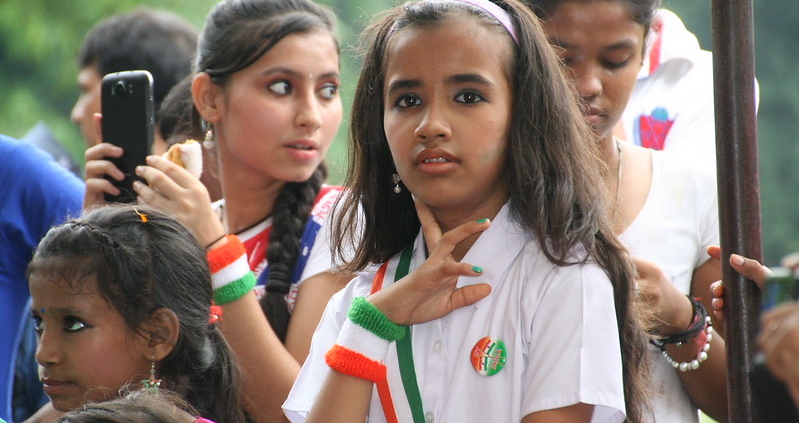
Women’s Empowerment in RwandaWomen in Rwanda have played a pivotal role in improving the country. Their influence and policies have shown how women’s empowerment in Rwanda can reshape a nation’s social and economic landscape. With 63.8% of seats in the Chamber of Deputies held by women, the highest proportion in the world, the country has translated political representation into concrete policies that reduce poverty and improve the quality of life for all.

Increasing Exports

Almost 70% of Rwandan women work in agriculture and the practice covers a third of GDP and accounts for nearly half of all export revenues. Therefore, empowering female farmers in Rwanda is pivotal to increasing the economy. The World Food Programme (WFP) and partners have introduced various initiatives to help reduce gender inequalities, improve food security and support potential female leaders. Farmers are now being taught entrepreneurial skills such as public speaking and governing, as well as innovative farming techniques such as grafting, market access and contract negotiation.

Another major export that Rwanda relies on is coffee. With 400,000 rural smallholder families engaged in production, coffee remains a cornerstone crop in Rwanda. Among the key actors is the Twongere Umusaruro Cooperative (TUK), which works closely with the Relationship Coffee Institute (RCI). Founded in 2013, RCI aims to transform the lives of rural, low-income women coffee farmers by providing training and access to markets. Initially working with 4,000 women, the organization has since expanded to support more than 30,000 coffee growers.

Additional Women’s Centers

Rwanda has established several women’s centers to address gender-based violence, inequality and discrimination, while promoting economic empowerment. Access to justice has improved nationwide, with eight centers providing comprehensive services to survivors of gender-based violence.

Furthermore, Women for Women Rwanda’s program has reached more than 80,000 women, providing training, mentorship and opportunities to build sustainable livelihoods. The organization also works with men through the Men’s Engagement Program (MEP).

Using a “training the trainer” approach, local leaders teach men about women’s rights and gender equality, encouraging them to influence others and create environments where women can reach their full potential. In 2023 alone, 920 men completed the MEP.

Improving Women’s Financial Inclusion

Women in Rwanda are more likely to struggle financially. They face higher unemployment rates and men still hold most managerial positions. To address this, the government has implemented the “Gender Equality Seal” program. If the government deems that a company supports women as much as men, it receives this title and additional benefits. As a result, women’s financial situations have improved, with access to financial products increasing by 11%.

Additionally, the Joint Programme on Accelerating Progress Toward the Economic Empowerment of Rural Women (JP RWEE) works across Africa, including Rwanda and is currently in its second phase. The program focuses on strengthening rural women’s access to finance and ensuring the lasting impact of their knowledge and skills.

Better Health Care

Rwanda has made significant strides in health care for women and children through innovation, technology and targeted interventions. The Rwanda Health Information System (RHIS) has made collecting and managing health data far more efficient. Furthermore, drones have greatly improved medical delivery time, particularly to remote areas.

The RapidSMS program sends pregnant women free text messages with health information, appointment reminders and alerts to health facilities about danger signs in their communities. These innovations have accumulated a global record in reducing maternal mortality. To maintain this progress, Rwanda has introduced maternal death audits, which investigate each case and recommend measures to prevent future fatalities.

Moreover, life expectancy for women in Rwanda has risen to 72 years. Around 97% receive antenatal care and more than 64% of married women use some form of birth control. Prevention of Mother-to-Child Transmission (PMTCT) services are available in 85% of health facilities, effectively eliminating mother-to-child HIV transmission. The government also plans to achieve 100% access to drinking water and electricity, with no significant gender disparities, further supporting women’s health and well-being.

Accessible Education

Rwanda has achieved universal education. Primary education is free and compulsory, with girls’ enrollment in primary school currently standing at 98%. Government programs have led to a more comfortable environment for girls. These include school feeding programs, 12 years of basic education and gender-friendly school environments. As a result, girls’ enrollment in science, technology, engineering and maths (STEM) subjects has risen considerably.

Prior to current initiatives, period poverty forced young women in Rwanda to stay at home. The government introduced Icyumba Cy’umukobwa (The Girls’ Room) to address the issue. These rooms provide a safe space for menstruating girls, offering free sanitary products, beds, pain relief and towels. Experienced female advisors support girls in navigating the challenges of menstruation. Furthermore, Rwanda also removed VAT on sanitary products as a nationwide initiative, continuing the fight to end period poverty for all.

Conclusion

Rwanda’s experience demonstrates that empowering women is a matter of social justice and a powerful driver of national development. From political representation and economic participation to education, health care and social initiatives, women’s empowerment has tangibly reduced poverty, increased productivity and improved quality of life across Rwanda. Women in Rwanda are proving their value and showcasing how sustainable development is inseparable from gender equality. Investing in women is investing in the future of the nation.

– Lysia Wright

Lysia is based in Derby, UK and focuses on Good News and Global Health for The Borgen Project.

Photo: Flickr
October 8, 2025
https://borgenproject.org/wp-content/uploads/borgen-project-logo.svg 0 0 Hemant Gupta https://borgenproject.org/wp-content/uploads/borgen-project-logo.svg Hemant Gupta2025-10-08 03:00:452025-10-07 23:40:04Women’s Empowerment in Rwanda is Driving Poverty Reduction
Financial Instruments, Global Poverty, Women's Empowerment

Women’s Economic Empowerment in Southeast Asia

Women’s Economic Empowerment in Southeast AsiaAcross rural areas of Southeast Asia, self-managed rotating savings and credit associations (ROSCAs) are transforming the economic landscape for women in Vietnam, Cambodia and Myanmar. These community savings and loan groups, built on mutual trust and cooperation, enable women who often lack access to formal banking systems to pool resources, gain capital and invest in small businesses. The ripple effects on household poverty reduction, social capital formation and rural economic diversification are profound, providing a grassroots model for women’s empowerment and inclusive development.

Women’s Economic Empowerment in Southeast Asia

ROSCAs are informal financial groups where members regularly contribute a fixed amount of money into a common fund. This fund is then rotated among members, granting each person access to a lump sum during their turn. Unlike traditional banks, these groups rely on social trust rather than collateral or credit scores, making them especially accessible for women in rural communities where formal financial institutions often exclude them. 

In Vietnam’s Mekong Delta, for example, women farmers participate in ROSCAs to finance agricultural inputs or start small trade ventures. In Cambodia’s Kampong Cham province, these groups help women fund home-based businesses such as weaving or food production. Myanmar’s Chin State has seen women use ROSCA funds to diversify income by investing in poultry or tailoring.

Impact on Poverty and Social Capital

The benefits extend beyond just access to capital. By participating in ROSCAs, women build networks of mutual support and accountability that foster social cohesion. This social capital can be as valuable as the financial resources, encouraging collective problem-solving and resilience in the face of economic shocks.

Studies from the region indicate that households involved in community savings groups experience greater financial stability and reduced vulnerability to poverty. The ability to invest in income-generating activities directly improves livelihoods, while the collaborative nature of these groups enhances women’s confidence and decision-making power within their families and communities.

Driving Rural Economic Diversification

ROSCAs also contribute to broader rural economic diversification. By enabling women to access credit and manage savings, these groups help shift economies away from single-commodity dependence toward a wider variety of small-scale enterprises. This diversification is critical in mitigating risks associated with agricultural price volatility and climate change impacts.

In Cambodia, some ROSCAs have expanded to include group lending and microinsurance schemes. This allows members to pool risks and protect against crop failure or health emergencies. Such innovations demonstrate the potential for ROSCAs to evolve into more complex financial ecosystems tailored to local needs.

Best Practices and Policy Recommendations

Policymakers and development agencies can strengthen the impact of ROSCAs by considering the following:

  • Capacity Building. Provide training on financial literacy and group management to strengthen sustainability.
  • Legal Recognition. Create supportive regulatory frameworks that recognize and protect informal savings groups.
  • Linkages with Formal Finance. Facilitate partnerships between ROSCAs and microfinance institutions or banks to expand access to credit.
  • Inclusive Participation. Promote gender equity and inclusion of marginalized women to ensure broad community benefits.

Governments in Vietnam, Cambodia and Myanmar are increasingly recognizing the importance of grassroots financial mechanisms. Integrating ROSCAs into national poverty alleviation strategies could unlock significant progress toward economic empowerment and poverty reduction.

Looking Ahead

Community savings and loan groups exemplify how local solutions can address systemic barriers and advance women’s economic empowerment in Southeast Asia. By harnessing the power of collective action and social trust, ROSCAs offer a scalable, culturally appropriate path toward financial inclusion. Supporting these groups through policy, capacity building and access to formal financial systems will be vital to sustaining their impact. In a region where millions of women remain financially excluded, grassroots savings associations are not just a means of survival; they are engines of empowerment, transforming lives and communities one cycle at a time.

– De’Marlo Gray

De’Marlo is based in Long Beach, CA, USA and focuses on Business and Technology for The Borgen Project.

Photo: Unsplash

October 7, 2025
https://borgenproject.org/wp-content/uploads/borgen-project-logo.svg 0 0 Precious Sheidu https://borgenproject.org/wp-content/uploads/borgen-project-logo.svg Precious Sheidu2025-10-07 03:00:042025-10-07 01:50:56Women’s Economic Empowerment in Southeast Asia
Global Poverty, Technology, Women's Empowerment

Empowering Liberia’s Women: Socio-Economic Equality in Liberia

Empowering Liberia's WomenIn Liberia, women earn 15% less than men. Yet they are vital and form the backbone of Liberian society. Women play an important role in agriculture and informal markets and own 55% of enterprises. Yet their enterprises are small, less established than those of men and less than 5% of women have formal sector jobs. This means that women are important contributors to the Liberian economy but face significant and ongoing socio-economic inequalities that hinder their potential, sustainable income, and financial equality.

Liberia’s Women Project, Digital Inclusion for Women’s Economic Empowerment and Women Empowerment Forum are three initiatives that are bridging the socio-economic gap and empowering women through technology, training, and programmes designed to increase their financial rights and advocate for change. These initiatives not only empower Liberia’s women but also pave the way for a flourishing and equitable nation.

Liberia’s Women Empowerment Project

Liberia’s Women Empowerment Project (LWEP) utilizes a community-driven and multi-sectoral approach, which has impacted 498 communities across six counties in Liberia. Its strategy involves individual and group-based, income-generating activities such as business training, credit and saving groups and life skills programmes for more gender inclusive training. Most importantly, the project empowers Liberia’s women by teaching them how to increase their confidence and develop sustainable and resilient livelihoods. By strengthening their voices and agency, women become leaders as they engage in household and community decision-making.

Alongside the educational part of the project, it also mobilizes communities and helps change attitudes surrounding women’s socio-economic engagement which is how prejudices start to dismantle.

Digital Inclusion for Women’s Economic Empowerment

Digital Inclusion for Women’s Economic Empowerment focuses on the economic challenges women in rural areas face. Led by U.N. Women, alongside various NGOs, the initiative uses technology to improve financial inclusion and entrepreneurial opportunities for women.

Women in remote areas experience greater economic inequalities than women in urban areas, often only being engaged in subsistence farming that has limited opportunities for increasing business or accessing broader markets. The digital platform Buy from Women connects women to wider markets beyond their area.

Since the launch in 2022, more than 3,000 women have had an income increase through better access to markets powered by the Buy from Women platform. Besides broader market access, women learn about financial literacy and have more growing opportunities to carry out secure transactions and oversee their businesses, income and job opportunities.

Women Empowerment Forum Liberia

Women Empowerment Forum (WEF) enables women across Liberia to become active and influential voices in their communities. The economic empowerment program includes microfinance and entrepreneurship training to assist women in starting businesses. Vocational training workshops provide instructions and discussions on market-driven trades, which women can participate in.

Additionally, community engagement focuses on leadership training where women can practise and engage in local development issues, rights, and opportunities hosted by community forums and workshops. Not only are women taught strategic and confidence-building techniques, but they also have the chance to apply them. Alongside their financial literacy, women can put these into practice in real-life scenarios, while learning about opportunities involving entrepreneurship and business.

This holistic approach empowers women on an individual level but also builds social cohesion and economic stability. WEF has impacted several regions, alongside their increasing partnerships with local and international stakeholders. These initiatives and collaborations have made them a contributing force in Liberia’s path to gender equality.

Empowering Liberia’s Women

All three initiatives adopt a multifaceted approach to break down gender inequalities and build a more equal and prosperous future for women’s socio-economic opportunities in Liberia. By addressing the various hardships women face, from being in remote regions to having their voices suppressed or lacking access to financial literacy information, these initiatives have developed sustainable solutions. At the core, they have raised women’s voices and encouraged women to become leaders of change, self-sufficiency and empowerment in Liberia.

– Jule Riemenschneider

Jule is based in Oxford, UK and focuses on Good News for The Borgen Project.

Photo: Flickr
October 4, 2025
https://borgenproject.org/wp-content/uploads/borgen-project-logo.svg 0 0 Naida Jahic https://borgenproject.org/wp-content/uploads/borgen-project-logo.svg Naida Jahic2025-10-04 01:30:352025-10-04 02:20:47Empowering Liberia’s Women: Socio-Economic Equality in Liberia
Page 3 of 54‹12345›»

Get Smarter

  • Global Poverty 101
  • Global Poverty… The Good News
  • Global Poverty & U.S. Jobs
  • Global Poverty and National Security
  • Innovative Solutions to Poverty
  • Global Poverty & Aid FAQ’s
Search Search

Take Action

  • Call Congress
  • Email Congress
  • Donate
  • 30 Ways to Help
  • Volunteer Ops
  • Internships
  • Courses & Certificates
  • The Podcast
Borgen Project

“The Borgen Project is an incredible nonprofit organization that is addressing poverty and hunger and working towards ending them.”

-The Huffington Post

Inside The Borgen Project

  • Contact
  • About
  • Financials
  • President
  • Board of Directors
  • Board of Advisors

International Links

  • UK Email Parliament
  • UK Donate
  • Canada Email Parliament

Get Smarter

  • Global Poverty 101
  • Global Poverty… The Good News
  • Global Poverty & U.S. Jobs
  • Global Poverty and National Security
  • Innovative Solutions to Poverty
  • Global Poverty & Aid FAQ’s

Ways to Help

  • Call Congress
  • Email Congress
  • Donate
  • 30 Ways to Help
  • Volunteer Ops
  • Internships
  • Courses & Certificates
  • The Podcast
Scroll to top Scroll to top Scroll to top