Grassroots Groups Driving Women’s Empowerment in Haiti
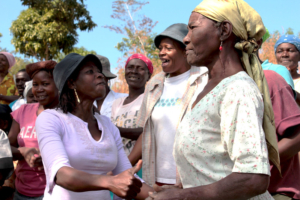 Grassroots groups driving women’s empowerment in Haiti are addressing the deep intersection of poverty and gender inequality in one of the most economically challenged countries in the Western Hemisphere. More than 60% of Haiti’s population lives below the poverty line, with more than 25% in extreme poverty. Despite these conditions, women remain active in the workforce, with a labor force participation rate of 58.3% compared to 69.7% for men.
However, economic participation has not translated into equality. Haiti ranked 163rd out of 170 countries on the Gender Inequality Index and its Gender Development Index score of 0.898 falls well below the regional average of 0.963. These figures highlight that women contribute significantly to the economy but still lack access to resources, financial security and decision-making power.
Barriers Facing Women in Rural Economies
Women in Haiti face persistent structural barriers that limit their economic advancement. In rural areas, where agriculture supports nearly half of the workforce, women play a central role in farming and household management but often lack access to land, credit and formal markets. Environmental challenges such as drought, soil degradation and limited infrastructure further reduce productivity and income stability.
Cultural norms also restrict women’s participation in leadership and higher-paying sectors. For example, in the fishing industry, women are often confined to processing and selling fish while relying on fishermen for supply, which limits their bargaining power. These overlapping challenges reinforce cycles of poverty and economic dependence.
Grassroots Solutions Creating Economic Opportunity
Grassroots groups in Haiti are responding to these challenges through community-led, cooperative-based solutions. One example is the Women’s Initiative from The Haiti Project, which supports women in the rural village of Chermaitre. The initiative began when women came together to share their experiences of hardship and resilience, eventually forming the Chermaitre’s Women cooperative.
This program focuses on developing business skills, strengthening collaboration and creating sustainable income opportunities. By centering local leadership, the initiative ensures that women actively shape their economic futures and build solutions tailored to their community’s needs.
Women’s Empowerment in Haiti
The cooperative model combines economic opportunity with long-term social empowerment. Women in the Chermaitre’s Women cooperative produce goods such as coffee, peanut butter and handmade crafts, including textiles and jewelry, which they sell in local and international markets. By pooling resources and sharing profits, the cooperative reduces financial risk and increases collective bargaining power.
Women use their earnings to pay school fees, invest in agriculture and improve household stability, particularly during periods of environmental stress. Participation also builds financial literacy, confidence and leadership skills. This creates a clear chain of impact: income leads to independence, independence strengthens decision-making power and decision-making power increases women’s influence in their communities.
In this way, these grassroots organizations empowering women in Haiti transform economic participation into meaningful advocacy.
The Impacts of Grassroots Cooperatives on Women
The success of this model reflects a broader global pattern in which grassroots women’s cooperatives drive sustainable development. Evidence shows that cooperatives increase income while also expanding leadership capacity by giving women opportunities to make decisions, manage finances and resolve conflicts. Many women in these groups take on leadership roles for the first time, helping to challenge traditional gender norms.
These cooperatives also support environmental sustainability through activities like reforestation and soil restoration. Globally, gender equality is essential to achieving development outcomes, including poverty reduction, food security and climate resilience. In fact, empowering women is considered critical to achieving all 17 Sustainable Development Goals (SDGs), reinforcing that economic inclusion drives long-term progress.
Funding Gaps Limit Grassroots Impact
However, despite their effectiveness, grassroots organizations in Haiti face significant funding challenges. For instance, of the total $6.43 billion invested in Haiti’s development from 2010-2012, only 0.6% of that funding has gone directly to Haitian-based nonprofit organizations. At the same time, 90% of women-led and women’s rights organizations globally report experiencing funding cuts.
Despite limited resources, grassroots groups in Haiti continue to strengthen leadership, improve safety for women and girls and respond to ongoing crises. This imbalance highlights a critical gap: the most effective, community-based solutions often receive the least financial support. Expanding direct investment would allow these organizations to scale their impact and reach more women.
A Path Toward Sustainable Change
Ultimately, women’s grassroots groups in Haiti demonstrate that economic empowerment can drive lasting social change. Programs like the Women’s Initiative show that when women gain access to income, skills and leadership opportunities, they do more than support their families; they strengthen entire communities. Expanding support for grassroots, cooperative-based initiatives offers a clear pathway toward reducing poverty, advancing gender equality and building a more sustainable future for Haiti.
– Kianna Hines
Kianna is based in Brooklyn, NY, USA and focuses on Global Health for The Borgen Project.
Photo: Flickr
