• Link to X
  • Link to Facebook
  • Link to Instagram
  • Link to TikTok
  • Link to Youtube
  • About
    • About Us
      • President
      • Board of Directors
      • Board of Advisors
      • Financials
      • Our Methodology
      • Success Tracker
      • Contact
  • Act Now
    • 30 Ways to Help
      • Email Congress
      • Call Congress
      • Volunteer
      • Courses & Certificates
      • Be a Donor
    • Internships
      • In-Office Internships
      • Remote Internships
    • Legislation
      • Politics 101
  • The Blog
  • The Podcast
  • Magazine
  • Donate
  • Click to open the search input field Click to open the search input field Search
  • Menu Menu

Archive for category: Women & Children

Activism, Advocacy, Education, Foreign Aid, Global Poverty, Nonprofit Organizations and NGOs, Philanthropy, Women & Children, Women and Female Empowerment

Empowering Education: Girls Learn International

Girls_Learn_International
One in six girls in the developing world will not complete an education past the sixth grade.  Add this sobering statistic to shocking numbers which illustrate that the entire continent of Africa has less than a 60% literacy rate, and one can see just how many challenges in completing an education the youth of the developing world face.  However, girls in particular face an even greater challenge due to the widespread gender inequalities that still exist.

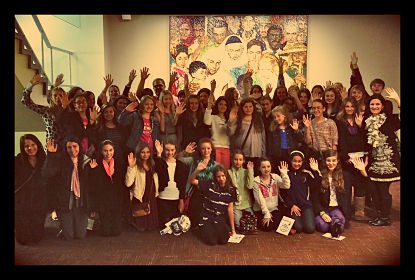
Girls Learn International (GLI) is a nonprofit, student-run organization and movement that encourages U.S. students to promote education for women throughout the world.  Lisa Alter founded the movement with her two teenage daughters in 2003.  Alongside Arielle and Jordana, Lisa began to inspire various youths to get involved in humanitarianism and women’s rights while still in school.  As a result, GLI currently has 114 chapters in over 26 states across the country. GLI also boasts partnerships with 47 schools in 11 countries, including Afghanistan, India, and Ghana.

Countries not providing equal access to education for women will end up losing out on $92 billion for their respective economies, according to Girls Learn International.  Additionally, 7 million cases of HIV/AIDS could be prevented if every child received a primary education, hence why GLI lives by the creed, “Women’s Education is a Basic Human Right.”

Furthermore, GLI has numerous partnerships and sponsors.  GLI is part of the Feminist Majority Foundation, the  Feminist Campus, and is a sister organization to Ms. Magazine.  The organization has also partnered with the Global Campaign for Education’s U.S. Chapter while also fielding a delegation to the United Nations Commission of the Status of Women.

The organization seeks to empower young women and have them take initiatives towards working for global education.  However, gender equality cannot be achieved without the contributions of idealistic young men as well.  To drive this point home, GLI boasts having an all boys’ chapter in Pennsylvania.  Regardless of gender, if you are a young person interested in providing education for women everywhere, GLI is the organization for you.

– Taylor Diamond

Sources: Girls Learn International, Global Campaign for Education
Photo: The Alternative Press
January 15, 2014
https://borgenproject.org/wp-content/uploads/borgen-project-logo.svg 0 0 Borgen Project https://borgenproject.org/wp-content/uploads/borgen-project-logo.svg Borgen Project2014-01-15 08:49:032024-06-04 03:01:13Empowering Education: Girls Learn International
Women & Children

Maternal Mortality in Afghanistan

Maternal Mortality in Afghanistan
In recent years, Afghan women have achieved significant social, economic, political and cultural gains that affect their quality of life. Despite these improvements, the country is still burdened with one of the highest maternal mortality rates in the world. According to UNICEF, 1,800 women die for every 100,000 births; most of these deaths are highly preventable, making it a serious public health concern.

The most common complication resulting in the death of the mother is post-partum hemorrhaging. Most Afghan women give birth in their homes, whether by choice or because of rural location. The differences in maternal mortality rates by region reflect the lack of resources and lack of access to health facilities. Most of the rural home-births are done without the presence of a skilled birthing attendant, increasing the risk for the mother.

UNICEF estimated that only 7 percent of women who died used a birthing attendant. Another challenge Afghan women face is access to hemorrhaging preventing drugs. Inexpensive drugs that simply don’t reach parts of rural Afghanistan where it is needed the most, due to conflict or allocation complications.

Afghanistan’s shortage of midwives and antihemorrhagic drugs are not the only two factors contributing to the high mortality rate. Lack of education, political participation, social and cultural practices also play large roles.

Women forced into marriages at a young age is not uncommon. Since contraception is not widely used, women also get pregnant at very young ages. When a woman is 14 or 15, the body is usually not developed enough to naturally carry a child. Women having children at a young age is arguably the greatest biological danger for a mother and her child. High maternal mortality rates directly effect infant mortality rates. When the mother of a newborn dies, the child only has a 1 in 4 chance of surviving the first year of  its life.

UNICEF and the Center for Disease Control make several recommendations aimed at improving the lives of women and reducing the maternal mortality rates: establishing health care services in rural areas that are equipped with essential drugs and able to perform cesarean sections, assisted deliveries and safe blood transfusions as necessary; increasing the number of trained birth attendants, midwives and nurses; providing education programs on recognizing pregnancy complications; and building and repairing roads to make health care facilities more easily accessible.

– Maris Brummel

Sources: New Security Beat, Huffington Post, UNICEF

January 1, 2014
https://borgenproject.org/wp-content/uploads/borgen-project-logo.svg 0 0 Borgen Project https://borgenproject.org/wp-content/uploads/borgen-project-logo.svg Borgen Project2014-01-01 17:00:322024-05-26 22:59:38Maternal Mortality in Afghanistan
Family Planning and Contraception, Global Poverty, Women & Children

Universal Access Project

The Universal Access Project’s mission is to achieve the fifth Millennium Development Goal to provide universal access to reproductive health care by 2015.

Today, roughly 222 million women lack the simple luxury in their lives of family planning services. To provide such services would not only help these women; it would improve overall global health, strengthen communities, decrease death rates of mothers and newborns and help alleviate global poverty.

The choice and the freedom to decide if and when to bear a child belong in the category of basic human rights. Providing easy access to contraceptives for women in third-world countries ensures that everyone may enjoy the same rights, and is predicted to reduce the amount of unwanted pregnancies worldwide from 7.5 million to 22 million.

The Universal Access Project is chiefly focused on informing and mobilizing U.S. policy makers to support international reproductive health as a major element of U.S. foreign development assistance.

Although often overlooked in the shadow of seemingly more important and immediate issues, universal access to reproductive health care deserves attention. Studies conducted in Zambia have shown that one dollar invested in family planning saves four dollars in other health related issues over time; it also reduces newborn deaths by 44%.

Annually, about 350,000 women die from pregnancy and childbirth complications, making it the leading cause of death for women in developing countries. By providing them with family planning options, this number may be reduced by one-third – over 100,000 deaths prevented each year.

A website has been created in affiliation with the Universal Access Project – WhyWeCare.org – which compiles essays by 15 prominent leaders from different fields across the globe who support the initiative. Their stories are personal, touching and motivational, giving readers an accurate and related sense of urgency in regards to this project.

Although 2015 is a little more than a year away, founders of the project and members of the UN Foundation remain confident in its future success. Since the initiative’s start in 2008, U.S. funding for family planning has witnessed a 30% increase.

In the words of CNN news network founder and philanthropist Ted Turner (who is also a contributor to WhyWeCare.org), “Complications from pregnancy are the leading cause of death of women in their reproductive years, killing an average of 1,000 women per day. That number is just plain unacceptable in this day and age.”

– Natalia Isaeva

Sources: UN Foundation, K4Health, WhyWeCare.org
Photo: The Trenches

December 28, 2013
https://borgenproject.org/wp-content/uploads/borgen-project-logo.svg 0 0 Borgen Project https://borgenproject.org/wp-content/uploads/borgen-project-logo.svg Borgen Project2013-12-28 04:00:202024-12-13 17:49:51Universal Access Project
Advocacy, Children, Global Poverty, Health, Human Rights, Human Trafficking, Slavery, Women & Children

Human Trafficking in the Philippines

philippines_human_trafficking
New Jersey Congressman Chris Smith and his congressional team traveled to the Philippines earlier this week to meet with victims, aid workers and government officials in the regions hit by Super Typhoon Hayian.  The U.S. government has spent $50 million in emergency aid to the Philippines, providing much needed food, water and emergency medical care. However Smith says that rising human trafficking in the Philippines is also a major issue. The Philippines is a large source for both sex and labor human trafficking. The poor are especially vulnerable to human trafficking in the aftermath of natural disasters when they have lost their homes as well as their communities and are looking for a way out.

Congressman Ed Royce hosted a house committee on foreign affairs hearing in Fullerton California on November 27, 2013.  One of the speakers was Angela Guanzon, who traveled to the U.S. from the Philippines in 2006 in hopes of a better life. “I worked 18 hour days and had to sleep on the floor in a hallway,” Guanzon said. “My co-workers and I were threatened if we tried to escape.”

Human trafficking is what the State Department, law enforcement officials and NGOs are calling “modern day slavery.” Following narcotics, it is the second most profitable criminal enterprise worldwide and the Philippines has the second largest victim population. Many poverty stricken Filipino women leave their families in the hope supporting them from abroad.

Approximately 1 million Filipino men and women migrate each year, currently there are 10 million Filipinos living abroad. Many of these workers are subject to forced labor and harsh conditions, not just in the U.S., but in Asia and the Middle East as well.  Women who work in domestic positions often suffer violence, sexual abuse and rape. Traffickers use local recruiters in villages and urban centers who often pretend to be representatives of government sponsored employment agencies.  Furthermore, victims are required to pay “recruitment fees” that leave the workers vulnerable to forced labor, debt bondage and prostitution.

Many Filipinos live in poverty and are often swayed by recruiters who offer work and a better life. Furthermore, the vast majority of victims are also women and girls; 300,000-400,000 are women and 60,000 -100,00 are children; over 80% are females under the age of 18.

To combat this, the Philippines government created the Anti-Trafficking in Persons Act of 2003 and has made minor improvements since then. For example, it increased funding to the anti-trafficking agency from $230,000 to $1.5 million and went from eight full time staff members to 37. They were also able to repatriate 514 Filipinos from Syria in the winter of 2012, 90% of whom were trafficked. Even with an upgraded version of the Anti-Trafficking in Persons Act of 2003, much work still needs to be done in the Philippines and in the U.S. to ensure that women and the poor in the Philippines are not vulnerable to modern day slavery.

– Lisa Toole

Sources: CNN, NJ.com, ABS CBN, HumanTrafficking.org
Photo: The Guardian

December 21, 2013
https://borgenproject.org/wp-content/uploads/borgen-project-logo.svg 0 0 Borgen Project https://borgenproject.org/wp-content/uploads/borgen-project-logo.svg Borgen Project2013-12-21 04:00:182017-03-20 13:10:51Human Trafficking in the Philippines
Global Poverty, Poverty Reduction, Women & Children

The Impact of Poverty on Life Expectancy

Laotian_Kids_in_Village_Poverty_Inequality_Poor_opt
The numbers on poverty are stunning.

One in three people do not have access to electricity. One in three children and one in seven adults suffer from malnutrition. One in five people do not have access to safe drinking water.

The experience of inequality and poverty based suffering is reported again and again in reports issued by international organizations ranging from the UN to the World Bank to the FAO. Poverty robs people of dignity and health to the point that life expectancy falls along with security and quality of life. When the basic rights and needs of people are not met and they are trapped in the cycle of poverty there is an accrued toll on human life. Poverty is so threatening and destabilizing to individual safety and health that it robs people of years of life because the cost and cumulative damage is so great.

The numbers of life lessened by poverty add up each and every day. Every five seconds a child dies of hunger; Every five minutes 19 children under five years of age die of pneumonia; Due to inadequate and substandard medical care, 500,000 mothers every year die in childbirth; five million children every year do not survive to celebrate their fifth birthday.

These numbers imply that there is an inherent cost of life for those who are not privileged and wealthy. In our globalized society, access and participation – which are fundamental aspects of human rights – are not truly guaranteed and protected. One in five, or almost 20 percent of the global population, face barriers to access to food and are unable to participate in the global economy.  Just over 300 million people worldwide have a life expectancy of less than 60 years, partially due to nutrient deficient and incomplete diets as well as the array of maladies and disease that stem from malnutrition and systemic poverty.

Thirty- five percent of the world population does not receive enough protein, and therefore not enough physical energy to function and work normally. Globally, there are 2 billion people who are anemic, including 5.5 million people who reside in countries of wealthy western capitalism.

In the United States, poverty is concentrated along the southern poverty belt stretching from New Mexico, across the deep south and Tennessee and Kentucky, to the Carolinas and Georgia.

A new CDC study recently revealed that states where more than 1 in 3 people live in high poverty areas reported the lowest life expectancy. In regions of poverty like this, burdens such as limited health care, higher crime rates, and poor schools and housing can keep people trapped in poverty and rob them of potential years of life.

Not just being poor, but living in areas blighted by poverty can mean a shorter life span and a stolen future for many people. Underperforming schools, few job opportunities, higher crime rates, poor nutrition and food access, lack of health care and housing all add up to shorter, unhealthier, impoverished lives.

This is no longer an issue of individual security, but larger issues of development, human rights, and economic stability. In order to truly tackle poverty we have to tackle the root causes of inequality, conflict and government corruption. Only when equal access to food and equal enjoyment are obtained can we reach the level of global security where poverty and malnutrition no longer threaten entire countries and limit chances for development and justice.

– Nina Verfaillie
Feature Writer

Sources: Mission Allende, Pravda

December 6, 2013
https://borgenproject.org/wp-content/uploads/borgen-project-logo.svg 0 0 Borgen Project https://borgenproject.org/wp-content/uploads/borgen-project-logo.svg Borgen Project2013-12-06 17:33:172015-01-27 10:09:30The Impact of Poverty on Life Expectancy
Global Poverty, War and Violence, Women & Children

Ethnic Tension Stirs Violence in China’s Far West

Ethnic Tension Stirs Violence in China’s Far West
Xinjiang, China’s far-western region recently witnessed its first new case of violence since the riots that sprung up in June 2013. In the town of Selibuya, a mob bearing axes attacked a police station on Saturday, November 16. In total, 11 people were killed, nine of whom were a part of the mob, and two who were assisting the police.

Xinjiang is home to great ethnic tension, which has led to unpredictable bursts of violence throughout the year. Ethnic conflict exists between Muslim Uighur and Han Chinese communities. The ethnic conflict has created a great sense of instability and posed a major security threat to Chinese leaders.

Many Chinese are blaming the region’s unrest on the Uighur community–ethnic Uighur separatists who make up the minority in an otherwise Han Chinese region. Uighurs are widely known to practice Islam in China, something that is highly monitored by the authorities.

Some of the Uighurs who have carried out violent attacks in Xinjiang are believed to be tied to terrorist operations overseas. When interviewed, Uighurs deny such claims and instead argue against the growing disparities in class between their community and the dominant Han Chinese community.

The Uighur minority argue that the Mandarin-speaking Han Chinese receive many more jobs than them because they must face Mandarin language barriers, which often disqualifies them in the running for jobs. Uighur communities continue to grow upset, as economic development has led huge numbers of Han Chinese to areas traditionally occupied by Uighurs. The socioeconomic discrimination that the Uighur community feels, coupled with increasing ethnic tension between themselves and Han Chinese have created many violent uprisings over the years.

The first outbreak of violence this year occurred in June in Xinjiang’s city of Turpan when a mob wielding knives stormed police stations and a government building. The riot resulted in the death of 27 people, after rioters who stabbed civilians and lit police cars on fire were shot down by the police force. Although the origin of this riot was never confirmed, it is believed to have stemmed from the oppression and aggravation of the Uighur community by the Chinese government.

As an Islamic minority, Uighurs face pressure from many sides to conform to the dominant culture and give up certain practices like men growing beards and women wearing the veil. Ethnic division and violent turmoil will continue in Xinjiang as long as the tension between Uighur communities and the Han Chinese exist.

– Chante Owens

Sources: BBC News, The Wall Street Journal

December 6, 2013
https://borgenproject.org/wp-content/uploads/borgen-project-logo.svg 0 0 Borgen Project https://borgenproject.org/wp-content/uploads/borgen-project-logo.svg Borgen Project2013-12-06 04:00:172016-12-15 08:24:23Ethnic Tension Stirs Violence in China’s Far West
Gender Equality, Global Poverty, Health, Women & Children

CGI Tackles Maternal Health in Peru

peru_maternal_health
In September 2013, the Clinton Foundation’s Clinton Global Initiative annual meeting, with the Batey Relief Alliance, introduced a commitment to improving malnutrition and maternal health in Lima, Peru. The meeting brings together leaders from all around the world to help brainstorm, create, and implement innovative solutions for some of the world’s most concerning challenges.

According to the World Health Organization, 1 in 3 of deaths, of children ages five and under, is caused by malnutrition. Micronutrients, therefore, are essential for good health. Lacking proper amounts of micronutrients, specifically during pregnancy, can result in serious health issues.

Working with the Peruvian Ministry of Health, Caritas-Lima, and Vitamin Angels, the Batey Relief Alliance will train and send  150 Community Health Promoters to dispense multivitamins, Vitamin A, and anti-worm medicines on a quarterly basis for two years to schools, medical clinics, and community centers alike.

“This is a serious issue we are committed to addressing in Peru, where 34.8% of Peruvians live below the poverty line and maternal mortality death is 98 deaths per every 100,000 births, the majority of which are due to micronutrient deficiency,” said Ulrick Gillard, founder and CEO of the Batey Relief Alliance.

Batey Relief Alliance’s Health Promoters will also educate entire communities about health crises and further prevention techniques. Hopefully, in two years, the Alliance will improve the health and lives of about 2,000 children and 450 pregnant or nursing women.

– Sonia Aviv

Sources: Reuters, World News
Photo: World Bank

October 25, 2013
https://borgenproject.org/wp-content/uploads/borgen-project-logo.svg 0 0 Borgen Project https://borgenproject.org/wp-content/uploads/borgen-project-logo.svg Borgen Project2013-10-25 17:52:192016-02-16 11:59:33CGI Tackles Maternal Health in Peru
Children, Education, Global Poverty, Slums, Women & Children, Women and Female Empowerment

Adolescent Girls, Bearing the Brunt of the Burden


“I am 17 years old. In the relief camp, when I was sleeping in the night, I was raped. I did not know what had happened to me. I do not know the face of the man. I had heavy bleeding…now I see some disturbances in my body and when my mother took me to the hospital, I was told I am pregnant”.

This is what a young girl from Tamul Nadu in India experienced after a tsunami devastated her hometown. Like her, millions of other girls in developing countries are the hardest hit by disasters in comparison with other segments of the population. Not only do women receive non-preferential treatment during emergency rescues, but they are also at a greater risk of sexual exploitation, child marriage, and being deprived of an education.

According to a report released by Plan International, a child rights NGO, girls fare far worse during disasters than the rest of the population. Given their gender, age, and humanitarian status, girls and women experience a triple disadvantage during crises since pre-existing inequalities and vulnerabilities are exacerbated.

In this way, a 14-year-old girl in a slum will experience a flood or an earthquake differently from a 14-year-old boy in the same situation. Such is the case of a son and a daughter who were swept away by a tidal surge in a cyclone that hit Bangladesh in 1991. The father of these children is cited as saying that he could not hold on to both and had to release his daughter because “his son had to carry on the family line.”

In other cases, adolescent girls and women are driven to sell sex because they have no alternative to feed themselves and their children. “I don’t work. I don’t have parents to help. So, for around a dollar, you have sex just for that…it’s not good to do prostitution, but what can you do?” said Gheslaine, who lives in a camp in Croix-de-Bouquets in Haiti.

Disasters also lead to an increase in child marriages. Research in Somaliland, Bangladesh and Niger found that child marriage is often used as a community response to crises in which girls are sold for income and food. In Niger, girls are taken out of school, wed and impregnated at the age of 13. Many of them suffer from fistula (a rupture between the birth canal and bladder caused by prolonged obstructed labor) and die.

One of the least prioritized issues during disasters is facilitating education for girls. Although most families would rather continue education for boys rather than girls, girls who receive an education are more likely to be healthy, marry later in life, and survive into adulthood. In fact, it is one of the most important determinants of practically all desired outcomes related to the Millennium Development Goals, from poverty reduction, to reduced infant mortality rates, and to enhanced democratization.

Despite the evidence that confirms that the empowerment of women has a transformative power in all types of societies, this study reveals that the rights to protection, education, and participation are still not granted to most women and girls, especially during crises.

– Nayomi Chibani
Feature Writer

Sources: IRIN, Plan International
Photo: UNHCR

October 25, 2013
https://borgenproject.org/wp-content/uploads/borgen-project-logo.svg 0 0 Borgen Project https://borgenproject.org/wp-content/uploads/borgen-project-logo.svg Borgen Project2013-10-25 08:39:292024-05-25 00:28:01Adolescent Girls, Bearing the Brunt of the Burden
Global Poverty, Health, Human Rights, Women & Children

Imprisoned for Miscarrying?

Imprisoned for Miscarrying
Last month in El Salvador, a judge sentenced 19 year-old Glenda Xiomara Cruz to prison for 10 years. Her crime? Miscarrying.

In October of 2012, Xiomara, experiencing excruciating abdominal pain and bleeding, sought medical treatment at a public hospital. Unaware that she was even pregnant, as she’d experienced no weight gain and a pregnancy test had come back negative, doctors told her she’d lost a baby. Four days later, the teenager had been reported by the hospital to the police for suspected abortion and charged with aggravated murder. A year later, she’s been sentenced to ten years in prison by a judge who told her “she should have saved her baby’s life.”

Xiomara’s unfortunate fate is the result of El Salvador’s strict abortion law. The law is so strict, in fact, that since 1998 abortions have been completely banned without any exception, even in cases of rape, fetal deformity, or if the mother’s life is at risk.

Twenty-eight year-old Maria Teresa Rivera’s story parallels Xiomara’s and further illustrates the tragic consequences of such a harsh law. Last year, she too sought medical treatment for bleeding and abdominal pain and was reported to authorities by the hospital after suffering a miscarriage. Teresa was sentenced to 40 years in prison for aggravated murder. A textile worker and her family’s main provider, going to jail meant leaving her eight year-old son in extreme poverty.

A study done by the Citizens’ Group for the Decriminalization of Abortion supports the statement that this law overwhelmingly affects those living in poverty. The study found that, since 2000, more than 200 women have been reported to the police on abortion charges — the vast majority of these women were poor, unmarried and with little education. Comparatively, not a single woman has been reported from the richer private healthcare sector — where abortions are believed to be performed regularly.

More than unfairly imprisoning women and tearing apart families, the law also has devastating consequences for women’s health. Bessy Ramirez of San Salvador enunciates one of the numerous harmful effects of the law: “I would be terrified to go a public hospital as there is no benefit of doubt given to young women, we are presumed guilty and jailed.” For poor women, however, public hospitals represent their only medical treatment option.

In addition to deterring women from seeking medical treatment, the law likely also has a role in boosting the occurrences of suicide. Health Ministry figures from 2011 identify suicide as the most common cause of death for 10-19 year-old girls; half of these girls were pregnant. Further, because it is illegal for women to terminate pregnancies even in cases where the mother’s health is threatened, the inability to treat pregnancy complications is the third most common cause of maternal mortality.

Amnesty International’s El Salvador expert Esther Major calls the abortion law “cruel and discriminatory” saying that “women and girls end up in prison for being unwilling, or simply tragically unable, to carry the pregnancy to term. It makes seeking hospital treatment for complications during pregnancy, including a miscarriage, a dangerous lottery.” Unfortunately, as in innumerable other instances, it’s a lottery women in poverty are most likely to lose.

– Kelley Calkins

Sources: BCC, Slate

Photo: Vice

October 24, 2013
https://borgenproject.org/wp-content/uploads/borgen-project-logo.svg 0 0 Borgen Project https://borgenproject.org/wp-content/uploads/borgen-project-logo.svg Borgen Project2013-10-24 17:54:592024-12-13 17:49:45Imprisoned for Miscarrying?
Global Poverty, Slavery, Women & Children

Walk Free Foundation Says Nearly 30 Million Trapped in Slavery

ghana_slavery
A report released by the Walk Free Foundation has revealed that approximately 29.6 million people are kept in various forms of slavery. Among these are sexual exploitation, debt bondage, and forced marriage.

China, India, and Pakistan are among the worst offenders, with an estimated 18 million slaves combined. Although there are fewer slaves, Mauritania and Haiti have the highest proportion of slaves, with approximately 3 and 2 percent of their respective populations being held in slavery.

“Today some people are still being born into hereditary slavery, a staggering but harsh reality, particularly in parts of West Africa and South Asia,” the report states.

“Other victims are captured or kidnapped before being sold or kept for exploitation, whether through ‘marriage,’ unpaid labor on fishing boats, or as domestic workers…Others are tricked and lured into situations they cannot escape, with false promises of a good job or an education.”


Facts on Modern Slavery


Many of the slaves in Haiti are children, which stems from the cultural practice called “restavek,” where poor families send their children to work for richer families in exchange for room and board. This arrangement often leads to abuse, as well as the children running away. These runaways can end up being trafficked into prostitution or forced begging.

Servile marriages make up a large portion of the problem in India. With an inefficient legal system, victims are discouraged from seeking help from law enforcement. Those without identification papers are especially vulnerable, with no means of proving their identity.

The report also shows that no country is free from slavery, with 59,000 people enslaved in the United States, 6,000 in Canada, and 4,500 in the United Kingdom. Iceland is at the bottom of the list in both absolute and per capita, with less than 100 slaves.

– David Smith

Sources: Al Jazeera, Global Slavery Index
Photo: The CNN Freedom Project

October 22, 2013
https://borgenproject.org/wp-content/uploads/borgen-project-logo.svg 0 0 Borgen Project https://borgenproject.org/wp-content/uploads/borgen-project-logo.svg Borgen Project2013-10-22 14:57:282024-06-04 01:17:32Walk Free Foundation Says Nearly 30 Million Trapped in Slavery
Page 15 of 16«‹13141516›

Get Smarter

  • Global Poverty 101
  • Global Poverty… The Good News
  • Global Poverty & U.S. Jobs
  • Global Poverty and National Security
  • Innovative Solutions to Poverty
  • Global Poverty & Aid FAQ’s
Search Search

Take Action

  • Call Congress
  • Email Congress
  • Donate
  • 30 Ways to Help
  • Volunteer Ops
  • Internships
  • Courses & Certificates
  • The Podcast
Borgen Project

“The Borgen Project is an incredible nonprofit organization that is addressing poverty and hunger and working towards ending them.”

-The Huffington Post

Inside The Borgen Project

  • Contact
  • About
  • Financials
  • President
  • Board of Directors
  • Board of Advisors

International Links

  • UK Email Parliament
  • UK Donate
  • Canada Email Parliament

Get Smarter

  • Global Poverty 101
  • Global Poverty… The Good News
  • Global Poverty & U.S. Jobs
  • Global Poverty and National Security
  • Innovative Solutions to Poverty
  • Global Poverty & Aid FAQ’s

Ways to Help

  • Call Congress
  • Email Congress
  • Donate
  • 30 Ways to Help
  • Volunteer Ops
  • Internships
  • Courses & Certificates
  • The Podcast
Scroll to top Scroll to top Scroll to top
