• Link to X
  • Link to Facebook
  • Link to Instagram
  • Link to TikTok
  • Link to Youtube
  • About
    • About Us
      • President
      • Board of Directors
      • Board of Advisors
      • Financials
      • Our Methodology
      • Success Tracker
      • Contact
  • Act Now
    • 30 Ways to Help
      • Email Congress
      • Call Congress
      • Volunteer
      • Courses & Certificates
      • Be a Donor
    • Internships
      • In-Office Internships
      • Remote Internships
    • Legislation
      • Politics 101
  • The Blog
  • The Podcast
  • Magazine
  • Donate
  • Click to open the search input field Click to open the search input field Search
  • Menu Menu

Archive for category: Water

Aid, Global Poverty, Water

Know Your Cause: The Natives in the Amazonian Rainforests

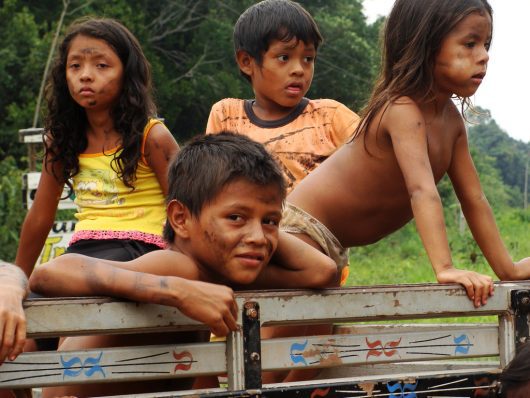
Know Your Cause: The Natives in the Amazonian RainforestsThe Amazonian Center for Environmental Resources (ACEER) is a nonprofit organization focused preserving the Peruvian and Amazonian rainforests. With climate change and deforestation at the forefront of global issues at the moment, the organization does its part by educating on rainforest preservation. ACEER’s contributions don’t just help the environment, its work also strives to reduce global poverty by helping the natives in the Amazonian rainforests and Peruvian regions.

ACEER’s work to decrease deforestation helps the natives in the Amazonian rainforests keep their homes. Deforestation destroys the habitats of many animal and plant species which also destroys indigenous peoples’ home as the forests serve as their main source of food and shelter.

The organization’s AMIGOS! program strives to give the children in Amazonian areas a quality education. The AMIGOS! program does a lot to help the Peruvian schools in cities such as Puerto Maldonado and Iquitos and rural areas. The program has been around since 1995, teaching hundreds of children about rainforest ecology, history and conservation every year. AMIGOS! uses creative ways to teach those subjects, such as their Puppet House which feature characters like Yoqui the Brave Pirate who teaches children about protecting the rainforest’s ecosystems.

There is also a school-village partnership program to participate in community service projects such as installing solar pasteurization systems for clean drinking water and offering workshops for medicinal plant gardening. Since these Peruvian schools are one-roomed schools with almost no textbooks and few supplies, teachers lack resources to give children a quality education. American schools provide supplies such as pencils, chalkboards, and exercise books to these schools in need.

The organization also provides programs to study the water quality in the rainforests to ensure there is drinking water for the natives in the Amazonian rainforests as well as the wildlife. One such program is the Leaf Pack Program which has a network of teachers, students, and others studying the water quality in streams by using an experimental kit. The Leaf Pack experimental kit collects samples from a local stream and shares the data to determine if the water is safe enough to drink.

In 2012, ACEER received a major grant from the Blue Moon Fund to conduct ecosystem assessment along the Transoceanic Highway in Peru to make sure the water is drinkable. This organization has also worked with TriVita Inc. to bring safe drinking water to the Amazonian village by installing new surface water systems in 2014.

ACEER’s work does a lot to save the rainforest, but helping the environment has also helped the locals who live there. After all, global poverty and environmental issues are closely linked, so the efforts of this organization work with both issues to make the world better.

– Emma Majewski

Photo: Flickr
February 12, 2017
https://borgenproject.org/wp-content/uploads/borgen-project-logo.svg 0 0 Borgen Project https://borgenproject.org/wp-content/uploads/borgen-project-logo.svg Borgen Project2017-02-12 01:30:472024-06-05 04:37:51Know Your Cause: The Natives in the Amazonian Rainforests
Global Poverty, Health, Water

Water Quality in Lebanon

Quality in LebanonLocated along the eastern edge of the Mediterranean Sea and sandwiched between Syria and Jordan, the country of Lebanon seems to thrive in an otherwise dry and arid region of the world. In the Middle East where neighboring countries are strapped for sufficient and renewable water resources, Lebanon is fortunate to have the benefit of a coastal border as well as above adequate rainfall. The greatest strength for the country’s water supply stems not from the water itself, but from the efforts that are being made to improve the water quality in Lebanon.
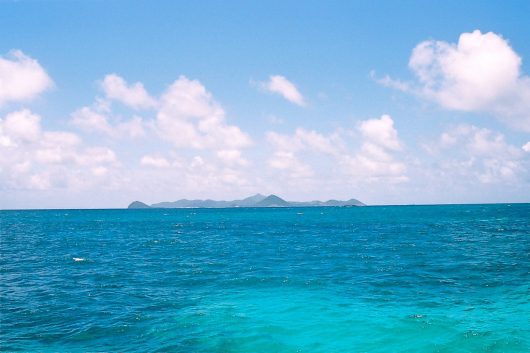
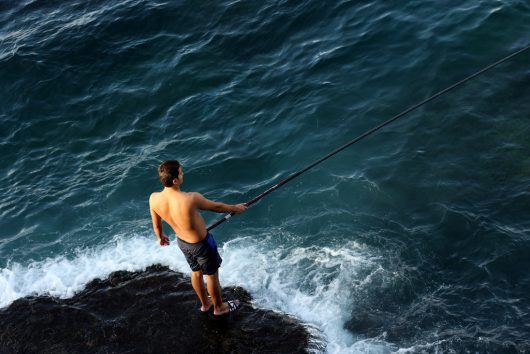
According to the CIA World Factbook, Lebanon has a population of 6.2 million. The majority of this number lives along the Mediterranean coast, with approximately one-third of the population concentrated in the capital city of Beirut and its immediate surrounding areas. Although the area may be rich in the plenitude of beaches, the water quality in Lebanon is impacted by pollution that greatly restricts use and supply.

Most of the country’s water is used for agriculture, which necessitates the use of pesticides and other harsh elements. These toxins seep back into the underground supply through irrigation, causing more pollution to the measure of water quality in Lebanon. Open dumps where sewage and industry waste are deposited into the Mediterranean exist along the entirety of the country’s western sea border. The water that is collected from the sea and river basins is often contaminated with the sewage deposits, while poor filtration can lead to high amounts of sodium and chloride intrusions.

The population concentration in Beirut further erodes the water quality in Lebanon. Water is rationed throughout the country, while inadequate water transportation systems corrode existing pipelines. Many have access to water for only a few hours a day. Those who can afford to buy bottled water do. Those not financially capable of this luxury resort to digging their own wells for water, causing them to consume water from the underground water supply that has been poisoned by agricultural irrigation.

Water-related infections and diseases are common across the country. Diarrhea, dysentery, typhoid and hepatitis have all been reported. Public outrage over the inferior water quality in Lebanon has led to public debate and advocacy work, causing encouraging responses from both the local and international communities.

The World Bank created the Greater Beirut Water Supply Project in 2010 to address the sparse water supply for the high population concentration. The project is planned for completion in 2019 with the goal to provide poor households in south Beirut with water pipeline connectivity. The country’s parliament also passed the National Water Sector Strategy in 2012, a plan to invest in the infrastructure to ensure better water quality in Lebanon and more reliable delivery.

The United States is also involved in the efforts to improve the water quality in Lebanon. In 2013, the Lebanon Water Project was started with the help of the United States Agency for International Development (USAID). This five-year project’s goal is to address infection and diseases caused by poor water quality in 1,200 schools across the country. So far, the project has installed new water tanks and updated filtration systems in more than 400 schools. These organizations and projects are helping to ensure that the Lebanese population, regardless of location, will have better access to clean and affordable water.

– Jeffery Silvey

Photo: Flickr

February 2, 2017
https://borgenproject.org/wp-content/uploads/borgen-project-logo.svg 0 0 Borgen Project https://borgenproject.org/wp-content/uploads/borgen-project-logo.svg Borgen Project2017-02-02 01:30:532024-12-13 17:56:35Water Quality in Lebanon
Global Poverty, Health, Water

Concerns of Water Quality in Dominica

Quality in Dominica
Dominica tourists and residents can rest easy. According to a Nov. 22, 2016 statement from the Dominica Water and Sewerage Company Limited (DOWASCO), the water quality in Dominica follows World Health Organization requirements and is safe to drink.

On November 21, 2016, Dominica was rattled with social media rumors claiming that the water caused illness in two tourists, resulting in one’s death. The viral message, spread through WhatsApp, warned readers to boil water before drinking after an investigation revealed toxins affecting the liver.

The next day, DOWASCO swiftly responded, advising that the water was tested daily, and during the September-November 2016 testing period, the presence of coliform bacteria was at zero or less than one colony-forming unit per 100 millimeters. DOWASCO reported that these results were within World Health Organization (WHO) drinking water guidelines. Results in hand, DOWASCO fired back at the rumor, calling them “baseless and slanderous and against the best interest of the public.”

Despite DOWASCO’s assurances, the Dominican government swiftly entered the fray to conduct its own investigation. On November 23, 2016, the Ministry of Health (MoH) held a press conference to address the issue. Chief Medical Officer David Johnson supported DOWASCO’s statement and reiterated that the rumor was without merit and caused unwarranted concern to residents and visitors.

Johnson reported that the MoH actively monitors drinking water quality in Dominica through weekly field tests, biweekly bacteriological analyses and annual sanitary assessments of all the water collection points in Dominica. He stated that the samples are even sent to other labs, like the Caribbean Public Health Agency, for further referral.

Johnson concurred with DOWASCO’s findings regarding the water quality in Dominica and reassured the public that the Ministry of Health had no worries about the quality of the island’s drinking water.

Concerning the rumor that someone died due to water contamination, Johnson stated that the country in which the alleged death occurred must investigate and report the issue to the WHO. He advised that if the death is determined to be a result of drinking water quality originating from a foreign visit, Dominica would receive a report.

Johnson indicated that the MoH was very concerned and was actively collaborating with the WHO to get to the source of the rumor.

– Gisele Dunn

Photo: Flickr

January 29, 2017
https://borgenproject.org/wp-content/uploads/borgen-project-logo.svg 0 0 Borgen Project https://borgenproject.org/wp-content/uploads/borgen-project-logo.svg Borgen Project2017-01-29 01:30:372024-12-13 17:56:34Concerns of Water Quality in Dominica
Global Poverty, Health, Water

Water Quality in the Democratic Republic of the Congo

Water Quality in the Democratic Republic of the Congo
Water quality in the Democratic Republic of the Congo is in need of improvement. Only 46 percent of the population has access to clean and safe drinking water. Although the DRC has an abundance of freshwater sources, pollution and accessibility are major issues in the country.

According to the World Food Programme, the DRC is one of the poorest countries in the world. Therefore, the country has a lack of infrastructure and insufficient water storage and treatment facilities. Poorly maintained water systems can be dangerous because old and rusted pipes can possibly pollute water. Some towns, especially in rural regions, do not have any water systems.

For instance, the isolated town of Kasongo once had a working water system but it broke down and was not been repaired for several years. Without running water, residents had to walk three miles to get water from the nearest stream. This trip can take up to two hours. This is common for rural towns in the Congo.

People in the rural regions who depend on direct water sources are more likely to drink unsafe water. Approximately 37 million people in rural areas are at risk of contracting a disease from contaminated streams and rivers. One of the most common illnesses caused by unsafe drinking water is Cholera. Every year, 20,000 people die from cholera.

UNICEF representative, Pierette Vu Thi says, “A child living in a Congolese village is four times more likely to drink contaminated water than someone in town. Yet, all children have equal right to survival and development of which drinking water is a vital component.”

There are many solutions being explored to improve water access and quality in the Congo. The state water company REGIDESO is tapping groundwater in order to install pumps in remote rural areas. This method is much cheaper and less difficult than installing water systems. But, old water systems are also being restored. In Kasongo, REGIDESO replaced their defunct water system. The old storage tank, engine and pump were repaired with new models. A network of pipes and taps were extended to provide more people with running water.

The water quality in the Democratic Republic of the Congo is poor especially for the Congolese in rural areas. However, with new initiatives, many more people will gain access to clean water without having to travel miles.

– Karla Umanzor

Photo: Flickr

January 5, 2017
https://borgenproject.org/wp-content/uploads/borgen-project-logo.svg 0 0 Borgen Project https://borgenproject.org/wp-content/uploads/borgen-project-logo.svg Borgen Project2017-01-05 01:30:582024-12-13 17:56:28Water Quality in the Democratic Republic of the Congo
Water

Rain Harvesting to Improve Water Quality in Ethiopia

Water Quality in Ethiopia
Erratic rainfall negatively affects the water quality in Ethiopia and can cause famine and food shortage. In addition, war diverts resources that could be used for clean water projects.

Essential for survival, water is something most people can access very easily. The number of people in Ethiopia with access to clean water has doubled, from 29 percent in 2000 to 59 percent in 2015. Yet 41 percent of the population lacks adequate access to safe water.

Ethiopia has endured four severe droughts since 1974 and is currently facing the worst drought it has seen in 50 years. The water crisis can be attributed not only to severe drought but also to lack of government funding and infrastructure.

Best-selling author and YouTuber John Green went to Ethiopia with Bill Gates. “When I asked people about their greatest needs, almost all of them–from the Women’s Health Army volunteers to children–cited clean water first.”

Women spend hours every day carrying 50-pound cans filled with clean water for their families. Because of the distance that many women must travel to get clean water, families often utilize any water they have access to, regardless of its safety.

One method of improving water quality in Ethiopia is to implement rainwater harvesting techniques. Rainwater harvesting initiatives have helped those facing drought in India, China and Mexico and could be the answer to improving water quality in Ethiopia on a widespread basis. Rainwater harvesting helps people provide themselves with clean water from a reliable source that can last through even the driest seasons.

When asked about rainwater harvesting by the BBC, Dennis Garrity of the World Agroforestry Centre said, “Ethiopia, often regarded as a dry country, could collect enough for half a billion people…The time has come to realize the great potential for greatly enhancing drinking water supplies…by harvesting more of the rain when and where it falls.”

In a study assessing the impact of rainwater harvesting systems in the Abreha Weatsbeha watershed, the community utilized sustainable land management methods such as integrated soil and water conservation practices. Farmers learned to use conservation structures and vegetation in the upper part of watersheds to contribute to the amount of groundwater discharged in the lower part of the catchment.

The groundwater table is now only three meters beneath the surface, even in the driest season (it was previously 15 meters underground). Farmers now have their own shallow irrigation wells and the community has 388 hand-dug wells. The people in Abreha Weatsbeha call these groundwater ponds their “water bank.” Thanks to the “water banks” rainwater harvesting systems create, quality of life and water in Ethiopia can greatly improve.

– Mary Barringer

December 22, 2016
https://borgenproject.org/wp-content/uploads/borgen-project-logo.svg 0 0 Borgen Project https://borgenproject.org/wp-content/uploads/borgen-project-logo.svg Borgen Project2016-12-22 01:30:022024-12-13 17:56:11Rain Harvesting to Improve Water Quality in Ethiopia
Developing Countries, Global Poverty, Technology, Water

SE200 Community Chlorine Maker: Clean Water in Five Minutes

SE200 Community Chlorine Maker: Clean Water in 5 MinutesClean water is unavailable to many people around the world. According to Water.org, 663 million people do not have access to safe drinking water.
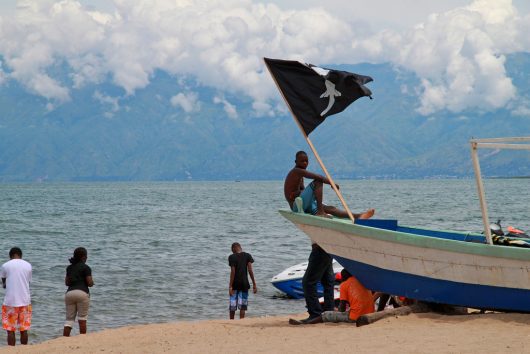
To help remedy this issue, the SE200 Community Chlorine Maker is using electricity and salt to provide clean drinking water to people in need. By producing accurate amounts of chlorine, the battery powered device is able to clean 200 liters of water in five minutes. Chlorine kills an array of microbes and sanitizes water thoroughly. However, chlorine is not always available in remote and impoverished areas.

The Chlorine Maker is simple to use. Water is mixed with salt and poured into a brine bottle. Then the solution is added to the chlorine maker. The device is attached to either a 12V battery or wall plug. After the start button is pushed the liquid begins to bubble. This indicates that electrolysis is occurring. The chemical reaction creates bleach.

Originally this technology was developed by the military but the Mountain Safety Research (MSR) in collaboration with PATH, an international health organization, modified it so anyone can easily use it directly at water sources.

Compared to other chlorine generators, the SE200 Community Chlorine Maker is relatively inexpensive and easy to use. Most importantly, it is able to calculate the correct amount of chlorine needed each time it is used. The SE200 Community Chlorine Maker has been tested in different countries such as Kenya and Ghana. It was officially put on the market in May of this year. It currently costs $200.

MSR and PATH in partnership with World Vision and Operation Blessing want to bring the Chlorine Maker to communities in need of clean water at no cost to them. MSR launched an Indiegogo campaign to raise $50,000 in order to send a minimum of 2,500 devices to communities around the world by the end of 2017. These devices will provide safe drinking water for approximately 500,000 people.

In late November, MSR reached their $50,000 goal and now hopes to reach $60,000. They are currently at $59,500 with 645 backers. With their goals met, the SE200 Community Chlorine Maker will improve the lives of many.

– Karla Umanzor

Photo: Flickr

December 21, 2016
https://borgenproject.org/wp-content/uploads/borgen-project-logo.svg 0 0 Borgen Project https://borgenproject.org/wp-content/uploads/borgen-project-logo.svg Borgen Project2016-12-21 01:30:142024-12-13 17:56:22SE200 Community Chlorine Maker: Clean Water in Five Minutes
Global Poverty, Sanitation, Water

Access to Clean Water and Sanitation Services in Burundi

Access to Clean Water and Sanitation Services in Burundi

In 2015, Burundi’s gross domestic product (GDP) per capita was the lowest in the world at 276 U.S. dollars, and its population density was one of the highest at 435 people per square kilometer of land area, according to The World Bank. As a result, everyday things such as access to clean water and sanitation services in Burundi can be a struggle for the people who live there.

Burundi is located in the Great Lakes Region of East Africa and has been called “the Heart of Africa” because of its geographic shape and location. Although landlocked, the country’s freshwater sources are plentiful. Nearly the entire western border of Burundi lies on the shores of Lake Tanganyika, and most of its northern side is bordered by the Kanyaru River. Other bodies of water there include the Malagarasi, Rusize and Ruvubu Rivers; and Cohaha and Rwero Lakes.

A 2010 Water and Sanitation Profile on Burundi from the United States Agency for International Development (USAID) reported that their renewable internal freshwater availability was equal to just under 330,000 gallons per person every year. With a number as large as this, how is it possible that access to clean water and sanitation services in Burundi is a struggle?

The Problems Facing Access to Clean Water and Sanitation Services in Burundi

Since 1962, four wars have taken place in Burundi, the results of which have directly impacted their water sector infrastructure. “Burundi’s water supply and sanitation (WSS), sector endured years of destruction brought on by sabotage and neglect during the civil war and its aftermath […] several kilometers of water pipes, connections and 80% of installed meters were destroyed,” according to USAID. This caused many people to use untreated water, which led to waterborne diseases, triggering higher mortality rates.

In 2000, world leaders adopted the U.N. Millennium Declaration along with seven goals, known as the Millennium Development Goals (MDG), which had targets for addressing extreme poverty. Goal number 7, target 10, was to “halve, by 2015, the proportion of people without sustainable access to safe water and basic sanitation.” USAID reported that in 2008, 72% of urban and rural populations in Burundi had access to drinking water, and 46% had access to sanitation services. There was significant improvement seen in the availability of sanitation services, with 1.2 million people gaining access since 1990.

Although Burundi was likely to meet the MDG, targeting sustainable access to drinking water, it was not expected to reach the “water and sanitation services in Burundi” target. However, the Government of Burundi was working to improve their WSS sector by creating new policies to increase coverage throughout the country, according to the USAID. Past and current donors contributing to the WSS sector include the African Development Bank (AfDB), the United Nations International Children’s Emergency Fund (UNICEF) and The World Bank.

– Kristin Westad

Photo: Flickr

December 20, 2016
https://borgenproject.org/wp-content/uploads/borgen-project-logo.svg 0 0 Borgen Project https://borgenproject.org/wp-content/uploads/borgen-project-logo.svg Borgen Project2016-12-20 01:30:182024-12-13 17:56:18Access to Clean Water and Sanitation Services in Burundi
Disease, Water

Water Quality in Vietnam

Water Quality in Vietnam
Vietnam’s 3,260 km coastline and extensive river networks have given the country an economic and industrial advantage. However, the exploitation and resulting pollution of the rivers has severely limited people’s access to clean drinking water. Despite efforts taken to improve water quality in Vietnam and limit the unmindful disposal of factory waste, polluted water still causes up to 80 percent of illnesses nationwide.

Vietnam has one of the highest child malnutrition rates in Southeast Asia, and as many as 44 percent of Vietnamese children fall ill with whipworms, hookworms or roundworms. Other common water-borne illnesses in Vietnam include Hepatitis A, Hepatitis E and Typhoid Fever, all of which are most commonly spread by fecal contamination of drinking water.

The pollution most profoundly impacts those living in central and southern Vietnam, where the majority of waterways are used for farming and power. Although water quality in Vietnam‘s upstream rivers such as the Red River remains acceptable, those living downstream or in urban areas are at greater risk of contracting water-borne illnesses.

According to the National Center for Water Resources Planning and Investigation, water samples from Binh Chanh, Cu Chi and District 12 contain unsafe levels of ammonia and manganese. Arsenic contamination in water has also been a threat to the entire nation.

Untreated industrial waste is the primary cause of poor water quality in Vietnam, as fifty industrial zones discharge 105 million liters of largely untreated wastewater into the Saigon every day. International water resource organizations recommend limiting river flow exploitation to 30 percent, but, according to a report in the Voice of Vietnam online journal, the Ninh Thuan province exploits as much as 80 percent. This has degraded the basins in the Red River, the Thai Binh River and the Dong Nai River.

Hydropower plants have been built on all 13 big river networks, as well as on small rivers. The power plants have cut the river networks into artificial water reservoirs and have upset the river’s water storage. This not only devastates the forests and water life, but it makes people living downstream from these areas particularly vulnerable to pollution from farming pesticides, fertilizer, factory runoff, fish farms and wastewater.

Vietnam is developing its hydropower infrastructure to keep up with its increasing demand for energy. While the existing administrative and legal framework for pollution control is substantial, the problem, according to Nguyen Thi Kim Oanh, a professor at the Asian Institute of Technology in Thailand, is law enforcement. “We need to have strong punishments,” Oanh says, especially with larger power plants. He also says that people need to be aware of the issue so that they do not contribute to the pollution themselves.

Some of the greatest problems regarding pollution control are low fines, vague criteria for identifying polluters, low monitoring capacity, little willingness to enforce regulations and inadequate funding. Legislation passed in the last decade, however, has made provisions for harsher sanctions against polluters, such as the 2005 revised Law on Environmental Protection.

Funding for pollution control has also increased over the last ten years on both the national and provincial levels. For example, the HCMC Waste Recycling Fund targets waste management firms, while the Vietnam Environmental Protection Fund targets pollution control in urban areas, craft villages and hospitals.

Flexible funding, effective audits and knowledge as to who polluters are should reduce the waste going into Vietnamese rivers. The benefits of these changes will protect future generations from serious illnesses, and ultimately prepare the country for more sustainable economic development.

– Liliana Rehorn

Photo: Flickr

December 2, 2016
https://borgenproject.org/wp-content/uploads/borgen-project-logo.svg 0 0 Borgen Project https://borgenproject.org/wp-content/uploads/borgen-project-logo.svg Borgen Project2016-12-02 01:30:382024-12-13 17:56:15Water Quality in Vietnam
Global Poverty, Water

Fight for Clean Water in Sudan

Fight for Clean Water in Sudan
Getting safe and clean water in Sudan continues to be an ongoing struggle that the Sudanese people have endured for decades. Plagued by war, poverty and disease, the ongoing water stress in Sudan has created a strain on political and economic situations and taken a toll on infrastructure and agricultural systems.

Given that the livelihood of Sudan is reliant on the agricultural industry, which requires 97 percent of the country’s water usage, the lack of rainfall and desertification has contributed to a prevalent impoverished state. Family displacement is a continuous problem as families seek out potentially prosperous land elsewhere.

To put into perspective, the U.S. domestic water use “accounts for 13 percent of total supply,” whereas availability for the domestic use of clean water in Sudan is two percent. Adding to this insufficient supply of water, issues such as a rapidly increasing population, drought and the unregulated disbursement of large water sources, such as the Nile River Basin, are being ignored.

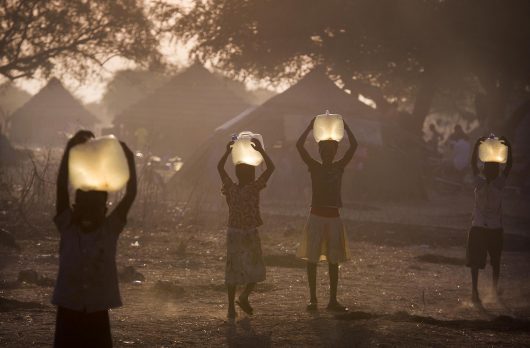
While economic and political strife remains, family life is also at stake. Each day a mother or child must walk far distances in order to gather the necessary amount of water needed to cook and clean. Oftentimes, an individual can travel up to four hours to locate a safe water source, while risking their safety due to prevalent gender violence. Such demands cause children to forego education in order to help contribute to family needs. Every day an individual is faced with the possibility of running out of the clean water gathered that day and deciding whether or not to risk their health by drinking from a risky water source.

Lastly, the most important consideration in the face of Sudan’s water crisis is protecting and sustaining the health of the population. Misuse of water sources, pollution and fecal contamination are key contributors to the waterborne diseases that spread throughout Sudan. In 2004, 3,753 cases of Hepatitis E were contracted within four months and in 2006, 476 deaths in just five months occurred as a result of contaminated water. Other common waterborne diseases include Guinea Worm Disease from which three out of five cases originate in Sudan.

Fortunately, many organizations and nonprofits have aided in the redevelopment of the water quality in Sudan. Water is Basic was formed in 2006 following the Comprehensive Peace Agreement, which set out to end the civil war in Sudan. Since 2008, the organization has installed and restored over 500 clean water wells and “to date, [has] brought clean water to 10 percent of the total population of South Sudan.” Their Carry the Jerry annual race has brought awareness to the hardships Sudanese people endure as participants complete the race by carrying the Jerry cans used to transport fresh water to and from non-local sources.

Similarly, a 2012 pledge from Japan, promising $50 million in infrastructural aid is projected to be completed in 2017. This will provide clean and convenient water access to 400,000 residents of Juba, Sudan. Other ongoing effort initiatives exist from numerous organizations such as Water For South Sudan, the Water Project and Africa Heartwood Project.

The current global efforts to provide clean water in Sudan has introduced a new hope for the Sudanese by empowering them to establish community and leadership with the ultimate hope that Sudan will one day be a self-sustaining country. With the help of various organizations, jobs have been established for Sudanese individuals providing them with income to send their children to school, preserve their households, and to “dream of a future.”

– Amy Williams

Photo: Flickr

December 1, 2016
https://borgenproject.org/wp-content/uploads/borgen-project-logo.svg 0 0 Borgen Project https://borgenproject.org/wp-content/uploads/borgen-project-logo.svg Borgen Project2016-12-01 01:30:322024-12-13 17:56:15Fight for Clean Water in Sudan
Health, War and Violence, Water

Water Quality in Syria

Water Quality in Syria
As the conflict in the country continues, water quality in Syria worsens, leaving the population more susceptible to diseases and forced to migrate in unsafe conditions.

Poor water quality in Syria is caused by damage and lack of maintenance to infrastructure as well as poor sanitation. Low power supply and lack of sewage sanitation also contribute to an insufficient clean water supply.

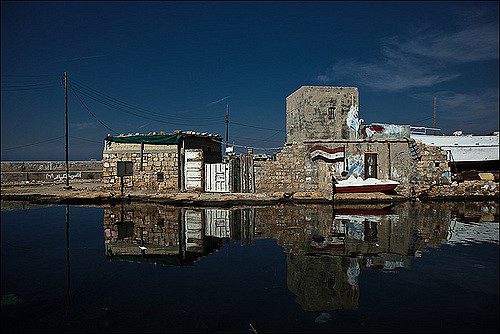
Water is also used as a weapon. For example, in Aleppo, pumps and electricity stations that fuel the water are controlled by different fighting parties. The water supply is often deliberately turned off for long periods of time as a tactic to wear the other side down.

As a result, civilians suffer and must resort to whatever supply of water they can find, such as wells, which are not guaranteed to be clean. Those who drink unsanitary water are at risk for developing diarrhea, typhoid, hepatitis and other health problems.

The Middle East has the lowest per capita water availability in the world as well as one of the highest rates of population growth, according to Ashok Swain, director of the International Center for Water Cooperation.

Syria and other nearby countries such as Iraq suffered a severe drought from 2007-2010, which severely lessened agricultural productivity and forced farmers and herders to migrate for water.

“The inability of Syria and Iraq to meet the demand for water — due to growing populations and/or decreasing supply and flawed water policies — has only exacerbated problems caused by drought conditions,” wrote Marcus King, associate professor of International Affairs at George Washington University, in his essay “The Weaponization of Water in Syria and Iraq.”

“Water scarcity played a meaningful but complicated role in creating conditions that led to political unrest and ultimately violent insurrection in Syria in spring 2011 and the spillover into Iraq,” said King.

According to the U.N. Refugee Agency, 6.5 million people have been displaced inside Syria, and 4.8 million have fled to nearby countries such as Jordan, Lebanon, Turkey, Iraq and Egypt since the conflict began in 2011. Neighboring countries are also experiencing clean water shortages as a result of the influx of refugees.

The U.N. Children’s Fund brings portable water to refugees in Syria and other affected nations as well as implements cost-effective, sustainable water systems for communities in need. UNICEF is also working to relieve nations hosting refugees by augmenting existing water, sewage and waste collection systems to accommodate the increased demand.

Other relief efforts headed by UNICEF include:

  •  Improving access to quality education;
  •  Children’s programming and protection services;
  •  Providing vaccinations and nutritional supplements;
  • Issuing emergency cash assistance to families in need;

You can help Syrian refugees by making a tax-deductible donation to UNICEF.

– Cassie Lipp

Photo: Flickr

November 26, 2016
https://borgenproject.org/wp-content/uploads/borgen-project-logo.svg 0 0 Borgen Project https://borgenproject.org/wp-content/uploads/borgen-project-logo.svg Borgen Project2016-11-26 01:30:112024-12-13 17:56:11Water Quality in Syria
Page 40 of 57«‹3839404142›»

Get Smarter

  • Global Poverty 101
  • Global Poverty… The Good News
  • Global Poverty & U.S. Jobs
  • Global Poverty and National Security
  • Innovative Solutions to Poverty
  • Global Poverty & Aid FAQ’s
Search Search

Take Action

  • Call Congress
  • Email Congress
  • Donate
  • 30 Ways to Help
  • Volunteer Ops
  • Internships
  • Courses & Certificates
  • The Podcast
Borgen Project

“The Borgen Project is an incredible nonprofit organization that is addressing poverty and hunger and working towards ending them.”

-The Huffington Post

Inside The Borgen Project

  • Contact
  • About
  • Financials
  • President
  • Board of Directors
  • Board of Advisors

International Links

  • UK Email Parliament
  • UK Donate
  • Canada Email Parliament

Get Smarter

  • Global Poverty 101
  • Global Poverty… The Good News
  • Global Poverty & U.S. Jobs
  • Global Poverty and National Security
  • Innovative Solutions to Poverty
  • Global Poverty & Aid FAQ’s

Ways to Help

  • Call Congress
  • Email Congress
  • Donate
  • 30 Ways to Help
  • Volunteer Ops
  • Internships
  • Courses & Certificates
  • The Podcast
Scroll to top Scroll to top Scroll to top